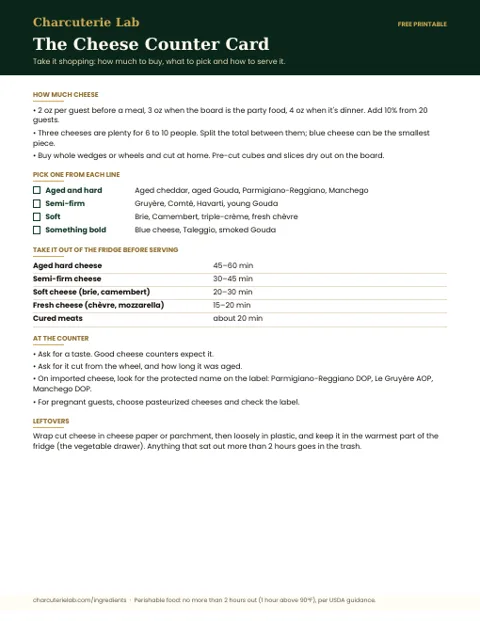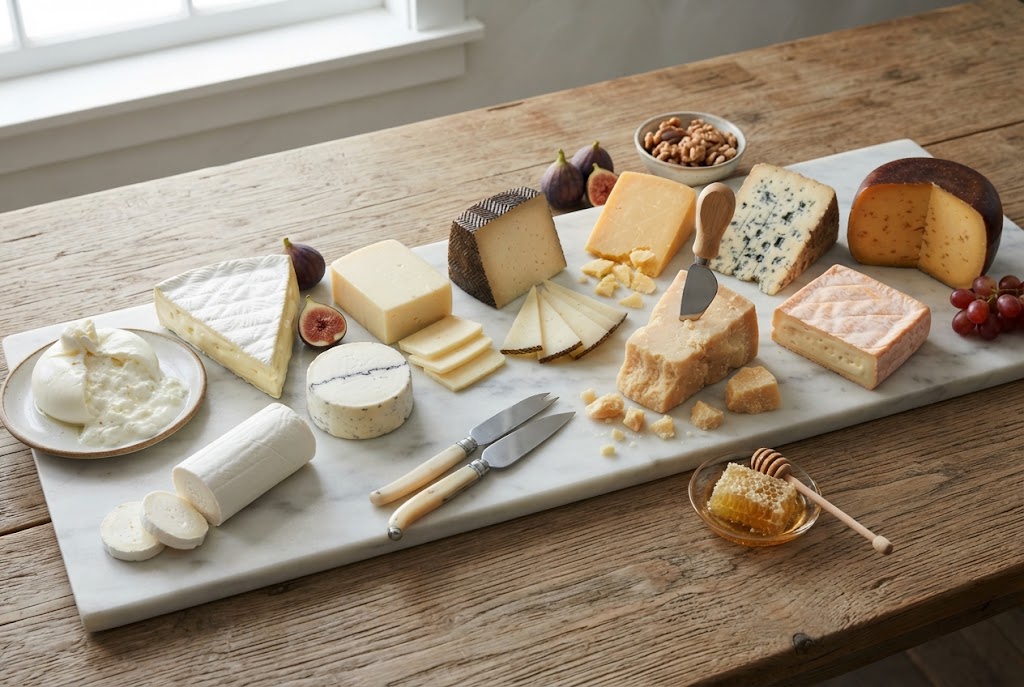
Quick Answer: There are more than 1,800 cheeses, but almost all of them fit into 8 families. Five sit on a line from fresh (wet, young, mild) through soft-ripened, semi-soft and firm to hard (dry, old, strong). The other three get an extra step: blue (mold grown inside), washed-rind (the stinky ones) and flavored. Know the family and you know roughly how a cheese will taste.
Every cheese in one picture
Top to bottom: wetter and milder, down to drier and stronger
Plus three made with an extra step
Dairy-free? Jump to plant-based cheese.
Jump to a section
The 8 types of cheese at a glance
The different kinds of cheese mostly differ in two ways: how much water is left and how long they aged. Less water and more time means firmer and stronger.
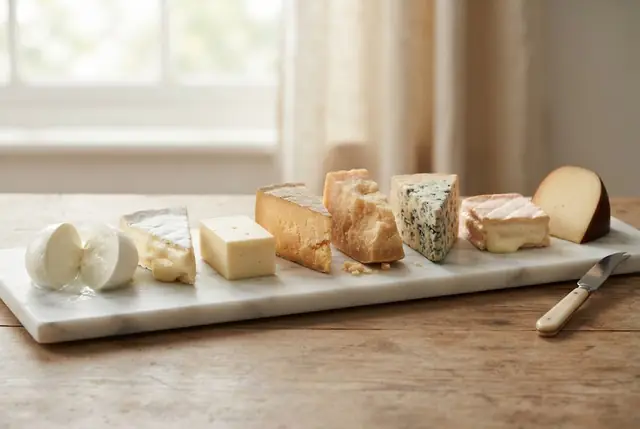
Building a board? Pick one cheese from three different families, like a soft one (Brie), a firm one (Manchego) and a blue (Gorgonzola), and every guest finds something they like. See the best cheeses for a charcuterie board and how many cheeses to serve.
The cheese chart: all 100 types
The full list of cheeses in this guide. Tap a family, pick a milk or type a name, and tap any linked cheese to open its full guide.
How to read the chart
- Family is how the cheese is made: how much water is left, how long it aged, and any extra step (blue mold, a washed rind, something added).
- Strength is how intense it is to eat, smell included, for a typical piece from a US store. Age changes it: an aged Gouda is much stronger than a young one.
- Try with is one classic pairing. Each cheese's own guide has the full list.
- How we picked the 100: all 87 cheeses with a Charcuterie Lab ingredient guide, plus 13 everyday supermarket cheeses like American, Colby and cottage cheese.
Showing all 100 cheeses
| Cheese | Family | Milk | From | Strength | Tastes like | Try with |
|---|---|---|---|---|---|---|
| Ricotta | Fresh | Cow (also sheep) | Italy | Mild | Milky, faintly sweet, soft curds | Honey and lemon zest |
| Cream Cheese | Fresh | Cow | USA | Mild | Tangy, rich, smooth | Pepper jelly |
| Mascarpone | Fresh | Cow | Italy | Mild | Sweet, buttery, very rich | Fresh berries |
| Fresh Mozzarella | Fresh | Cow or buffalo | Italy | Mild | Milky, soft, delicate | Tomatoes and basil |
| Burrata | Fresh | Cow | Italy | Mild | Sweet milk with a creamy center | Prosciutto and peaches |
| Stracciatella | Fresh | Cow | Italy | Mild | Rich cream and soft shreds | Toast and olive oil |
| Fresh Chèvre (Goat Cheese) | Fresh | Goat | France | Gentle | Bright, lemony, tangy | Honey |
| Feta | Fresh | Sheep (with some goat) | Greece | Medium | Salty, tangy, briny | Olives and cucumber |
| Queso Fresco | Fresh | Cow | Mexico | Mild | Milky, lightly salty, crumbly | Mango and chili |
| Halloumi | Fresh | Sheep, goat and cow | Cyprus | Gentle | Salty, squeaky, firm | Watermelon or lemon |
| Cheese Curds | Fresh | Cow | USA | Mild | Squeaky, milky, salty | Cold beer |
| Boursin | Fresh | Cow | France | Gentle | Garlic, herbs, creamy | Cucumber rounds |
| Cottage Cheese | Fresh | Cow | USA | Mild | Mild, milky, lumpy curds | Pineapple or peaches |
| Paneer | Fresh | Cow or buffalo | India | Mild | Mild, firm, doesn't melt | Mint chutney |
| Queso Blanco | Fresh | Cow | Latin America | Mild | Mild, milky, softens but won't melt | Salsa |
| Brie | Soft-ripened | Cow | France | Gentle | Buttery, mild, mushroomy | Fig jam |
| Camembert | Soft-ripened | Cow | France | Medium | Earthy, mushroomy, savory | Apple slices |
| Triple-Crème | Soft-ripened | Cow | France | Gentle | Like rich butter, faintly tangy | Champagne |
| Harbison | Soft-ripened | Cow | USA (Vermont) | Medium | Spoonable, woodsy, sweet cream | Crusty bread |
| Humboldt Fog | Soft-ripened | Goat | USA (California) | Medium | Lemony, with a line of ash | Honey |
| Bucheron | Soft-ripened | Goat | France | Medium | Tangy core, creamy edge | Pears |
| Valençay | Soft-ripened | Goat | France | Medium | Lemony, nutty | Dried apricots |
| Sainte-Maure de Touraine | Soft-ripened | Goat | France | Medium | Lemony, tangy, nutty | Walnuts |
| Crottin de Chavignol | Soft-ripened | Goat | France | Medium | Nutty and tangy, firmer with age | Sancerre (white wine) |
| Havarti | Semi-soft | Cow | Denmark | Mild | Buttery, mild, creamy | Apple slices |
| Monterey Jack | Semi-soft | Cow | USA | Mild | Mild, buttery | Salsa |
| Colby Jack | Semi-soft | Cow | USA | Mild | Mild, milky, marbled | Summer sausage |
| Pepper Jack | Semi-soft | Cow | USA | Gentle | Mild with a chili kick | Salami |
| Muenster | Semi-soft | Cow | USA | Mild | Mild, buttery, orange rind | Rye bread |
| Port Salut | Semi-soft | Cow | France | Gentle | Mild, creamy, savory | Pears |
| Fontina | Semi-soft | Cow | Italy | Gentle | Nutty, earthy, buttery | Prosciutto |
| Gouda (Young) | Semi-soft | Cow | Netherlands | Mild | Sweet, buttery, mild | Apples |
| Edam | Semi-soft | Cow | Netherlands | Mild | Mild, slightly salty, red wax | Grapes |
| Baby Swiss | Semi-soft | Cow | USA | Mild | Mild, sweet, small holes | Ham |
| Jarlsberg | Semi-soft | Cow | Norway | Mild | Sweet, nutty, big holes | Pears |
| Provolone | Semi-soft | Cow | Italy / USA | Gentle | Mild, milky, salty | Salami |
| Morbier | Semi-soft | Cow | France | Gentle | Creamy, nutty, ash line through the middle | Walnuts |
| Tomme de Savoie | Semi-soft | Cow | France | Gentle | Earthy, grassy, rustic | Apples |
| Raclette | Semi-soft | Cow | Switzerland / France | Medium | Savory, a bit funky, melts beautifully | Potatoes and cornichons |
| Juustoleipä (Bread Cheese) | Semi-soft | Cow | Finland | Mild | Buttery, toasted edges | Berry jam |
| Colby | Semi-soft | Cow | USA (Wisconsin) | Mild | Mild, soft, open texture | Apple slices |
| Brick Cheese | Semi-soft | Cow | USA (Wisconsin) | Gentle | Mild young, tangy older | Detroit-style pizza |
| Mozzarella (Low-Moisture) | Semi-soft | Cow | USA / Italy | Mild | Mild, salty, stretchy | Pizza |
| String Cheese | Semi-soft | Cow | USA | Mild | Mild, peels into strings | Kids' snack boards |
| Oaxaca | Semi-soft | Cow | Mexico | Mild | Mild, buttery, stringy | Quesadillas |
| American Cheese | Semi-soft | Cow (processed) | USA | Mild | Salty, creamy, melts perfectly | Burgers |
| Cheddar (Mild) | Firm | Cow | England / USA | Gentle | Mild, creamy, smooth | Crackers |
| Cheddar (Aged) | Firm | Cow | England / USA | Bold | Sharp, tangy, crunchy crystals | Apples |
| Gruyère | Firm | Cow | Switzerland | Medium | Nutty, brothy, savory | Pears |
| Comté | Firm | Cow | France | Medium | Nutty, brown butter | Walnuts |
| Beaufort | Firm | Cow | France | Medium | Fruity, floral, rich | Dried fruit |
| Emmental | Firm | Cow | Switzerland | Mild | Mild, sweet, big holes | Ham |
| Swiss (American-Style) | Firm | Cow | USA | Mild | Mild, nutty, big holes | Turkey or ham |
| Manchego | Firm | Sheep | Spain | Medium | Nutty, buttery | Membrillo (quince paste) |
| Mahón | Firm | Cow | Spain | Medium | Buttery, tangy, salty | Marcona almonds |
| Idiazábal | Firm | Sheep | Spain | Medium | Nutty, buttery, often lightly smoked | Green olives |
| Ossau-Iraty | Firm | Sheep | France | Medium | Buttery, nutty, sweet | Black cherry jam |
| Pecorino Toscano | Firm | Sheep | Italy | Gentle | Buttery, mild sheep tang | Honey and pears |
| Roncal | Firm | Sheep | Spain | Medium | Nutty, salty, herbal | Quince paste |
| Garrotxa | Firm | Goat | Spain | Gentle | Nutty, herbal, mild goat | Figs |
| Drunken Goat | Firm | Goat | Spain | Gentle | Mild, sweet, wine-soaked rind | Red grapes |
| Midnight Moon | Firm | Goat | Netherlands | Gentle | Brown butter, caramel | Apple slices |
| Red Leicester | Firm | Cow | England | Gentle | Mellow, sweet, nutty | Chutney |
| Asiago | Firm | Cow | Italy | Gentle | Mild young, sharp aged | Salami |
| Aged Provolone | Firm | Cow | Italy | Bold | Sharp, piquant, salty | Roasted red peppers |
| Tête de Moine | Firm | Cow | Switzerland | Medium | Nutty, earthy, shaved into rosettes | Pears |
| Ricotta Salata | Firm | Sheep | Italy | Gentle | Salty, milky, firm crumbles | Tomatoes |
| Parmigiano-Reggiano | Hard | Cow | Italy | Bold | Savory, nutty, crunchy crystals | Aged balsamic |
| Parmesan (Domestic) | Hard | Cow | USA | Medium | Savory, salty | Pasta |
| Grana Padano | Hard | Cow | Italy | Medium | Nutty, mildly sweet | Honey |
| Pecorino Romano | Hard | Sheep | Italy | Bold | Very salty, sharp | Pears and honey |
| Aged Gouda | Hard | Cow | Netherlands | Bold | Butterscotch, crunchy crystals | Dark chocolate |
| Mimolette | Hard | Cow | France | Medium | Nutty, butterscotch, bright orange | Beer |
| Cotija | Hard | Cow | Mexico | Medium | Very salty, crumbly | Elote (street corn) |
| Cambozola | Blue | Cow | Germany | Gentle | Buttery, gentle blue | Pears |
| Gorgonzola | Blue | Cow | Italy | Medium | Creamy, tangy (dolce is milder) | Walnuts and honey |
| Bleu d'Auvergne | Blue | Cow | France | Medium | Creamy, grassy, clean | Pears |
| Danish Blue | Blue | Cow | Denmark | Medium | Salty, sharp, straightforward | Walnuts |
| Maytag Blue | Blue | Cow | USA (Iowa) | Bold | Sharp, lemony, salty | Apples |
| Stilton | Blue | Cow | England | Bold | Nutty, savory, mellow blue | Port |
| Rogue River Blue | Blue | Cow | USA (Oregon) | Bold | Fruity, boozy, wrapped in leaves | Pears |
| Roquefort | Blue | Sheep | France | Intense | Sharp, very salty, intense | Sauternes or honey |
| Cabrales | Blue | Cow (sometimes goat and sheep) | Spain | Intense | Very sharp, spicy, salty | Figs |
| Taleggio | Washed-rind | Cow | Italy | Medium | Buttery, fruity; milder than it smells | Honey |
| Reblochon | Washed-rind | Cow | France | Medium | Nutty, buttery, savory | Potatoes (tartiflette) |
| Pont-l'Évêque | Washed-rind | Cow | France | Medium | Rich, savory, faintly sweet | Hard cider |
| Red Hawk | Washed-rind | Cow | USA (California) | Bold | Beefy, rich, tangy | Beer |
| Langres | Washed-rind | Cow | France | Bold | Rich, tangy, funky | Champagne |
| Limburger | Washed-rind | Cow | Belgium / Germany | Bold | Strong smell, surprisingly mild taste | Rye bread and onion |
| Époisses | Washed-rind | Cow | France | Intense | Rich, meaty, spoonable | Crusty bread |
| Smoked Gouda | Flavored & specialty | Cow | Netherlands / USA | Gentle | Smoky, mild, buttery | Summer sausage |
| Truffle Cheese | Flavored & specialty | Cow or sheep | Italy | Medium | Earthy, garlicky, savory | Honey |
| Cotswold | Flavored & specialty | Cow | England | Gentle | Oniony, chives, buttery | Ham |
| Wensleydale with Cranberries | Flavored & specialty | Cow | England | Mild | Mild, honeyed, sweet-tart fruit | Oatcakes |
| Cranberry Goat Cheese | Flavored & specialty | Goat | USA | Gentle | Tangy with sweet-tart fruit | Pecans |
| Brunost | Flavored & specialty | Whey (goat and cow) | Norway | Gentle | Caramel, dulce de leche | Waffles |
| Cashew Cheese | Plant-based | Cashews | — | Gentle | Rich, nutty, tangy when cultured | Crackers and herbs |
| Almond Ricotta | Plant-based | Almonds | — | Mild | Mild, nutty, lemony | Roasted tomatoes |
| Vegan Brie | Plant-based | Cashews or coconut | — | Gentle | Rich, tangy, faintly mushroomy | Fig jam |
| Vegan Cream Cheese | Plant-based | Nuts, soy or oats | — | Mild | Tangy, clean, spreadable | Bagels |
No cheese matches that. Try fewer filters.
1 Fresh cheese 15 cheeses
Unaged or barely aged. The milk is curdled, drained and eaten young. A few, like feta and halloumi, are kept in brine.
Why it tastes this way: With little or no aging, there's no time for flavor to build, so you taste the milk itself: sweet, milky and a little tangy. It's also why fresh cheeses spoil fastest.
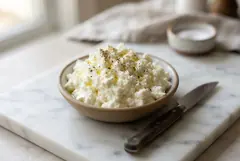 RicottaMilky, faintly sweet, soft curdsTry with: Honey and lemon zest
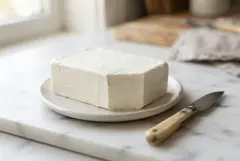 Cream CheeseTangy, rich, smoothTry with: Pepper jelly
 MascarponeSweet, buttery, very richTry with: Fresh berries
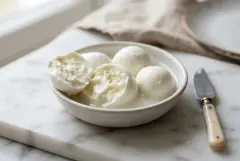 Fresh MozzarellaMilky, soft, delicateTry with: Tomatoes and basil
 BurrataSweet milk with a creamy centerTry with: Prosciutto and peaches
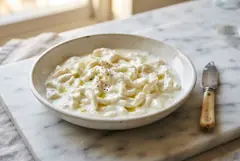 StracciatellaRich cream and soft shredsTry with: Toast and olive oil
See all 15 fresh cheeses
 Fresh Chèvre (Goat Cheese)Bright, lemony, tangyTry with: Honey
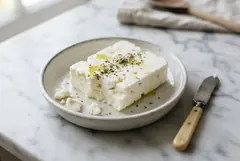 FetaSalty, tangy, brinyTry with: Olives and cucumber
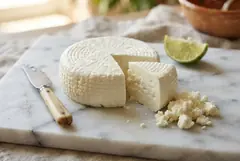 Queso FrescoMilky, lightly salty, crumblyTry with: Mango and chili
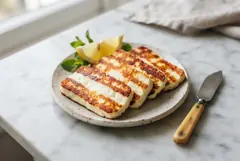 HalloumiSalty, squeaky, firmTry with: Watermelon or lemon
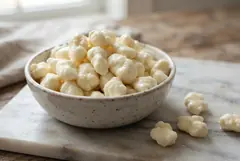 Cheese CurdsSqueaky, milky, saltyTry with: Cold beer
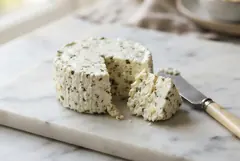 BoursinGarlic, herbs, creamyTry with: Cucumber rounds
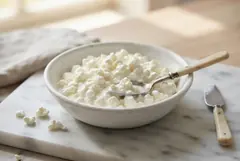 Cottage CheeseMild, milky, lumpy curdsTry with: Pineapple or peaches
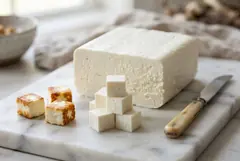 PaneerMild, firm, doesn't meltTry with: Mint chutney
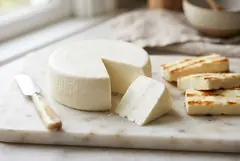 Queso BlancoMild, milky, softens but won't meltTry with: Salsa
Often confused: Burrata vs. mozzarella
Tip Keep them cold and finish an opened tub within a few days.
2 Soft-ripened (bloomy rind) 9 cheeses
Soft cheese that ripens from the outside in, under a white, velvety mold rind.
Why it tastes this way: The white mold on the rind (Penicillium camemberti) softens the cheese from the outside in. That's why a ripe Brie is runny under the rind and firmer in the middle, and why it smells like mushrooms.
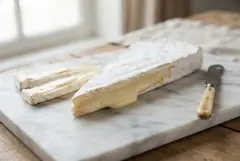 BrieButtery, mild, mushroomyTry with: Fig jam
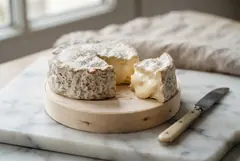 CamembertEarthy, mushroomy, savoryTry with: Apple slices
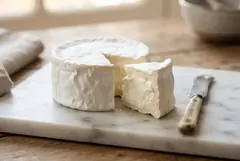 Triple-CrèmeLike rich butter, faintly tangyTry with: Champagne
 HarbisonSpoonable, woodsy, sweet creamTry with: Crusty bread
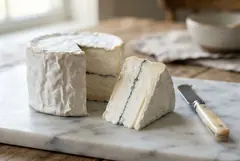 Humboldt FogLemony, with a line of ashTry with: Honey
 BucheronTangy core, creamy edgeTry with: Pears
See all 9 soft-ripened cheeses
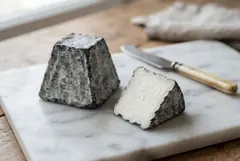
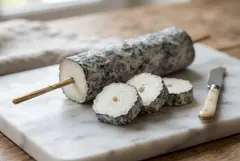
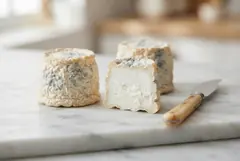
Often confused: Brie vs. Camembert
Tip The white rind is edible. More on eating the rind.
3 Semi-soft 22 cheeses
Young, moist cheeses aged a few weeks to a few months.
Why it tastes this way: They still have enough moisture to melt smoothly but haven't aged long enough to get strong. That makes them the safest picks for picky eaters and kids.
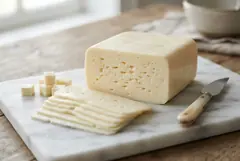 HavartiButtery, mild, creamyTry with: Apple slices
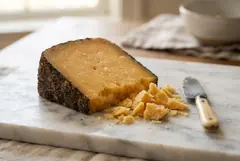 Monterey JackMild, butteryTry with: Salsa
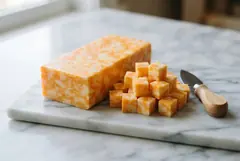 Colby JackMild, milky, marbledTry with: Summer sausage
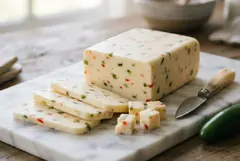 Pepper JackMild with a chili kickTry with: Salami
 MuensterMild, buttery, orange rindTry with: Rye bread
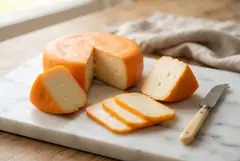 Port SalutMild, creamy, savoryTry with: Pears
See all 22 semi-soft cheeses
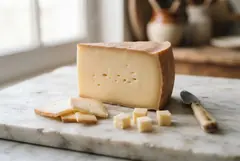 FontinaNutty, earthy, butteryTry with: Prosciutto
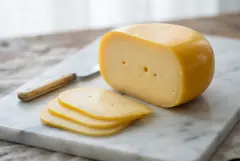 Gouda (Young)Sweet, buttery, mildTry with: Apples
 EdamMild, slightly salty, red waxTry with: Grapes
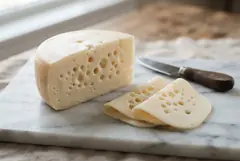 Baby SwissMild, sweet, small holesTry with: Ham
 JarlsbergSweet, nutty, big holesTry with: Pears
 ProvoloneMild, milky, saltyTry with: Salami
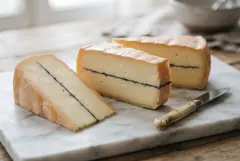 MorbierCreamy, nutty, ash line through the middleTry with: Walnuts
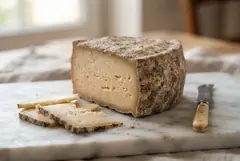 Tomme de SavoieEarthy, grassy, rusticTry with: Apples
 RacletteSavory, a bit funky, melts beautifullyTry with: Potatoes and cornichons
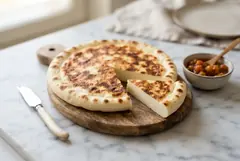 Juustoleipä (Bread Cheese)Buttery, toasted edgesTry with: Berry jam
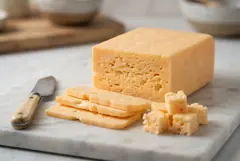 ColbyMild, soft, open textureTry with: Apple slices
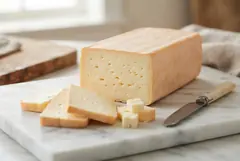 Brick CheeseMild young, tangy olderTry with: Detroit-style pizza
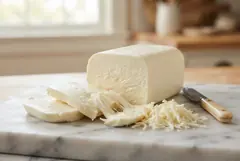 Mozzarella (Low-Moisture)Mild, salty, stretchyTry with: Pizza
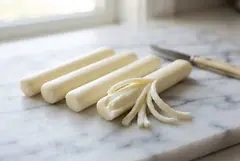 String CheeseMild, peels into stringsTry with: Kids' snack boards
 OaxacaMild, buttery, stringyTry with: Quesadillas
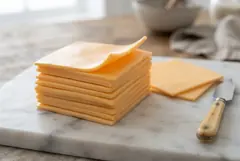 American CheeseSalty, creamy, melts perfectlyTry with: Burgers
Often confused: Gouda vs. Edam
Tip Most of America's everyday cheeses live here: Colby Jack, Havarti, Muenster, provolone.
4 Firm & semi-hard 21 cheeses
Pressed cheeses aged for months, often a year or more.
Why it tastes this way: Pressing pushes out the whey. Slow aging then breaks proteins and fats down into nutty, savory, brothy flavors. The crunchy white specks in old cheddar or Comté are harmless crystals (amino acids or calcium lactate) that form with age. They're not mold.
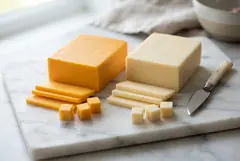 Cheddar (Mild)Mild, creamy, smoothTry with: Crackers
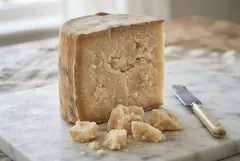 Cheddar (Aged)Sharp, tangy, crunchy crystalsTry with: Apples
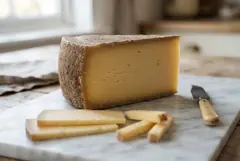 GruyèreNutty, brothy, savoryTry with: Pears
 ComtéNutty, brown butterTry with: Walnuts
 BeaufortFruity, floral, richTry with: Dried fruit
 EmmentalMild, sweet, big holesTry with: Ham
See all 21 firm cheeses
 Swiss (American-Style)Mild, nutty, big holesTry with: Turkey or ham
 ManchegoNutty, butteryTry with: Membrillo (quince paste)
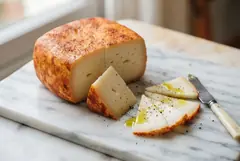 MahónButtery, tangy, saltyTry with: Marcona almonds
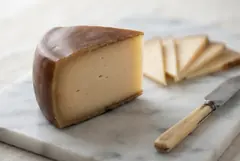 IdiazábalNutty, buttery, often lightly smokedTry with: Green olives
 Ossau-IratyButtery, nutty, sweetTry with: Black cherry jam
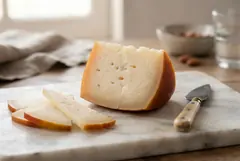 Pecorino ToscanoButtery, mild sheep tangTry with: Honey and pears
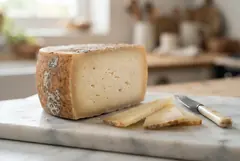 RoncalNutty, salty, herbalTry with: Quince paste
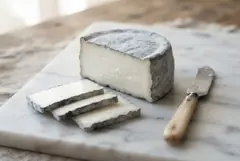 GarrotxaNutty, herbal, mild goatTry with: Figs
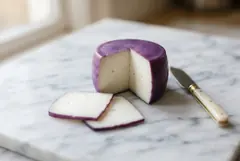 Drunken GoatMild, sweet, wine-soaked rindTry with: Red grapes
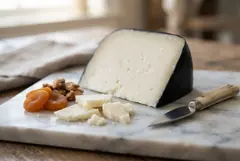 Midnight MoonBrown butter, caramelTry with: Apple slices
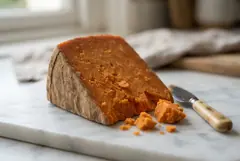 Red LeicesterMellow, sweet, nuttyTry with: Chutney
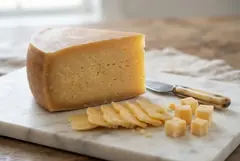 AsiagoMild young, sharp agedTry with: Salami
 Aged ProvoloneSharp, piquant, saltyTry with: Roasted red peppers
 Tête de MoineNutty, earthy, shaved into rosettesTry with: Pears
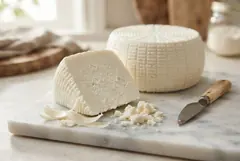 Ricotta SalataSalty, milky, firm crumblesTry with: Tomatoes
Often confused: Gruyère vs. ComtéManchego vs. PecorinoWhite vs. orange cheddar
Tip The Alpine cheeses here (Gruyère, Comté, Beaufort) are some of the best melters in the world.
5 Hard & aged 7 cheeses
The driest cheeses, usually aged the longest.
Why it tastes this way: With so little water left, the salt and savory (umami) flavors are concentrated. Hard cheeses keep the longest of any family.
 Parmigiano-ReggianoSavory, nutty, crunchy crystalsTry with: Aged balsamic
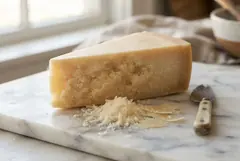 Parmesan (Domestic)Savory, saltyTry with: Pasta
 Grana PadanoNutty, mildly sweetTry with: Honey
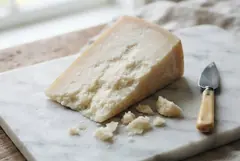 Pecorino RomanoVery salty, sharpTry with: Pears and honey
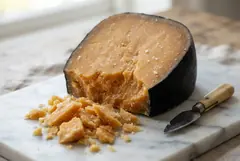 Aged GoudaButterscotch, crunchy crystalsTry with: Dark chocolate
 MimoletteNutty, butterscotch, bright orangeTry with: Beer
See all 7 hard cheeses
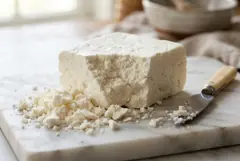
Often confused: Parmesan vs. Parmigiano-Reggiano
Tip Break it into rough chunks with a short almond-shaped knife instead of slicing.
6 Blue cheese 9 cheeses
Cheese with blue-green mold (Penicillium roqueforti) grown inside it on purpose.
Why it tastes this way: The cheese is pierced with needles so air can reach the mold, which grows along the channels. That gives blue its sharp, peppery, salty bite. Sweet things like honey, pears and port tame it.
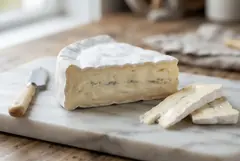 CambozolaButtery, gentle blueTry with: Pears
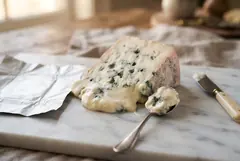 GorgonzolaCreamy, tangy (dolce is milder)Try with: Walnuts and honey
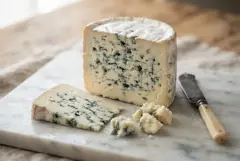 Bleu d'AuvergneCreamy, grassy, cleanTry with: Pears
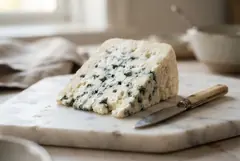 Danish BlueSalty, sharp, straightforwardTry with: Walnuts
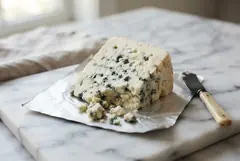 Maytag BlueSharp, lemony, saltyTry with: Apples
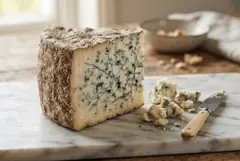 StiltonNutty, savory, mellow blueTry with: Port
See all 9 blue cheeses
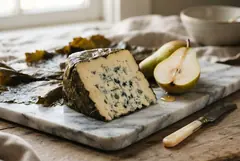
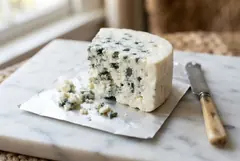
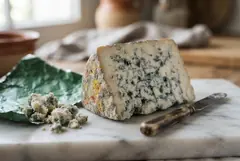
Tip New to blue? Start with Cambozola or Gorgonzola dolce, then work up.
7 Washed-rind (the stinky ones) 7 cheeses
Cheeses whose rinds are washed in brine, beer or wine as they age.
Why it tastes this way: The washing feeds bacteria (Brevibacterium linens) that turn the rind orange and make it smell strong. The inside almost always tastes milder than it smells.
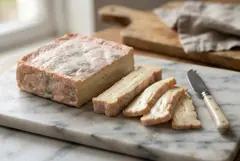 TaleggioButtery, fruity; milder than it smellsTry with: Honey
 ReblochonNutty, buttery, savoryTry with: Potatoes (tartiflette)
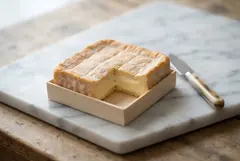 Pont-l'ÉvêqueRich, savory, faintly sweetTry with: Hard cider
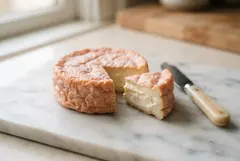 Red HawkBeefy, rich, tangyTry with: Beer
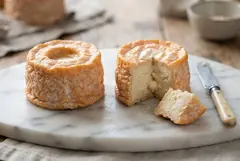 LangresRich, tangy, funkyTry with: Champagne
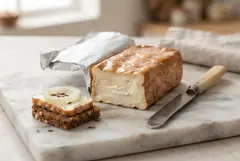 LimburgerStrong smell, surprisingly mild tasteTry with: Rye bread and onion
See all 7 washed-rind cheeses
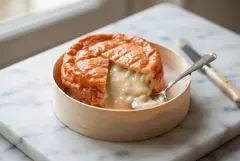
Tip Put them on their own small plate so they don't perfume the whole board.
8 Flavored, smoked & specialty 6 cheeses
Cheese with something added (smoke, fruit, herbs, truffle) or made an unusual way.
Why it tastes this way: The base cheese is usually mild, so the add-in does most of the talking. Brunost is the odd one out: it's cooked down from whey until it tastes like caramel.
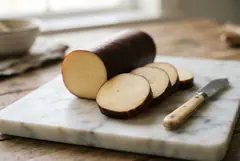 Smoked GoudaSmoky, mild, butteryTry with: Summer sausage
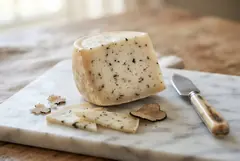 Truffle CheeseEarthy, garlicky, savoryTry with: Honey
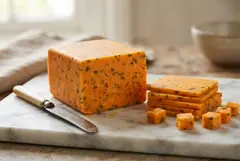 CotswoldOniony, chives, butteryTry with: Ham
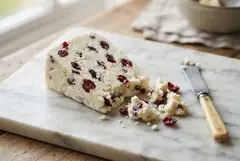 Wensleydale with CranberriesMild, honeyed, sweet-tart fruitTry with: Oatcakes
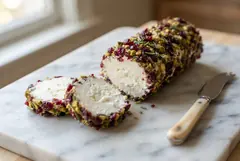 Cranberry Goat CheeseTangy with sweet-tart fruitTry with: Pecans
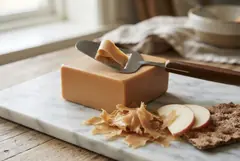 BrunostCaramel, dulce de lecheTry with: Waffles
Tip Use one flavored cheese per board, as the fun one, not as the anchor.
+ Plant-based (dairy-free) 4 cheeses
Cheese-style foods made from nuts, soy, coconut oil or starch, often cultured like dairy cheese.
Why it tastes this way: Many cashew cheeses are cultured with the same kinds of bacteria used for dairy cheese, which gives them real tang. They don't melt or age the way dairy does.
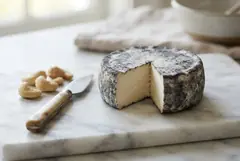 Cashew CheeseRich, nutty, tangy when culturedTry with: Crackers and herbs
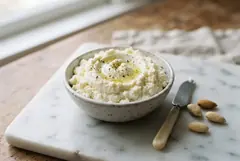 Almond RicottaMild, nutty, lemonyTry with: Roasted tomatoes
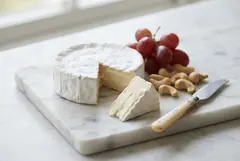 Vegan BrieRich, tangy, faintly mushroomyTry with: Fig jam
 Vegan Cream CheeseTangy, clean, spreadableTry with: Bagels
Tip See our best vegan cheese brands.
Cow, goat, sheep or buffalo? How milk changes the taste
Bright, tangy and lemony. Bright white, because goats turn the yellow pigment in grass into colorless vitamin A.
Chèvre, Humboldt Fog, BucheronRich, nutty and buttery. Sheep's milk has more fat and protein than cow's milk, so the cheese tastes rich even when young.
Manchego, Pecorino Romano, RoquefortVery rich, sweet and creamy. Mostly used for mozzarella di bufala.
Fresh mozzarella, some burrataThe best cheese for the job
Gruyère · Fontina · Raclette · Monterey Jack · Havarti · Mozzarella (Low-Moisture) · Oaxaca · American Cheese
Parmigiano-Reggiano · Grana Padano · Pecorino Romano · Asiago · Parmesan (Domestic) · Ricotta Salata
Feta · Cotija · Queso Fresco · Fresh Chèvre (Goat Cheese) · Danish Blue · Maytag Blue
Halloumi · Paneer · Queso Blanco · Juustoleipä (Bread Cheese)
Cream Cheese · Boursin · Mascarpone · Ricotta · Stracciatella · Harbison
Havarti · Gouda (Young) · Colby Jack · Baby Swiss · Brie · Jarlsberg
Humboldt Fog · Morbier · Mimolette · Tête de Moine · Drunken Goat · Burrata
If you like this, try that
Each row goes from easy to bold. Find a cheese you already like and take one step right.
Want a slower climb? Our 12 cheeses from mild to strong takes it one step at a time, and 15 cheeses most people have never tried picks up where this leaves off.
Words you'll see on the label
| Word | What it means |
|---|---|
| Rind | The outside of the cheese. Bloomy and washed rinds are edible. Skip wax, cloth and very hard rinds. |
| Paste | The inside of the cheese. |
| Bloomy rind | A white, fuzzy mold rind, like on Brie. |
| Washed rind | A sticky orange rind washed in brine, beer or wine, like on Taleggio. |
| Natural rind | A rind that forms by itself as the cheese dries, like on Tomme de Savoie. |
| Pasta filata | "Stretched curd": the curd is heated and stretched. Mozzarella, provolone, Oaxaca, string cheese. |
| Raw milk | Unpasteurized. In the US, raw-milk cheese has to be aged at least 60 days. |
| PDO / DOP / AOP | A protected name. It must be made in one region, by set rules. Parmigiano-Reggiano, Roquefort and Manchego are examples. |
| Crystals | Crunchy white bits in aged cheese: harmless crystals of amino acids or calcium lactate that form with age. Not mold. |
Good to know
- Pregnant? In the US, most cheese made with pasteurized milk is fine, but be careful with soft Latin-style cheeses like queso fresco. See which cheeses are safe during pregnancy.
- Lactose: Long-aged hard cheeses like Parmigiano-Reggiano, aged cheddar and Aged Gouda have very little lactose. Most of it drains off with the whey, and aging breaks down what's left.
- Serving: Take hard cheese out of the fridge 45 to 60 minutes before serving and soft cheese 20 to 30 minutes before. Cold cheese tastes muted. Here's how to cut each shape.
- Storing: Wrap it in cheese paper or wax paper, not tight plastic. See how to store cheese and whether you can freeze it.
Sources
- Wisconsin Cheese: Different Types of Cheese
- Cheese Reporter: Per capita cheese consumption in 2024 (USDA data)
- eCFR: 21 CFR Part 133, Cheeses and related cheese products
- CDC: Preventing Listeria Infection
FAQ
How many types of cheese are there?
There's no official count. By some estimates there are more than 1,800, according to Wisconsin Cheese. Nearly all of them fit into 8 families: fresh, soft-ripened, semi-soft, firm, hard, blue, washed-rind and flavored. Once you know the family, you can roughly guess how a new cheese will taste.
What are the main types of cheese?
Fresh (ricotta, mozzarella, feta), soft-ripened (Brie, Camembert), semi-soft (Havarti, Monterey Jack), firm (cheddar, Gruyère, Manchego), hard (Parmigiano-Reggiano, Pecorino Romano), blue (Gorgonzola, Stilton), washed-rind (Taleggio, Époisses) and flavored or specialty (smoked Gouda, truffle cheese).
What is the most popular cheese in the US?
Mozzarella. Americans ate about 12.5 pounds of mozzarella per person in 2024, compared with 10.9 pounds of cheddar, according to USDA data reported by Cheese Reporter. Pizza is a big reason why.
What is the difference between soft and hard cheese?
Mostly water and time. Soft cheeses keep more moisture and are eaten young, so they taste milky and mild. Hard cheeses are pressed to remove whey and aged for months or years, so they're drier, saltier and more intense, and they keep much longer.
What are the mildest cheeses?
Fresh mozzarella, ricotta, Havarti, young Gouda, Colby Jack, Monterey Jack, Baby Swiss and Brie are the mildest common cheeses. They're the safest picks for kids and picky eaters.
What cheese melts best?
Gruyère, Fontina, Raclette, Monterey Jack, Havarti, low-moisture mozzarella, Oaxaca and American cheese melt the smoothest. Halloumi, paneer and queso blanco barely melt at all, which is why you can grill or fry them.
Which cheeses smell strong but taste mild?
Washed-rind cheeses. Taleggio, Limburger and Pont-l'Évêque smell much stronger than they taste. The smell comes from bacteria on the rind, and the inside is usually buttery and mild.