Quick Answer: The only difference between white and orange cheddar is color. Orange cheddar has annatto added, a natural coloring made from the seeds of the achiote tree, used in amounts so small it doesn't change the flavor. Cheddar is naturally ivory to pale yellow. What actually makes one cheddar taste better than another is age, and to a lesser degree the milk and the maker. If you're choosing for a board, buy by age, not color.
White vs. orange cheddar at a glance
| White cheddar | Orange cheddar | |
|---|---|---|
| Color | Natural ivory to pale yellow | Orange from annatto |
| Flavor from color | None | None you can taste |
| Nutrition | Same | Same |
| Where it's common | Vermont, New England, the UK, Canada | Wisconsin, the Midwest, most supermarket cheese |
| Sharpness | Depends on age | Depends on age |
| Melts | The same | The same |
Why is cheddar orange at all?
The habit goes back centuries in England. Cows grazing on fresh summer grass make milk with more beta-carotene, which gives cheese a golden color. Cheese made from winter milk, or from milk with some of the cream skimmed off, came out paler. Cheesemakers started adding color so their cheese would look like the rich summer kind, and buyers came to expect it.
The tradition crossed the Atlantic. Many Midwestern cheesemakers kept the orange, while New England makers mostly didn't. Today the color is a regional habit and a marketing choice, not a quality signal.
What actually changes the taste: age
Cheddar gets sharper, drier and more complex the longer it ages. US labels don't have legal definitions for these words, but as a rough guide:
- Mild: a few months. Soft, creamy, milky.
- Sharp: often around 6 to 12 months. Tangier and firmer.
- Extra sharp: often a year or more. Crumbly and bold.
- Aged 2 years and up: dry, intense and often studded with crunchy tyrosine crystals, the little white specks people mistake for salt.
The best labels list the age in months or years. "Sharp" alone tells you less.
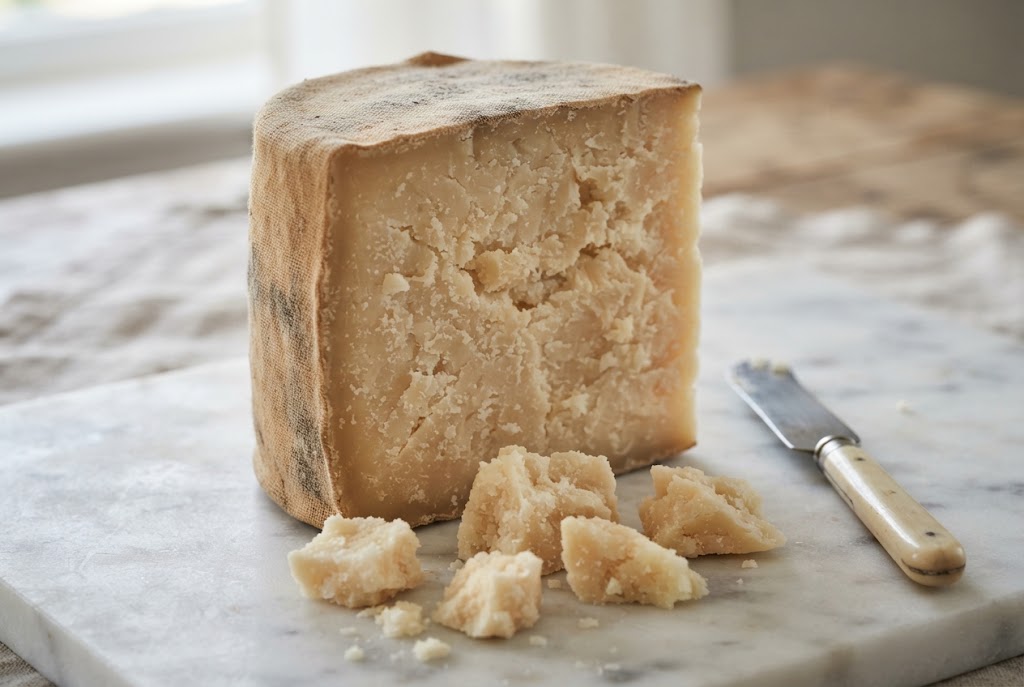
Clothbound cheddar is the other flavor upgrade. These wheels are wrapped in cloth and aged where they can breathe, so they taste earthier and nuttier than the plastic-sealed blocks.
Which is better on a charcuterie board?
Either color, as long as it's aged. An aged white cheddar and an aged orange cheddar of the same age will taste about the same. Some hosts like one of each on the same board because the colors look good together.
Aged cheddar pairs with:
- Fruit: tart apples, pears and dried cherries.
- Sweet: apple butter, onion jam, bacon jam or mango chutney.
- Sharp: grainy mustard and cornichons.
- Drinks: cider, an IPA or a bold red like Cabernet or Zinfandel.
Cut aged cheddar into rough chunks rather than neat slices, because it crumbles. Take it out of the fridge 45 to 60 minutes before serving so the flavor opens up.
Does annatto matter for anyone?
For nearly everyone, no. A small number of people react to annatto, so if a guest has a known annatto sensitivity, white cheddar is the easy choice. Read the label: annatto is always listed as an ingredient.
How much to buy
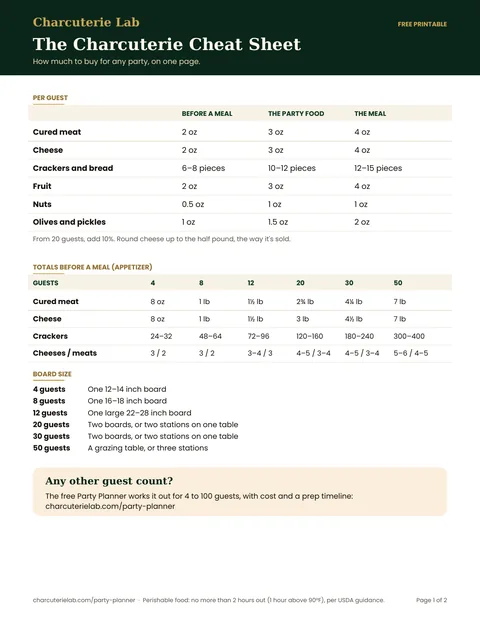
Plan on 2 oz of cheese per guest before a meal, 3 oz when the board is the party food and 4 oz when it's dinner. Cheddar is usually one of two or three cheeses in that total.
Which should you buy?
- For a board: aged cheddar, 12 months or older, either color.
- For contrast: one white and one orange aged cheddar, side by side.
- For mac and cheese or melting: a younger sharp cheddar.
- For a splurge: a clothbound cheddar from a cheese counter.
Our ranking of the best cheddar brands covers the ones worth buying, from supermarket blocks to cheese-counter wheels.