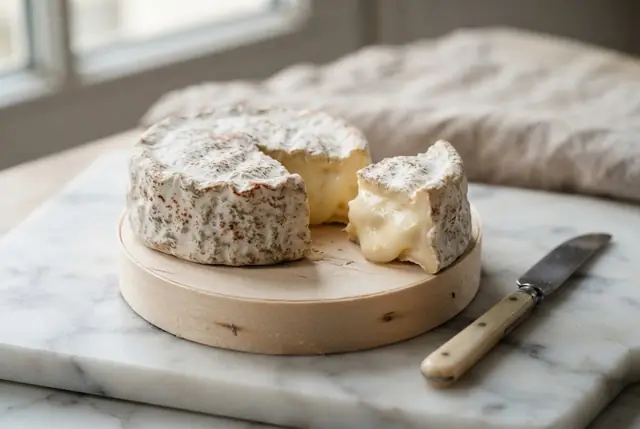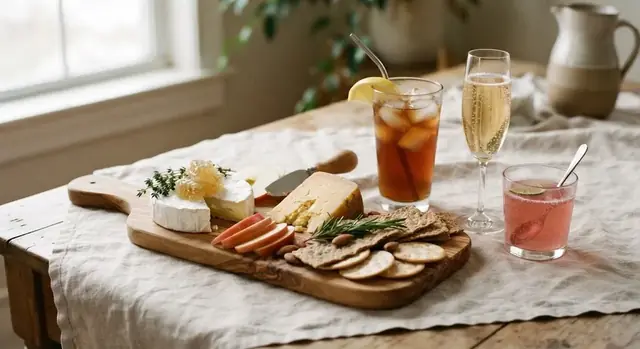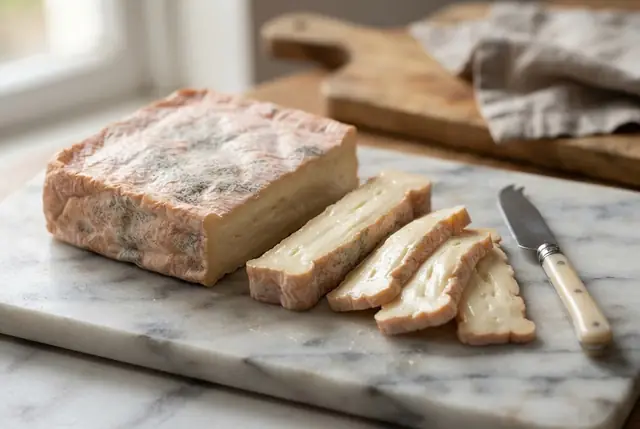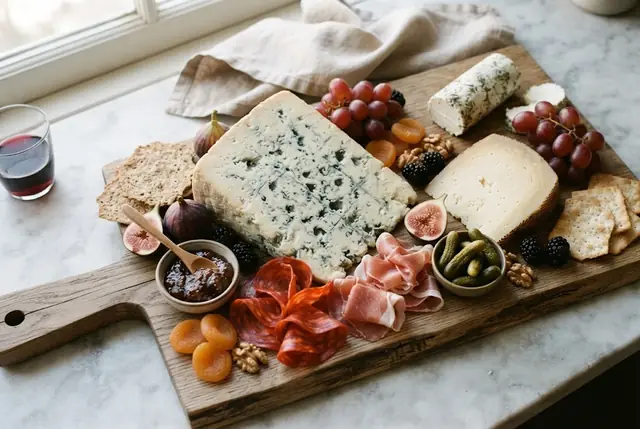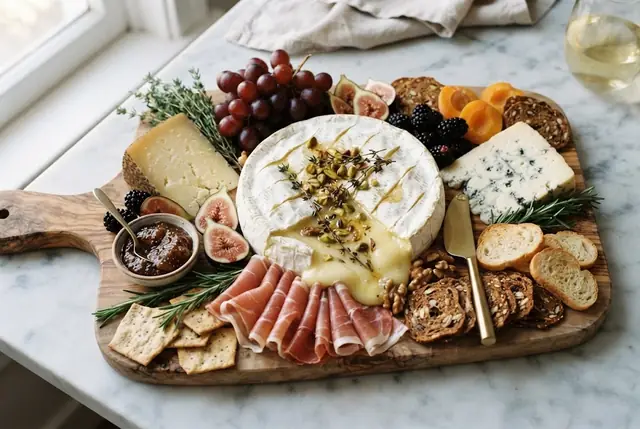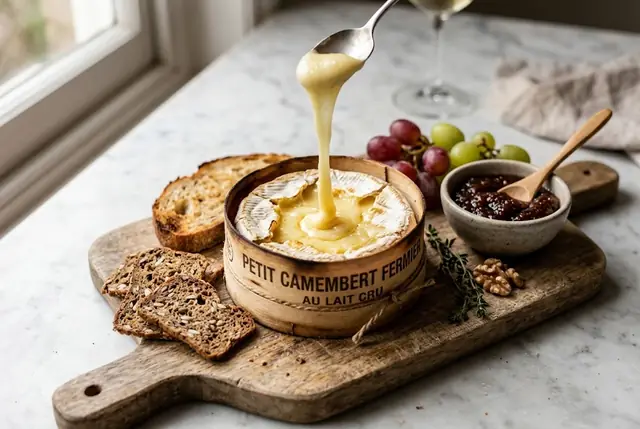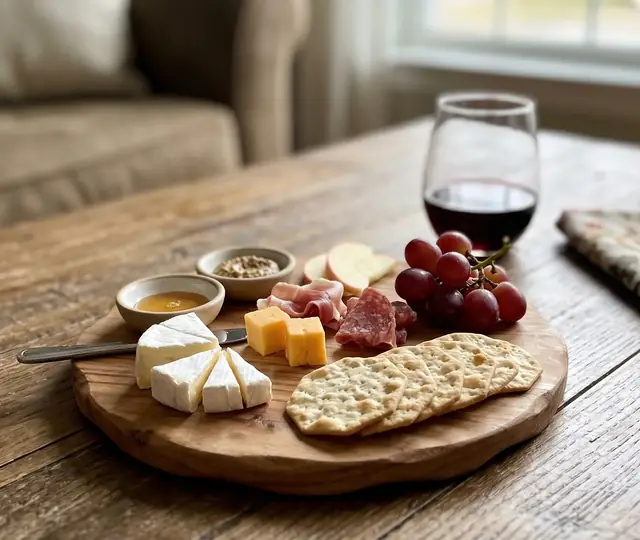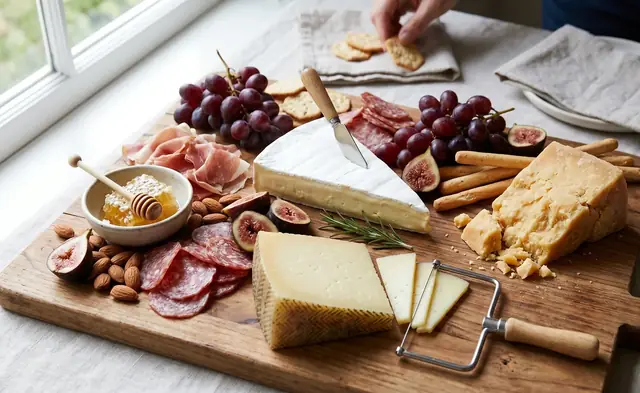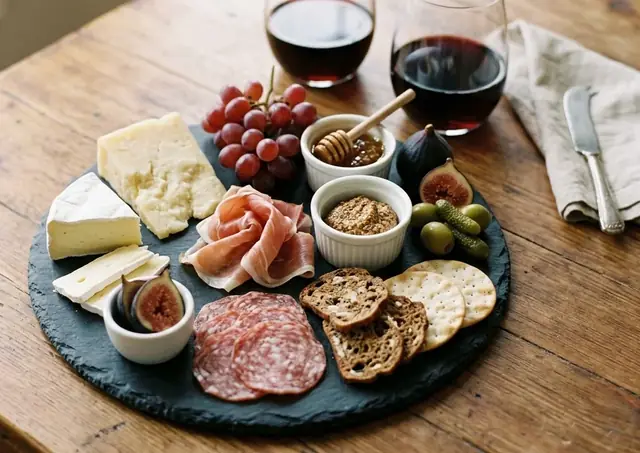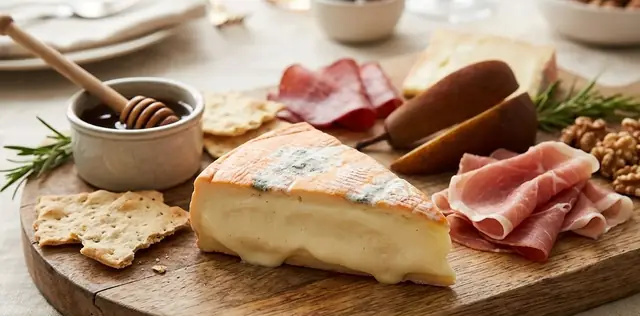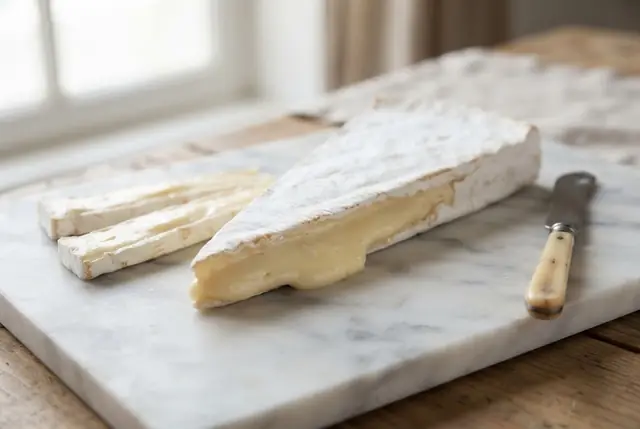
Can You Eat Brie Rind? Yes, and Here's When Not To
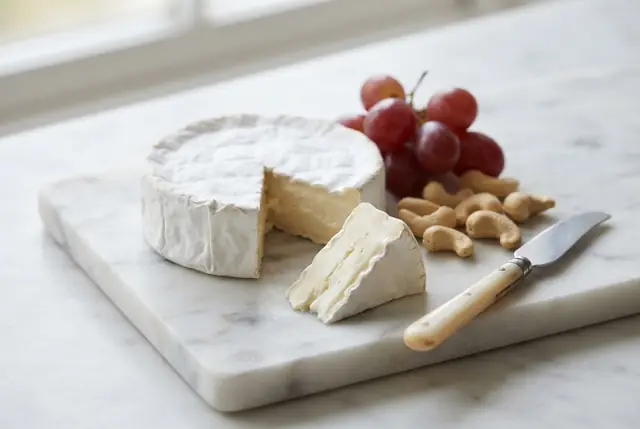
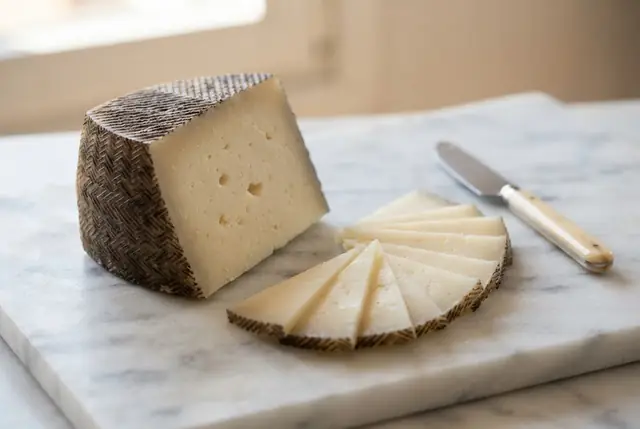
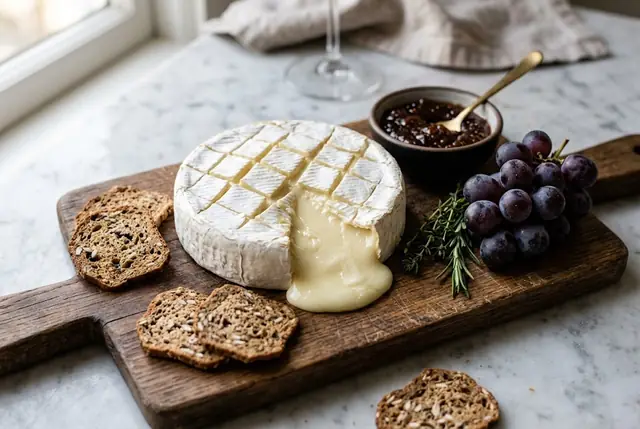
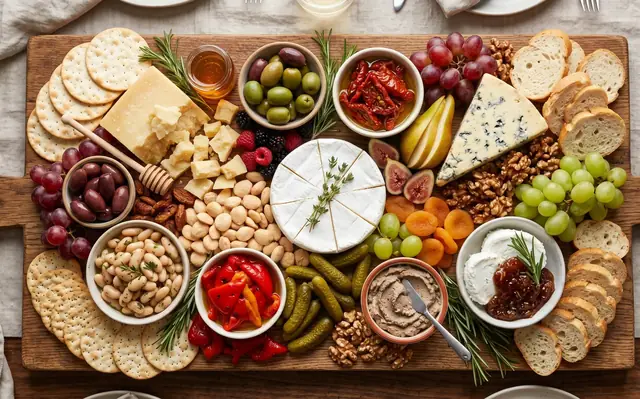
Yes, brie rind is edible: a white mold added on purpose. What it tastes like, when not to eat it (ammonia, colored mold, pregnancy) and how to serve it.
Daily Lab Report
Pairing science, ingredient deep dives, budget boards, and the little details that make a board work.
Yes, brie rind is edible: a white mold added on purpose. What it tastes like, when not to eat it (ammonia, colored mold, pregnancy) and how to serve it.
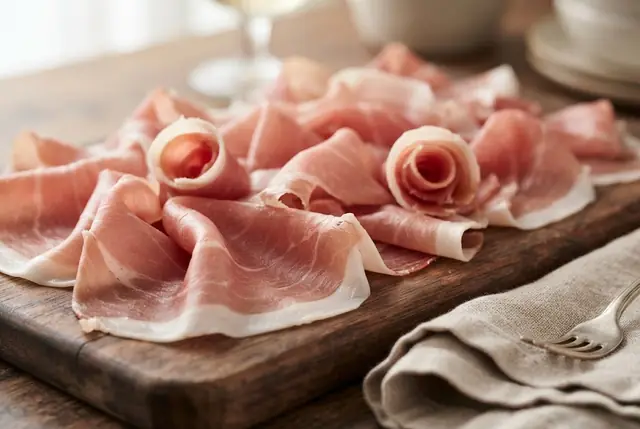
Can you eat prosciutto while pregnant? Not cold: the CDC and NHS say heat it until steaming hot. Why, safe ways to eat it, and pregnancy-safe board swaps.
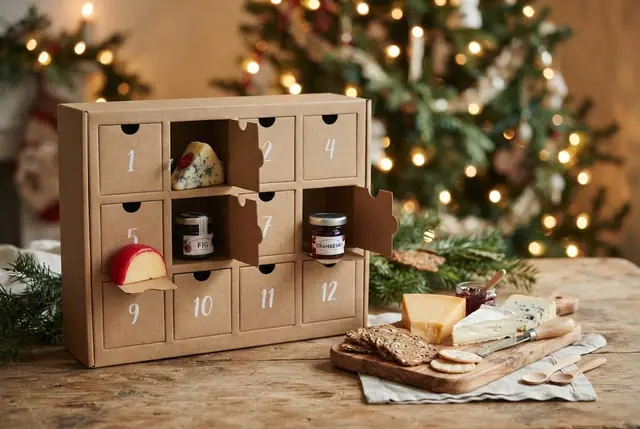
Cheese advent calendars 2026: Murray's, Williams Sonoma, Bonne Maman and more, with what's inside and prices, plus Aldi and Tillamook updates and a DIY...
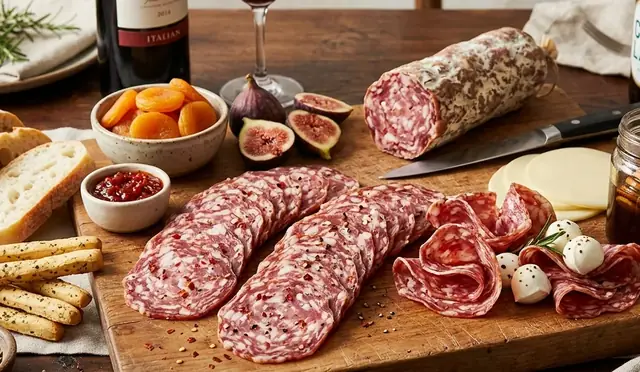
Soppressata vs pepperoni: a coarse, pressed Italian salami vs a fine, smoked American one. Which is spicier, which is better on pizza, and which to put...
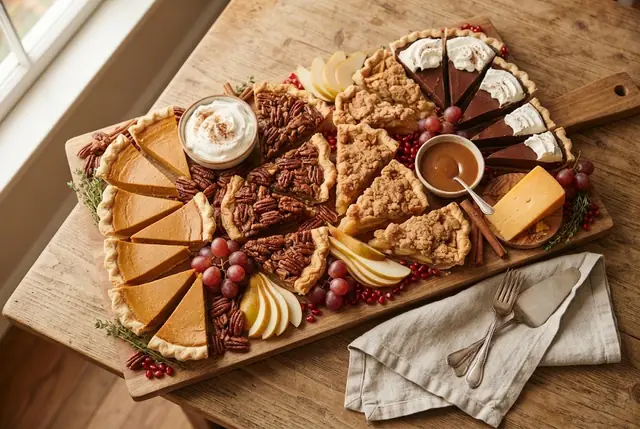
How to build a Thanksgiving pie board: which pies to pick, how many for 8 to 30 guests, how to cut slim wedges, the toppings to add, and the food-safety...
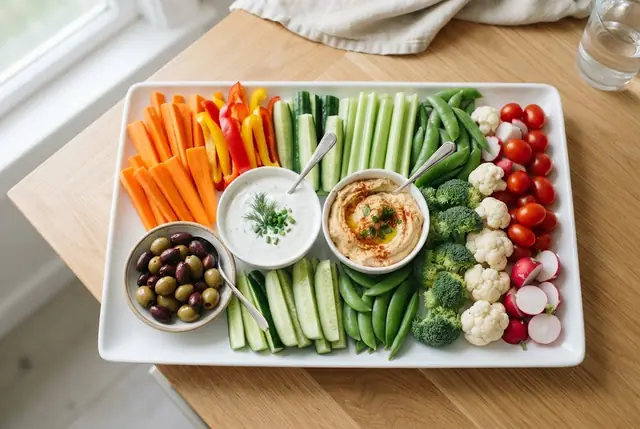
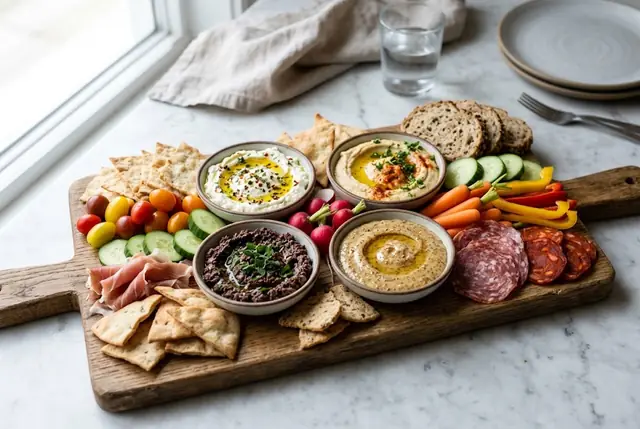
Veggie tray ideas: the best vegetables and dips, how much to buy for 8 to 30 guests, how to arrange it by color, what to prep the day before, and 5 them...
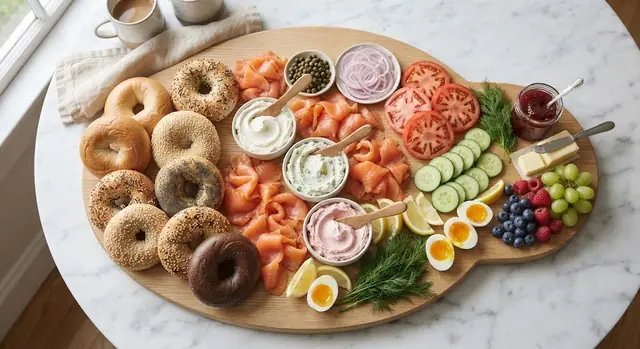
Bagel board guide: bagels, cream cheese, lox and toppings per person, a shopping list for 6, 12 or 20 guests, how to lay out a bagel bar, sweet and savo...
The best Camembert to buy for a charcuterie board: Marin French Cheese Co. for flavor, Président for easy finding, plus how to pick a ripe wheel and why...
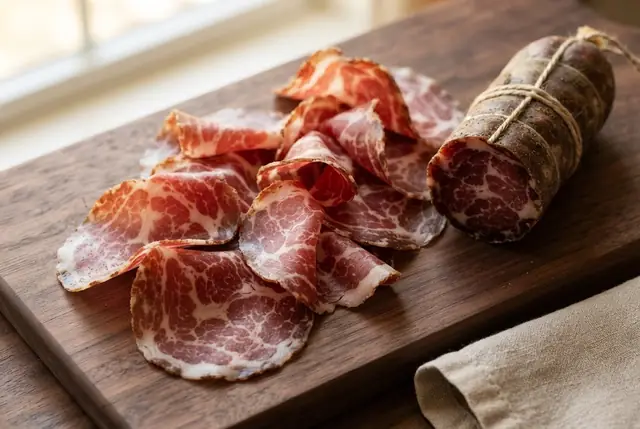
The best capicola and coppa for a charcuterie board: dry-cured Volpi or Columbus coppa, Boar's Head Hot Capocollo at the deli, and how to tell cured cop...
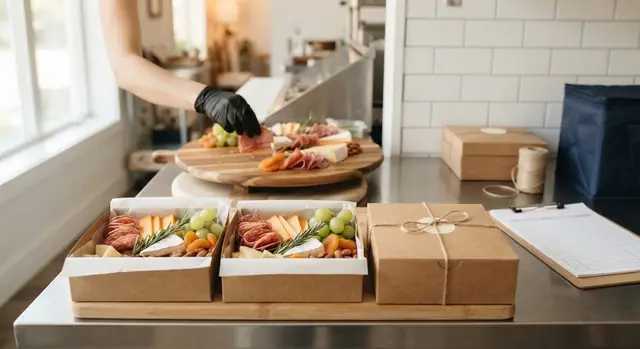
The best charcuterie gift boxes, ranked: Harry & David's meat and cheese box is our top pick, Boarderie is the best ready-to-serve board, and Swiss Colo...
The best Havarti to buy for a charcuterie board: Buholzer Brothers, which swept the 2025 US Championship Havarti class, Castello for easy finding, and t...
What to buy at Lidl for a charcuterie board: 24-month Parmigiano Reggiano, vintage Irish cheddar, Greek feta, blue cheese-stuffed olives, olive tapenade...
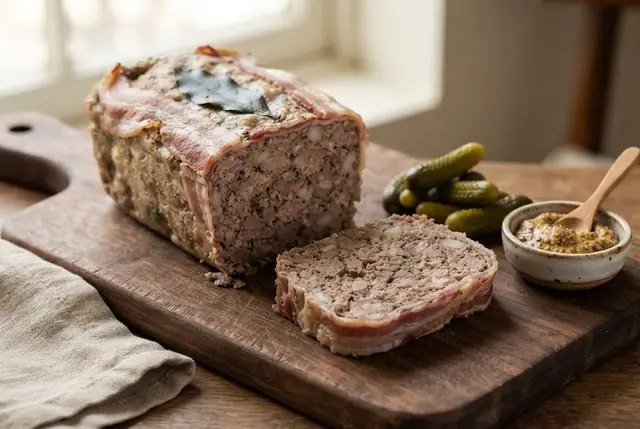
The best store-bought pâté for a charcuterie board: Les Trois Petits Cochons, Alexian pâté de campagne and duck mousse, how much to buy, how to serve it...
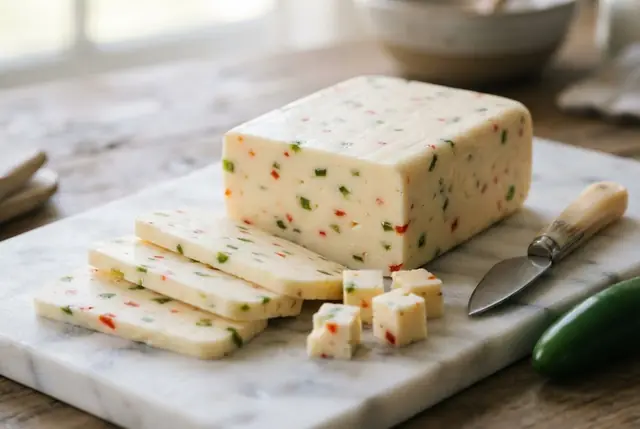
The best pepper jack for a charcuterie board, ranked: Cabot Pepper Jack is our top pick. Star ratings, a mild pick, a very hot pick and an organic pick,...
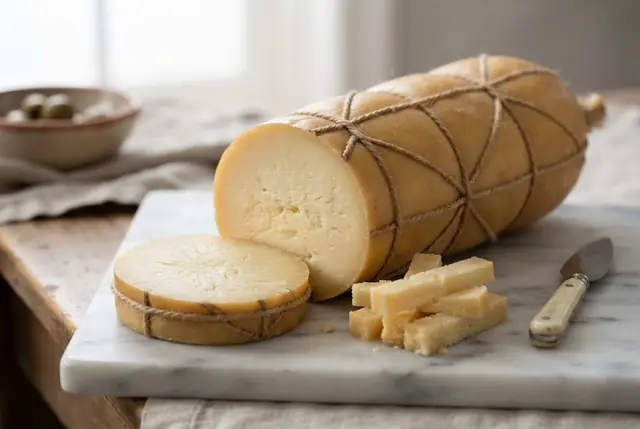
The best provolone for a charcuterie board, ranked: Boar's Head Picante Provolone is our top pick. Star ratings, a smoky pick and a value pick, and why.
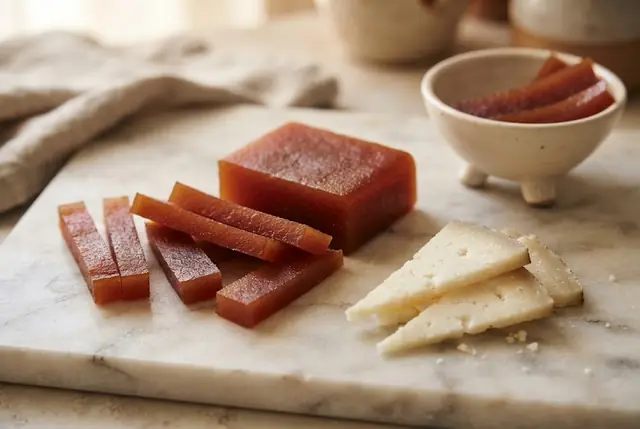
The best quince paste (membrillo) for a charcuterie board: Mitica for easy finding, Murray's Membrillo from Málaga, how to serve it with Manchego and ho...
The best Safeway and Albertsons items for a charcuterie board, ranked: Laura Chenel goat cheese, Primo Taglio mozzarella, provolone and pepperoni, and t...
The best sparkling cider for a charcuterie board, ranked: Martinelli's Sparkling Cider is our top pick. Star ratings, a dry pick and a spiced holiday pi...
What to buy at Sprouts for a charcuterie board: store-brand sliced cheeses shoppers love, sea salt pita crackers, grain-free crackers for gluten-free gu...
The best Trader Joe's items for a charcuterie board, ranked: Salame di Parma, the Spanish Charcuteria pack, Raisin Rosemary Crisps, Fig Butter and Rosem...
The best Wegmans items for a charcuterie board, ranked: the 18-month aged Gouda, award-winning cave-aged cheeses like Truffle Shuffle and Professor's Br...
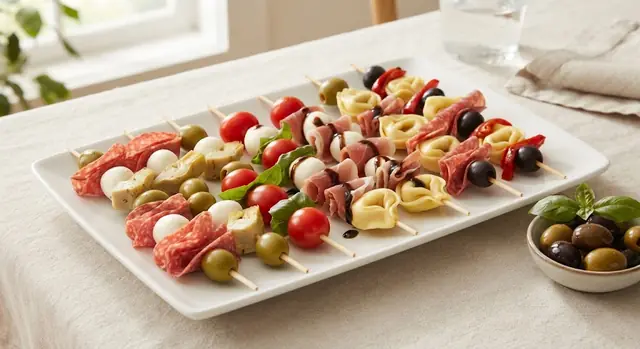
Charcuterie skewers guide: 8 tested flavor combinations from antipasto to caprese and tortellini, how many per guest, shopping list for 25, 50 or 100 sk...
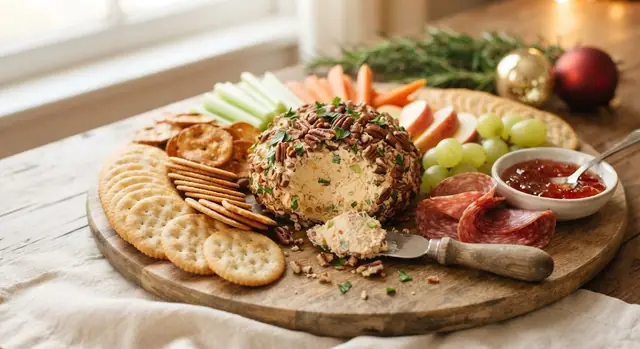
Classic cheese ball recipe: cream cheese, sharp cheddar, green onion and toasted pecans, ready in 15 minutes plus chilling. Six variations, holiday shap...
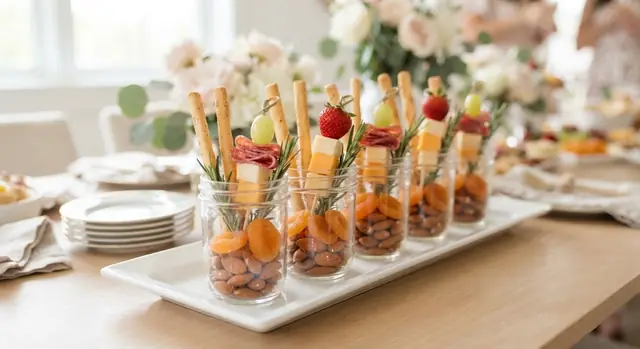
Jarcuterie guide: what to put in a charcuterie jar, the best jar size, the layering order, a shopping list for 12, 24 or 50 jars, themed ideas for showe...
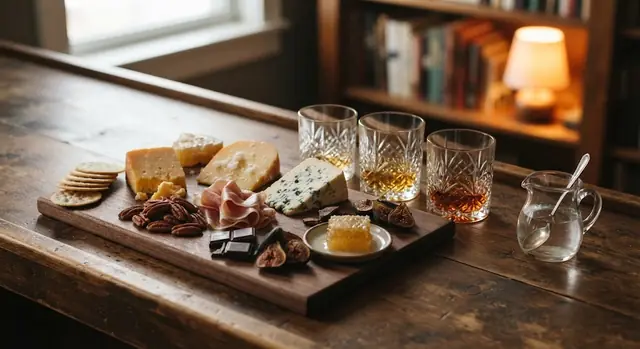
Whiskey and cheese pairing guide: the best cheeses for bourbon, rye, peated and unpeated Scotch, and Irish whiskey, plus meats, nuts and chocolate to ad...
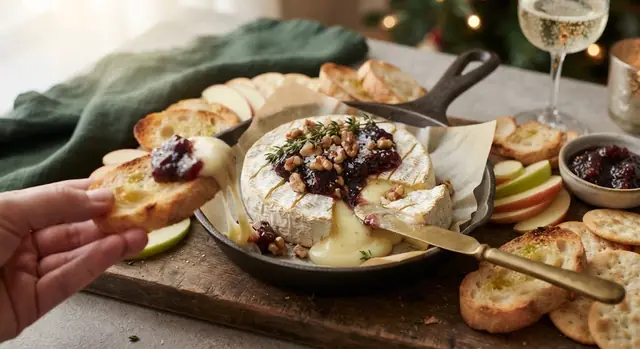
Baked brie recipe: easy baked brie at 350°F in 10 to 15 minutes, baked brie in puff pastry at 400°F, 12 toppings from fig jam and honey to cranberry and...
The best H-E-B items for a charcuterie board, ranked: Kerrygold aged cheddar, H-E-B fresh guacamole, Sartori SarVecchio, H-E-B triple crème brie, Post O...
The best Kroger items for a charcuterie board, ranked: Murray's Stockinghall Cheddar, brie, Estate Gouda and Parmigiano lead, plus Private Selection smo...
The best Publix items for a charcuterie board, ranked: Boar's Head Parmigiano Reggiano, Publix Deli Vintage Gouda, honey goat cheese, French brie, herb-...
The best Sam's Club items for a charcuterie board, ranked: Member's Mark Manchego and Parmigiano Reggiano lead, plus the Charcuterie Entertainment Tray,...
The best Target items for a charcuterie board, ranked: Good & Gather onion dip, fig and olive crisps, glazed pecans, everything crackers, the salami and...
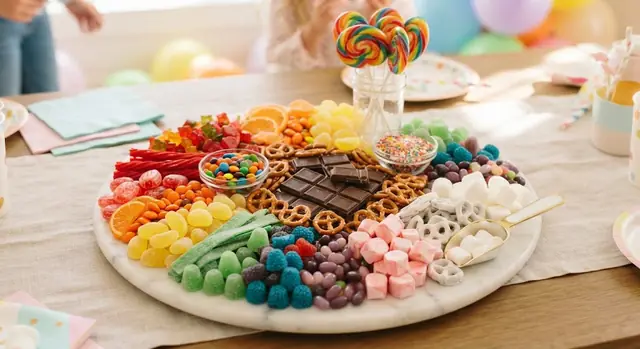
Candy charcuterie board guide: how much candy per person, a shopping list for 8, 12 or 20, the color-block layout step by step, holiday versions for Hal...
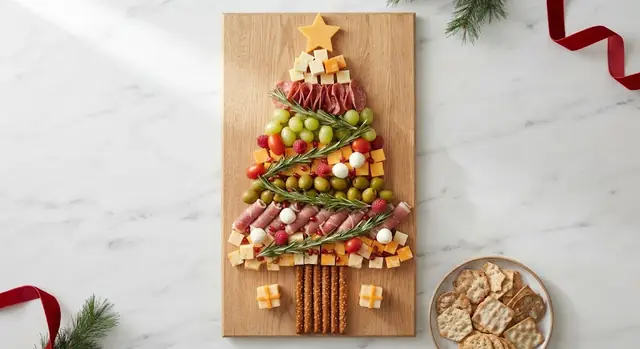
Christmas tree charcuterie board step by step: the triangle row layout, rosemary garland, cheese star topper and trunk, shopping list for 8, 12 or 20 gu...
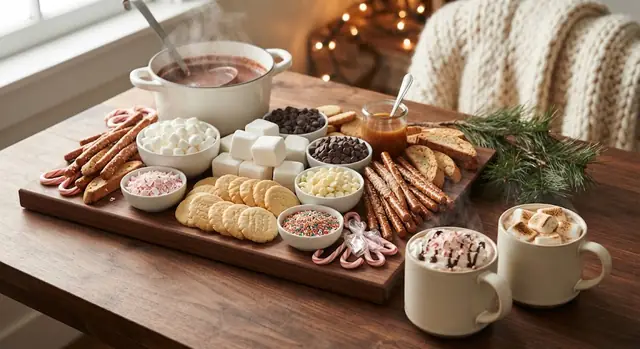
Hot cocoa board guide: how much hot chocolate per guest, a homemade slow cooker recipe, 25 toppings and dippers, a shopping list for 8, 12 or 20, how to...
How to start a charcuterie business: why most cottage food laws exclude meat and cheese boards, which licenses and insurance to ask about, how to price...
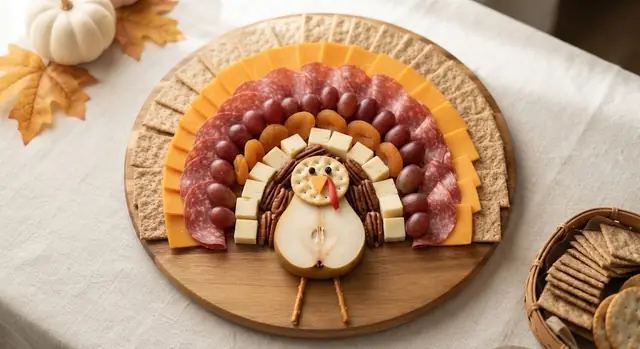
Turkey charcuterie board for Thanksgiving: step-by-step feather fan layout, what to use for the body, head and beak, shopping list for 8, 12 or 20 guest...
The best store-bought guacamole for a charcuterie board, ranked: Sabra Classic Guacamole is our top pick. Star ratings, a chunky pick and a bulk value p...
The best prosecco for a charcuterie board, ranked: Mionetto Prosecco Brut is our top pick. Star ratings, a value pick and a splurge pick, and why.
The best ranch dip for a charcuterie board, ranked: Marie's Creamy Ranch Dressing & Dip is our top pick. Star ratings, a dip-tub pick and a lighter pick...
The best salsa for a charcuterie board, ranked: Siete Mild Salsa is our top pick. Star ratings, a value pick and a refrigerated pick, and why.
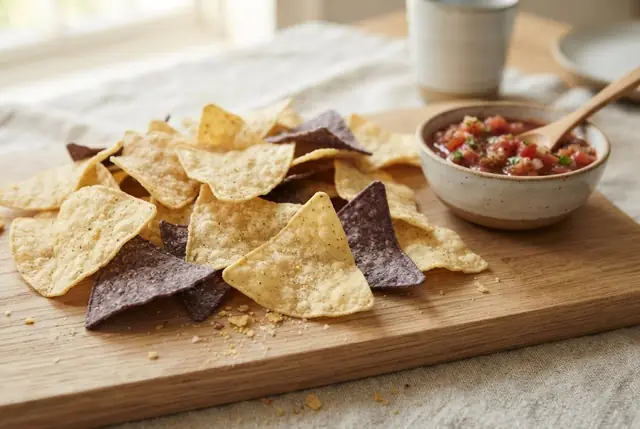
The best tortilla chips for a charcuterie board, ranked: On The Border Café Style is our top pick. Star ratings, an organic pick and a value pick, and why.
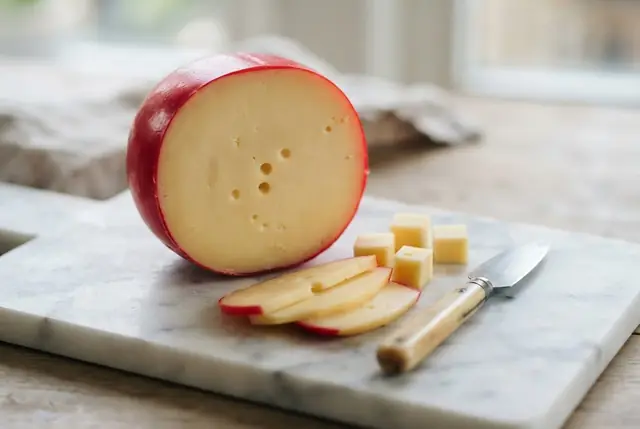
Gouda vs Edam: both Dutch, but Gouda uses whole milk and Edam partly skimmed milk, so Edam is firmer and milder. A side-by-side chart, pairings and whic...
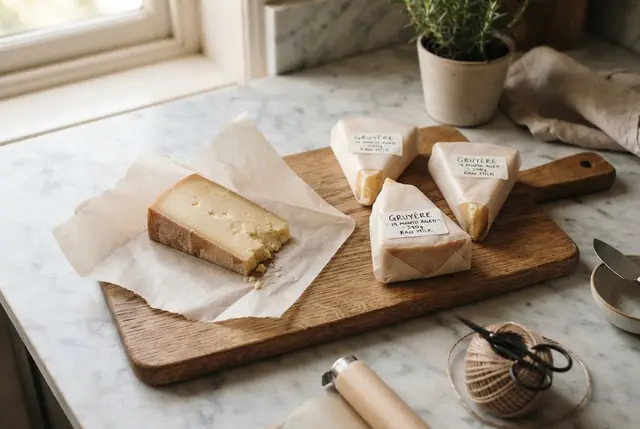
Gruyère vs Comté: both raw-milk alpine cheeses, but Swiss Gruyère is saltier and more savory while French Comté is fruitier and varies by season. Chart,...
Manchego vs pecorino: both sheep's milk, but Manchego is Spanish, nutty and mild while Pecorino Romano is Italian and much saltier. Chart, Pecorino Tosc...
Salami vs chorizo: both are cured pork sausages, but Spanish chorizo is seasoned with smoked paprika while salami uses garlic and pepper. Mexican choriz...
25 unique charcuterie ingredients you can actually buy: what each one is, why it works on a board, how much to serve, and where to find it.
White vs orange cheddar: the only difference is annatto, a seed-based coloring that adds almost no flavor. Why cheddar is dyed, what really changes tast...
The best butter for a charcuterie board, ranked: Kerrygold Pure Irish Butter (Salted) is our top pick. Star ratings, a best value and a splurge pick, an...
The best kettle chips for a charcuterie board, ranked: Cape Cod Original Sea Salt Kettle Cooked Chips is our top pick. Star ratings, a crunchiest pick a...
The best queso for a charcuterie board, ranked: Marketside Queso Blanco is our top pick. Star ratings, a jarred pick and a budget pick, and why.
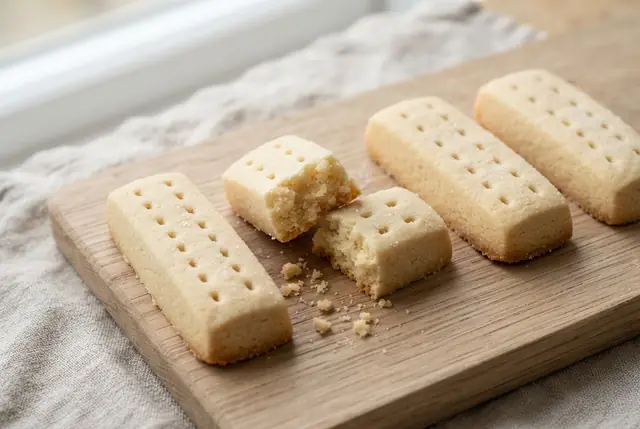
The best shortbread for a charcuterie board, ranked: Walkers Pure Butter Shortbread is our top pick. Star ratings, a best value and a splurge pick, and...
The best spinach dip for a charcuterie board, ranked: Marketside Spinach & Artichoke Dip is our top pick. Star ratings, a classic spinach pick and a ser...
The best strawberry jam for a charcuterie board, ranked: Bonne Maman Strawberry Preserves is our top pick. Star ratings, a best value and an organic pic...
The best string cheese for a charcuterie board, ranked: Frigo Cheese Heads String Cheese is our top pick. Star ratings, a cheddar-stick pick and an orga...
Brie vs Camembert: both soft, bloomy-rind French cheeses, but Camembert is smaller and stronger. A chart of the differences, plus which to bake and whic...
Mortadella vs bologna: same family, different sausage. What each is made from, how they taste, the rules behind them, and which one belongs on a charcut...
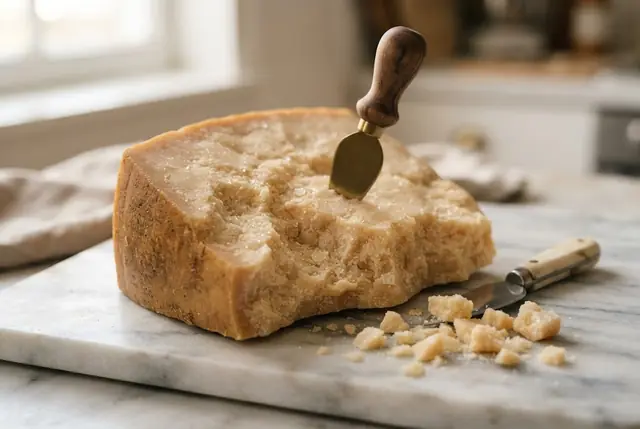
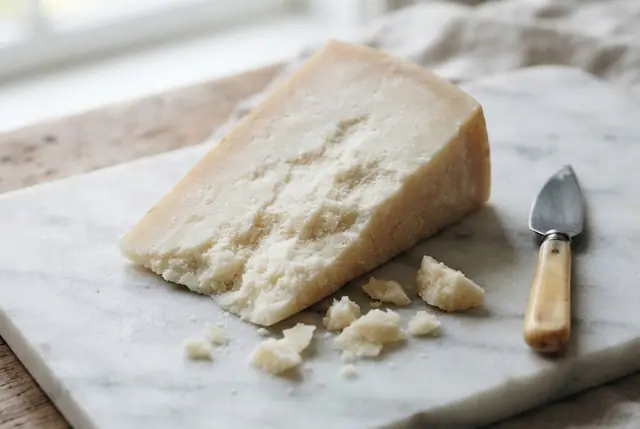
Parmesan vs Parmigiano-Reggiano vs Grana Padano: the rules, the aging, the taste and the price, plus which to put on a board and which to grate.
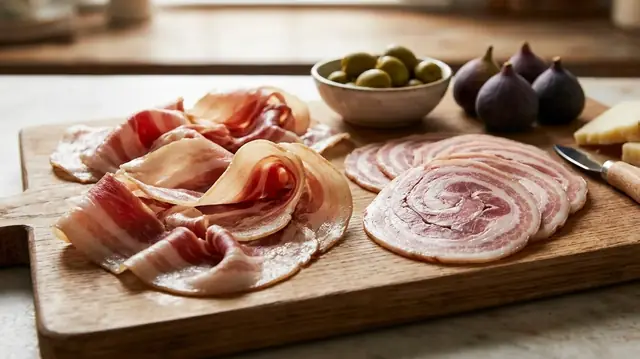
Prosciutto vs pancetta: different cuts, different cures and different jobs. A chart of the differences, which one you can eat uncooked, and which to buy.
Prosciutto vs serrano ham: Italian vs Spanish dry-cured ham, compared on taste, texture, aging and price, plus where jamón ibérico fits and which to put...
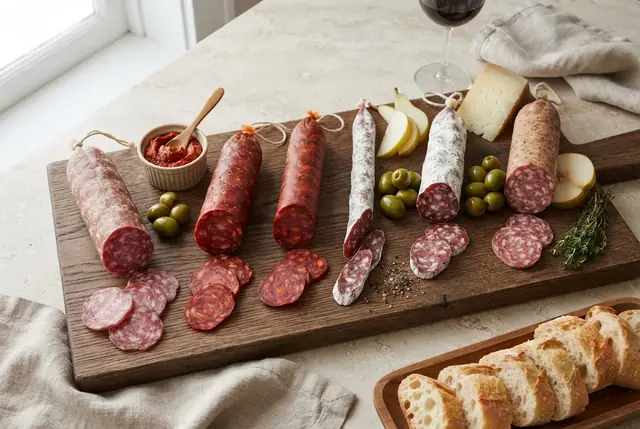
Soppressata vs salami: soppressata is a coarse-ground, pressed salami, often hot. A chart of the differences from Genoa and hard salami, plus pairings a...
The best cranberry sauce for a charcuterie board, ranked: Ocean Spray Jellied Cranberry Sauce is our top pick. Star ratings, a best-tasting pick and an...
The best cream cheese for a charcuterie board, ranked: Philadelphia Original Cream Cheese is our top pick. Star ratings, a best value and a splurge pick...
The best dark chocolate for a charcuterie board, ranked: Tony's Chocolonely Dark Chocolate 70% is our top pick. Star ratings, a best value and a splurge...
The best French onion dip for a charcuterie board, ranked: Heluva Good! French Onion Dip is our top pick. Star ratings, a short-ingredient pick and a st...
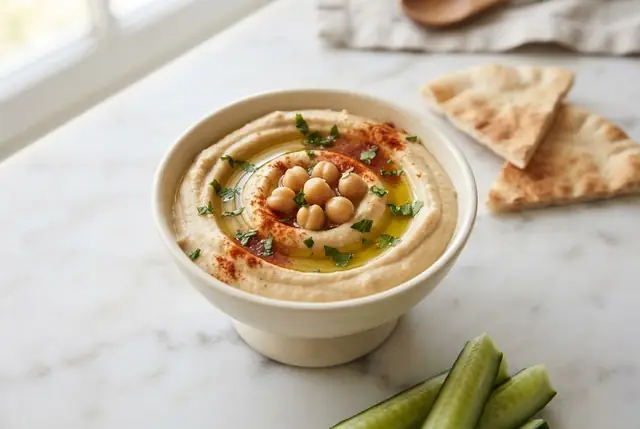
The best hummus for a charcuterie board, ranked: Cedar's Classic Original Hummus is our top pick. Star ratings, a best value and a splurge pick, and why.
The best meat sticks for a charcuterie board, ranked: Chomps Original Beef Stick is our top pick. Star ratings, a spicy pick and a smoked pick, and why.
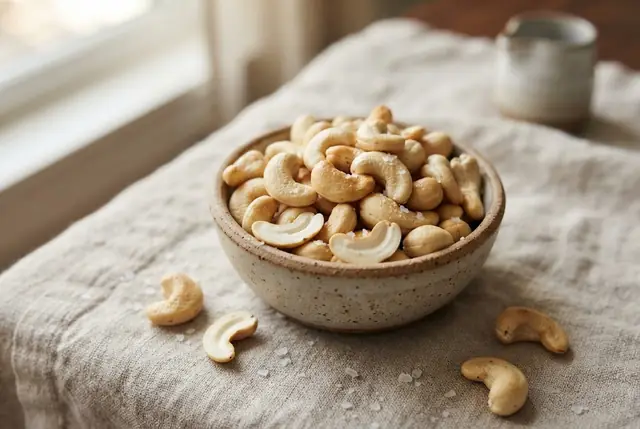
The best mixed nuts for a charcuterie board, ranked: Kirkland Signature Extra Fancy Salted Mixed Nuts is our top pick. Star ratings, a best value and a...
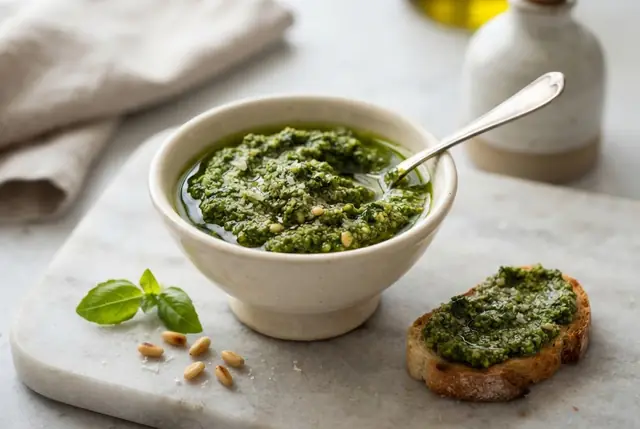
The best pesto for a charcuterie board, ranked: Kirkland Signature Basil Pesto is our top pick. Star ratings, a shelf-stable pick and a budget pick, and...
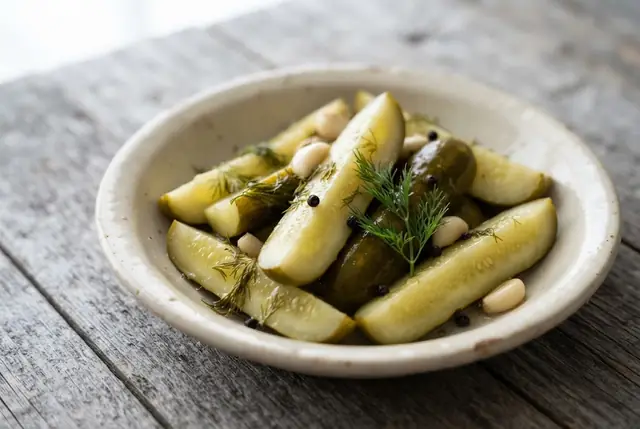
The best pickles for a charcuterie board, ranked: Mt. Olive Kosher Baby Dills is our top pick. Star ratings, a best value and a splurge pick, and why.
The best pimento cheese for a charcuterie board, ranked: MyThreeSons Emmy's Original Pimento Cheese is our top pick. Star ratings, a best value pick, an...
The best pita chips for a charcuterie board, ranked: Stacy's Simply Naked Pita Chips is our top pick. Star ratings, a best value and a dessert-board pic...
The best pretzels for a charcuterie board, ranked: Snack Factory Pretzel Crisps Original is our top pick. Star ratings, a best value and a splurge pick,...
The best smoked salmon for a charcuterie board, ranked: Kirkland Signature Smoked Salmon is our top pick. Star ratings, a best value and a splurge pick,...
The best Swiss cheese for a charcuterie board, ranked: Sargento Aged Swiss is our top pick. Star ratings, a best value and a splurge pick, and why.
The best balsamic glaze for a charcuterie board, ranked: Bertolli Balsamic Glaze is our top pick. Star ratings, a least-sweet pick, and why.
The best feta for a charcuterie board, ranked: Mt Vikos Traditional Feta is our top pick. Star ratings, a best value and a splurge pick, and why.
The best Gruyère for a charcuterie board, ranked: Emmi Kaltbach Le Gruyère AOP is our top pick. Star ratings, a best value and a pasteurized pick, and why.
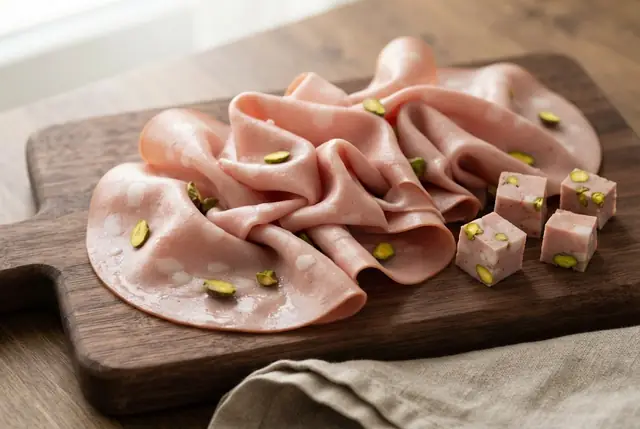
The best mortadella for a charcuterie board, ranked: Columbus Mortadella is our top pick. Star ratings, a pre-sliced pick and a splurge, and why.
The best vegan cheese for a charcuterie board, ranked: Boursin Dairy-Free Garlic & Herbs is our top pick. Star ratings, a best value and a splurge pick,...
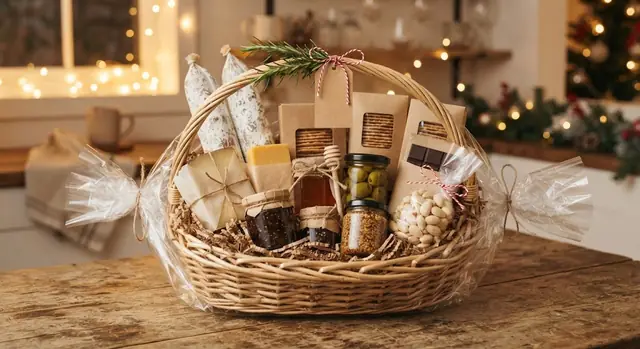
DIY charcuterie gift basket ideas for $25, $50 and $100 with full shopping lists, which meats and cheeses are shelf-stable, how to pack and ship it safe...
How much a charcuterie board costs: $3 to $5 per guest on a budget, $5 to $8 standard and $12 to $25 luxury, a price chart for 4 to 50 guests, what cate...
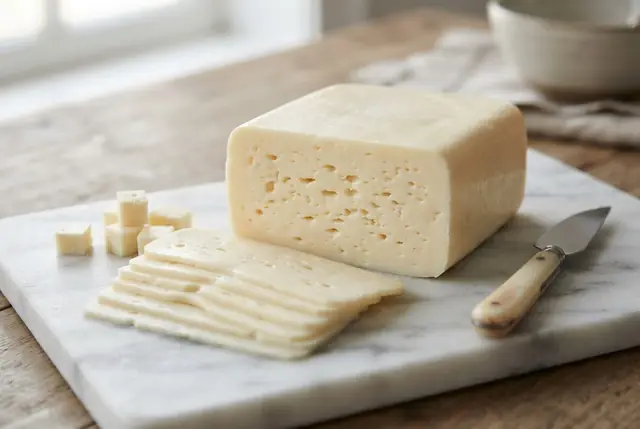
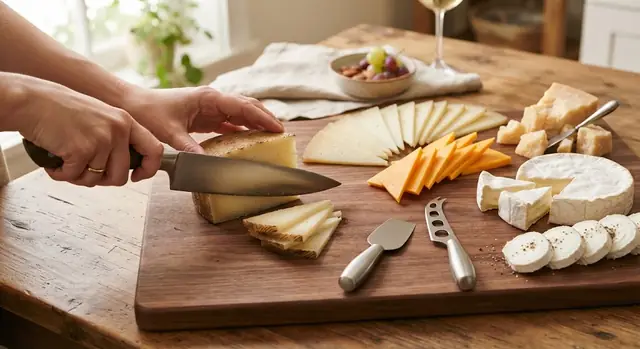
How to cut cheese for a charcuterie board, shape by shape: brie wheels, soft wedges, manchego triangles, cheddar blocks, parmesan chunks, goat cheese lo...
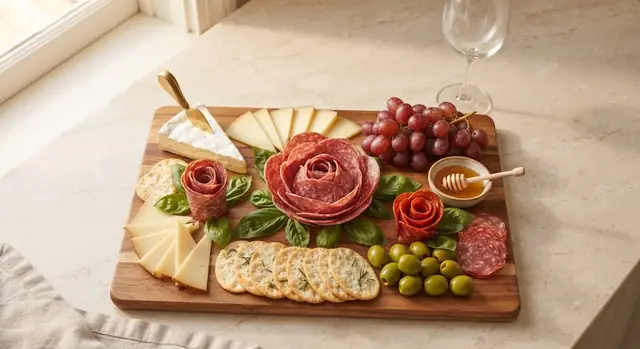
How to make a salami rose with a wine glass, step by step with photos: the best salami and slice size, 10 to 14 slices per rose, a no-glass method, fixe...
Can you eat charcuterie while pregnant? CDC and NHS guidance on cured meats, soft and raw-milk cheeses, smoked salmon and pâté, plus pregnancy-safe swap...
The best Aldi items for a charcuterie board, ranked: Not Your Average Cheddar, Le Gruyère, Double Crème Brie and Appleton Farms prosciutto lead. Ratings...
The best Costco items for a charcuterie board, ranked: Kirkland Manchego, Columbus salame, Crunchmaster and Carr's crackers lead. Ratings, prices and wh...
The best Trader Joe's cheeses for a charcuterie board, ranked: Unexpected Cheddar, 1000 Day Gouda and Toscano Soaked in Syrah lead. Ratings, prices and...
The best Walmart items for a charcuterie board, ranked: Marketside Parmigiano Reggiano, triple crème brie, Boursin and BellaVitano lead. Ratings, prices...
The best Whole Foods cheeses for a charcuterie board, ranked: Isigny double cream brie, Vermont Creamery Bijou and Pleasant Ridge Reserve lead. Ratings,...
How to make a butter board: amounts of butter and bread for 4, 8 or 12 guests, the best butter to use, six topping ideas (classic, hot honey, fig, every...
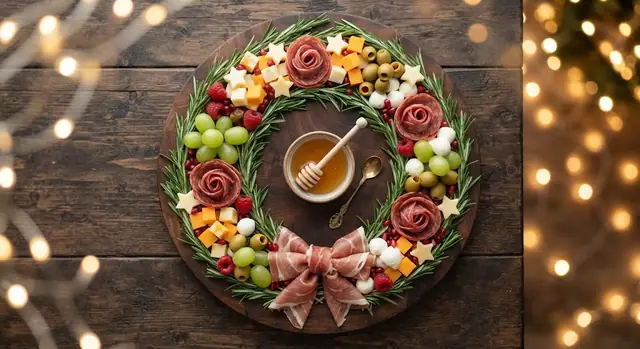
Christmas wreath charcuterie board: step-by-step ring layout, board sizes, shopping list for 8, 12 or 20 guests, red, green and white ingredients, a cap...
Costco charcuterie board shopping list for 20 guests: how much meat and cheese to buy, the Costco cheeses, salami, prosciutto, crackers and extras that...
How to make a Friendsgiving charcuterie board: shopping list for 8, 12 or 20 guests, cost per guest, fall cheeses, meats and swaps, a potluck sign-up sp...
Trader Joe's charcuterie board shopping list for 10 guests: which Trader Joe's cheeses, meats, crackers and extras to buy, how much of each, 2026 prices...
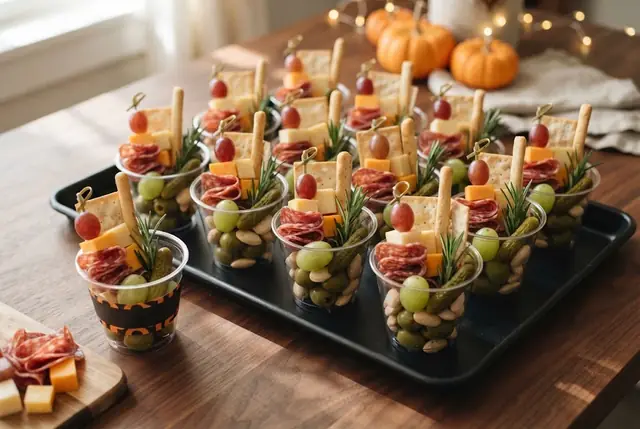
How to make charcuterie cups: what goes in one cup, a shopping list for 12, 24 or 50 cups, the layering order that keeps crackers crisp, Halloween, Chri...
The best blue cheese for a charcuterie board, ranked: Point Reyes Original Blue is our top pick. Star ratings, a best value and a splurge pick, and why.
The best brie for a charcuterie board, ranked: Fromager d'Affinois is our top pick. Star ratings, a best value and a splurge pick, and why.
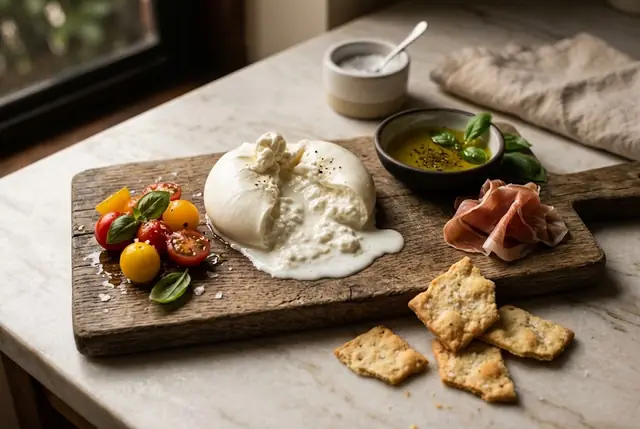
The best burrata for a charcuterie board, ranked: BelGioioso Burrata is our top pick. Star ratings, a best value and a splurge pick, and why.
All 70 Charcuterie Lab buying guides in one place: the best brands of cheese, cured meat, crackers, dips, pickles, nuts, chocolate and prosecco for a bo...
The best cheddar for a charcuterie board, ranked: Kerrygold Reserve Cheddar is our top pick. Star ratings, a best value and a splurge pick, and why.
The best crackers for a charcuterie board, ranked: Carr's Table Water Crackers is our top pick. Star ratings, a best value and a splurge pick, and why.
The best fig jam for a charcuterie board, ranked: Dalmatia Original Fig Spread is our top pick. Star ratings, a best value and a splurge pick, and why.
The best fresh mozzarella for a charcuterie board, ranked with star ratings: Primo Taglio Fresh Mozzarella is our top pick, plus best value and splurge.
The best gluten-free crackers for a charcuterie board, ranked with star ratings: Crunchmaster Multi-Seed Crackers is our top pick, plus best value and s...
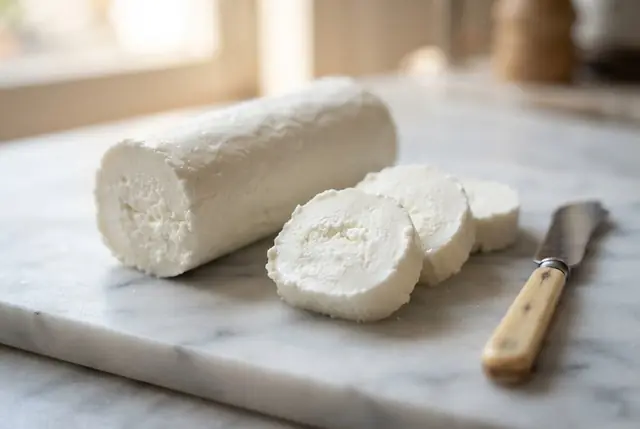
The best goat cheese for a charcuterie board, ranked with star ratings: Laura Chenel Original Fresh Goat Cheese is our top pick, plus best value and spl...
The best Gouda for a charcuterie board, ranked: Trader Joe's 1000 Day Gouda is our top pick. Star ratings, a best value and a splurge pick, and why.
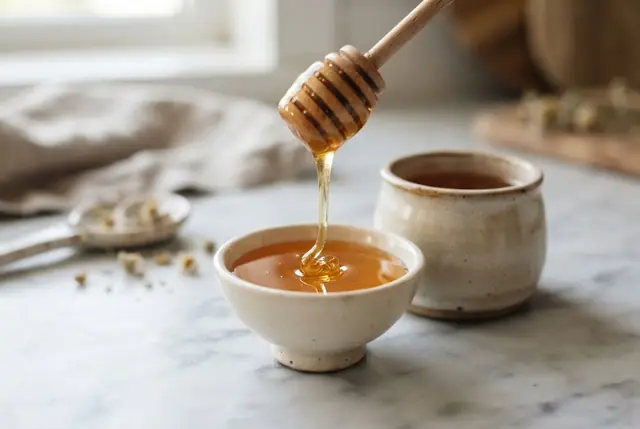
The best honey for a charcuterie board, ranked: Nature Nate's Raw & Unfiltered Honey is our top pick. Star ratings, a best value and a splurge pick, and...
The best hot honey for a charcuterie board, ranked: Mike's Hot Honey is our top pick. Star ratings, a best value and a splurge pick, and why.
The best Manchego for a charcuterie board, ranked with star ratings: Kirkland Signature Manchego DOP (6 months) is our top pick, plus best value and spl...
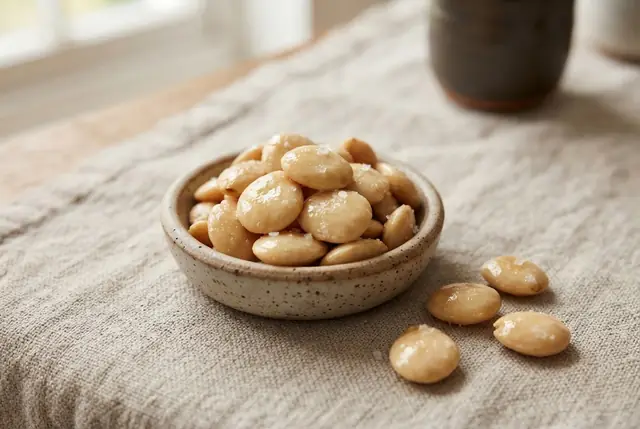
The best Marcona almonds for a charcuterie board, ranked with stars. Our top pick: Trader Joe's Roasted & Salted Rosemary Marcona Almonds.
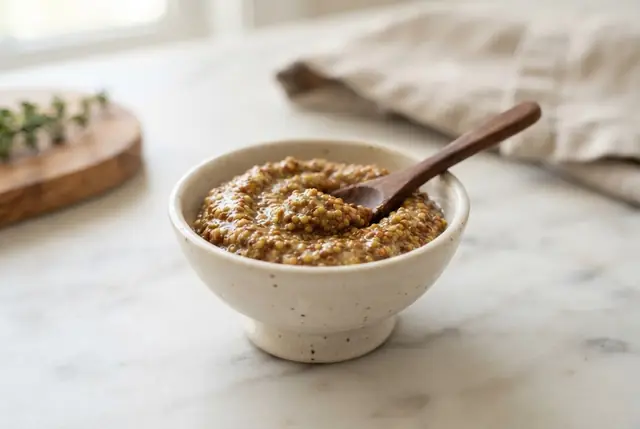
The best mustard for a charcuterie board, ranked: Maille Old Style Whole Grain Mustard is our top pick. Star ratings, a best value and a splurge pick, a...
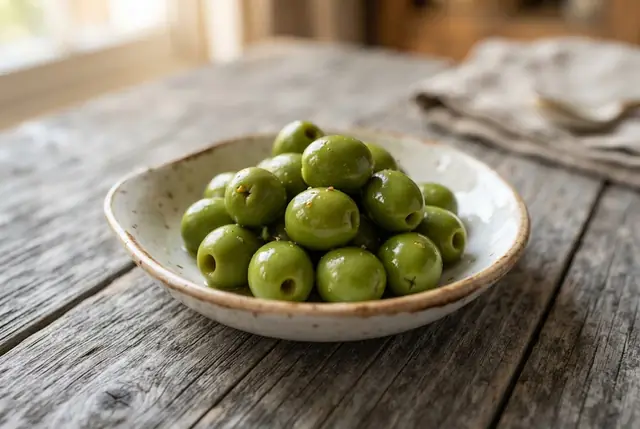
The best olives for a charcuterie board, ranked: Mezzetta Castelvetrano Olives is our top pick. Star ratings, a best value and a splurge pick, and why.
The best Parmesan for a charcuterie board, ranked: Boar's Head Parmigiano-Reggiano is our top pick. Star ratings, a best value and a splurge pick, and why.
The best pepper jelly for a charcuterie board, ranked: Braswell's Jalapeño Pepper Jelly is our top pick. Star ratings, a best value and a splurge pick,...
The best pepperoni for a charcuterie board, ranked: Boar's Head Pepperoni is our top pick. Star ratings, a best value and a splurge pick, and why.
The best prosciutto for a charcuterie board, ranked: Appleton Farms Prosciutto is our top pick. Star ratings, a best value and a splurge pick, and why.
The best salami for a charcuterie board, ranked: Olli Salumeria is our top pick. Star ratings, a best value and a splurge pick, and why.
The best soppressata for a charcuterie board, ranked: Brooklyn Cured Sweet Soppressata is our top pick. Star ratings, a best value and a splurge pick, a...
The best Spanish chorizo for a charcuterie board, ranked with star ratings: Palacios Chorizo (mild or hot) is our top pick, plus best value and splurge.
The best summer sausage for a charcuterie board, ranked with stars. Our top pick: Cloverdale Original Tangy Summer Sausage.
The best water crackers for a charcuterie board, ranked with star ratings: Carr's Table Water Crackers, Original is our top pick, plus best value and sp...
How to build a full charcuterie board for four people for about $20, with the shopping list, five budget rules and how to join the challenge and share y...
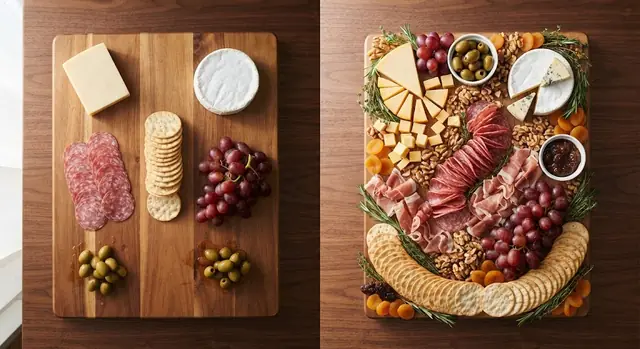
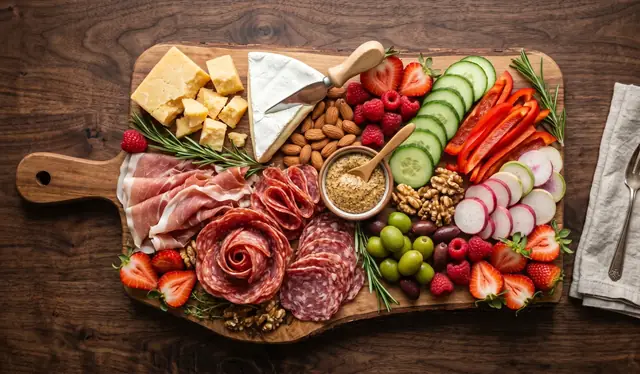
Three charcuterie boards styled twice with the same ingredients, plus the seven layout rules that turn a flat, crowded board into one people photograph.
Forty charcuterie board captions for Instagram, from cheesy puns to short classy lines, plus captions for date night, holidays and parties. Copy one and...
The ten most common charcuterie board mistakes, from cold cheese to soggy crackers, and the quick fix for each so your next board tastes as good as it l...
A printable charcuterie chart: how much meat and cheese to buy per guest, when to take cheese out of the fridge, what to pair and how long a board can s...
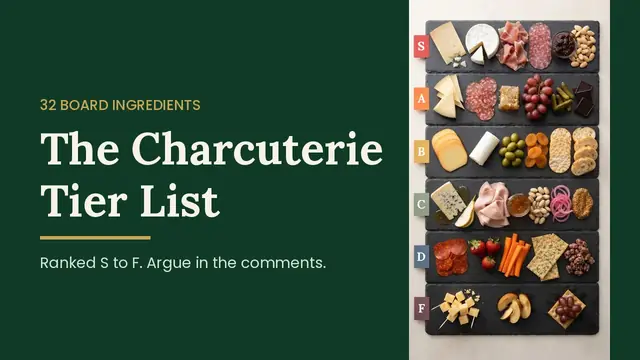
Thirty-two common charcuterie board ingredients ranked from S tier to F tier, with the reason for each spot. Agree, argue, then make your own tier list.
Twelve cheeses ranked from mild fresh mozzarella to pungent Époisses, with what makes each one stronger and how to build a board that climbs the ladder.
Fifteen cheeses that rarely make it onto a board, from Taleggio to Mimolette, with what each tastes like, where it comes from and one pairing to try it...
Fifteen holiday charcuterie boards for every party from Halloween to New Year's Day, with what to put on each one, how much to buy and what to make ahead.
Answer eight quick questions to find the charcuterie board that matches your personality, then get the shopping list and pairings to build it at home.
Use one blue cheese, 3 to 5 oz for 6 to 10 guests, at the board's edge with honey, figs, pear and walnuts. Which blue to buy and why the pairings work.
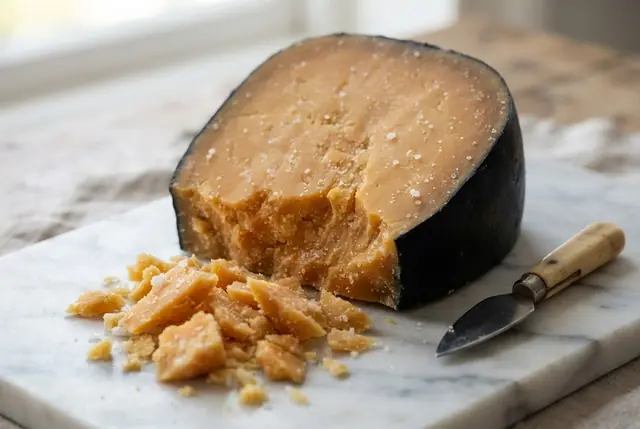
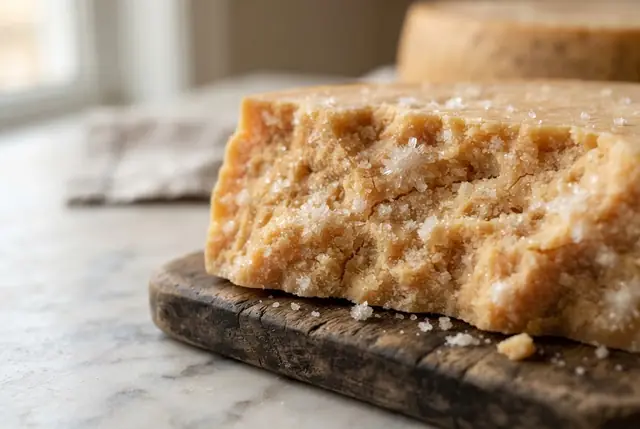
White crystals in aged cheese are a sign of quality, not spoilage. Here's how to identify tyrosine vs. calcium lactate crystals and what each tells you.
Hard salami is a firm, dry American deli salami, often pork and beef and smoked. Genoa is softer, all pork and garlicky. Taste, uses and which to buy.
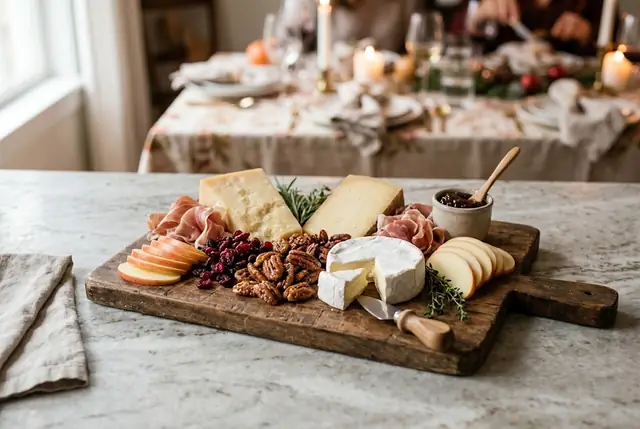
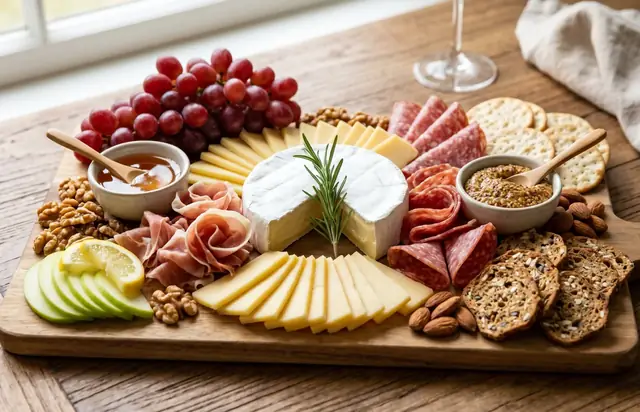
Brie belongs on almost any charcuterie board. How long to let it sit out, whether to eat the rind, how much to buy, and why honey, pear and bubbles suit...
Plastic wrap is the worst thing for most cheese. Here's why cheese needs to breathe, how cheese paper works, and the correct storage method for every type.
The main types of salami are Genoa, hard salami, soppressata, calabrese, finocchiona, chorizo, saucisson sec and fuet. Here's how each tastes and pairs.
Use extra sharp or vintage cheddar on a charcuterie board, broken into chunks, with fig jam and apple nearby. Here's what to buy, how much, and why it w...
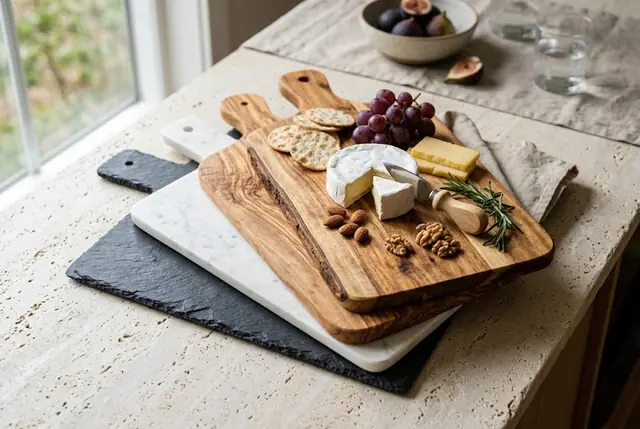
Wood, slate, and marble each behave differently on a charcuterie board. Here's the breakdown of which material fits each situation and what to look for...
Coppa is whole cured pork neck and shoulder, the same meat as capicola: marbled, sweet and silky. Sweet vs. spicy, how it's made, how to slice and pair it.
What you serve alongside a charcuterie board shapes the experience as much as the board itself. Here's a complete guide to drinks, bread, and sides — an...
Comté gets its nutty, fruity depth from alpine milk, copper vat cooking, and extended aging. Here's the science and how to use it on a board.
A mini charcuterie board for one or two requires different quantities and a different format than a party board. Here's the exact scaling, ingredients,...
The best dips for a charcuterie board serve a specific pairing function. Here's which ones work, which to skip, and how much to use.
Olives are one of the most functional elements on a charcuterie board when used correctly. Here's which types work, how much to use, and where to positi...
A charcuterie board served as an appetizer needs different quantities and selection than a main-event board. Here's how to calibrate it without ruining.
Chocolate belongs on a charcuterie board — but only specific types paired correctly. Here's which chocolate works, how much to use, and why.
The visual cortex processes incoming information in roughly 150 milliseconds — faster than any other sensory system. When you see food, color informatio...
Build a New Year's Eve charcuterie board that pairs with sparkling wine — the right ingredients, elegant styling, and exact quantities for the midnight...
The claim that charcuterie is unhealthy doesn't hold up against actual serving sizes, fermentation science, or how saturated fat research has evolved. H...
A wine and cheese board only works if the pairings are intentional. Here's how to build one using fat-tannin and acid-reset principles for every wine st...
Building a charcuterie board is assembly, not cooking — no techniques to master, nothing to ruin with heat or timing. Here's the framework that works ev...
How to pair wine with a charcuterie board — light reds, whites, sparkling, and the pairing principles that make every combination work.
Castelvetrano olives are the most board-friendly olive — buttery, mild, and visually distinct. Here's why they work, how to serve them, and what they pair.
A cocktail party board is built for standing guests — bite-sized, one-handed, and pre-assembled. Here's the format, quantities, and the two-board system...
Capicola is the spiced pork neck that brings fat, heat, and complexity to any board. Here's the science, the pairings, and how to use it right.
Charcuterie board crackers guide: the two-category rule, which crackers pair with which cheeses and meats, how many to include, and what to avoid.
Camembert and brie look alike but taste differently in ways that matter for your board. Here's the science, how to choose a good one, and how to pair it.
Build a Christmas charcuterie board that looks festive and feeds a crowd. Quantities for 15–25 guests, holiday cheese and meat pairings, and a red-green...
How to store a charcuterie board — which components keep, how long, and how to prep ahead so assembly takes 15 minutes the day of the party.
Burrata is mozzarella's shell around stracciatella and cream — a different product with different serving rules. Here's the science and how to serve it...
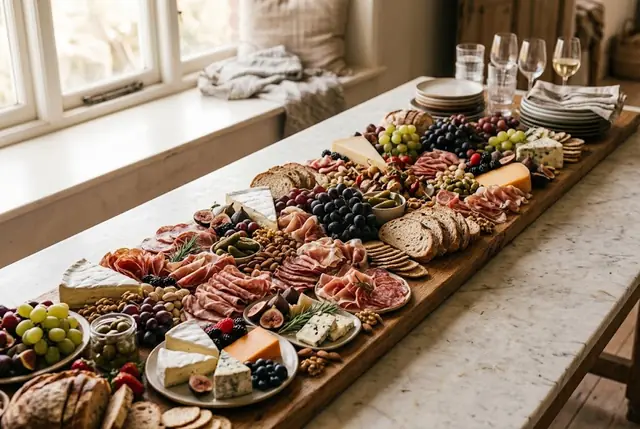
Grazing table guide: what it is, how it differs from a charcuterie board, how to plan quantities and layout for large groups, and the key setup decisions.
Exactly how much cheese you need for a charcuterie board — by guest count, occasion, and board type. With a simple formula and quantity table for every...
You don't need expensive imports to build a great charcuterie board. Here's how to build a $25 board using grocery store staples — with the science behi...
Nuts on a charcuterie board: why Marcona almonds are the board standard, how each nut type pairs with different cheeses, and how much to include.
Brie is the ultimate soft cheese for a charcuterie board — but most people serve it wrong. Here's the science behind brie pairings that actually work.
Scaling a charcuterie board for 20, 30, or 50 guests requires a different approach than a small board. Here's the formula, layout strategy, and what to...
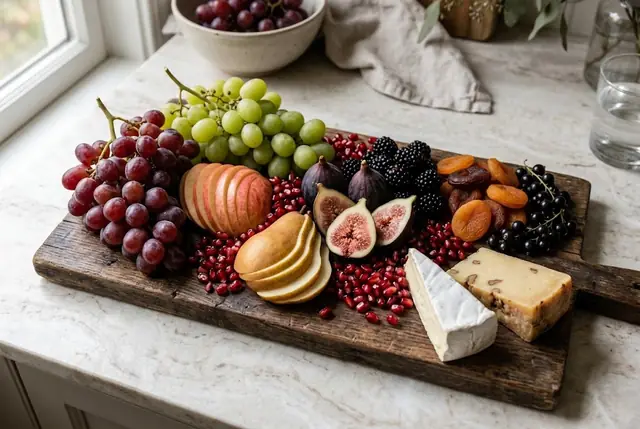
Fruit on a charcuterie board: which fruits work and why, how to place them, how much to use, and the acid and sweet science behind the best pairings.
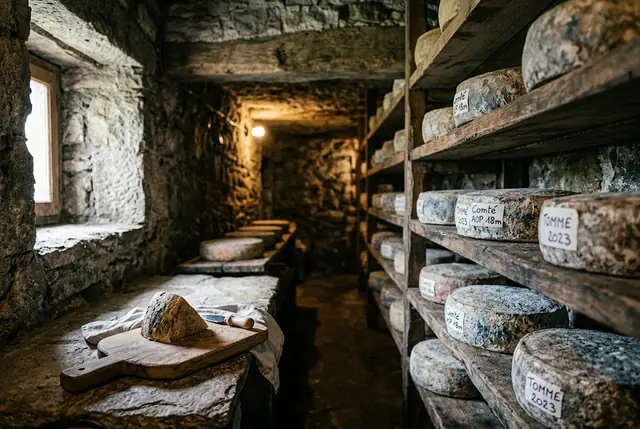
A cheese aging cave isn't just storage — temperature, humidity, airflow, and resident microbes actively shape flavor development. Here's the science.
Condiments on a charcuterie board aren't optional extras — they're the flavor bridges that make cheese, meat, and bread work together. Here's what to ch...
Build a Thanksgiving charcuterie board that matches the season. Quantities for 12–20 guests, fall cheese and meat pairings, and a complete build guide.
Aged Gouda's caramel sweetness is unique among hard cheeses. Here's the science of how it develops, which age to choose, and how to use it on a board.
Step-by-step guide to making a charcuterie board — shopping list, assembly sequence, and the layout logic that makes any board look professional.
A winter charcuterie board uses bold aged cheeses, rich cured meats, and seasonal accompaniments to match the season. Here's what to buy and how to buil...
Aged cheddar is the most versatile hard cheese for any charcuterie board. Here's the science of what makes it sharp, which ages to choose, and how to pa...
Charcuterie board sizes explained: which board dimensions to use for 2, 4, 6, or 10+ people, plus the 80% coverage rule that prevents overcrowding.
A holiday charcuterie board isn't only a larger board with some rosemary thrown on top. It's a different problem to solve — bigger crowd, longer grazing...
Acid is the most underused tool on a charcuterie board. Here's the science of why pickles, fresh fruit, and mustard make every other element on the board.
Charcuterie board presentation follows specific principles — anchor, fill, flow. Here's how to make every board look intentional, abundant, and visually...
Halloween charcuterie board: how to use an orange and black edible palette, dark accompaniments, and arrangement to build a board that's spooky and actu...
Fig jam is more effective against Gorgonzola bitterness than honey — it brings both fructose TAS2R inhibition and tannin-casein binding simultaneously....
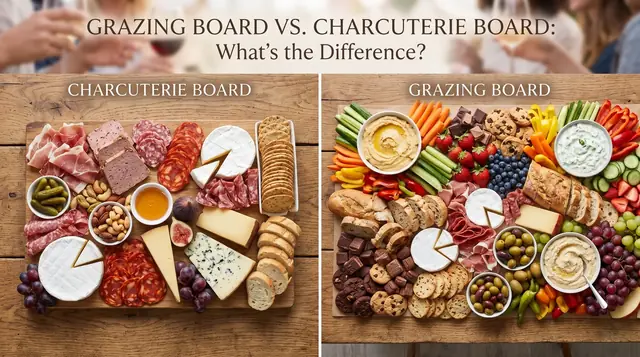
A charcuterie board is built around cured meat and cheese; a grazing board is any big spread guests pick at over time. Here's the difference, when to bu...
The best bread for a charcuterie board is a sliced sourdough baguette. Add focaccia for soft cheeses, rye for smoked fish; skip soft sandwich bread, swe...
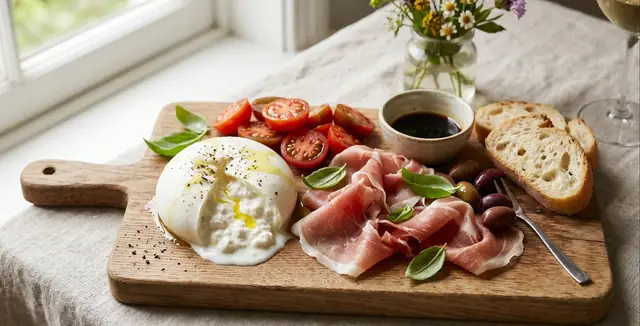
Burrata and prosciutto work because prosciutto salt triggers salivary priming, bridges burrata's acidity, and creates salt-sweet contrast, while cured f...
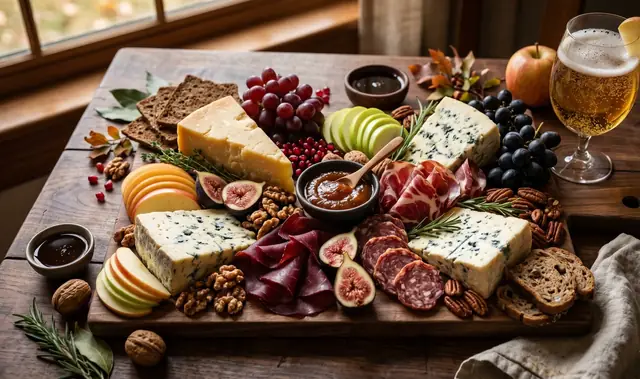
A fall charcuterie board uses seasonal ingredients with specific flavor properties — walnut tannin, apple acidity, aged Gouda and cider echoes. Here's h...
Contrast pairings work because opposing flavors reset taste receptors and amplify each element. Here's the neuroscience and chemistry behind why opposit...
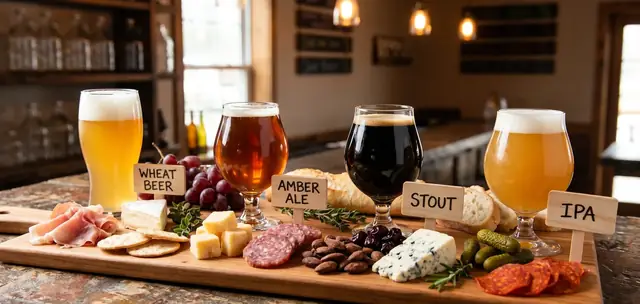
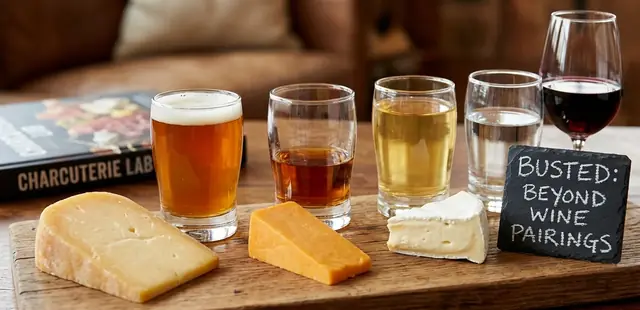
Beer pairs with charcuterie as well as wine — often better for specific items. Here's the style-by-style pairing guide and the flavor science behind each.
How to build a charcuterie board for one — scaled quantities, single-serving portions, and which ingredients to buy so nothing goes to waste.
A dairy-free charcuterie board is more than cheese alternatives — most board elements are naturally dairy-free. Here's how to build one that satisfies w...
Chorizo and Manchego is Spain's most iconic meat-and-cheese pairing. Here's why pimentón's lipophilic compounds and sheep's milk fat create a specific b...
A practical dessert charcuterie board guide with exact categories, quantities, layout order, make-ahead tips, and pairing ideas for parties.
A vegetarian charcuterie board isn't a board with the meat removed — it's built on different logic. Here's the cheese-forward framework and the best.
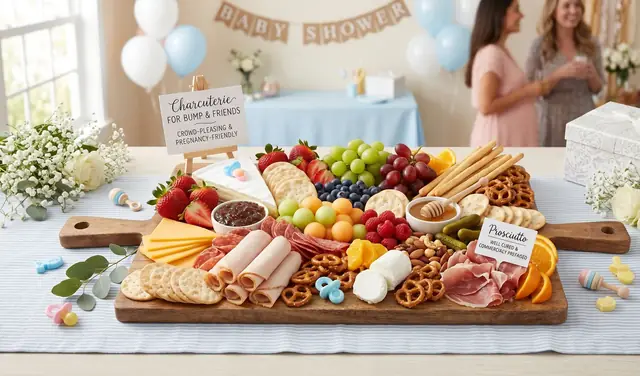
Build a baby shower charcuterie board that works for mixed crowds — safe ingredients, crowd-appropriate quantities, and a visual approach that photographs.
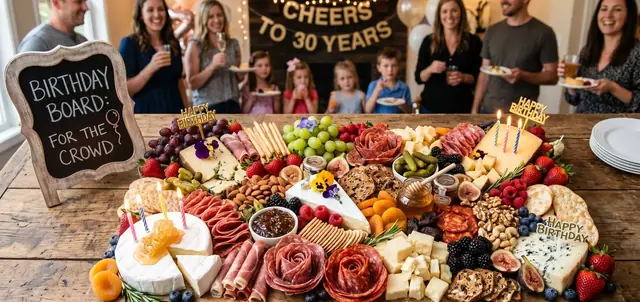
A birthday charcuterie board has to work for a crowd with different tastes and stay out for hours. Here's how to build one that looks impressive and act...
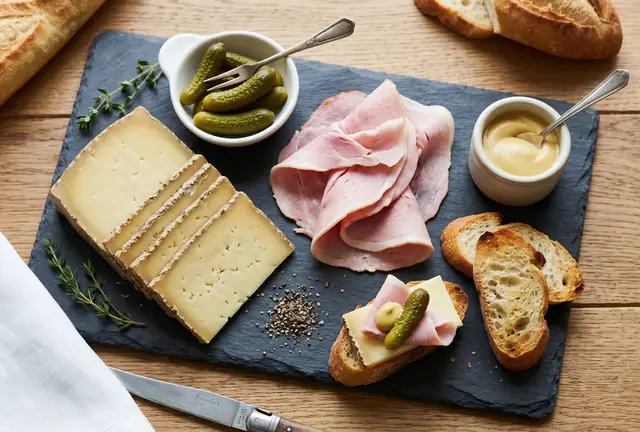
The French deli cluster in full: Gruyère's Alpine fat, ham's cured umami, cornichon acetic acid palate reset, and Dijon's allyl isothiocyanate — four me...
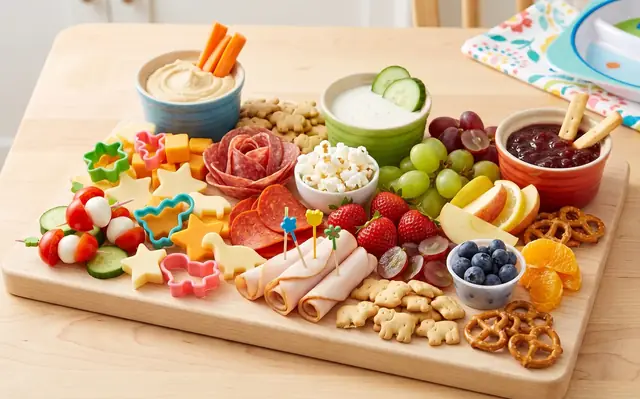
How to build a charcuterie board for kids — kid-friendly meats, cheeses, produce, and presentation that makes it interactive and fun without compromisin...
A great charcuterie board doesn't require $80–100 in ingredients. Here's what actually determines board quality — and where to spend and where to save.
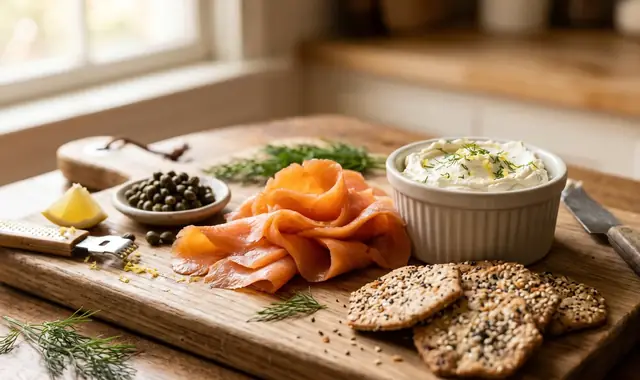
Smoked salmon and cream cheese is one of the most reliable board pairings. Here's the food science behind why fat amplifies smoke rather than muting it.
Build a keto charcuterie board with the right cheeses, meats, and low-carb accents. What to include, what to swap out, and how to keep it visually abund...
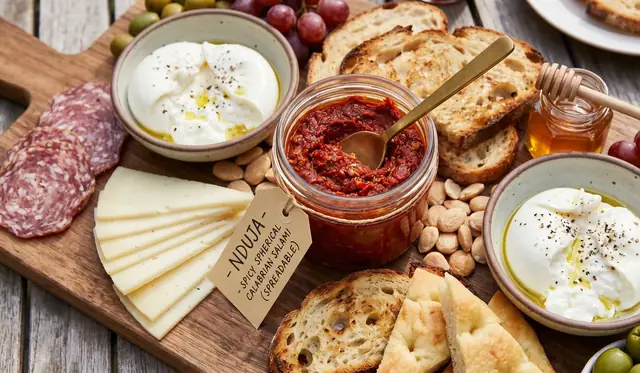
Nduja is the most underused element in charcuterie. This spicy, spreadable Calabrian salami pairs with mild cheese, honey, and crusty bread in ways that...
How to build a summer charcuterie board — lighter meats, fresh seasonal fruit, cheeses that hold up in heat, and a quantity guide for outdoor entertaining.
A charcuterie board is a spatial puzzle. Every element has a size, a shape, and a structural role. Some elements are anchors that define zones. Others a...
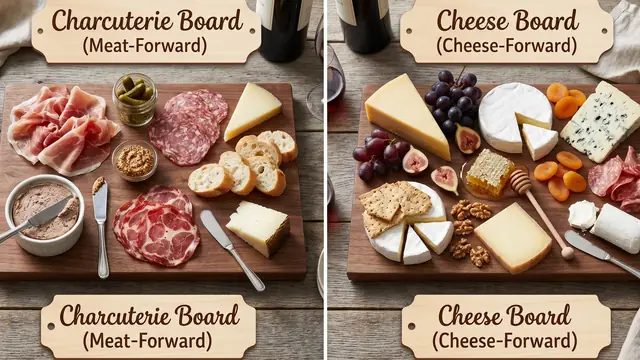
Charcuterie and cheese boards aren't the same — but the line is blurrier than most think. Here's the clear, science-backed distinction between the two.
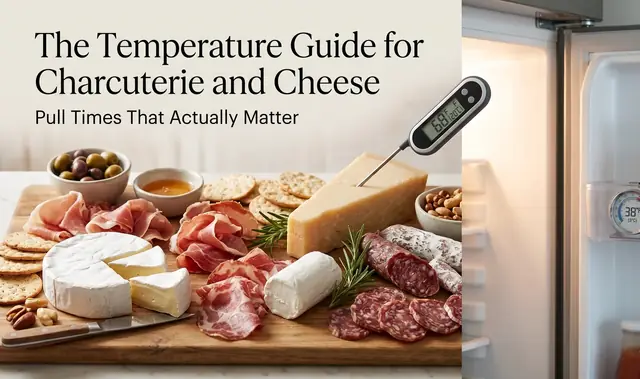
Cold cheese and meat taste muted. Pull hard cheese 45–60 minutes before serving, soft cheese 20–30 and cured meats about 20. Here's the full timing char...
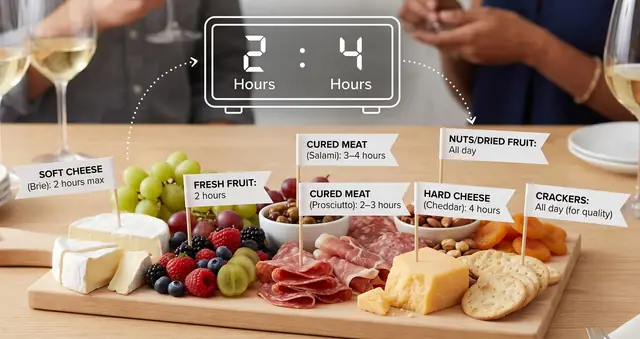
A charcuterie board can sit out 2 hours, or 1 hour above 90°F. Hard cheese and dry salami keep their quality longer. Here's the guide for every element.
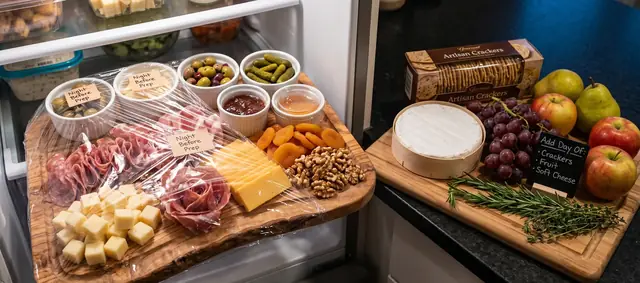
Yes, most of it. A night-before and day-of checklist: what to cut and wrap tonight, what has to wait, and when each cheese comes out of the fridge.
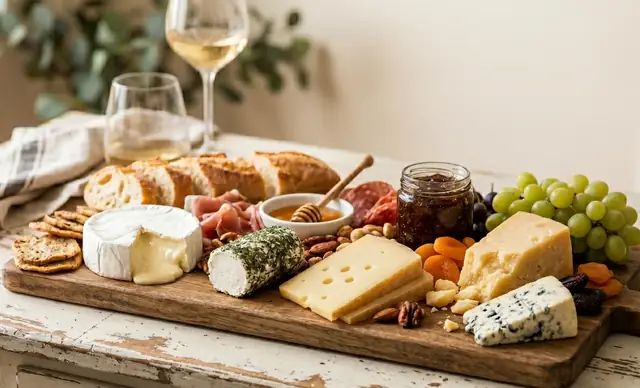
The best cheeses for a charcuterie board: brie, aged cheddar and Gruyère, plus a table of 16 cheeses by type (soft, semi-firm, hard, blue) with what to...
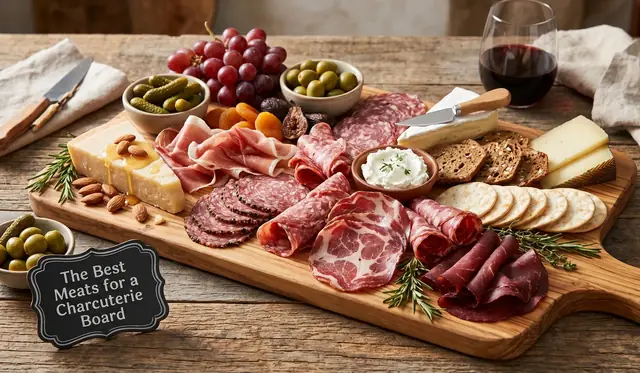
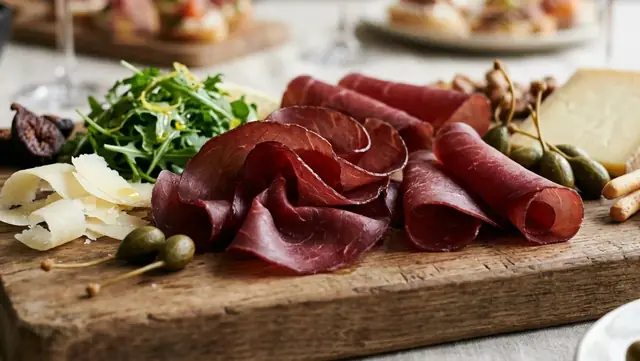
The best meats for a charcuterie board: prosciutto, Genoa salami, soppressata, coppa and bresaola, plus a list of 20 charcuterie meats with what each ta...
Three cheeses is the right number for most charcuterie boards. One soft or fresh, one semi-firm, one aged hard. This combination covers the full range o...
A charcuterie board for two is not a small party board. The quantities, selection, and logic are different. Here's how to build one that's intentional.
Build an easy charcuterie board in 15 minutes using only grocery store ingredients. No specialty shops, no obscure finds — just a reliable framework that.
50 charcuterie board ideas organised by occasion, budget and guest count. Every board includes what it costs, how long it takes and the one detail that...
What charcuterie actually means — the etymology, the history, the food categories it covers, and why the word now means something different than it used...
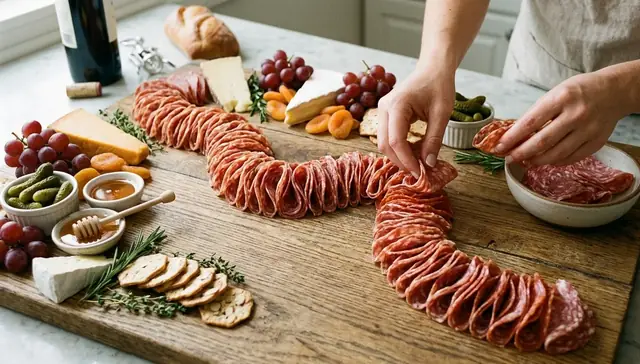
The salami river is the single most useful presentation technique for cured meats — and the one that makes a board look professional with five minutes o...
Learn how to serve Taleggio on a charcuterie board, including the best meats, fruits, breads, and wines to balance its washed-rind aroma.
Pancetta and American bacon start from the same cut — pork belly — but diverge in every subsequent step. One is dry-cured and air-dried; one is smoked....
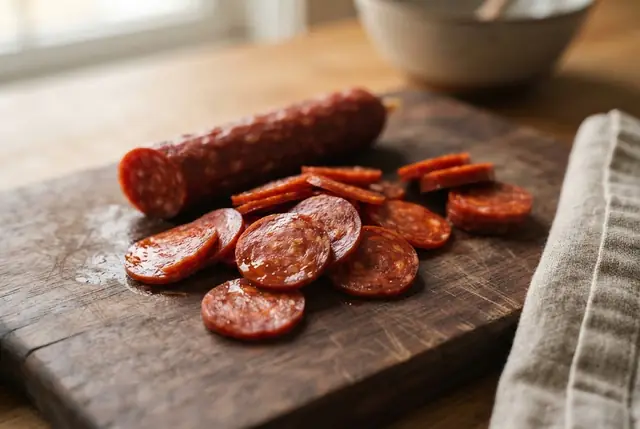
Yes, pepperoni is a salami, but it's ground finer, smoked, spicier and cups on pizza. See the side-by-side chart, plus which to buy for pizza or a board.
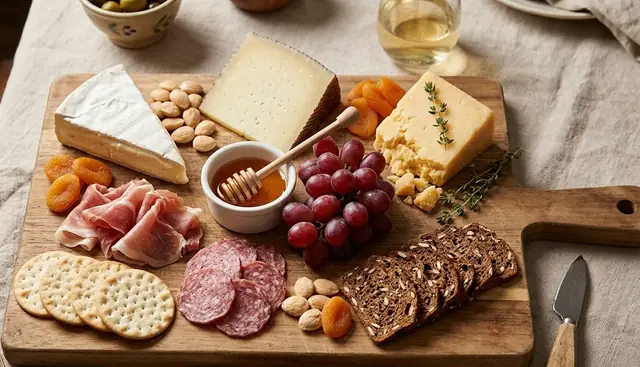
A complete breakdown of every element that belongs on a charcuterie board — the five core categories, quantities, and how they fit together — so you can...
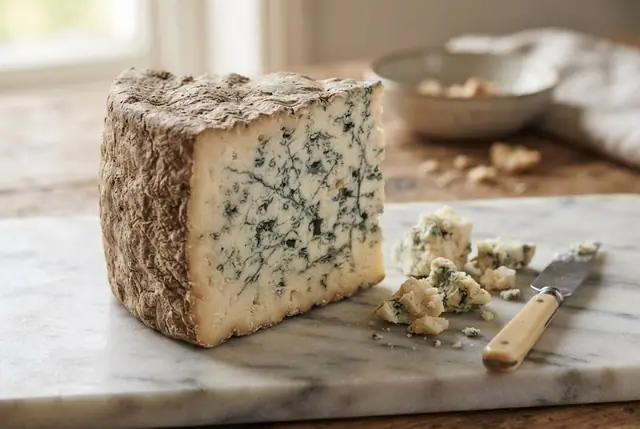
Stilton is England's protected blue cheese, made only in Derbyshire, Leicestershire and Nottinghamshire. Here's how its blue veins form, how it tastes,...
How much charcuterie per person: 2 oz each of meat and cheese before a meal, 3 oz as the party food, 4 oz as dinner. Chart for 4 to 30+ guests, crackers...
Bresaola is air-cured lean beef — and its near-total absence of fat creates different pairing logic than any pork-based charcuterie. Here's the producti...
You don't need 12 cheeses, imported meats, or specialty tools to build a good charcuterie board. Here's the beginner minimum — 3 cheeses, 2 meats — and...
Soppressata is a coarse, dry-cured Italian salami, sweet or hot, and the boldest salami for a charcuterie board. Here's how it's made, the types, and ho...
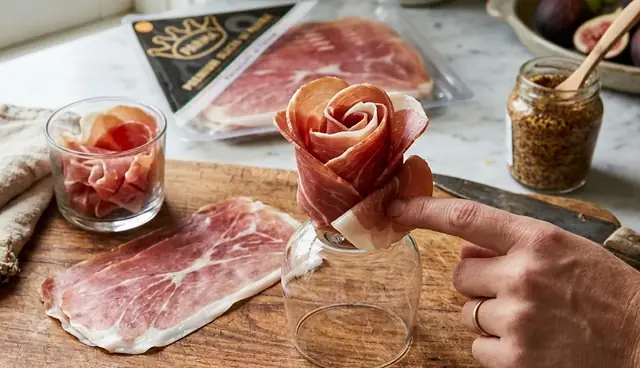
A prosciutto rose is the single most impactful technique on a charcuterie board. Here's exactly how to fold one — and how to use it for maximum visual e...
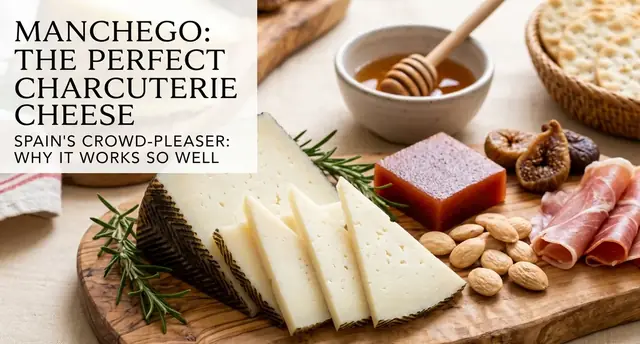
Manchego is one of the most versatile and crowd-pleasing cheeses on any charcuterie board. Here's the science of what makes it unique, which age to choo...
Wine pairs well with cheese, but it's far from the only drink that works — and for some cheeses, it's not even the best option. Here's the science behin...
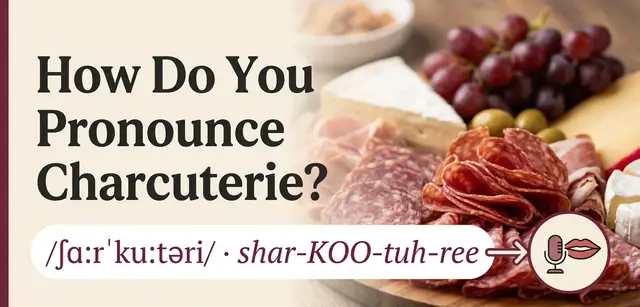
Charcuterie is pronounced shar-KOO-tuh-ree. Learn the phonetic breakdown, what the word means, and where it comes from — in under 5 minutes.
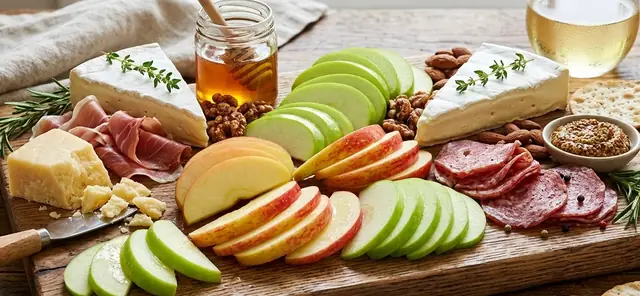
Apple slices add crunch, sweetness, and acidity to charcuterie boards. Learn which apples to use, how to prevent browning, and what they pair with.
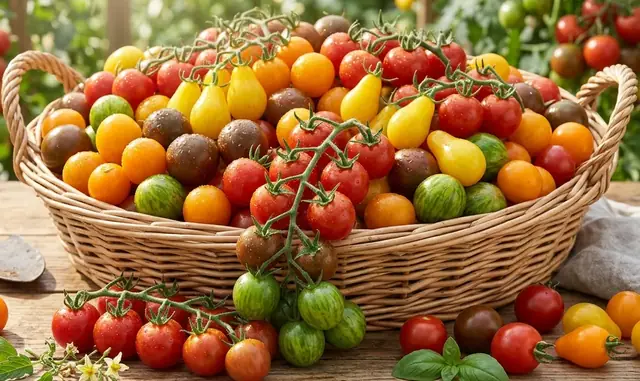
Bright, juicy cherry tomatoes bring acidity, color, and freshness to rich charcuterie boards.