Quick Answer: Cherry tomatoes add bright acidity, juice and color that reset the palate between rich bites. Keep them at room temperature (fridge-cold tomatoes taste flat), pat them dry, and cluster 3–5 near fresh mozzarella, feta, olives and basil, away from the crackers so nothing gets soggy.
Introduction
Cherry tomatoes are the unsung heroes of the charcuterie board. These little bursts of freshness bring something no cheese or cured meat can: bright acidity, juicy texture, and a pop of color that makes your board feel fresh in seconds.
While they are not the star of the show, cherry tomatoes play a critical supporting role. They cleanse the palate between rich bites, add visual contrast, and provide a refreshing break from all that salt and fat.
What Are Cherry Tomatoes?
Cherry tomatoes are small, bite-sized tomatoes typically 1 to 2 inches in diameter. They are sweeter and less acidic than full-sized tomatoes, with a satisfying pop when you bite into them.
Flavor profile:
- Sweet with mild acidity
- Bright, fresh, and slightly grassy
- Juicy and refreshing
Texture:
- Firm skin with a satisfying snap
- Juicy interior
- Best at room temperature
Common varieties for boards:
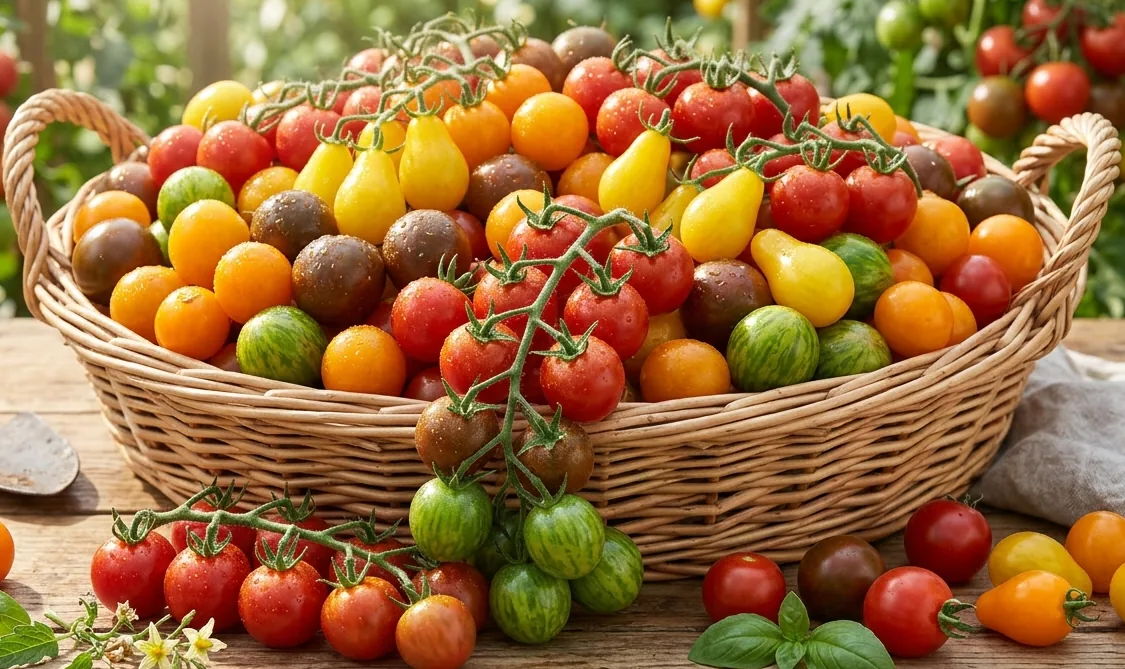
- Red cherry: classic, reliable sweetness
- Sungold: orange, extra sweet, crowd favorite
- Grape tomatoes: oblong, meatier, less juicy
- Mixed heirloom: visual variety and complex flavors
Best Pairings for Cherry Tomatoes
Cheeses
| Pairing | Why It Works |
|---|---|
| Fresh mozzarella | Classic caprese: creamy plus acidic |
| Burrata | Rich cream meets bright tomato |
| Feta | Salty and tangy against natural sweetness |
| Goat cheese | Tangy and fresh with Mediterranean energy |
Meats
| Pairing | Why It Works |
|---|---|
| Prosciutto | Salty plus sweet with soft texture contrast |
| Salami | Tomato acidity cuts through fat |
| Bresaola | Light meat pairs well with a light vegetable note |
Condiments and Companions
| Pairing | Why It Works |
|---|---|
| Fresh basil | Aromatic harmony |
| Balsamic glaze | Sweet-tart contrast intensifies tomato flavor |
| Olive oil drizzle | Adds richness and fruity notes |
| Flaky sea salt | Enhances natural sweetness |
| Olives | Creates a Mediterranean flavor bridge |
Pairing Science: Why Cherry Tomatoes Work
Cherry tomatoes serve a specific function on your board.
1. Acid cuts richness
After several bites of fatty cheese and cured meat, your palate gets overwhelmed. Tomatoes' natural acidity acts as a reset button, cleansing your mouth and preparing you for the next bite.
2. Texture creates relief
The juicy pop of a tomato contrasts with the dense, chewy, or crumbly textures of cheese and meat. That variety keeps the board interesting.
3. Color changes perception
Red, orange, and yellow tomatoes add visual contrast to a board dominated by browns, whites, and pinks. A fresh color signal makes the whole board feel brighter.
Common Mistakes and Fixes
Using cold tomatoes
Refrigerated tomatoes taste flat and mealy.
Fix: Store them at room temperature. Only refrigerate if they are very ripe.
Not drying them
Wet tomatoes can make nearby crackers and cheeses soggy.
Fix: Pat them dry before placing them on the board.
Cutting them too early
Cut tomatoes release liquid and get soft.
Fix: Keep them whole, or halve them just before serving.
Forgetting seasoning
Plain tomatoes can taste muted next to bold cheeses and cured meats.
Fix: Add a light drizzle of olive oil and a pinch of flaky salt.
How to Use Cherry Tomatoes on a Board
Placement Tips
- Scatter tomatoes in small clusters of 3 to 5
- Place them near feta, olives, mozzarella, or basil
- Use them to fill gaps and add color
- Keep them away from crackers
Serving Suggestions
- Whole: easiest, cleanest, best for grazing
- Halved: best when you want seasoning or balsamic glaze to cling
- On tiny skewers: pair with mozzarella and basil for caprese bites
Serving Size
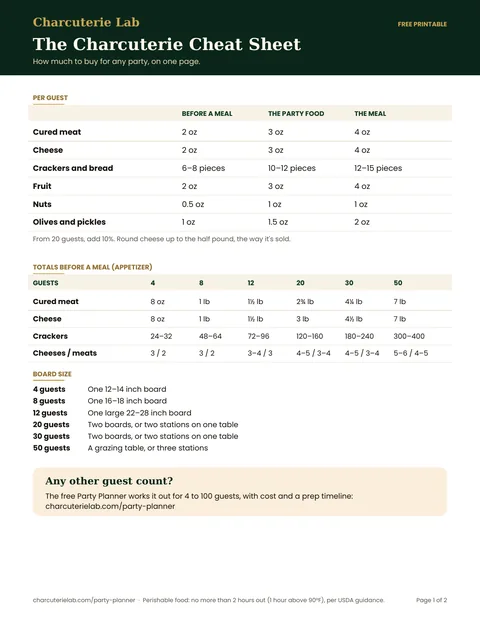
- For 6 to 8 people, use 1 pint
- Choose mixed colors when you want more visual impact
Quick Board Idea: The Mediterranean Corner
Build a mini-section on your board with:
- Mixed cherry tomatoes
- Fresh mozzarella balls
- Castelvetrano olives
- Fresh basil leaves
- Prosciutto ribbons
- Balsamic glaze
This creates a cohesive flavor neighborhood that guests can understand instantly.
FAQ
How long do cherry tomatoes last on a board?
They hold well for 2 to 3 hours at room temperature. They may soften slightly, but they stay useful as a fresh board element.
Should I refrigerate cherry tomatoes?
Only if they are very ripe. Cold storage dulls their flavor and texture.
Can I use grape tomatoes instead?
Yes. Grape tomatoes are meatier and less juicy, which can be helpful if you are worried about moisture.
Do I need to remove the stems?
Optional. Stems look rustic and natural; removing them looks cleaner.
Conclusion
Cherry tomatoes may be a supporting player, but they are essential for balance. They bring acidity to cut richness, color to brighten the board, and freshness to reset the palate.
Try this: Sungold tomato, torn fresh mozzarella, basil leaf, and a little balsamic glaze. One perfect bite.