Apple Slices: Deep Dive
Quick Answer: Apple slices add crunch, sweetness and malic acid that cuts through rich cheese and salty meat. Use a firm, crisp apple such as Honeycrisp or Granny Smith, slice it about ¼ inch thick within 1–2 hours of serving, dip it in lemon water to stop browning, and set it next to aged cheddar, brie or prosciutto.
Fresh, crisp apple slices are one of the most underrated heroes of the charcuterie board. They bring brightness, natural sweetness, and palate-cleansing acidity that cuts through rich cheeses and fatty meats. But most people treat apples as an afterthought — a filler ingredient rather than a strategic pairing tool.
In this deep dive, we'll explore why apple variety matters, how to prep them so they don't turn brown, and how to use them to create balance on your board.
What They Are
Apple slices are thin-cut pieces of fresh apple, typically served raw on charcuterie boards as a crisp, sweet, acidic complement to savory ingredients.
Flavor profile:
- Crisp and juicy
- Naturally sweet with bright acidity
- Clean, refreshing finish
- Slight tartness (varies by variety)
Texture:
- Crunchy and firm
- Juicy with each bite
- Sturdy enough to hold toppings
The best apple varieties for boards are Honeycrisp (sweet and extra crisp), Granny Smith (tart and firm), and Fuji (balanced sweetness). Avoid Red Delicious — they're mealy and lack the acidity needed for pairing.
How They're Prepared
Apples are simple, but preparation matters. Here's why they work:
- Choose firm, crisp varieties — soft apples turn mushy and don't provide contrast
- Slice thinly (¼-inch) — easier to eat and pair with cheese
- Treat with lemon juice — prevents browning and adds extra acidity
- Serve fresh — apples oxidize quickly, so prep close to serving time
Why lemon juice works: The citric acid in lemon juice slows enzymatic browning (oxidation) without altering the apple's flavor. A quick toss in lemon water keeps slices looking fresh for 2–3 hours.
Flavor Profile & What Makes Them Unique
Apple slices bring three key elements to a charcuterie board:
Acidity Apples have natural malic acid, which cuts through rich, fatty ingredients like aged cheddar or creamy brie.
Sweetness Natural fruit sugars balance salty meats and tangy cheeses without being cloying.
Crunch The crisp texture contrasts beautifully with soft cheeses and tender meats, making each bite more dynamic.
Best Pairings
Cheeses
- Aged cheddar — sharp tang meets sweet crunch
- Brie — creamy richness balanced by crisp acidity
- Gouda — sweet cheese meets tart apple in perfect harmony
- Blue cheese — bold funk softened by fresh sweetness
Meats
- Prosciutto — delicate saltiness pairs with refreshing crunch
- Salami — fatty richness cut by bright acidity
- Sopressata — spicy notes cooled by sweet apple
Condiments
- Honey — doubles down on sweetness for dessert-like bites
- Nut butters — creamy contrast to crisp texture
- Caramel — for sweeter, dessert-style boards
Nuts
- Walnuts — earthy bitterness complements apple sweetness
- Pecans — buttery richness matches apple's natural sugars
- Almonds — mild crunch-on-crunch pairing
Pairing Science: Why These Work
1. Acid Cuts Fat Apples contain malic acid, which breaks down the richness of fatty cheeses and cured meats. This is why apples feel so refreshing after a bite of aged cheddar or salami.
2. Sweet Balances Salt The natural sugars in apples balance the saltiness of prosciutto and aged cheeses, creating a harmonious bite.
3. Texture Contrast Crisp apples contrast with creamy brie or soft pâté, making the board feel more layered and interesting.
4. Palate Cleanser The high water content and acidity of apples cleanse the palate between rich bites, preventing flavor fatigue.
Common Mistakes
❌ Slicing too far in advance Apples brown quickly. Fix: Slice within 1–2 hours of serving and toss in lemon water.
❌ Using mealy apple varieties Red Delicious and other soft apples lack the crunch needed. Fix: Stick to Honeycrisp, Granny Smith, or Fuji.
❌ Cutting slices too thick Thick slices are hard to eat with cheese. Fix: Keep slices around ¼-inch thick.
❌ Skipping the acid treatment Brown apples look unappetizing. Fix: Toss in lemon juice or lemon water immediately after slicing.
How to Use Apple Slices on a Board
Best placement:
- Near sharp or creamy cheeses
- Next to salty meats like prosciutto
- As a visual pop of color on the board
Best shapes:
- Thin slices — classic and easy to pair
- Wedges — rustic and sturdy for dipping
- Matchsticks — modern and elegant
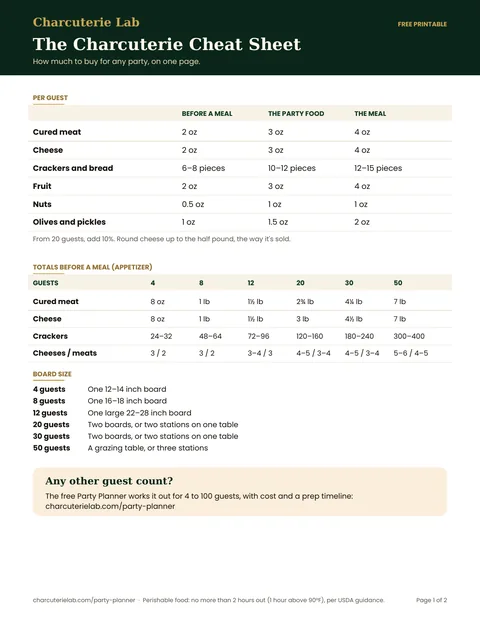
Serving size: For a board serving 6–8 people:
- 1–2 apples, sliced (about 12–16 slices)
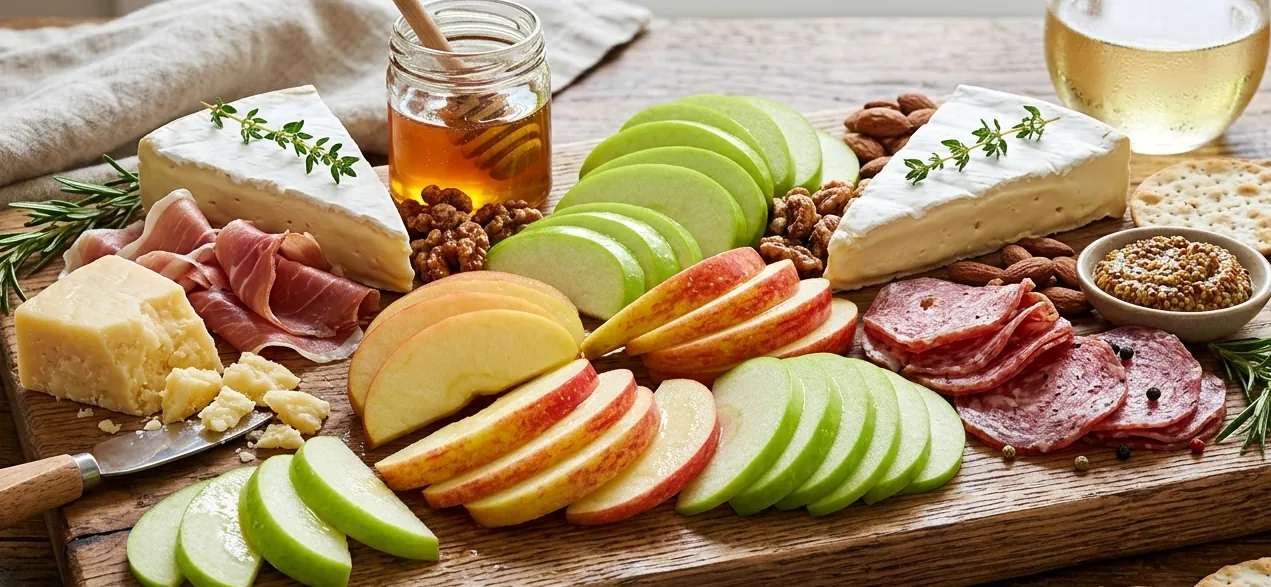
Apple Slice Board Idea: "The Crisp & Creamy Board"
Ingredients:
- Apple slices (Honeycrisp)
- Brie
- Aged cheddar
- Prosciutto
- Walnuts
- Honey
- Whole grain crackers
This board balances creamy cheese, salty meat, and crunchy apples with a drizzle of honey to tie it all together.
FAQ
How do you keep apple slices from turning brown?
Toss them in lemon water (1 tbsp lemon juice per cup of water) immediately after slicing.
What's the best apple for charcuterie boards?
Honeycrisp for sweetness, Granny Smith for tartness, or Fuji for balance.
Can you prep apple slices the night before?
Not recommended. They'll brown and lose crispness. Slice within 2 hours of serving.
Conclusion
Apple slices are more than just filler — they're a strategic pairing ingredient that brings acidity, sweetness, and crunch to your board. Once you understand how their natural acidity cuts through rich cheeses and how their sweetness balances salty meats, you'll never build a board without them.
Want more Ingredient Lab deep dives? Subscribe to the Charcuterie Lab newsletter for weekly pairing science, ingredient guides, and board ideas.