The short version
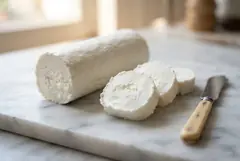
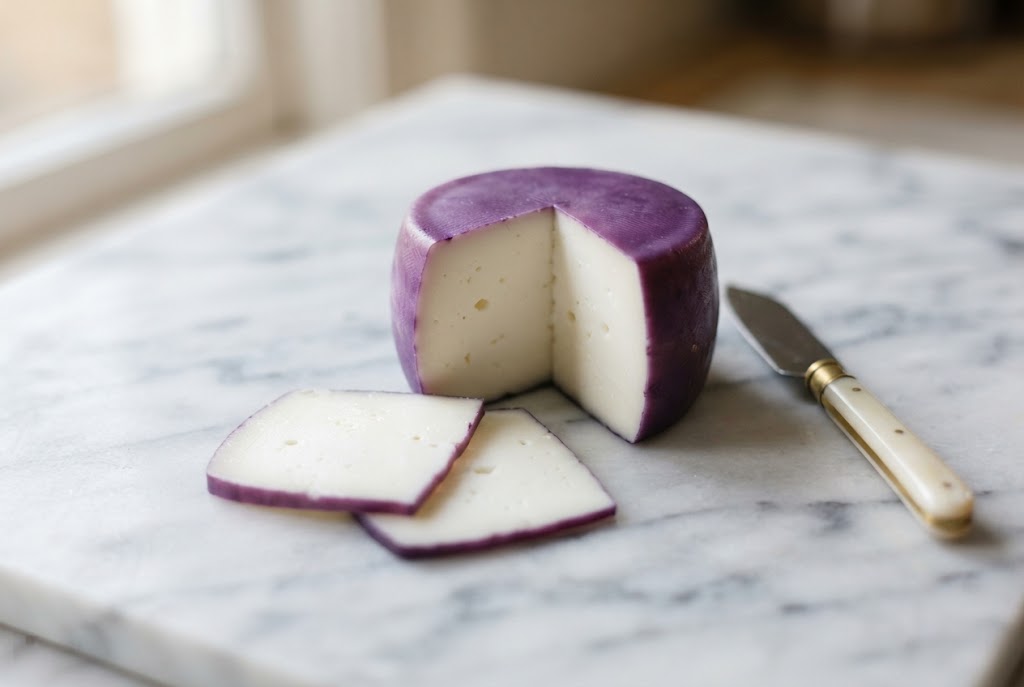
A semi-soft Spanish goat cheese bathed in red wine for three days, which dyes the rind deep violet. The paste is mild, sweet and springy, with none of the sharpness people expect from goat cheese. The purple rind is the most useful color on any board.
What it is
The real name is Queso de Murcia al Vino DOP, from Murcia in southeastern Spain, made from Murciano-Granadina goat's milk. After pressing, the wheels are soaked in Doble Pasta red wine — which colors the rind and lightly perfumes the outer paste, but doesn't penetrate far.
- Taste
- mild, sweet, milky, faintly winey near the rind
- Texture
- semi-soft, smooth, springy, easy to slice
- Look
- stark white paste with a vivid purple-violet rind
Colour is the mechanism, and it's honest about being mostly visual. The wine bath contributes a light fruity note at the very edge and dyes the rind dramatically — but the cheese underneath is a mild pressed goat cheese. That's not a criticism: a board needs one item that stops the eye, and white paste against violet rind does it better than anything else available.
What it pairs with — and why
| Pair it with | Why it works |
|---|---|
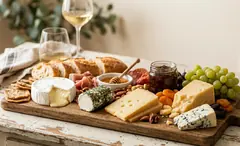
| Membrillo (quince paste) | Spanish and sweet against a mild, milky cheese. |
| Marcona almonds | Nut and salt with something soft and sweet. |
| Fresh figs and grapes | Fruit against a faintly winey rind. Also looks good beside the purple. |
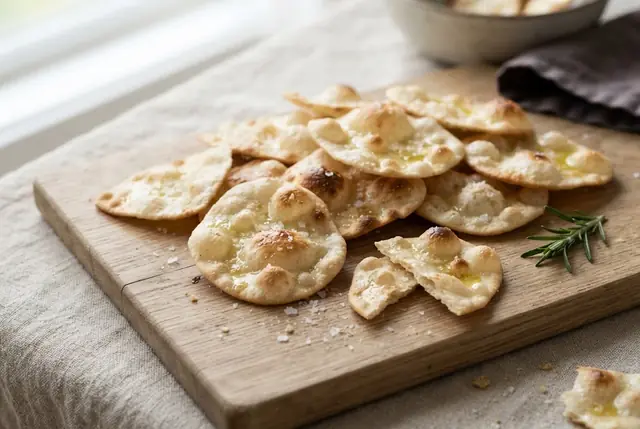
| Olive oil crackers | Fruity and peppery, Mediterranean, and neutral enough not to compete. |
| Honey | Sweet on sweet works here because the cheese has so little acid. |
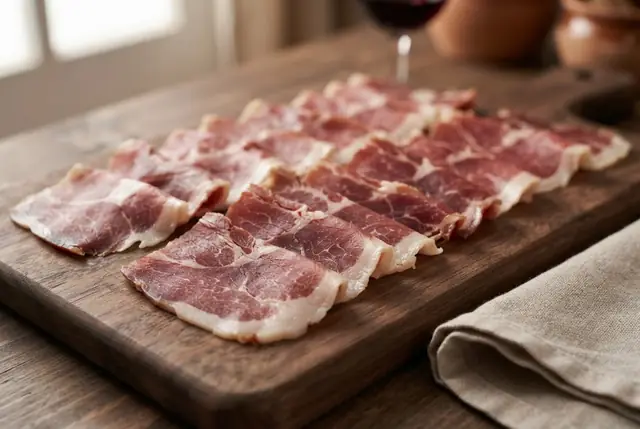
| Jamón serrano | Salt and cure giving a mild cheese an edge. |
| Rioja, Tempranillo, Cava | Spanish reds, echoing the wine in the rind. |
Skip it with: blue cheese, which flattens it. It's a mild cheese and it needs to be kept away from anything loud.
How to prep it for the board
- Cut thin wedges with the purple rind on the outer edge, and fan them so the color reads as a band. This is the whole reason to buy it.
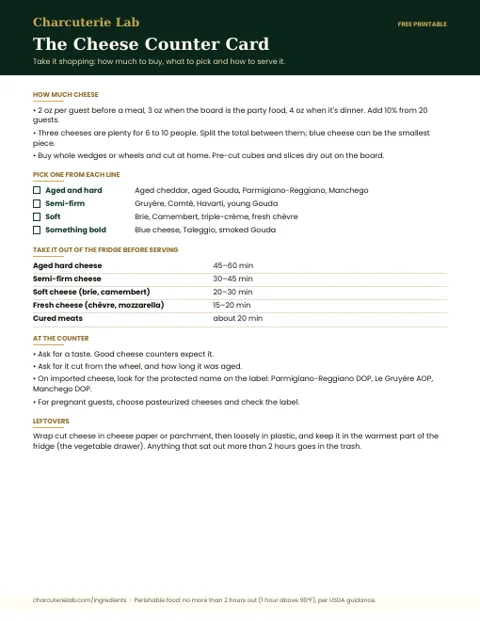
- Temper 30 minutes.
- Serve 1–2 oz per person.
- Put it where the board needs color — usually next to pale cheeses and cream-colored crackers.
- Trim the rind before eating. It's edible but it tastes mostly of dry wine tannin.
- Say what it is. People assume purple means flavored, and it isn't — the paste is mild goat cheese.
- Fix: if the rind is drying and flaking, trim it back. The paste underneath keeps well.
What to buy
| Product | Where | Notes |
|---|---|---|
| Drunken Goat (Murcia al Vino DOP) | Most grocery cheese cases, Whole Foods, Trader Joe's | Widely available under the marketing name. Consistent. |
| Queso de Murcia al Vino DOP | Cheese counters, Spanish grocers | The same cheese under its proper name, often better quality. |
| Queso de Murcia (unwashed) | Spanish specialty shops | The same cheese without the wine bath. Milder-looking, same paste. |
| Garrotxa | Cheese counters, Whole Foods | The more interesting Spanish goat cheese — see its own page. |
| Manchego | Most grocery | The Spanish default — see its own page. |
| Trader Joe's Drunken Goat | Trader Joe's | Cheap and reliable. |
Label check: the DOP mark if you want the real Murcian cheese. Several producers make wine-washed goat cheeses under similar names.
Skip: expecting it to taste strongly of wine. It doesn't, and buying it for that reason leads to disappointment.
Quick FAQ
Does it taste like wine?
Only faintly, right at the rind. The paste is mild, sweet goat cheese.
Is the purple rind natural?
Yes — it's stained by a three-day soak in red wine, not dyed.
Can you eat the rind?
It's edible but tastes of dry tannin. Most people trim it.
Is it strong for a goat cheese?
No, the opposite. It's one of the mildest goat cheeses available, with almost none of the usual tang.
How much per person?
1–2 oz.