The short version
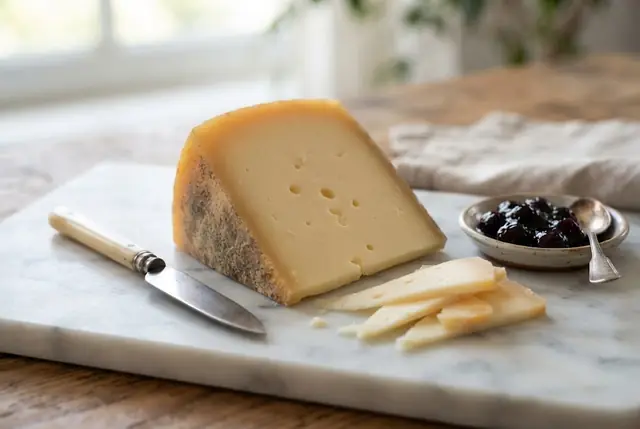
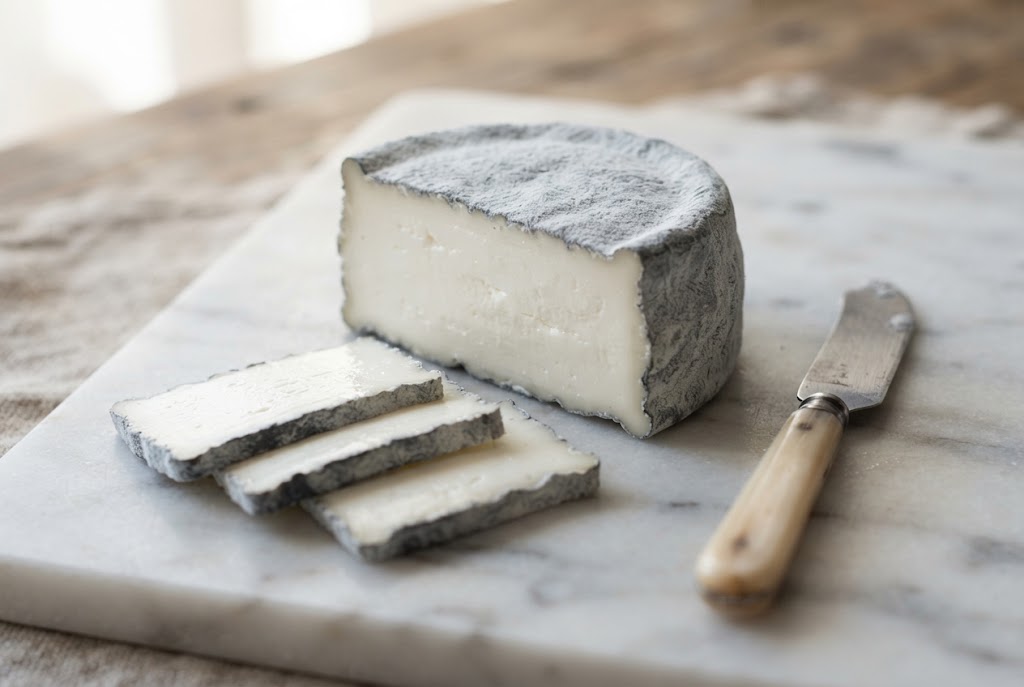
A semi-firm Catalan goat cheese covered in a soft grey-blue mold rind that looks like velvet. It tastes of hazelnut, fresh herbs and damp forest floor. Almost nobody outside Spain knows it, and it's one of the best-value cheeses at any good counter.
What it is
Garrotxa is named for a volcanic region of Catalonia. The traditional cheese had effectively died out by the 1970s and was revived in the 1980s by a group of young farmers returning to the land — the modern cheese is a deliberate reconstruction. It's aged about two months under a natural Penicillium mold rind.
- Taste
- hazelnut, fresh herbs, damp earth, mild goat tang
- Texture
- semi-firm, smooth, dense, slightly springy
- Look
- bright white paste under a thick velvet grey-blue rind
The mold rind is the mechanism. Unlike a bloomy white rind, which softens the paste beneath, Garrotxa's grey mold sits on a firm cheese and contributes aroma rather than texture — those herbal, forest-floor notes come from the rind inward. It's why the cheese smells more complex than a plain aged goat cheese tastes.
What it pairs with — and why
| Pair it with | Why it works |
|---|---|
| Membrillo (quince paste) | Spanish, floral, sweet. Works with every Spanish cheese and especially well here. |
| Marcona almonds | Hazelnut in the cheese, almond beside it. Direct echo. |
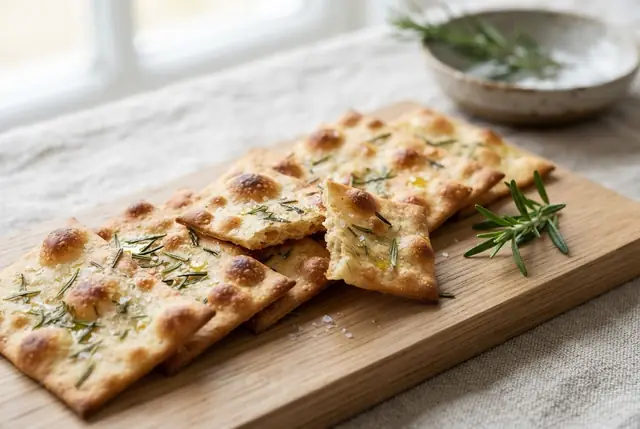
| Rosemary crackers | Herbal against herbal. The cheese already tastes faintly of the hillside. |
| Fresh figs and grapes | Sweet and wet against dense and dry. |
| Honey | Sweetness under a nutty, mildly tangy cheese. |
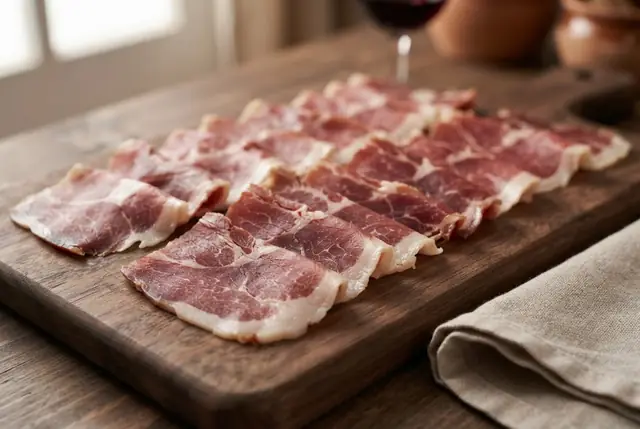
| Jamón serrano | Salt and cure with a firm goat cheese — less obvious than with sheep's milk, and very good. |
| Cava, Albariño, light Rioja | Spanish and high-acid, cutting a dense goat's-milk paste. |
Skip it with: blue cheese and everything crackers. Garrotxa is subtle and herbal, and both bury it.
How to prep it for the board
- Cut wedges with the grey rind attached. The velvet rind against stark white paste is a genuinely striking cross-section.
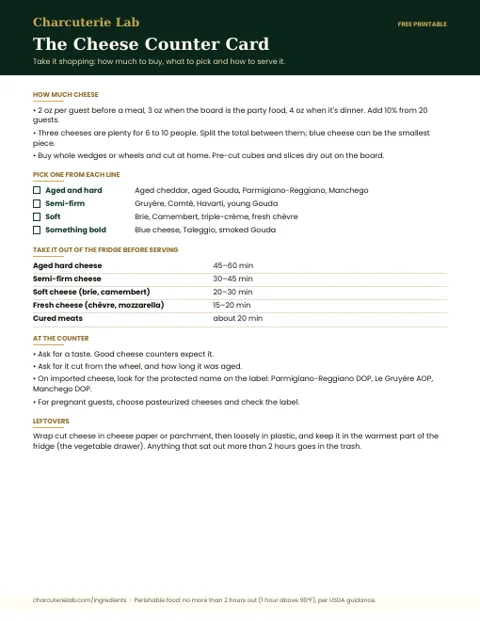
- Temper 30 minutes — the herbal notes are muted cold.
- Serve 1–1.5 oz per person.
- Point out the rind. People assume grey mold means spoilage; it's a deliberate natural rind and it's part of the flavor.
- Trim the rind before eating — it's edible but chalky, and most people prefer it off.
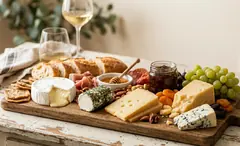
- Put it beside the Spanish things — membrillo, Marcona almonds, jamón.
- Fix: if it seems bland, it's cold. Garrotxa is a subtle cheese and it needs full room temperature.
What to buy
| Product | Where | Notes |
|---|---|---|
| Garrotxa | Cheese counters, Whole Foods, Spanish specialty grocers | Widely available at good counters. Consistent quality. |
| Formatge de Cabra Catalan goat cheeses | Spanish specialty shops | The wider Catalan category. Worth exploring. |
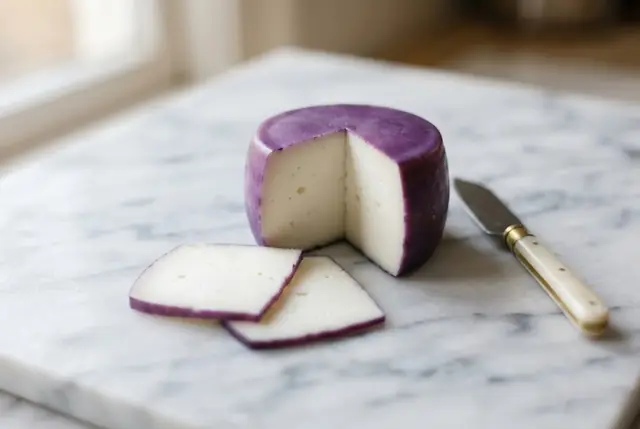
| Drunken Goat (Murcia al Vino) | Grocery cheese case, Whole Foods | The other widely available Spanish goat cheese — see its own page. |
| Monte Enebro | Cheese counters, specialty | Ash-coated Spanish goat cheese. Bolder and excellent. |
| Ossau-Iraty | Cheese counters | The French Basque sheep alternative — see its own page. |
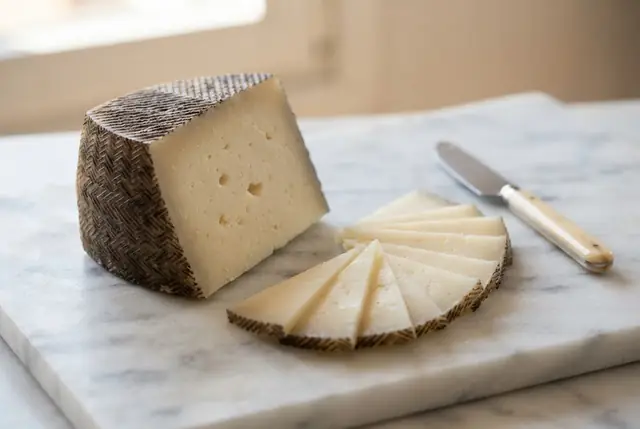
| Manchego | Most grocery | The default Spanish cheese if Garrotxa isn't stocked. |
Label check: a thick, even, velvety grey rind. Patchy or cracked rind means the wheel has dried out.
Skip: trimming the rind before it reaches the board. The grey-on-white cross-section is half of why you bought it.
Quick FAQ
Is the grey rind safe to eat?
Yes — it's a natural Penicillium mold rind, deliberately developed. It's edible but chalky, and most people trim it.
What does Garrotxa taste like?
Hazelnut, fresh herbs and damp forest floor, with a mild goat tang. Subtler than most goat cheeses.
Is it a rare cheese?
It nearly died out and was revived in the 1980s. It's now made by several Catalan producers and reasonably available at good US counters.
How is it different from French goat cheese?
Firmer and less acidic, with herbal and nutty notes rather than lemony tang.
How much per person?
1–1.5 oz.