The short version
A mild, buttery semi-soft cheese from California. On its own it's the least interesting cheese in this section. Its aged version — Dry Jack — is one of the best American cheeses made, and almost nobody outside California has tried it.
What it is
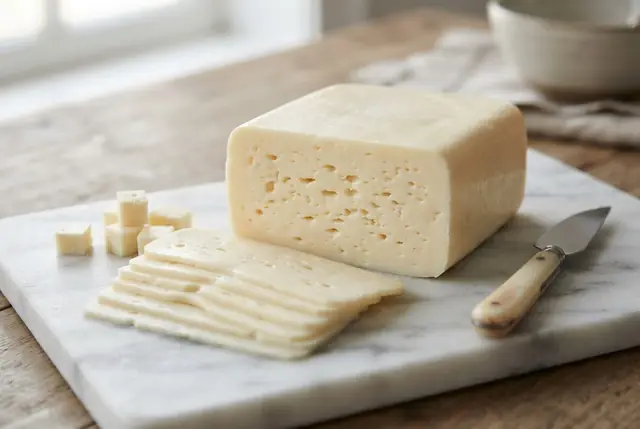
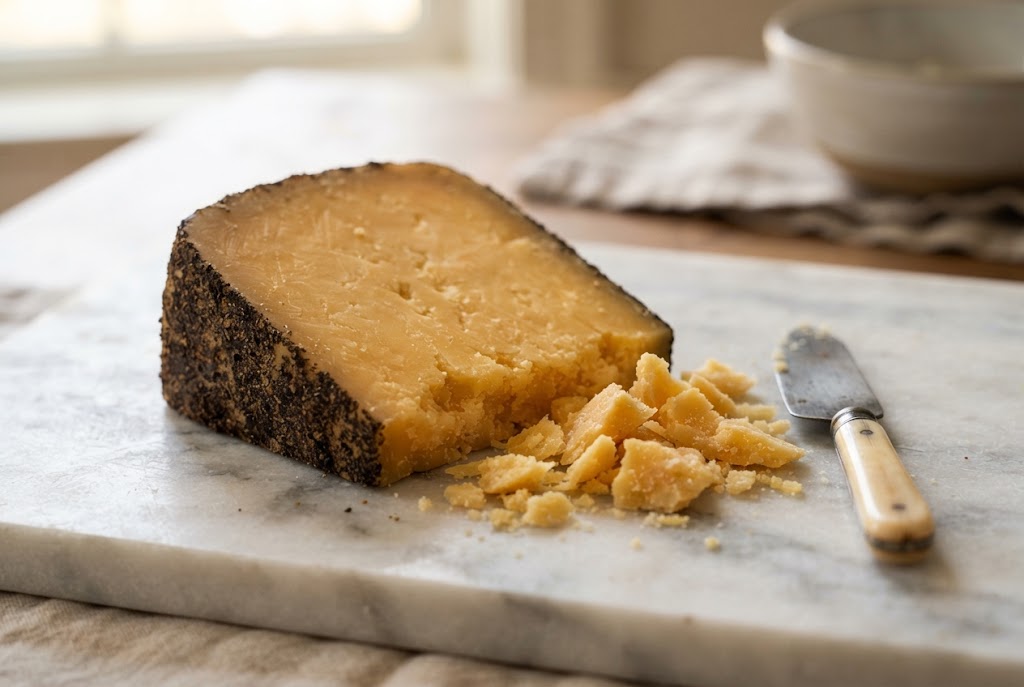
Monterey Jack descends from cheese made by Franciscan friars in California and was commercialized by a Monterey businessman named David Jacks in the 1800s. Young Jack is a mild, high-moisture, semi-soft cheese. Dry Jack is the same cheese aged seven months to two years, its rind rubbed with cocoa powder, pepper and oil.
- Taste (young)
- mild, buttery, milky, faintly tangy
- Taste (dry)
- nutty, sharp, savory, deeply concentrated
- Texture
- soft and springy young; hard and granular aged
- Look
- pale ivory young; deep gold with a dark rubbed rind aged
Moisture loss is the mechanism, and the transformation is dramatic. Young Jack is roughly 45% water. Dry Jack, after a year hanging in cloth, is far less — and everything that was diluted in the young cheese concentrates. It's the clearest example in this section of aging turning a dull cheese into a very good one.
What it pairs with — and why
| Pair it with | Why it works |
|---|---|
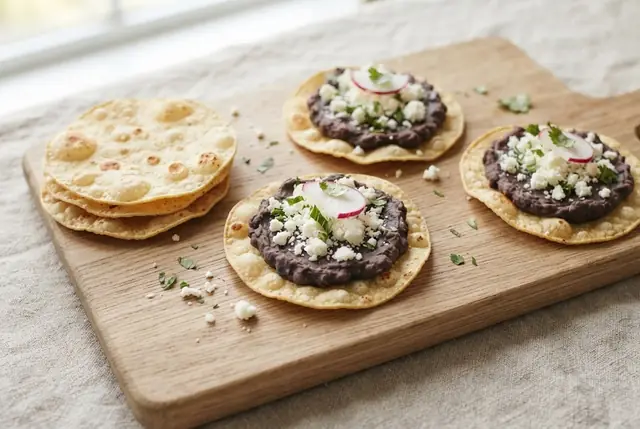
| Tostada rounds and tortilla chips | Sweet toasted corn under a mild California cheese. |
| Apple and grapes | Fresh acid against a plain, buttery paste. |
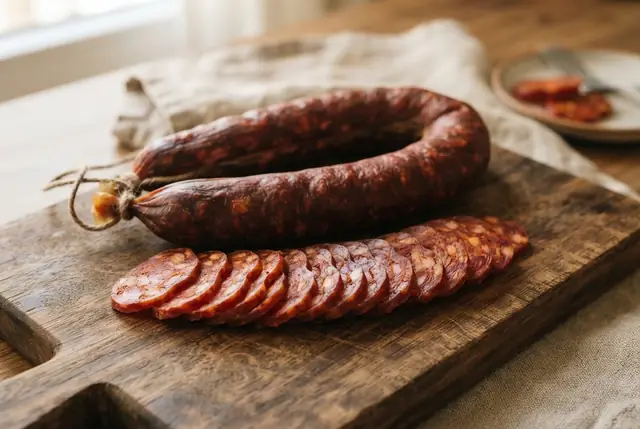
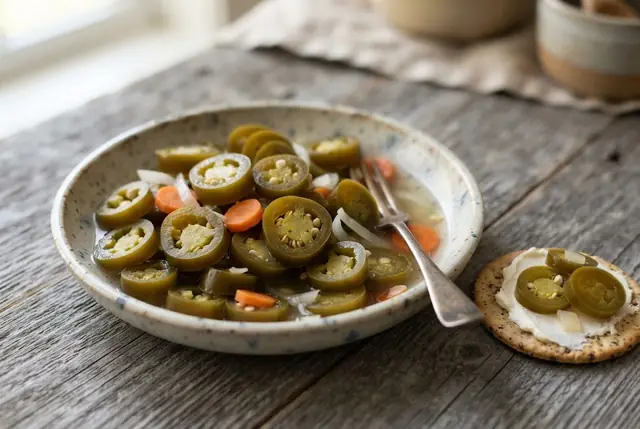
| Chorizo and pickled jalapeño | Fat, heat and acid — young Jack is the calm in that bite. |
| Fig jam and honey | Sweetness giving young Jack somewhere to go. |
| Walnuts and almonds | Especially with Dry Jack, which is nutty already. |
| Dry Jack with aged balsamic | It behaves like parmesan, and it takes the same pairing. |
| Zinfandel, Sauvignon Blanc, cold lager | Californian across the board. |
Skip it with: blue cheese and pecorino if you're serving the young version. And skip putting young Jack next to Dry Jack — the comparison is unkind.
How to prep it for the board
- Buy Dry Jack if you can get it. That's the recommendation on this page. Vella and Rumiano are the names to look for.
- Young Jack: cube or slice. Dry Jack: break into shards like parmesan.
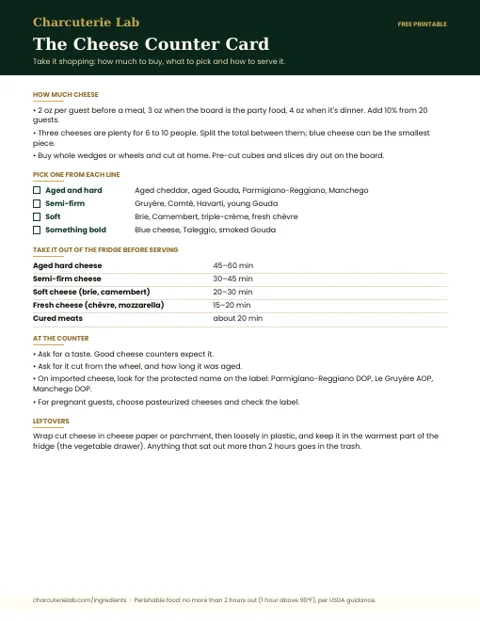
- Temper 30 minutes.
- Serve 1–2 oz per person.
- Use young Jack as a Latin-board cheese, beside queso fresco, chorizo and pickled things — that's where its mildness works.
- Trim the rubbed rind on Dry Jack. The cocoa-and-pepper coating is for protection, not eating.
- Fix: young Jack tasting like nothing is young Jack working as intended. Give it a partner with flavor or buy the aged version.
What to buy
| Product | Where | Notes |
|---|---|---|
| Vella Dry Jack | Cheese counters, Whole Foods, California grocery | The famous one. Aged, nutty, excellent. Buy this. |
| Rumiano Dry Jack | Whole Foods, natural grocers, West Coast | The other good producer. |
| Young Monterey Jack | Every grocery store | Mild and cheap. Fine as a filler. |
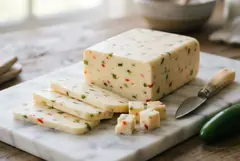
| Pepper Jack | Every grocery store | Young Jack with chilies. Good on a casual or Latin board. |
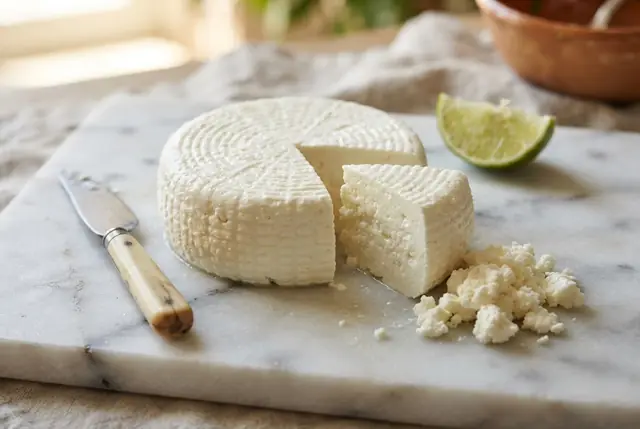
| Queso fresco | Latin dairy case | Similar mildness, more purpose — see its own page. |
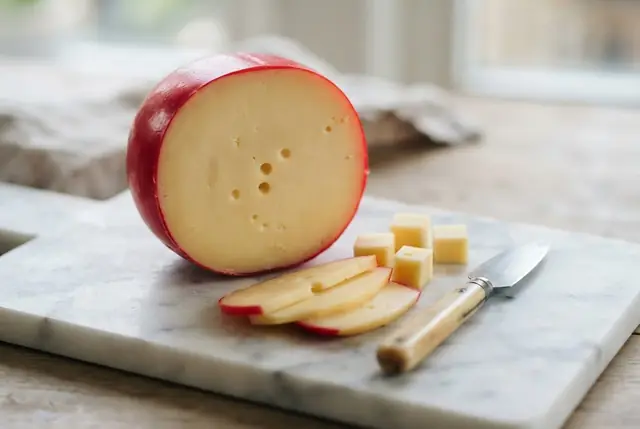
| Aged gouda | Grocery, Whole Foods | If Dry Jack isn't available, this is the nearest sweet-nutty aged cheese. |
Label check: "Dry Jack" specifically, with an age. Plain "Monterey Jack" is always the young version.
Skip: pre-shredded Jack for a board — it's coated in starch — and expecting the young version to hold its own against anything assertive.
Quick FAQ
What is Dry Jack?
Monterey Jack aged seven months to two years, with the rind rubbed in cocoa, pepper and oil. Hard, nutty and genuinely excellent.
Is Monterey Jack worth putting on a cheese board?
Young Jack, only as a mild filler on a casual board. Dry Jack, absolutely.
Is Pepper Jack the same cheese?
Yes, young Monterey Jack with chili peppers added.
Can you eat the Dry Jack rind?
No. The cocoa and pepper rub is a protective coating.
How much per person?
1–2 oz.