The short version
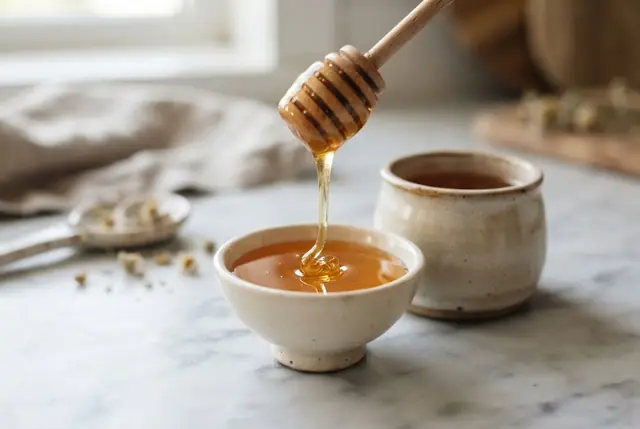
A hard sheep's-milk cheese from Lazio and Sardinia, salted much more heavily than any Italian cow's-milk cheese. Sharp, tangy, aggressively savory. Put a little on the board and put honey next to it.
What it is
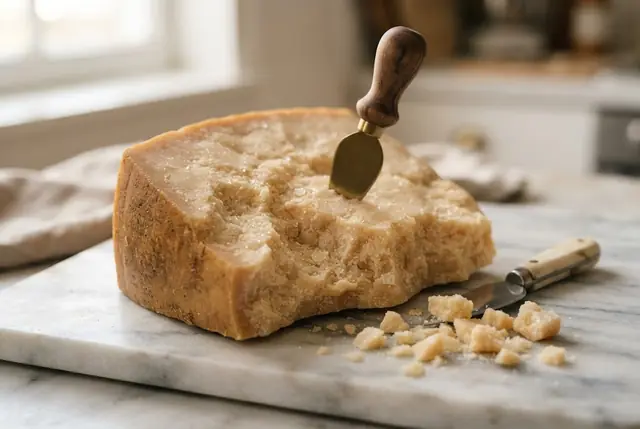
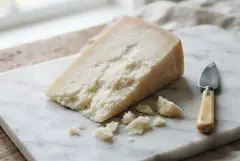
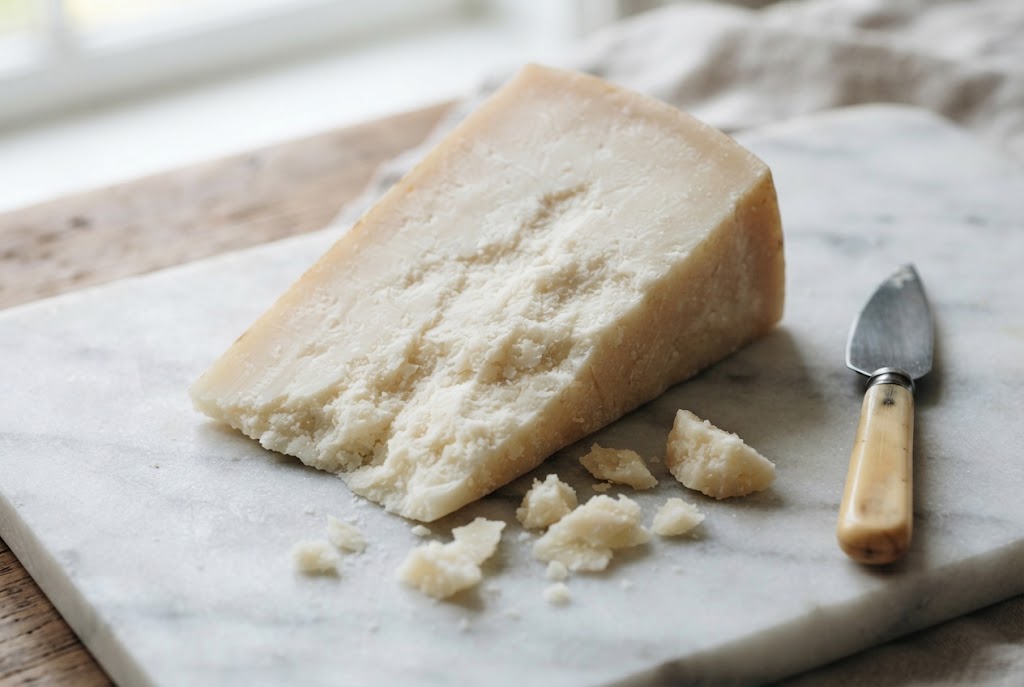
Pecora means sheep. Pecorino Romano is DOP-protected, made from raw sheep's milk, and dry-salted repeatedly over weeks rather than brined once — which is why it's so much saltier than parmesan. Minimum aging is five months for table use, eight for grating.
- Taste
- very salty, sharp, tangy, faintly gamey
- Texture
- hard, dry, granular, crumbles into shards
- Look
- white to pale straw, much whiter than Parmigiano
Sheep's milk plus repeated dry-salting is the mechanism. Sheep's milk has roughly twice the fat and protein of cow's milk and a distinctive tangy, slightly gamey character. Layer weeks of dry salt on top of that and you get a cheese that reads as seasoning rather than as a mild snack — which is why it's grated over pasta and eaten in small pieces on a board.
What it pairs with — and why
| Pair it with | Why it works |
|---|---|
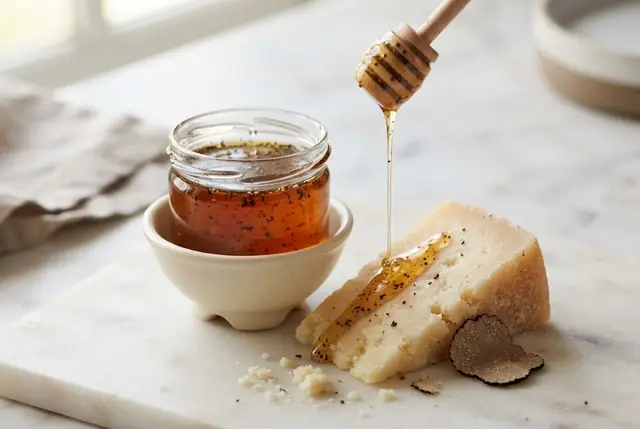
| Honey — especially chestnut or wildflower | Sweet against a very salty cheese. The traditional Roman pairing and the one that rescues it. |
| Fresh fava beans, in spring | The Roman May Day dish. Green, sweet and raw against sharp salt. |
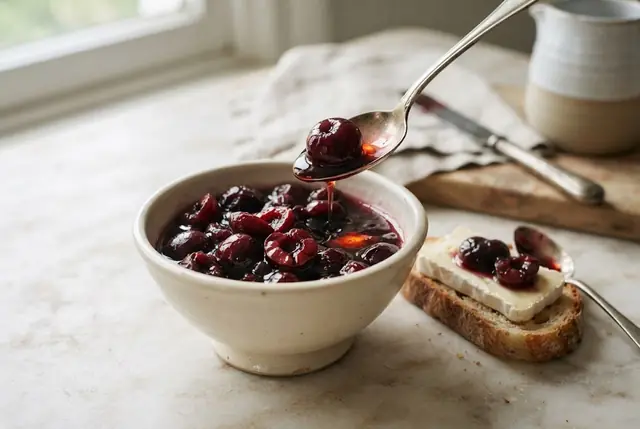
| Pears and figs | Fruit sugar and water cutting the salt. |
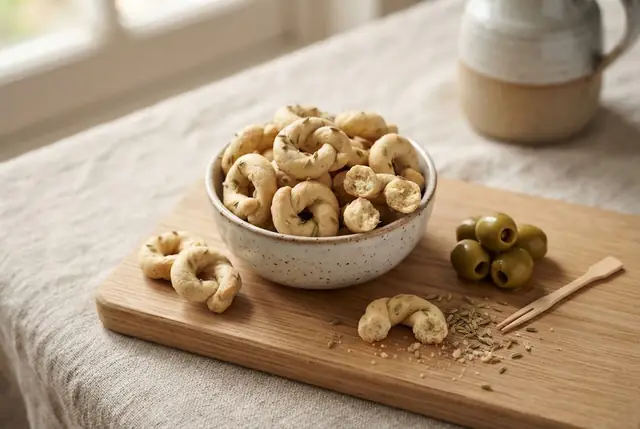
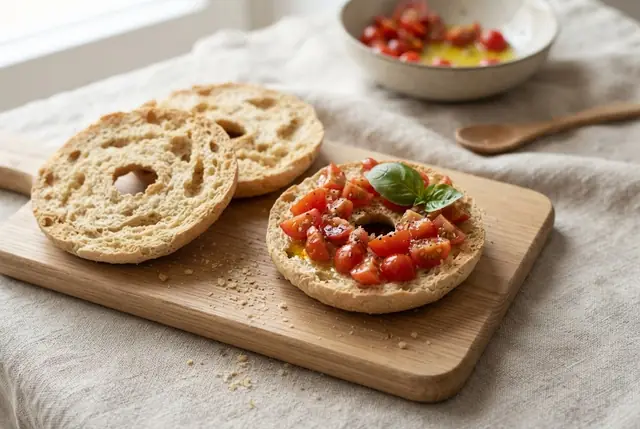
| Taralli and friselle | Plain Southern Italian bread with a Southern Italian cheese. |
| Walnuts | Tannin and oil against dry salt crystals. |
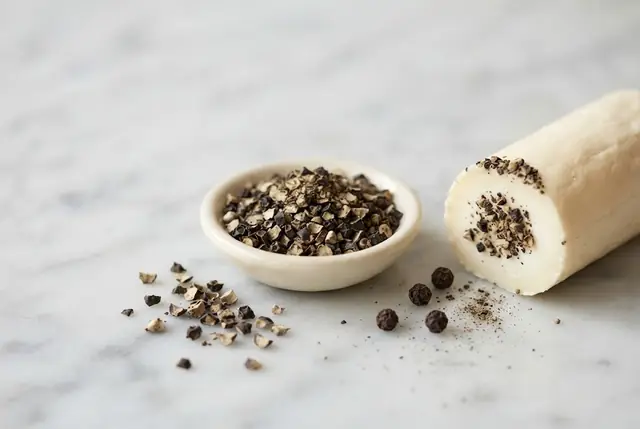
| Cracked black pepper | Cacio e pepe logic. Pepper's heat lifts the cheese. |
| Big reds — Montepulciano, Primitivo, Barolo | Tannin to stand up to the salt. |
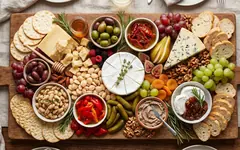
Skip it with: feta and other salty cheeses — that's salt twice, and both lose — and delicate fresh cheeses, which it obliterates. One aggressive salty cheese per board.
How to prep it for the board
- Serve less than you think. Three-quarters of an ounce per person is plenty. It's the saltiest cheese most people will meet on a board.
- Break it into small shards with a short parmesan knife.
- Temper 30 minutes. Cold, it's just salt; warm, the tang and the sheep character come through.
- Put honey directly beside it with a spoon. Without something sweet nearby it dominates the whole board.
- Place it away from the cured meats — prosciutto and pecorino together is salt on salt.
- Trim the rind. It's hard, dark and inedible.
- Fix: if it's overwhelming everyone, move it to the edge and add more fruit around it. There's no way to make it milder.
What to buy
| Product | Where | Notes |
|---|---|---|
| Pecorino Romano DOP | Grocery cheese case, Whole Foods, Italian delis | The standard. Check for the DOP stamp on the rind. |
| Locatelli Pecorino Romano | Most grocery stores | The most widely distributed brand in the US. Reliable. |
| Fulvi Pecorino Romano | Cheese counters, specialty | Made in Lazio rather than Sardinia. Rounder and less harsh. |
| Pecorino Sardo | Cheese counters, Italian delis | Sardinian, milder and nuttier. A gentler alternative. |
| Pecorino Toscano | Cheese counters, Whole Foods | Much milder and softer — see its own page. |
| Trader Joe's Pecorino Romano | Trader Joe's | Cheap and serviceable. |
Label check: DOP on the rind, and note the production zone. Lazio-made wheels are generally rounder and less harshly salty than Sardinian ones.
Skip: generic "Romano" without the DOP mark. Often a cow's-milk imitation and much less interesting.
Quick FAQ
Why is pecorino so much saltier than parmesan?
It's dry-salted repeatedly over weeks rather than brined once, and sheep's milk carries salt differently than cow's milk.
Pecorino Romano vs. Pecorino Toscano?
Romano is hard, dry and very salty. Toscano is softer, milder and much more approachable on a board.
How much per person?
Under an ounce. It's very intense.
What's the one thing to serve with it?
Honey. It's the traditional Roman pairing and it makes the cheese work on a board.
Can I use it instead of parmesan?
For grating, often yes — but reduce the salt elsewhere in the dish. On a board they're genuinely different cheeses.