Pairings Wine Chianti & Sangiovese
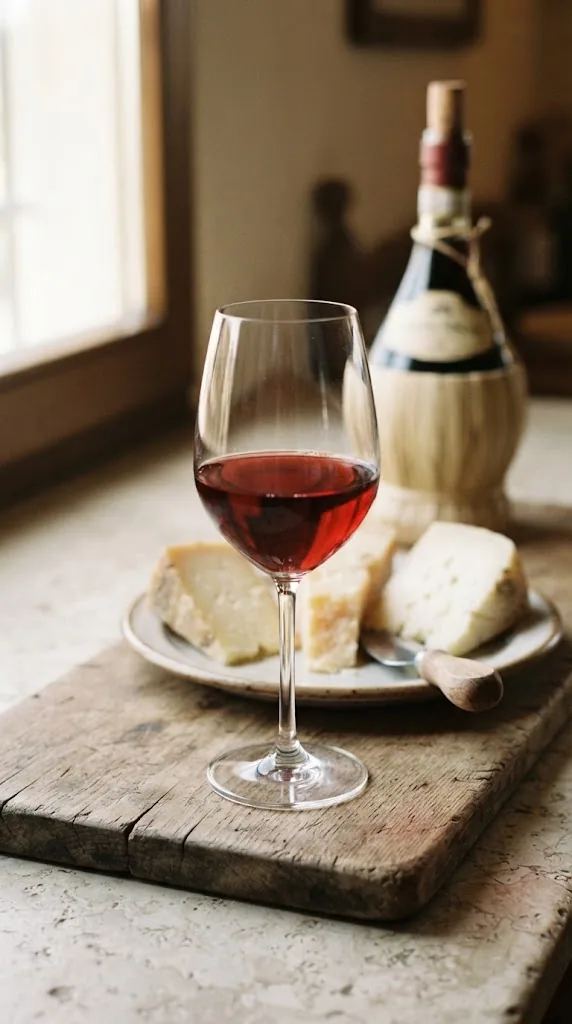
Wine pairing guide
Chianti & Sangiovese pairings: cheese, charcuterie & more
You’re in. Here it is:You’re subscribed. Your free download:
Download the Pairing Cheat Sheet (PDF)Also free: the Cheat Sheet and Board 01 from the book. The weekly Lab Report starts with the next issue.
Want every board planned for you? 50 boards in the book · $14
As an Amazon Associate I earn from qualifying purchases. How that works
Chianti and other Sangiovese wines go best with Parmigiano-Reggiano, Pecorino Toscano, finocchiona and prosciutto. High acid and savory cherry fruit are made for Italian cheese and salumi.
- Body
- Tannin
- Acidity
- Sweetness
Serve: 60–65°F
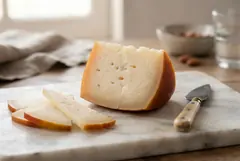 #1Pecorino ToscanoTuscan sheep's cheese with a Tuscan red.
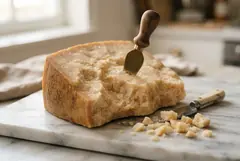 #2Parmigiano-ReggianoSalty crystals and bright acid make each other taste better.
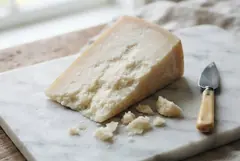 #3Pecorino RomanoSalty and sharp; Sangiovese's acid keeps up.
Tuscany's grape: tart cherry, dried herbs and bright acid. It's built for salty, savory Italian food, so an antipasto board is its home turf.
Pouring for a whole board? The charcuterie board wine pairing guide plans one, two or three bottles, meat by meat and cheese by cheese.
The best pairings for Chianti & Sangiovese
| Pair it with | Why it works | Rule |
|---|---|---|
| Pecorino ToscanoCheese | Tuscan sheep's cheese with a Tuscan red. | What grows together goes together |
| Parmigiano-ReggianoCheese | Salty crystals and bright acid make each other taste better. | Acid cuts richness |
| Pecorino RomanoCheese | Salty and sharp; Sangiovese's acid keeps up. | Acid cuts richness |
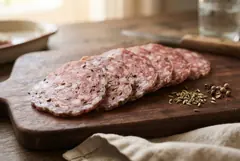 FinocchionaCured Meat & Seafood | Tuscany's fennel salami. The local match. | What grows together goes together |
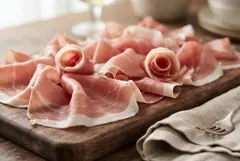 Prosciutto di ParmaCured Meat & Seafood | Salty ham and tart cherry. | Salt loves sweet |
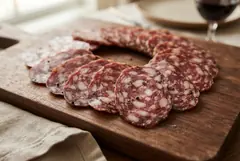 SoppressataCured Meat & Seafood | Fatty, peppery salami meets firm tannin. | Fat tames tannin |
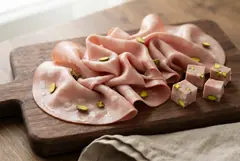 MortadellaCured Meat & Seafood | Rich, silky pork cut by high acid. | Acid cuts richness |
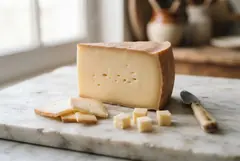 FontinaCheese | Mild, melting Italian cheese. | What grows together goes together |
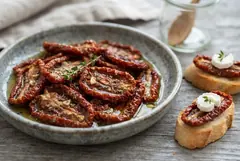 Sun-Dried TomatoesPickles, Olives & Briny | Tomato and Sangiovese: both high-acid. | Acid cuts richness |
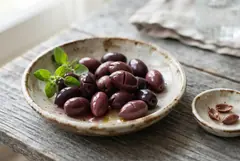 Kalamata OlivesPickles, Olives & Briny | Briny and savory with a savory red. | Match the weight |
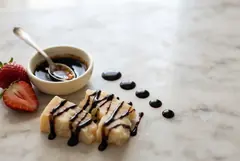 Balsamic GlazeFinishing Touches | Sweet-tart glaze on Parmigiano with Chianti. | What grows together goes together |
Chianti, Classico or Riserva?
All three are Sangiovese from Tuscany. The label tells you how much body and oak to expect: plain Chianti is the lightest, Chianti Classico (the black rooster on the neck) has more structure, and Riserva is aged at least two years before release.
| Style | What it tastes like | Best on the board | Also on the board |
|---|---|---|---|
| Chianti | Bright sour cherry, high acid, light tannin | Pecorino Romano, young pecorino | Mortadella, olives, sun-dried tomatoes |
| Chianti Classico | Cherry, dried herbs and a savory edge, firmer tannin | Parmigiano-Reggiano, Pecorino Toscano | Finocchiona, prosciutto |
| Chianti Classico Riserva or Gran Selezione | Fuller and more oaky: dried cherry, leather, spice | Long-aged Parmigiano-Reggiano, aged pecorino | Soppressata, balsamic glaze, walnuts |
Skip brie and other soft, bloomy cheeses with any of them: Chianti's acid makes them taste sour.
Chianti & Sangiovese pairing: quick answers
What cheese goes with Chianti?
- Best match: Pecorino Toscano — Tuscan sheep's cheese with a Tuscan red
- Also good: Parmigiano-Reggiano, Pecorino Romano, Fontina
What meat goes with Chianti?
- Best match: Finocchiona — Tuscany's fennel salami. The local match
- Also good: Prosciutto di Parma, Soppressata, Mortadella
What should you avoid with Chianti & Sangiovese?
- Brie — too mild for the acid and tannin
- Lemon Curd — sweet citrus makes the wine sour
- Smoked Salmon — fish and firm tannin taste metallic
Skip these with Chianti & Sangiovese
- Brie Too mild for the acid and tannin.
- Lemon Curd Sweet citrus makes the wine sour.
- Smoked Salmon Fish and firm tannin taste metallic.
Budget swap
Chianti Classico is the step up; Montepulciano d'Abruzzo is a softer, cheaper cousin for pizza-night boards.
Cheeses on this page: Pecorino Toscano, Parmigiano-Reggiano, Pecorino Romano, Fontina.
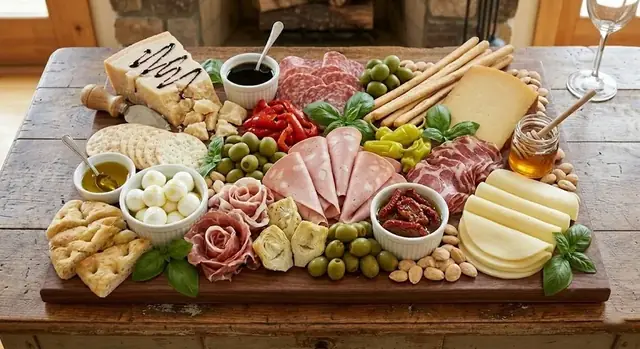
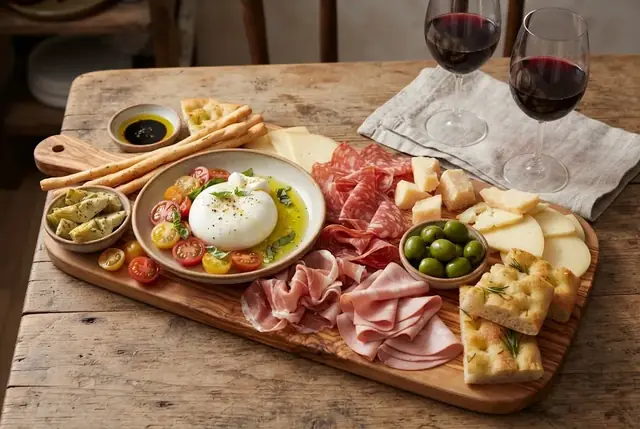
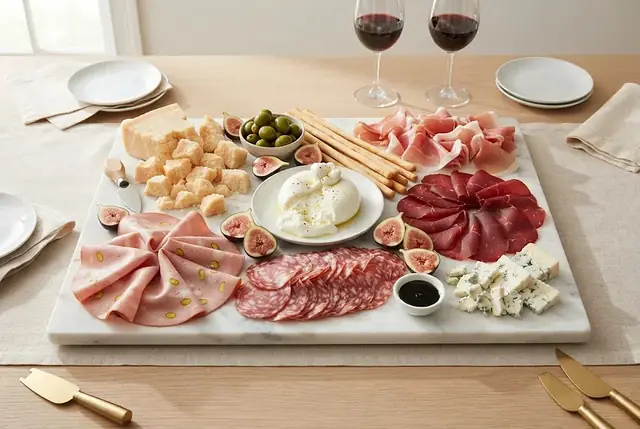
Boards to pour Chianti & Sangiovese with
Why these work
- What grows together goes together Foods and drinks from the same region grew up on the same tables, so Manchego and Rioja or Parmigiano and Lambrusco rarely miss.
- Acid cuts richness Bright acid in wine, fruit or pickles rinses butterfat off your palate, so the next bite of a creamy cheese tastes as good as the first.
- Salt loves sweet Salt makes sweetness taste rounder and sweetness makes salt taste less harsh, which is why ham and melon or blue cheese and honey work.
- Fat tames tannin Tannin grips your tongue; fat and protein give it something softer to grab, so a firm red tastes smoother next to aged cheese or salami.
- Match the weight Light with light, bold with bold. A delicate cheese disappears next to a heavy red; a pungent one flattens a crisp white.
Similar bottles: Cabernet Sauvignon · Champagne & Prosecco · Rosé · Moscato
Planning Christmas & Holiday Parties? See the full board plan.
More Chianti & Sangiovese questions
Is Chianti good for an antipasto board?
It's the best choice: acid for the olives and tomatoes, tannin for the salami.