Pairings The Rules
The science
How pairing works: the six rules
You’re in. Here it is:You’re subscribed. Your free download:
Download the Meat & Cheese Pairing Chart (PDF)Also free: the Cheat Sheet and Board 01 from the book. The weekly Lab Report starts with the next issue.
Want every board planned for you? 50 boards in the book · $14
As an Amazon Associate I earn from qualifying purchases. How that works
Good pairings balance opposites or echo similar flavors. Six rules cover almost all of it: fat tames tannin, acid cuts richness, salt loves sweet, match the weight, what grows together goes together, and contrast the texture.
See the rules at scale in our charcuterie pairing data study: 2,521 pairings across 375 ingredients.
1 Fat tames tannin
Tannin grips your tongue; fat and protein give it something softer to grab, so a firm red tastes smoother next to aged cheese or salami.
- Pinot Noir + Prosciutto di Parma: Silky, salty ham and soft tannin: nothing to clash.
- Cabernet Sauvignon + Aged Cheddar: Sharp, crumbly cheddar softens tannin and stands up to blackcurrant fruit.
- Cabernet Sauvignon + Parmigiano-Reggiano: Salty, savory crystals make the fruit taste riper.
- Cabernet Sauvignon + Manchego: Aged sheep's milk has the fat and firmness Cabernet wants.
- Cabernet Sauvignon + Genoa Salami: Pork fat coats the tongue so tannin feels smoother.
- Cabernet Sauvignon + Soppressata: Coarse, fatty and peppery: a match for dark fruit and oak.
2 Acid cuts richness
Bright acid in wine, fruit or pickles rinses butterfat off your palate, so the next bite of a creamy cheese tastes as good as the first.
- Pinot Noir + Aged Gouda: Caramel and crunch against red fruit; the wine keeps the richness in check.
- Pinot Noir + Taleggio: Washed-rind funk is tamed by bright acid instead of fought by tannin.
- Champagne & Prosecco + Brie: Creamy against crisp; the acid resets your palate every sip.
- Champagne & Prosecco + Prosciutto di Parma: Salt and fat, rinsed clean by bubbles.
- Champagne & Prosecco + Smoked Salmon: Oily fish and crisp acid, the brunch classic.
- Sauvignon Blanc + Feta: Salty brine and bright citrus.
-
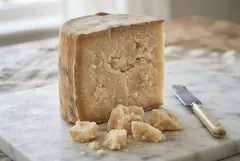
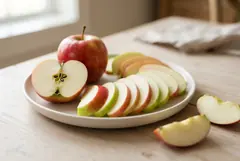
Perfect Pair · Acid cuts richness
Aged Cheddar + Apple
Crisp, tart apple cuts the fat of a sharp cheddar and resets your palate.
-
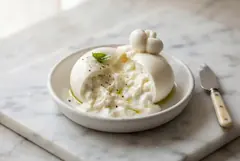
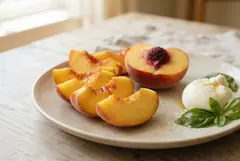
Perfect Pair · Acid cuts richness
Burrata + Peaches
Juicy peach acidity cuts through burrata's cream. Summer's best two-ingredient plate.
-
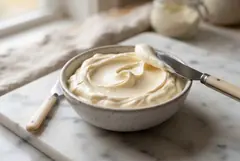
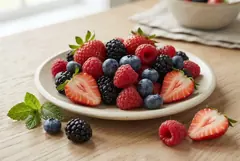
Perfect Pair · Acid cuts richness
Mascarpone + Berries
Sweet, rich mascarpone needs tart fruit, and berries bring exactly that.
Read the full science → All 38 combinations built on this rule →
3 Salt loves sweet
Salt makes sweetness taste rounder and sweetness makes salt taste less harsh, which is why ham and melon or blue cheese and honey work.
- Pinot Noir + Dried Cherries: Mirrors the wine's own fruit and bridges it to the cheese.
- Cabernet Sauvignon + Dried Figs: Jammy sweetness plays off black fruit.
- Champagne & Prosecco + Parmigiano-Reggiano: Salty, nutty crystals make the wine taste richer.
- Champagne & Prosecco + Caviar: The famous splurge: brine and bubbles.
- Sauvignon Blanc + Prosciutto di Parma: Salty ham against grassy acid, especially with melon.
- Chardonnay + Prosciutto Cotto: Sweet cooked ham and a round white.
-
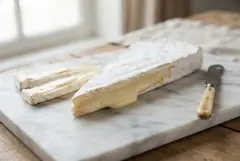
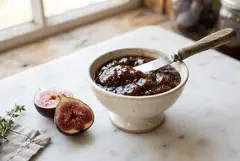
Perfect Pair · Salt loves sweet
Brie + Fig Jam
Sweet, dense jam against mild, salty cream. The pairing most people try first, for good reason.
-
Perfect Pair · Salt loves sweet
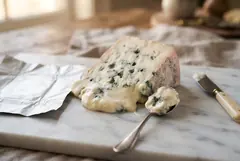
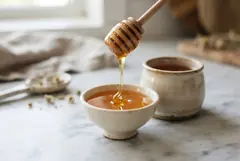
Gorgonzola + Honey
Honey rounds off blue cheese's salty, peppery bite, and the salt makes the honey taste less sugary.
-
Perfect Pair · Salt loves sweet
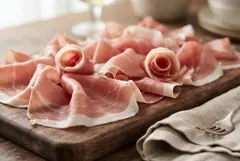
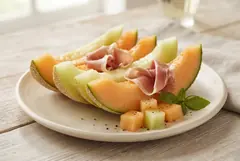
Prosciutto + Melon
Salt makes the melon sweeter; the melon's water makes the ham taste silkier.
Read the full science → All 36 combinations built on this rule →
4 Match the weight
Light with light, bold with bold. A delicate cheese disappears next to a heavy red; a pungent one flattens a crisp white.
- Pinot Noir + Gruyère: Nutty, sweet-savory crystals meet Pinot's red cherry and earth. The classic.
- Pinot Noir + Comté: Brown-butter and hazelnut notes echo the wine's forest-floor side.
- Pinot Noir + Brie: Mushroomy rind meets an earthy red. Serve the brie at room temperature.
- Pinot Noir + Duck Prosciutto: Rich, gamey duck is Pinot's favorite meat in any form.
- Pinot Noir + Marinated Mushrooms: Earth meets earth; the wine's acid handles the marinade.
- Cabernet Sauvignon + Aged Gouda: Caramel crystals and a firm paste match the wine's weight.
-
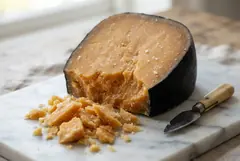
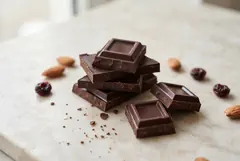
Perfect Pair · Match the weight
Aged Gouda + Dark Chocolate
Aged gouda tastes of butterscotch; dark chocolate brings bitter cocoa. Each makes the other taste richer.
-
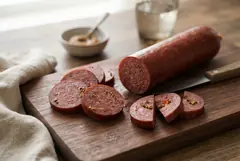
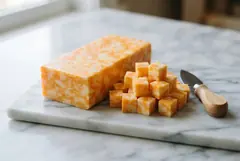
Perfect Pair · Match the weight
Summer Sausage + Colby Jack
Tangy, smoky sausage and a mild, melty-soft cheese. Neither shouts, so both get eaten fast.
-
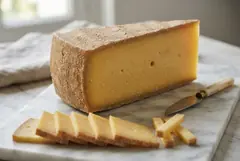
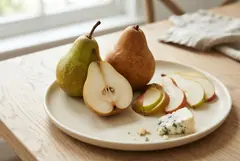
Perfect Pair · Match the weight
Comté + Pear
Comté's brown-butter nuttiness and a juicy pear: sweet, savory and fresh.
Read the full science → All 16 combinations built on this rule →
5 What grows together goes together
Foods and drinks from the same region grew up on the same tables, so Manchego and Rioja or Parmigiano and Lambrusco rarely miss.
- Pinot Noir + Pâté de Campagne: Country pâté's herbs and pork fat are made for a Burgundy-style red.
- Champagne & Prosecco + Comté: Nutty and savory, a classic with Champagne's toasty notes.
- Champagne & Prosecco + Gougères: Cheese puffs and Champagne: Burgundy's own aperitif.
- Sauvignon Blanc + Fresh Chèvre: Tang meets tang; acid on acid makes both taste creamier.
- Sauvignon Blanc + Crottin de Chavignol: From Sancerre's own village. The textbook regional match.
- Sauvignon Blanc + Sainte-Maure de Touraine: Loire goat cheese with a Loire wine.
-
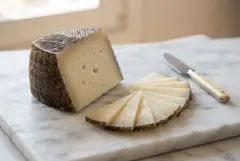
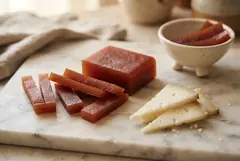
Perfect Pair · What grows together goes together
Manchego + Membrillo
Spain's nutty sheep's cheese with its own quince paste. Firm and sweet, salty and floral.
-
Perfect Pair · What grows together goes together
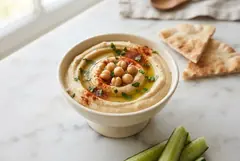
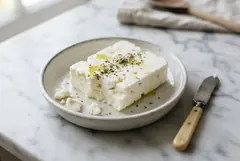
Hummus + Feta
Smooth, earthy hummus with salty, crumbly feta. The feta does the seasoning for you.
-
Perfect Pair · What grows together goes together
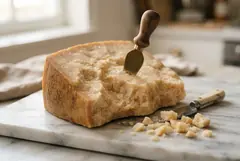
Parmigiano + Prosciutto
Two products of Parma, both aged for months. Savory crystals meet sweet, silky ham.
Read the full science → All 20 combinations built on this rule →
6 Contrast the texture
Crisp against creamy and chewy against crunchy keeps every bite interesting; bubbles do the same job in a glass.
- Pinot Noir + Walnuts: Gentle bitterness and oil soften the wine's acid.
- Cabernet Sauvignon + Walnuts: Tannic skins and oil line up with the wine's grip.
- Champagne & Prosecco + Triple-Crème: Pure butterfat, lifted by bubbles. The best pairing in this hub.
- Champagne & Prosecco + Marcona Almonds: Fried, salty almonds and a cold glass. Simple and perfect.
- Champagne & Prosecco + Parmesan Crisps: Salty crunch against fizz.
- Chardonnay + Marcona Almonds: Toasty nuts, toasty oak.
-
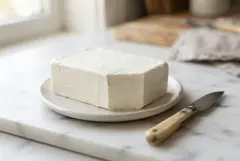
Perfect Pair · Contrast the texture
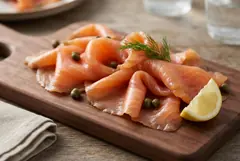
Smoked Salmon + Cream Cheese
Cool, tangy cream cheese softens smoke and salt. The bagel-shop pair, made for crackers.
-
Perfect Pair · Contrast the texture
Burrata + Prosciutto
Cool, milky cream against salty, silky ham.
-
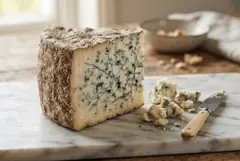
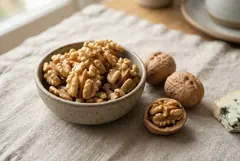
Perfect Pair · Contrast the texture
Stilton + Walnuts
Crunchy, slightly bitter walnuts against rich, crumbly blue.
Read the full science → All 40 combinations built on this rule →