The short version
The four board berries — strawberry, raspberry, blackberry, blueberry — do the same job: sharp acid and strong colour against pale fat. Rinse them at the last possible moment and dry them properly, or they'll leak onto everything.
What it is
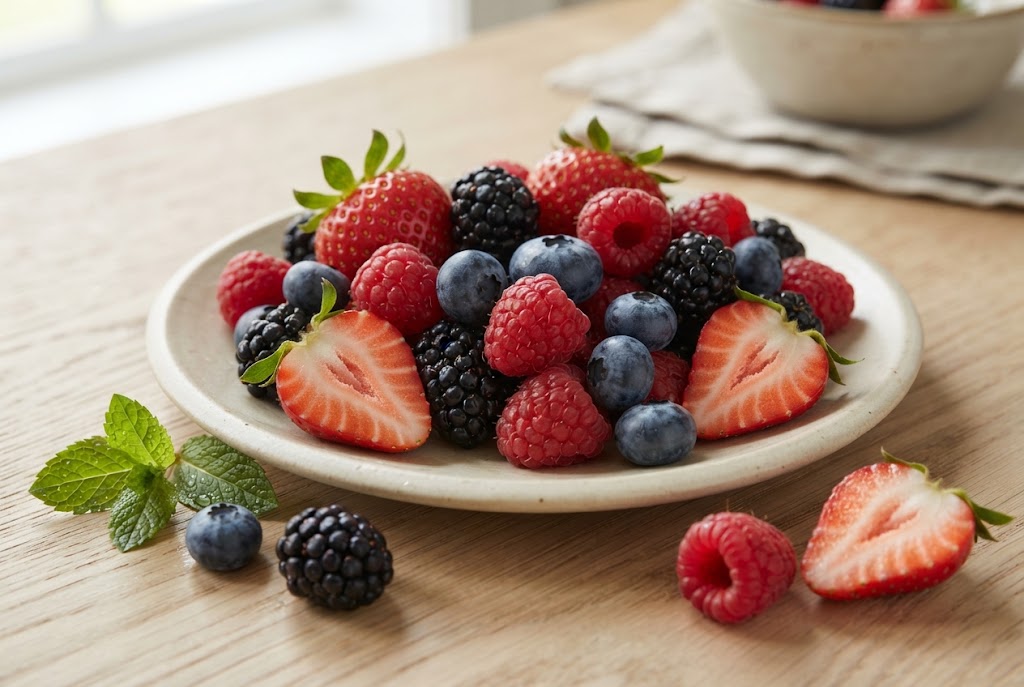
Strawberries are the largest and sweetest, and the only one worth halving. Raspberries are the tartest and most fragile — hollow, and they collapse if stacked. Blackberries are the most tannic, with a faint winey depth. Blueberries are the firmest and the least acidic, and they roll.
- Taste
- tart to sweet depending on type, all with real acidity
- Texture
- soft and juicy; blueberries are firm and snapping
- Look
- the strongest reds, purples and blacks available on any board
Anthocyanins are the mechanism, and they do two jobs. They're the pigments that give berries their intensity — the deepest colours you can put next to cream and tan cheese — and they carry a mild astringency that, with the acid, cuts fat more sharply than a grape does.
What it pairs with — and why
| Pair it with | Why it works |
|---|---|
| Triple-crème and brie | Sharp fruit acid against saturated butterfat. The single most effective use of berries on a board. |
| Mascarpone or whipped ricotta | Berries and sweet cream. The dessert corner. |
| Fresh chèvre | Tangy white cheese with tart red fruit. |
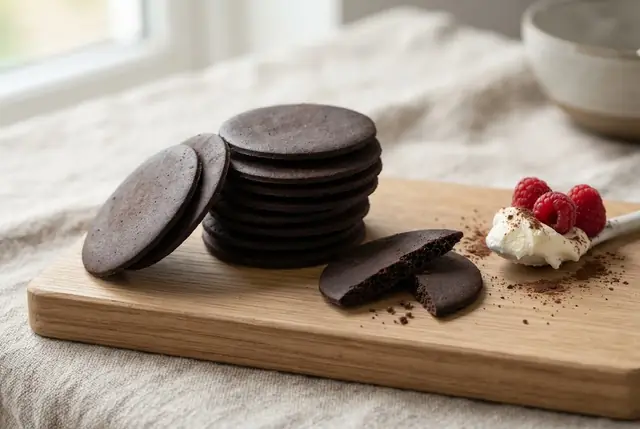
| Dark chocolate | Raspberry and dark chocolate especially. |
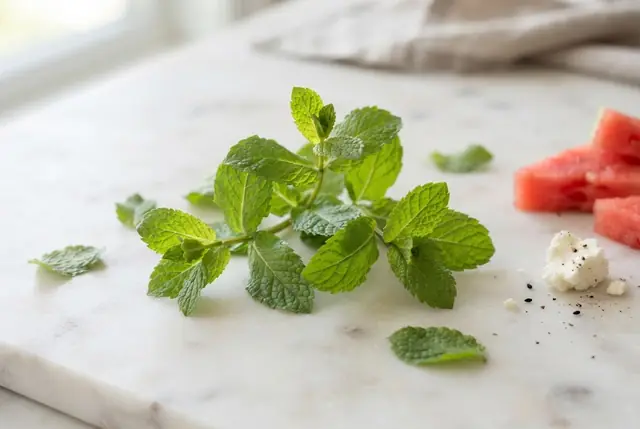
| Honey and mint | Sweet and herbal on tart fruit. |
| Prosciutto | Strawberries and prosciutto is less obvious than melon and just as good. |
| Champagne, prosecco, rosé | Bubbles and berries. |
Skip it with: strongly savoury or smoked items — berries are a sweet-corner fruit and they clash with smoked fish or spiced sausage.
How to prep it for the board
- Rinse at the last minute and dry thoroughly. This is the whole page. Wet berries bleed onto cheese and turn crackers soggy. Lay them on a towel and pat.
- Never rinse in advance and store wet — they go mouldy within hours.
- Halve strawberries lengthwise, leaving the green top on. Leave the other three whole.
- Group by type in small clusters rather than mixing them into a scatter. Four separate colour blocks read as composed; a mixed pile reads as trail mix.
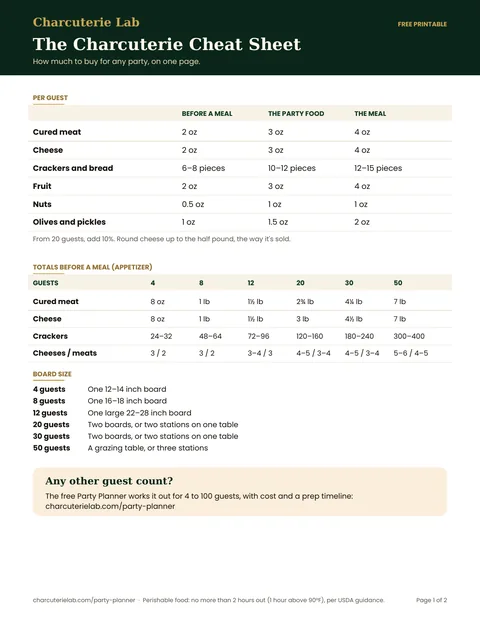
- Serve 2–3 oz per person.
- Put them at the sweet end, near the soft cheeses and the honey.
- Fix: one mouldy berry contaminates the punnet fast — sort them before they go anywhere near the board.
What to buy
| Product | Where | Notes |
|---|---|---|
| Strawberries | Any grocery, best in spring–summer | Look for full red to the shoulders and green caps. White shoulders mean picked early. |
| Raspberries | Any grocery | The most fragile. Check the bottom of the punnet for crushed fruit. |
| Blackberries | Any grocery | Deep matte black, not shiny red-black. Shiny means underripe and sour. |
| Blueberries | Any grocery, year-round | The most robust and the easiest to buy. Look for a pale silvery bloom. |
| Farmers market berries, in season | Local, summer | A different food from supermarket berries. Worth the trip. |
| Frozen berries | Any grocery | Not for a board — they weep as they thaw. |
Label check: turn the punnet over. Juice stains or crushed fruit on the bottom means the whole box is close to going.
Skip: rinsing them the night before. It's the single fastest way to ruin berries.
Quick FAQ
When should I wash berries?
Right before serving, then dry them thoroughly on a towel. Washing early makes them mould.
Which berries are best for a cheese board?
Blackberries and raspberries for tartness and colour, strawberries for size, blueberries for durability. A mix of two looks better than all four.
Do I halve strawberries?
Yes — lengthwise, with the green top left on.
How much per person?
2–3 oz across all types.
How do I stop them bleeding onto the cheese?
Dry them properly, and give them their own small dish or a clear space rather than nestling them against soft cheese.