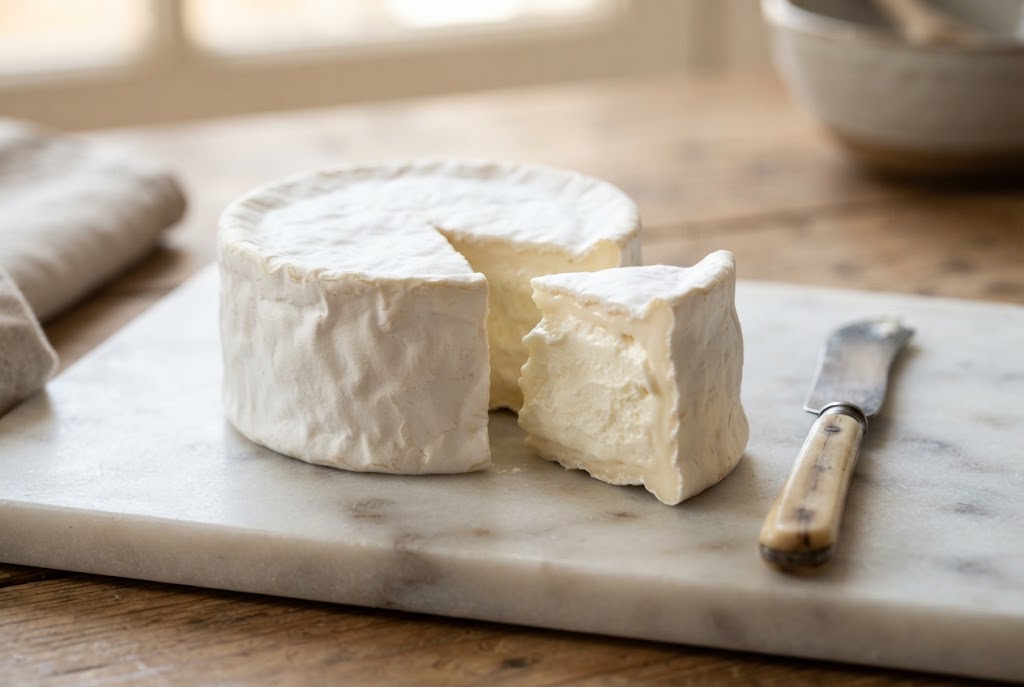
The short version
A soft cheese with extra cream added to the milk before it's made — legally at least 75% butterfat in the dry matter. It tastes like salted whipped butter with a bloomy rind. Serve less than you think, and always with something sharp beside it.
What it is
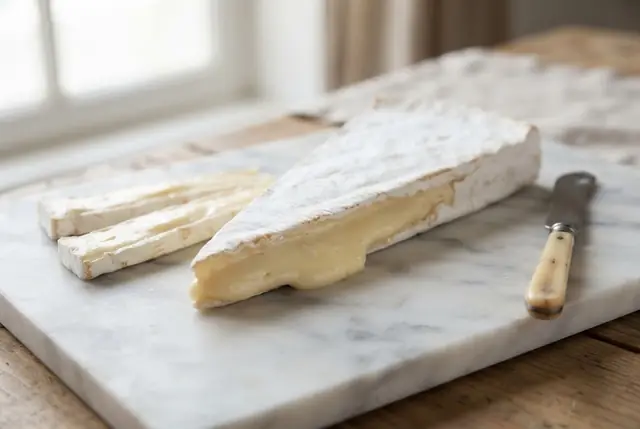
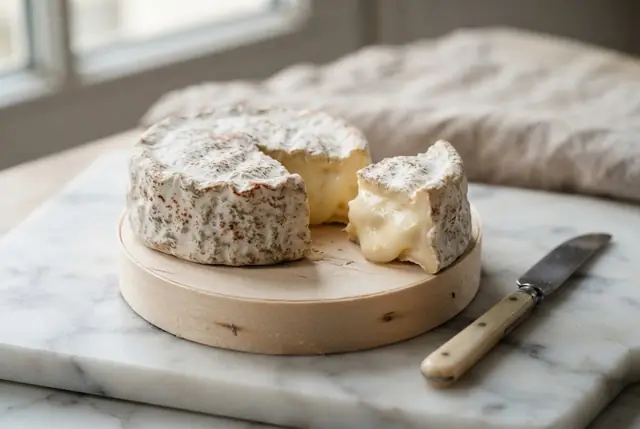
Double-crème starts at 60% butterfat; triple-crème at 75%. The cream goes in before culturing, so the fat is part of the paste rather than a coating. Most wear a white bloomy rind like brie, but the paste beneath is denser, whiter and far richer. Brillat-Savarin, Saint-André, Delice de Bourgogne and Pierre Robert are the names to know.
- Taste
- buttery, tangy, faintly salty, almost sweet
- Texture
- dense, silky, spoonable at room temperature
- Look
- bright white paste, thick and even, under a white rind
Saturation is the mechanism. Fat coats the tongue and stays there, which is what makes triple-crème feel luxurious for two bites and heavy by the fourth. Every good pairing here is doing the same job — stripping that coating off so the next bite lands as clearly as the first.
What it pairs with — and why
| Pair it with | Why it works |
|---|---|
| Champagne or dry sparkling wine | Bubbles and acid physically scrub fat off the palate. The classic pairing and not a coincidence. |
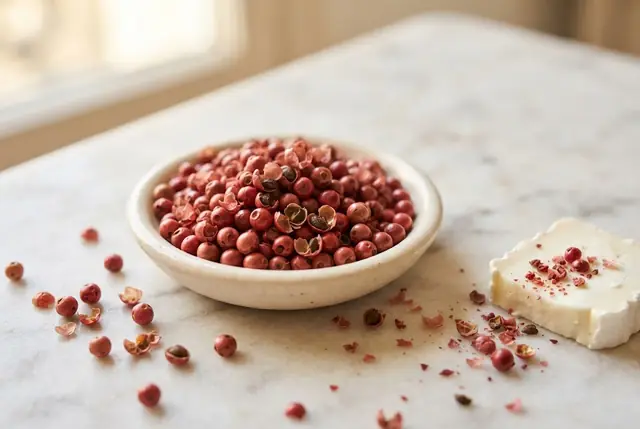
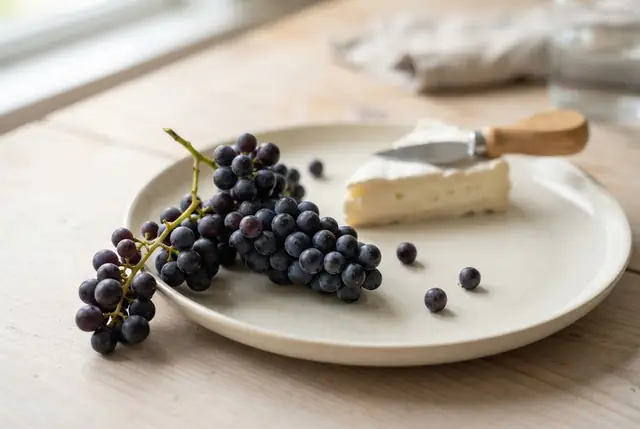
| Tart berries — raspberry, blackberry | Sharp fruit acid against saturated fat. The most effective contrast available. |
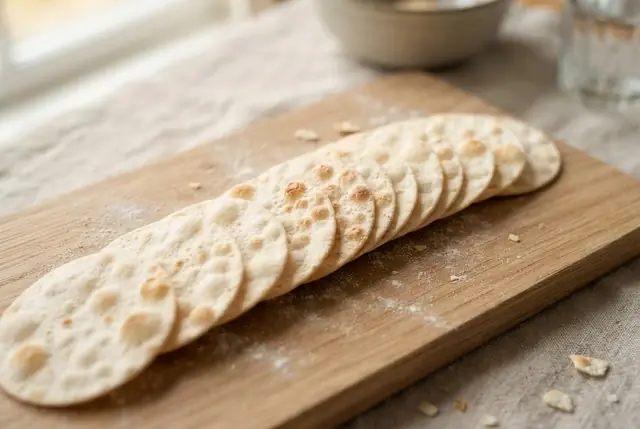
| Water crackers | Lean, dry, no fat of their own. A butter cracker here is fat on fat. |
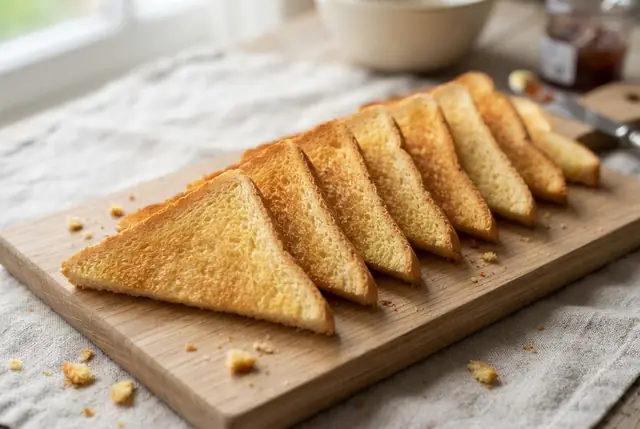
| Brioche toast points | The opposite approach — match the richness instead of cutting it. Reserve for a small, formal board. |
| Cornichons and pickled things | Straight vinegar as a palate reset between bites. |
| Honey and fig jam | Sweetness balances the salt, though it makes an already-rich bite richer. |
| Marcona almonds | Salt and crunch, and something to break the texture. |
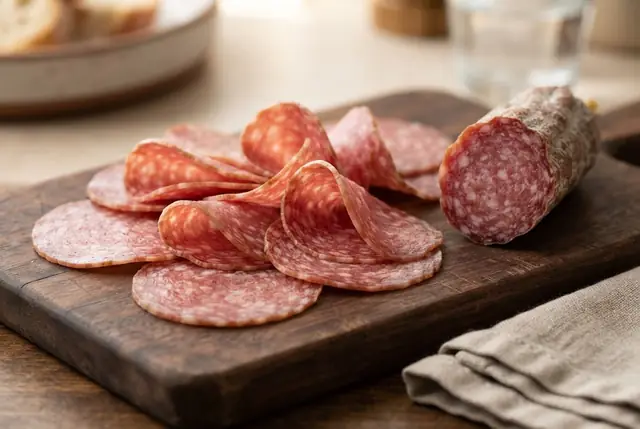
Skip it with: butter crackers and other rich bases, and cured meats — fat on fat with salt on top, and by the second bite nobody can taste anything. Also skip serving two triple-crèmes on one board.
How to prep it for the board
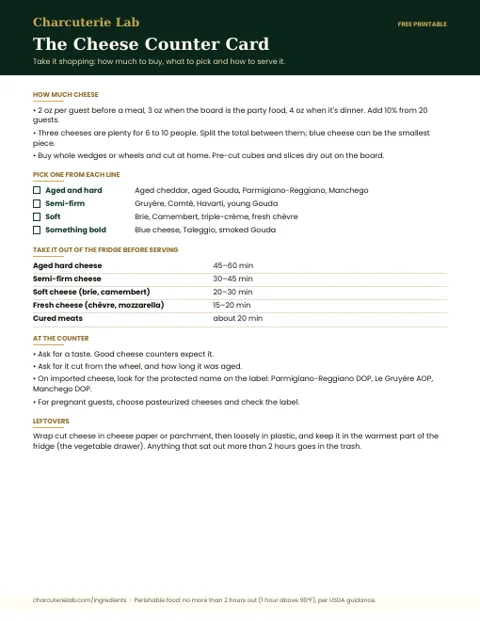
- Temper 20–30 minutes. It should be spoonably soft, not chilled and firm.
- Serve 1 oz per person — half what you'd serve of a firmer cheese. It's very rich and people take small amounts.
- Cut wedges from the center out, and expect the paste to slump. That's correct.
- Put something acidic within arm's reach — berries, cornichons, a sharp jam. This is the pairing that makes the cheese work.
- Give it a spreading knife, not a hard cheese blade. It spreads more than it slices.
- Place it at the mild end of the board, away from blue and washed-rind cheeses.
- Fix: if it's weeping liquid at the cut face, it's fine — that's whey, not spoilage. Blot it and serve.
What to buy
| Product | Where | Notes |
|---|---|---|
| Delice de Bourgogne | Cheese counters, Whole Foods, Murray's | The crowd-pleaser. Rich, tangy, widely liked. Start here. |
| Brillat-Savarin | Cheese counters, specialty shops | The benchmark. Lemony and lighter than it should be for the fat content. |
| Saint-André | Grocery cheese case, Whole Foods | The easiest to find. Very rich, very mild. |
| Pierre Robert | Cheese counters | Aged longer, more savory. The connoisseur pick. |
| Fromager d'Affinois | Grocery cheese case | Technically double-crème, widely stocked, and excellent value. |
| Trader Joe's triple crème brie | Trader Joe's | Cheap entry point to the category. |
Label check: "triple crème" or "75%" on the label. Note the percentage is fat in dry matter, not total weight — the cheese isn't three-quarters fat by the scale.
Skip: buying a large format. This is a cheese people eat an ounce of. A small wedge from the counter beats a half-wheel that goes off.
Quick FAQ
What makes a cheese triple-crème?
Extra cream added to the milk before culturing, bringing it to at least 75% butterfat in the dry matter.
Is it just very rich brie?
Related but different. Brie gets its character from rind ripening; triple-crème gets it from added cream. Triple-crème is denser and less mushroomy.
How much per person?
About 1 oz — half a normal cheese portion. It's extremely rich.
What wine goes with it?
Champagne or any dry sparkling. Acid and bubbles are what make a second bite as good as the first.
Can you eat the rind?
Yes, on the bloomy-rind versions. It's thinner and milder than brie's.