The short version
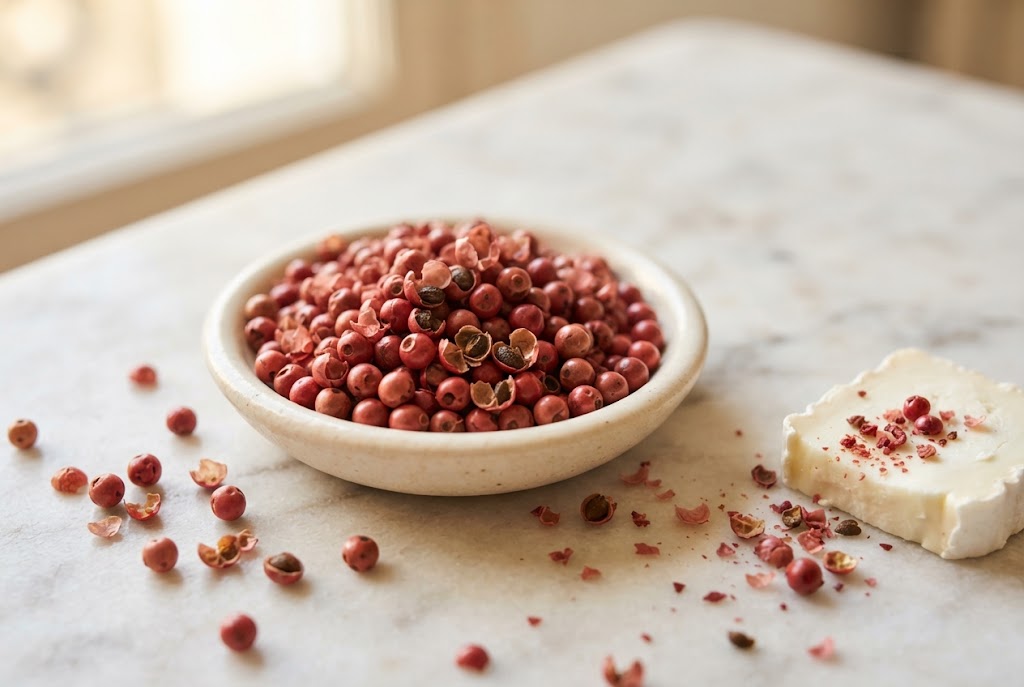
Small rose-coloured berries that look like peppercorns and are not. They have very little heat and a sweet, resinous, faintly piney flavour. Nobody buys them for taste — they buy them because six of them crushed over a white cheese make a board photograph like a magazine, and a jar lasts a year.
What it is
The dried fruit of the Peruvian pepper tree, Schinus molle, or its Brazilian relative. The shell is brittle and hollow, with a tiny seed inside. They are sold whole and are too fragile for a peppermill.
- Taste
- sweet and resinous, faintly piney, with a very late mild pepper note
- Texture
- brittle shell that crushes to almost nothing
- Look
- matte rose-pink spheres, sometimes with paler flecks
The mechanism is aroma without weight. The flavour lives in volatile resins in the brittle shell, and there is so little material in each berry that crushing them releases scent without adding any measurable seasoning. That is why they are a finishing ingredient: they change how a bite smells and how a plate looks, and almost nothing else.
What it pairs with — and why
| Pair it with | Why it works |
|---|---|
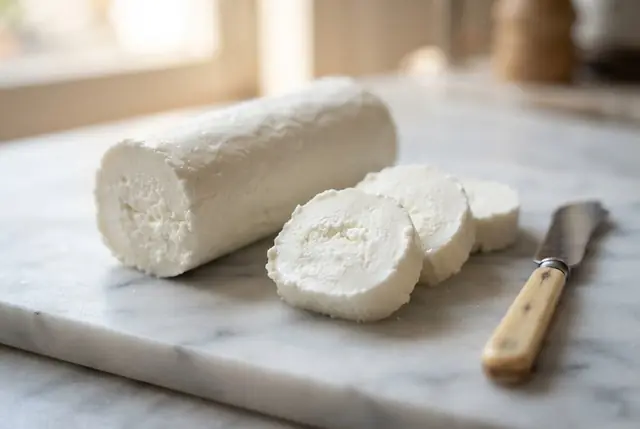
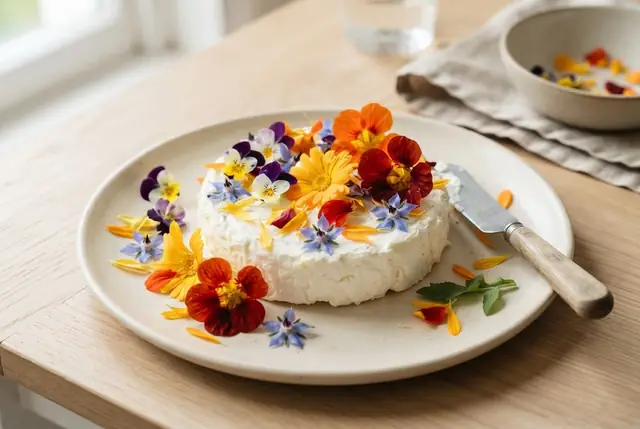
| Fresh goat cheese | White on white with pink flecks. The most photographed pairing on any board, and the resin genuinely suits the lactic tang. |
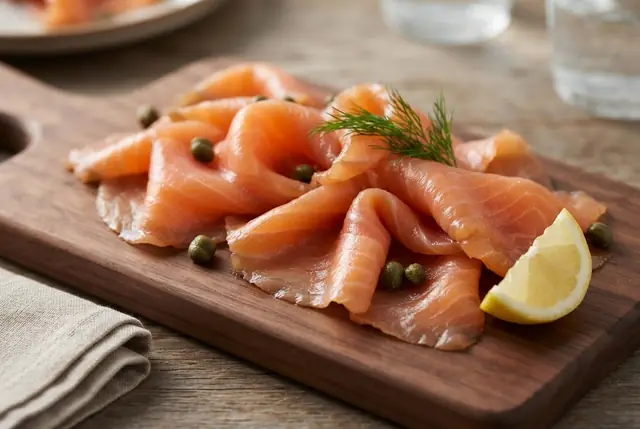
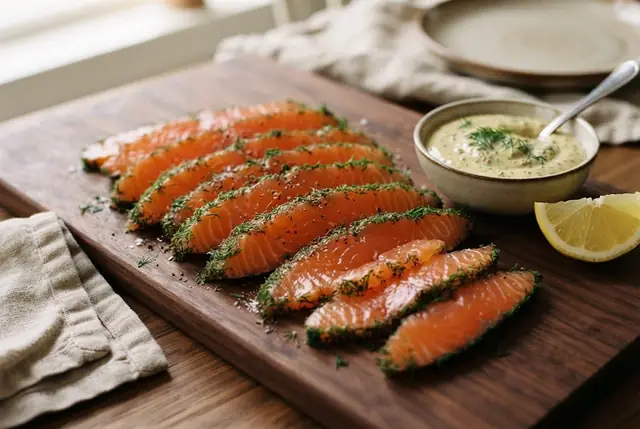
| Smoked salmon | Pink on pink, and the piney note sits well against smoke. |
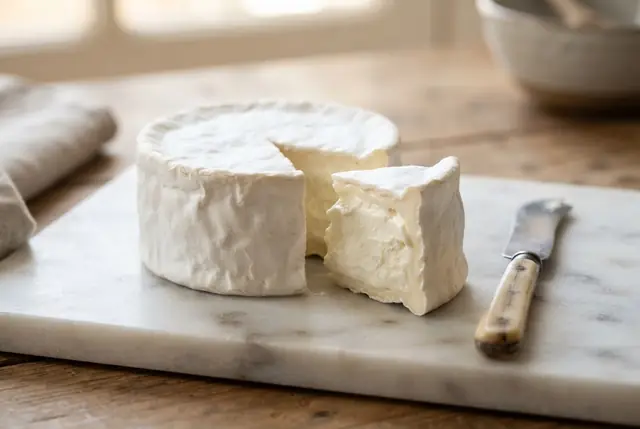
| Triple-crème | Rich, mild and pale. It needs an aromatic more than it needs a flavour. |
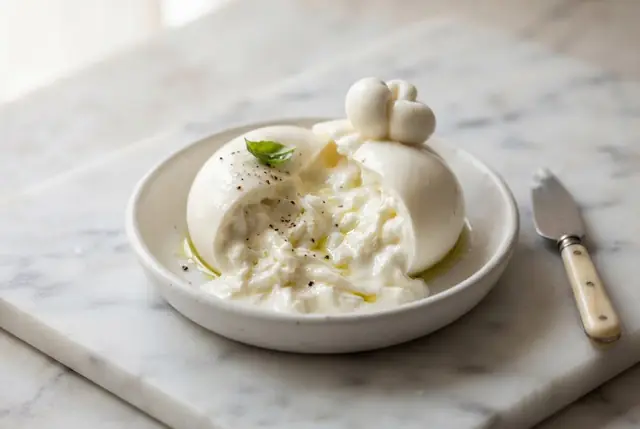
| Burrata | With olive oil and flaky salt. Three finishes, one dish. |
| Gravlax | Dill and pink peppercorn are already a Nordic pairing. |
| Edible flowers | If you are styling, style properly. They belong together. |
Skip it with: anything already loud. On blue cheese or cured sausage they are invisible and pointless.
How to prep it for the board
- Crush them between your fingers as you scatter. Whole, they are decoration; crushed, they are aroma.
- Use them on pale surfaces. On dark food they disappear.
- Add them last, right before the board goes out.
- Six to ten berries per item is plenty.
- Do not put them in a peppermill. They shatter and clog it.
- Tell guests they are there if anyone has a cashew or pistachio allergy.
- Fix: no smell when crushed? The jar is old. They should smell resinous and sweet immediately.
What to buy
| Product | Where | Notes |
|---|---|---|
| Whole pink peppercorns | Spice shops, specialty grocers | The only form worth buying. A small jar lasts a year. |
| Rainbow peppercorn blend | Any grocery | Contains a few pink ones among black, white and green. Fine, but you cannot pick them out easily. |
| Freeze-dried pink peppercorns | Specialty, online | Brighter colour, stronger aroma. Expensive. |
| Pink peppercorns in brine | Specialty | Soft and much more pungent. A different ingredient, good with fish. |
| Ground pink pepper | Rare | Loses the point. The visual is most of the value. |
Label check: bright, even rose colour. Brown, dull berries have lost their oils.
Skip: dusty jars from the back of a supermarket shelf. Colour is the whole product here.
Quick FAQ
Are pink peppercorns real pepper?
No. They are dried berries from a Peruvian pepper tree, unrelated to black pepper. They are barely hot and mostly floral.
Are pink peppercorns safe for nut allergies?
The tree is in the cashew family, so people with severe cashew or pistachio allergies should be told they are on the board.
What do they taste like?
Sweet, resinous and faintly piney, with a very mild peppery finish.
How do you use them on a board?
Crush them lightly between your fingers over pale, soft items — fresh goat cheese, smoked salmon, triple-creme.
How much per person?
A pinch. Their job is largely visual.