The short version
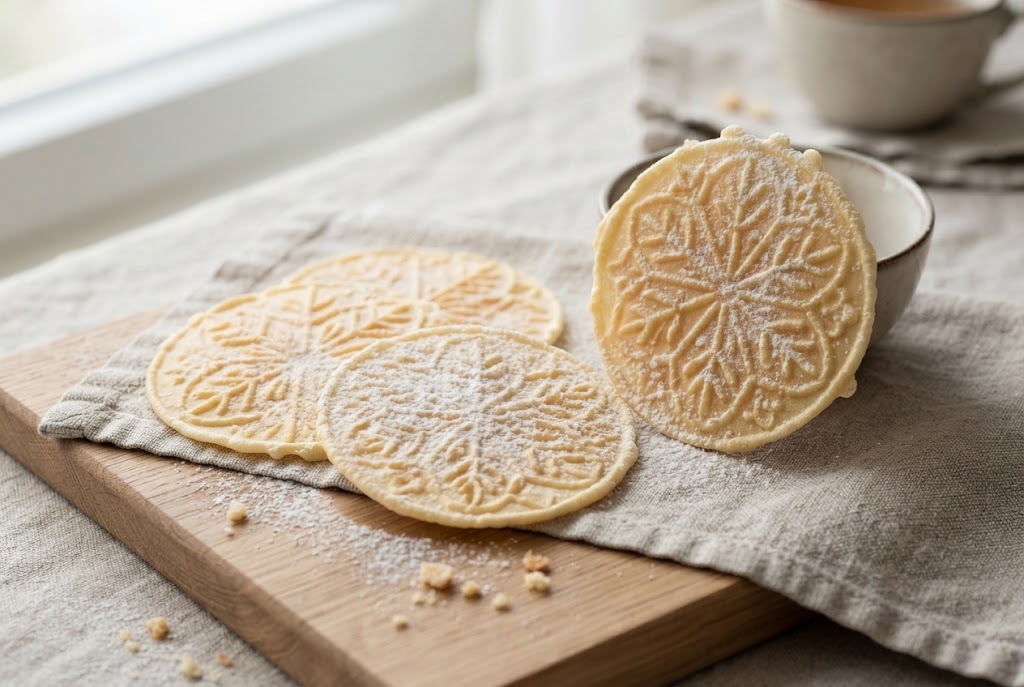
Thin Italian wafers pressed in a patterned iron, usually flavoured with anise or vanilla. They're too fragile to carry cheese, which isn't the point — they lean against a bowl of mascarpone or stand upright behind the fruit and make the sweet corner look like a bakery window.
What it is
A batter of flour, eggs, sugar and butter pressed thin in a hot patterned iron — the same idea as a waffle, taken to wafer thinness. Traditionally Abruzzese, and usually flavoured with anise seed, though vanilla and lemon versions are common.
- Taste
- lightly sweet, buttery, anise or vanilla
- Texture
- crisp and brittle, shatters easily
- Look
- thin pale discs with an intricate snowflake pattern
The mechanism is thinness. A pizzelle is a fraction of a millimetre thick, so it dissolves rather than crunching, and it contributes almost no bulk to a bite. That makes it useless as a base and excellent as a texture and a shape — the one sweet element on a board that works vertically.
What it pairs with — and why
| Pair it with | Why it works |
|---|---|
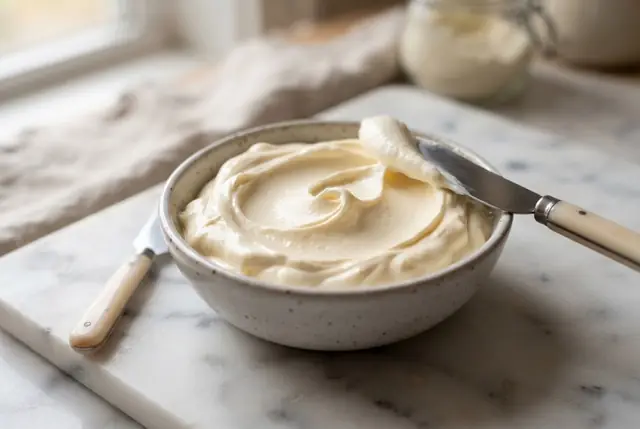
| Mascarpone | Lean one against the bowl and scoop with it. Crisp against soft, and the anise cuts the richness. |
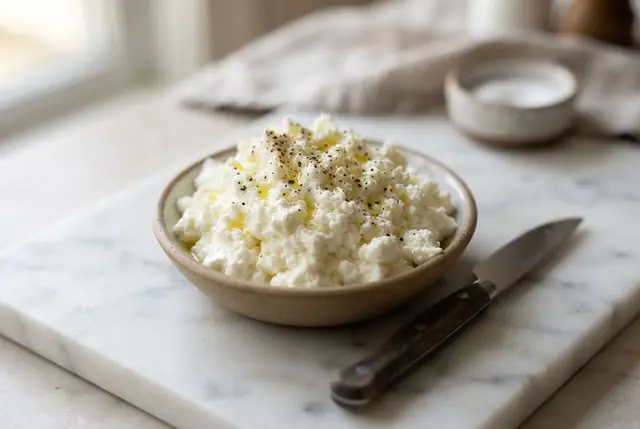
| Fresh ricotta with honey | The same move. Ricotta and pizzelle is an Italian dessert in two ingredients. |
| Berries | Standing behind a pile of berries, they make the sweet corner look composed. |
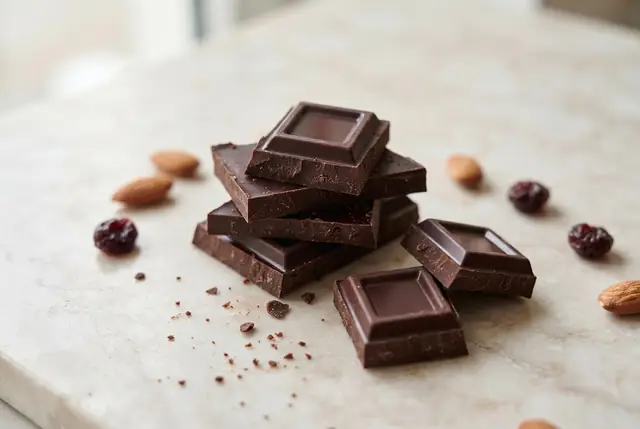
| Dark chocolate | Crumble a pizzelle over chocolate-topped cheese, or dip the edge. |
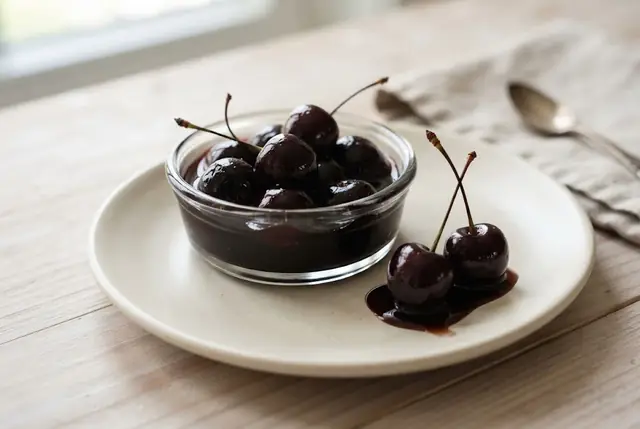
| Brandied cherries | Scoop syrup and fruit with it. |
| Espresso and dessert wine | The traditional service. |
Skip it with: anything you'd actually spread. Pizzelle shatter under a knife.
How to prep it for the board
- Lean them upright against a bowl or stand them in a glass. Flat on the board they look like they've been dropped.
- Handle them carefully. They break if you look at them wrong.
- Break a couple deliberately and scatter the shards — it looks intentional and uses the ones that broke anyway.
- Serve 0.5 oz per person — one or two.
- Keep them in the tin until serving. Humidity ruins them in an hour.
- Put something soft next to them to scoop.
- Fix: gone soft? 275°F for three minutes and cool flat. They re-crisp, but they're fragile hot.
What to buy
| Product | Where | Notes |
|---|---|---|
| Italian pizzelle | Italian delis, grocery | Reko and similar brands. Anise or vanilla. |
| Anise pizzelle | Italian delis | The traditional flavour. Divisive and worth trying. |
| Vanilla or lemon pizzelle | Grocery | Safer with a mixed crowd. |
| A pizzelle iron | Online, Italian shops | If you're going to make them regularly. They're easy and much better fresh. |
| Krumkake | Scandinavian delis | The Norwegian equivalent, often rolled into cones. Equally decorative. |
Label check: they should be pale and evenly patterned. Dark or unevenly baked ones taste burnt at the edges.
Skip: anything that's already broken in the packet — they won't stand up.
Quick FAQ
What are pizzelle?
Thin Italian wafers pressed in a patterned iron, flavoured with anise or vanilla. Crisp, fragile, and highly decorative.
Can you put cheese on a pizzelle?
Not really — they're too thin and fragile. Use them to scoop soft cheese, or lean them upright as a visual element.
Why anise?
It's the traditional Abruzzese flavouring. Vanilla and lemon versions are widely available if anise isn't for you.
How do I keep them crisp?
Leave them in the tin until the moment you serve, and don't put them next to anything wet.
How many per person?
One or two, about half an ounce.