The short version
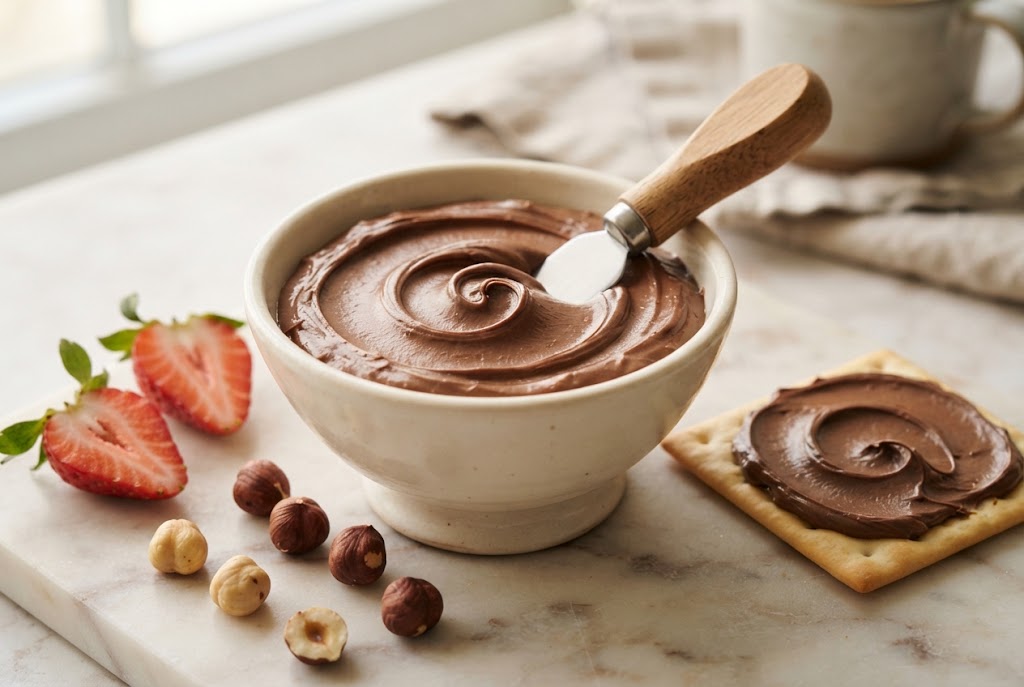
Sweetened chocolate and ground hazelnut, thin enough to spread. Every dessert board needs one item that requires no explanation, and this is it. The upgrade — and it is a real one — is buying an Italian gianduja spread with a high hazelnut percentage rather than the mass-market jar built mostly on sugar and palm oil.
What it is
A descendant of gianduja, invented in Piedmont when cocoa was scarce and hazelnuts were not. Commercial versions are sugar, vegetable oil, cocoa, hazelnut and milk powder, in that order. Artisan versions invert the ratio and taste like a different category of food.
- Taste
- sweet, toasted hazelnut, mild cocoa
- Texture
- smooth and dense, slightly greasy at room temperature
- Look
- matte mid-brown
The mechanism is roasted nut oil. Hazelnuts are around 60 percent fat, and roasting develops the same aromatic compounds you get in toasted bread and coffee. When that fat is ground fine enough to go liquid, it carries those aromas across the palate — which is why a high-hazelnut spread tastes of nut first and sugar second, and the cheap one does the reverse.
What it pairs with — and why
| Pair it with | Why it works |
|---|---|
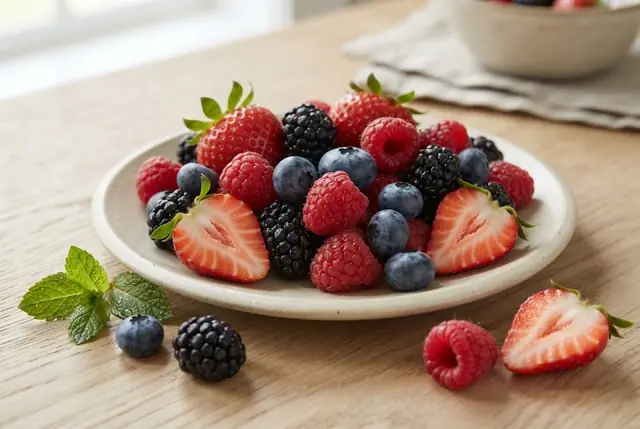
| Strawberries and berries | Acid and water against sugar and fat. The pairing that stops the dessert corner being cloying. |
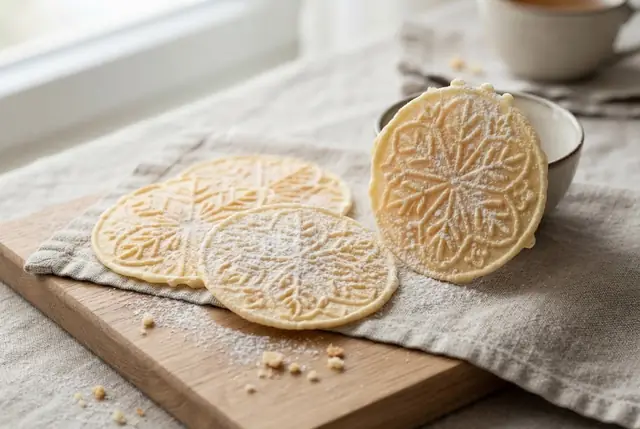
| Pizzelle and thin wafers | Crisp and neutral. They give the spread structure without adding more sugar. |
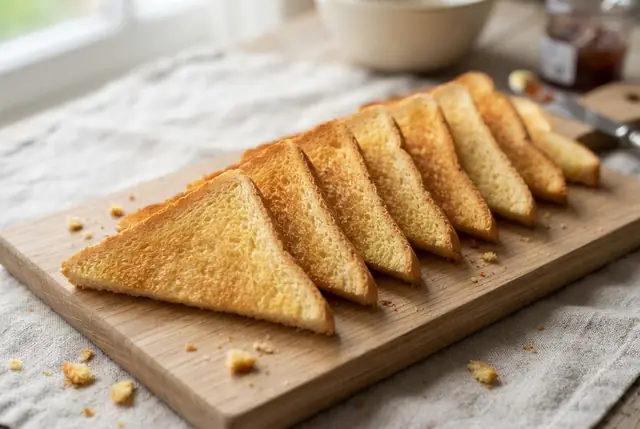
| Brioche toast points | Buttery, faintly sweet bread. The Italian breakfast, put on a board. |
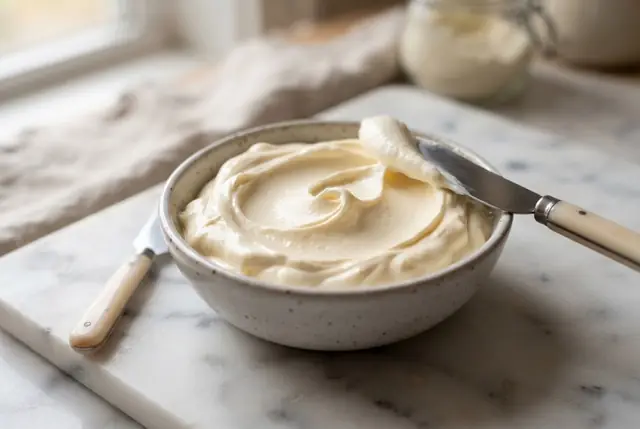
| Mascarpone | Two rich spreadables side by side, one sweet and one barely so. People will combine them. |
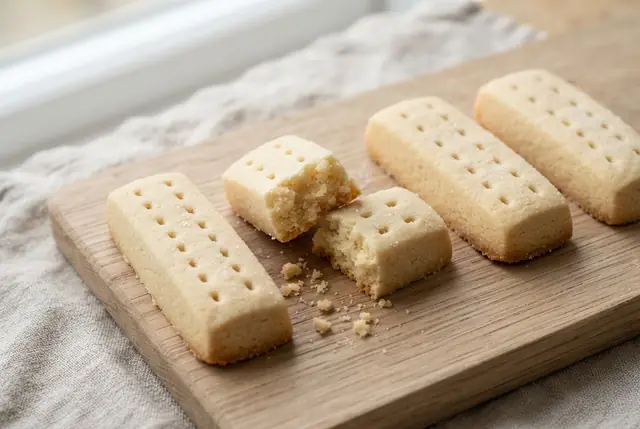
| Shortbread | Butter and salt against chocolate and sugar. Reliable. |
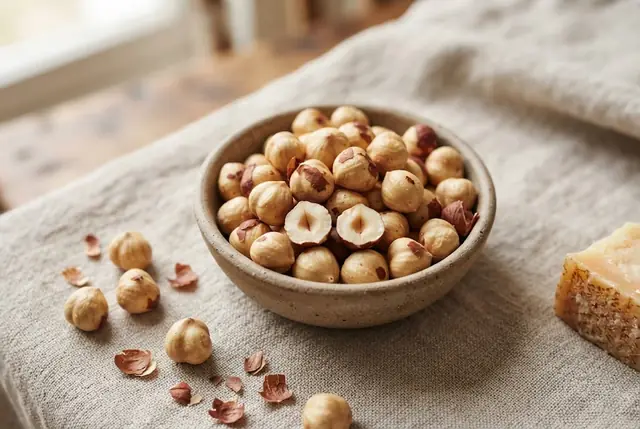
| Hazelnuts | Whole toasted nuts beside the ground ones. It reminds people what they are eating. |
Skip it with: cured meat, blue cheese and anything brined. This belongs only in the dessert corner.
How to prep it for the board
- Leave the jar out for an hour. Cold spread tears whatever you put it on.
- Stir it if any oil has separated.
- Serve in a small bowl with a knife rather than a spoon.
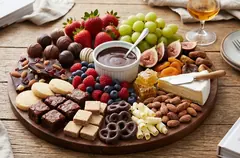
- Group it with the sweet items and keep it away from the cheese.
- Serve 0.5 oz per person.
- Scatter flaky salt or cocoa nibs over the top to make it look deliberate.
- Fix: too sweet on its own? Fold a spoonful of mascarpone through it. It halves the sugar and improves the texture.
What to buy
| Product | Where | Notes |
|---|---|---|
| Italian gianduja spread | Italian delis, specialty | 30 percent or more hazelnut. The version worth putting on a board. |
| Piedmont IGP hazelnut spread | Specialty, online | The best hazelnuts in the world, and it shows. Expensive. |
| Dark chocolate hazelnut spread | Specialty grocers | Less sugar, more cocoa. The best compromise on price. |
| Supermarket hazelnut spread | Any grocery | Sweet and familiar. Fine for a kids' board. |
| Vegan or palm-oil-free versions | Health food shops | Increasingly good, and usually higher in actual nuts. |
Label check: hazelnut percentage on the front. If it is not printed, it is low.
Skip: anything where palm oil sits above cocoa in the ingredients.
Quick FAQ
Is chocolate hazelnut spread too childish for a board?
The supermarket jar can be. A proper Italian gianduja spread with 30 percent or more hazelnut is a different product and reads as grown-up.
What is gianduja?
The Piedmontese chocolate-and-hazelnut confection the spread descends from. Anything labelled gianduja will have far more hazelnut in it.
What goes with it on a board?
Strawberries, brioche toast points, pizzelle and mascarpone. It belongs in the dessert corner.
Does it need to be served warm?
No, but a jar left at room temperature spreads far better than one from the fridge.
How much per person?
Half an ounce. It is very rich.