The short version
The base that's also a dessert. Shortbread is roughly a third butter by weight, which makes it the richest thing you can put under a cheese — and that richness is exactly why it works with tart, salty and sharp things rather than sweet ones. Buy Scottish, in thick fingers.
What it is
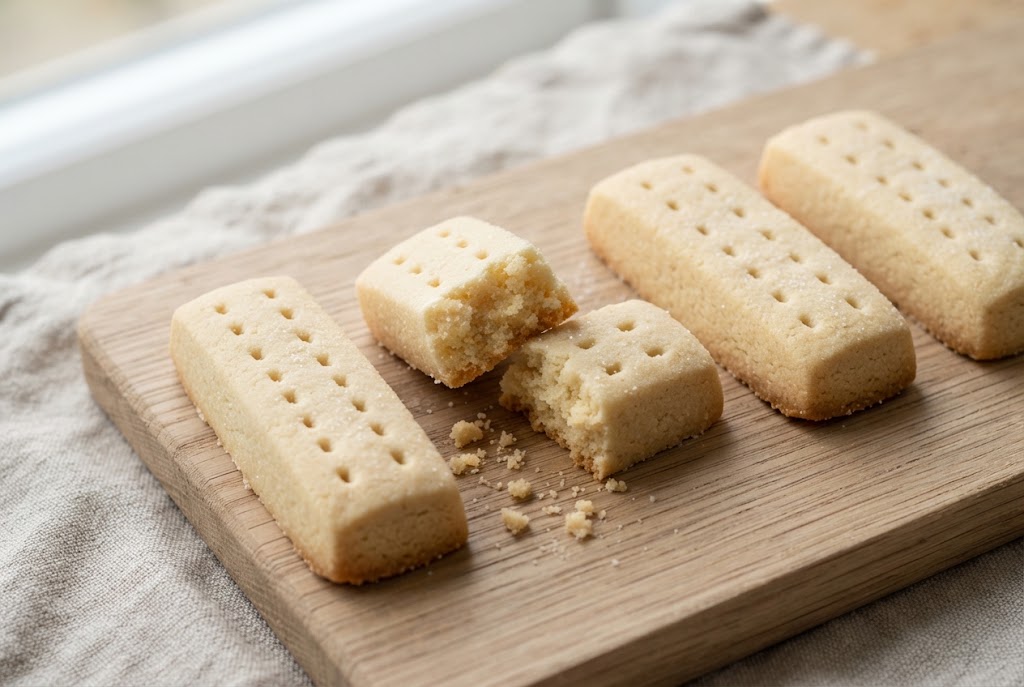
Flour, butter and sugar in a 3:2:1 ratio, baked slowly so it stays pale. Traditional Scottish shortbread contains nothing else — no eggs, no leavening, no vanilla. Sold as fingers, petticoat tails (wedges), or rounds.
- Taste
- intensely buttery, mildly sweet, faintly salty
- Texture
- short and sandy, crumbling rather than snapping
- Look
- pale gold, matte, often fork-pricked
The mechanism is fat replacing gluten. So much butter coats the flour that gluten strands can't form, which is why shortbread crumbles instead of snapping — the literal meaning of "short". That crumb is why it carries soft cheese well: it collapses under the topping rather than shattering.
What it pairs with — and why
| Pair it with | Why it works |
|---|---|
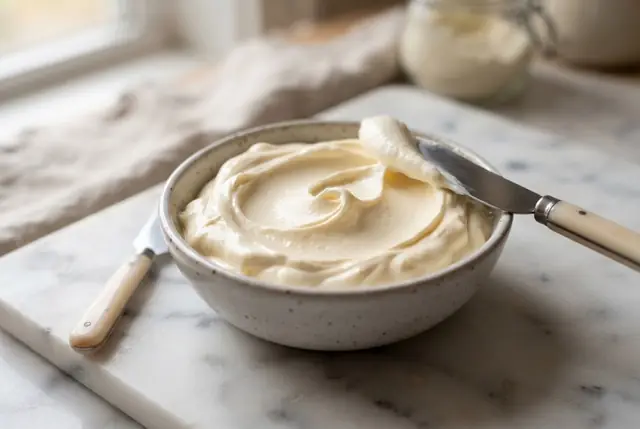
| Mascarpone | Butter under cream. Very rich, and the shortbread's salt is what keeps it from being sickly. |
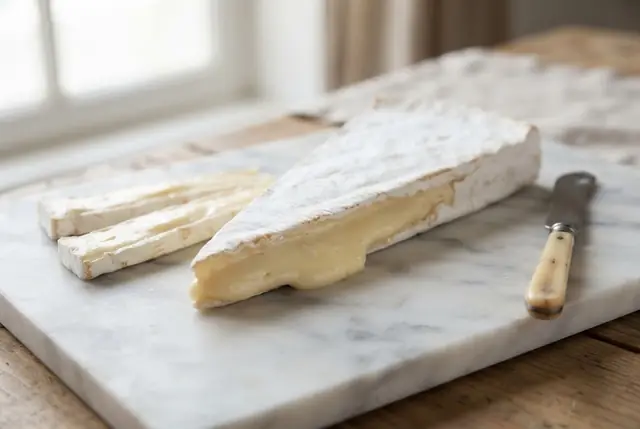
| Brie and soft-ripened cheese | Butter and bloomy-rind fat, with the sugar doing what a fruit jam usually does. |
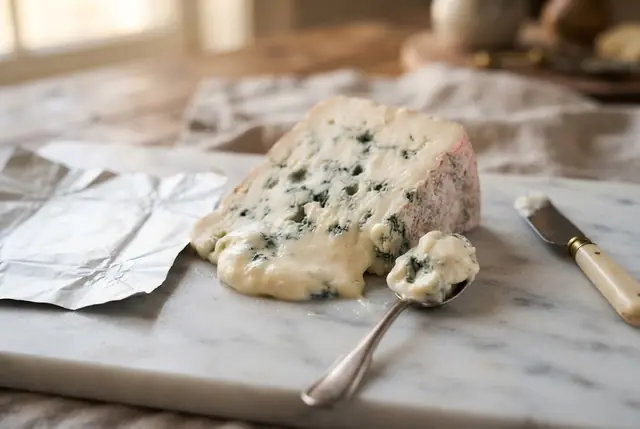
| Gorgonzola and blue cheese | The best pairing here. Sweet buttery crumb against salt and funk — the same logic as honey, with texture. |
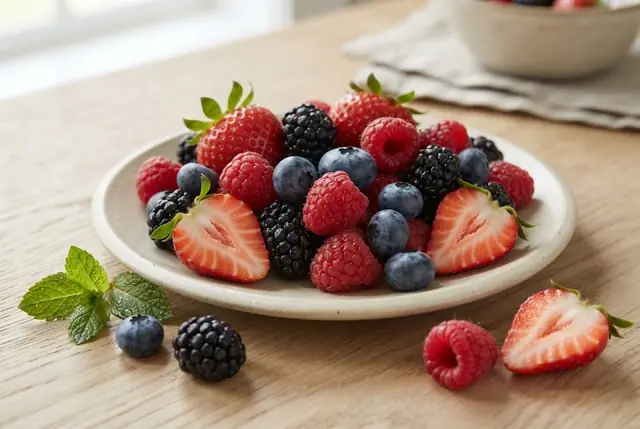
| Berries and fresh fruit | Acid cutting butter. Shortbread with strawberries is a British summer fixture. |
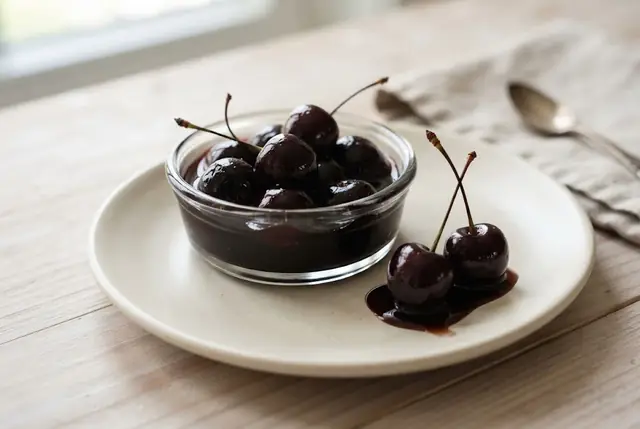
| Brandied cherries | Spoon the syrup over. It soaks into the crumb. |
| Tea and dessert wine | Tannin in tea strips the butter from the palate, which is precisely why the pairing has lasted three centuries. |
Skip it with: cured meat and savoury spreads. Shortbread is sweet and reads as dessert.
How to prep it for the board
- Break fingers in half if they're long — a full finger is more base than anyone needs.
- Fan them at the edge of the board, near the sweet corner.
- Keep them dry. Shortbread absorbs moisture from cheese faster than a cracker and goes soft.
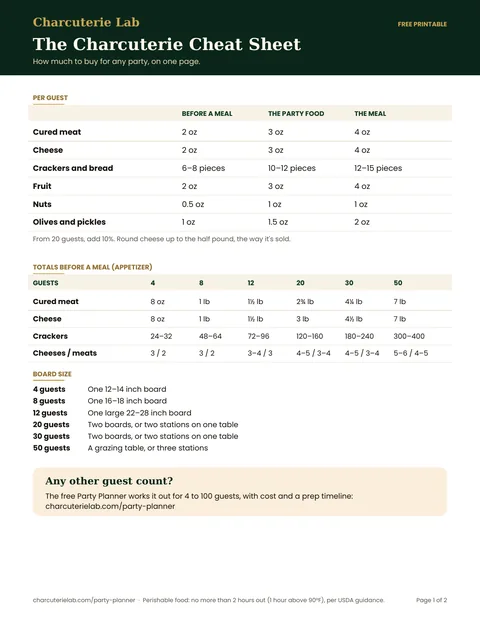
- Serve 1 oz per person — one or two pieces.
- Put them near the blue cheese, which is where they do their best and least obvious work.
- Buy thick. Thin shortbread rounds break under a wedge of cheese.
- Fix: soft from humidity? Ten minutes in a 300°F oven, then cool completely.
What to buy
| Product | Where | Notes |
|---|---|---|
| Walkers pure butter shortbread | Any grocery | The widely available standard. Thick fingers, real butter, reliable. |
| Scottish artisan shortbread | Specialty, British delis | Dean's, Shortbread House of Edinburgh. Noticeably better. |
| Petticoat tails | British delis | Round, scored into wedges. Good-looking on a board. |
| Salted or sea-salt shortbread | Specialty | Better with blue cheese. Worth seeking out. |
| Homemade | Make it | Three ingredients, one bowl. Genuinely easy, and much better fresh. |
Label check: butter should be the second ingredient after flour. Anything listing palm oil or "vegetable fat" is not shortbread.
Skip: thin shortbread cookies with added flavourings, and anything chocolate-dipped for use as a base.
Ranked picks: our top-rated store-bought shortbread is Walkers Pure Butter Shortbread (4.5 out of 5), and the best value is Lorna Doone. See the full ranking of the best shortbread.
Quick FAQ
Does shortbread go with cheese?
Yes — particularly blue cheese, brie and mascarpone. The butter and sugar do what a fruit jam does, with texture added.
Why is it called shortbread?
"Short" describes the crumbly texture created when fat coats the flour and stops gluten forming.
Thick or thin shortbread for a board?
Thick fingers. Thin rounds break under a wedge of cheese.
Can I make it myself?
Yes — flour, butter and sugar in a 3:2:1 ratio. It's one of the simplest bakes there is.
How much per person?
One or two pieces, about an ounce.