The short version
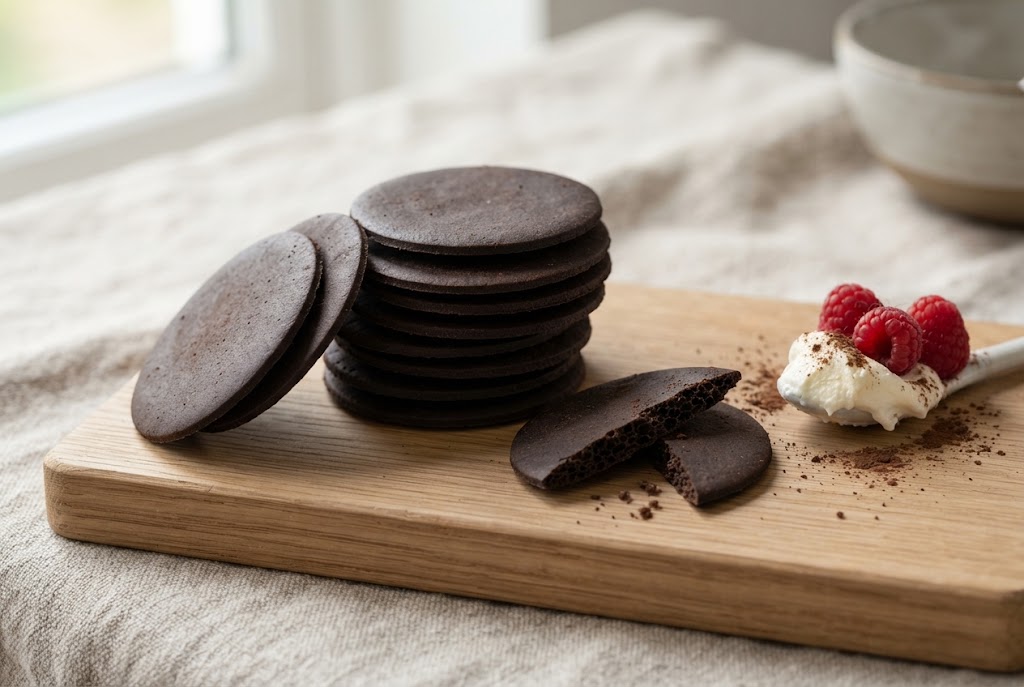
Thin dark cocoa biscuits — the kind used to build icebox cakes. They're only lightly sweet, and their bitterness is the point: on a board where every other base is pale and neutral, a dark cocoa wafer is both a visual contrast and the only base that brings its own edge.
What it is
A thin crisp biscuit made with cocoa powder and relatively little sugar. Nabisco's Famous Chocolate Wafers were the reference for decades; European chocolate biscuits secs and dark digestive-style biscuits fill the same role. Thin and snapping, not soft.
- Taste
- cocoa-bitter, lightly sweet, faintly salty
- Texture
- thin and crisp, snaps cleanly
- Look
- near-black rounds, matte
The mechanism is bitterness in a base. Every other sweet base on a board — graham, shortbread, speculoos — contributes sugar and nothing that cuts. Cocoa's bitter compounds clear fat the way tannin does, so a chocolate wafer under mascarpone actually resets the palate rather than compounding the richness.
What it pairs with — and why
| Pair it with | Why it works |
|---|---|
| Mascarpone | Bitter cocoa against sweet cream — the tiramisu relationship, in two components. |
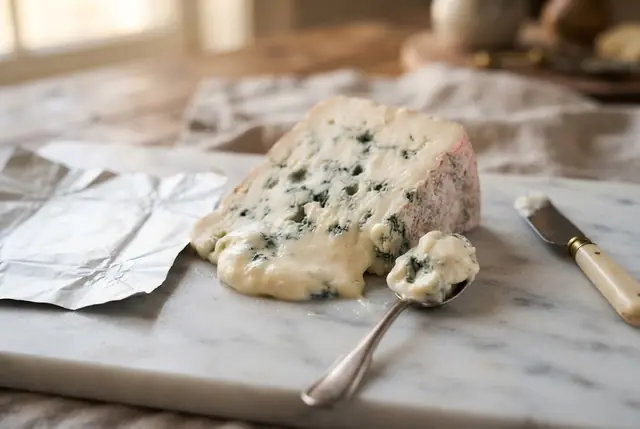
| Gorgonzola and blue cheese | Cocoa bitterness handles the fat, the light sugar handles the salt. Unexpected and one of the best pairings in this group. |
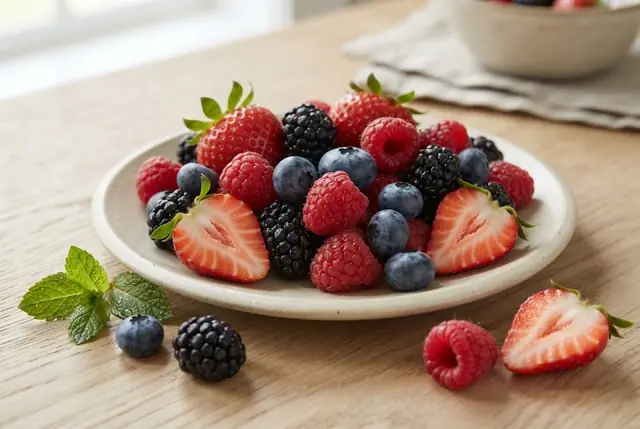
| Berries | Dark base, red fruit, white cream. The best-looking sweet corner you can build. |
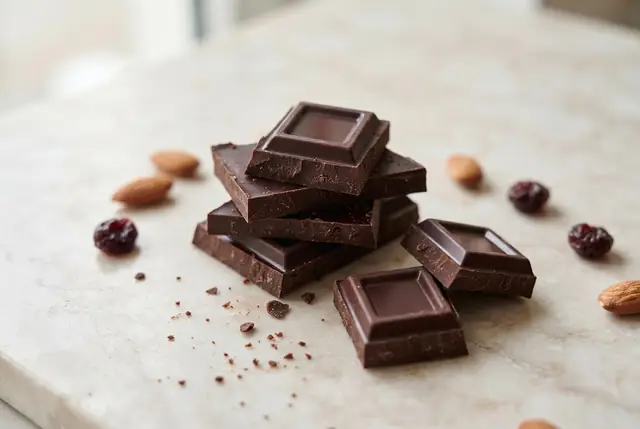
| Dark chocolate | Same corner, same flavour, different texture. |
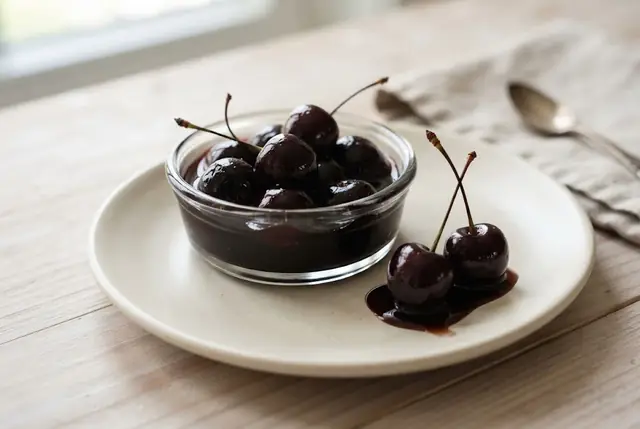
| Brandied cherries | Black forest logic — cherry, chocolate, cream. |
| Espresso and dessert wine | Bitter coffee and bitter cocoa reinforce each other, and a sweet wine supplies the sugar the wafer withholds. |
Skip it with: savoury cheese and cured meat. Cocoa is unmistakably dessert.
How to prep it for the board
- Fan them near the sweet corner, where the dark colour reads as deliberate.
- Serve them whole. They're already thin and small.
- Crumble a few over mascarpone or ricotta — that's the best use.
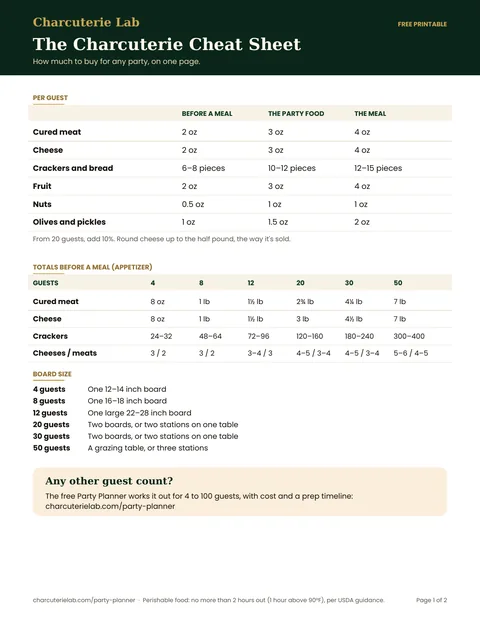
- Serve 0.5 oz per person — two or three wafers.
- Keep them dry. Thin biscuits soften fast next to soft cheese.
- Use them for contrast. On a board of cream and tan, this is the only black thing.
- Fix: soft? 300°F for four minutes and cool completely.
What to buy
| Product | Where | Notes |
|---|---|---|
| Thin chocolate wafers | Grocery, baking aisle | The icebox-cake biscuit. Barely sweet and ideal. |
| Dark chocolate digestives | British section, grocery | Thicker and coated on one side. Excellent with blue cheese. |
| Chocolate biscuits secs | European delis | Thin, dark, lightly sweet. The best version. |
| Cocoa nib crackers | Specialty, cheese shops | Savoury-leaning with real cocoa nibs. A genuine cheese cracker. |
| Chocolate-dipped shortbread | Grocery, specialty | Richer, and better beside coffee than under cheese. |
Label check: cocoa should be prominent and sugar shouldn't lead. A sweet chocolate cookie is a different product and won't pair.
Skip: cream-filled chocolate sandwich cookies. Too sweet, and the filling gets everywhere.
Quick FAQ
Do chocolate wafers go with cheese?
Yes — mascarpone above all, and surprisingly well with blue cheese, where the cocoa bitterness cuts the fat.
What kind should I buy?
Thin and barely sweet — the kind sold for icebox cakes, or European dark chocolate biscuits. Not a sweet chocolate cookie.
Can I use chocolate digestives instead?
Yes, and they're excellent with blue cheese. They're thicker, so they carry more.
Why put a dark base on a board?
Contrast. Everything else on a board is cream, tan or brown, and a black wafer is the only visual break available in a base.
How many per person?
Two or three, about half an ounce.