The short version
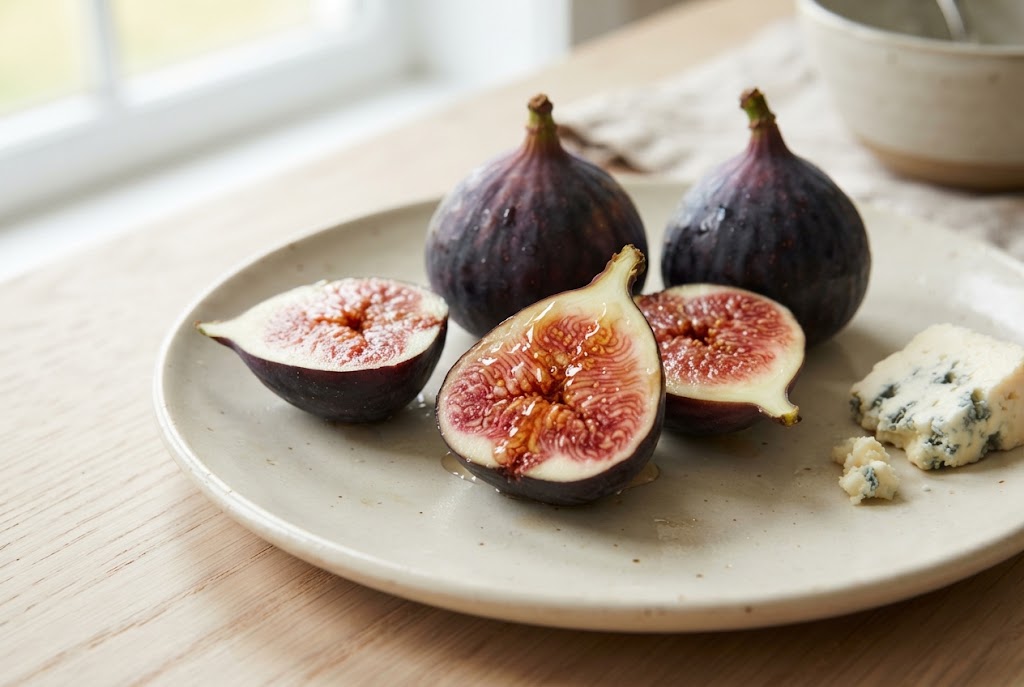
Cut a fresh fig in half and you get the best-looking thing on any board — a pink starburst against green or purple skin. The season runs roughly June to September, they bruise easily, and unlike most fruit they do not ripen after picking. Buy them the day you serve.
What it is
A fig isn't really a fruit but an inverted flower cluster — the seeds inside are the actual fruits. Black Mission are the common purple-black ones, sweet and jammy. Brown Turkey are larger and milder. Green Kadota and pale Calimyrna are sweeter and more delicate.
- Taste
- honeyed, jammy, faintly floral, mildly seedy
- Texture
- soft flesh, tender skin, crunchy seeds
- Look
- teardrop shape; halved, a pink-red centre in a pale ring
Sugar concentration is the mechanism. Ripe figs run to around 20% sugar, higher than almost any other fresh fruit, which is why they behave like a preserve on a board — sweet enough to balance blue cheese or prosciutto without any jam involved.
What it pairs with — and why
| Pair it with | Why it works |
|---|---|
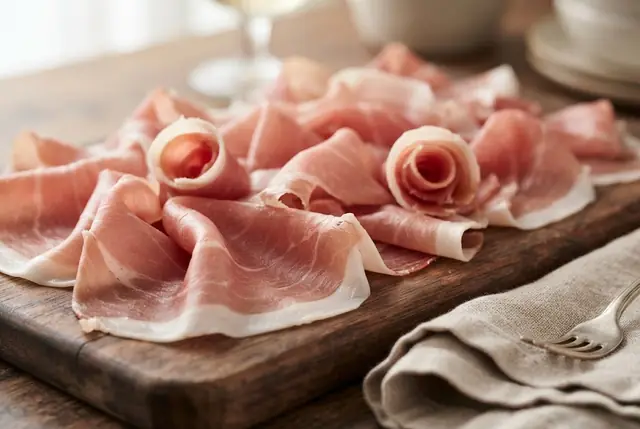
| Prosciutto, draped over a halved fig | The classic. Salt and fat against pure sugar, in one bite. |
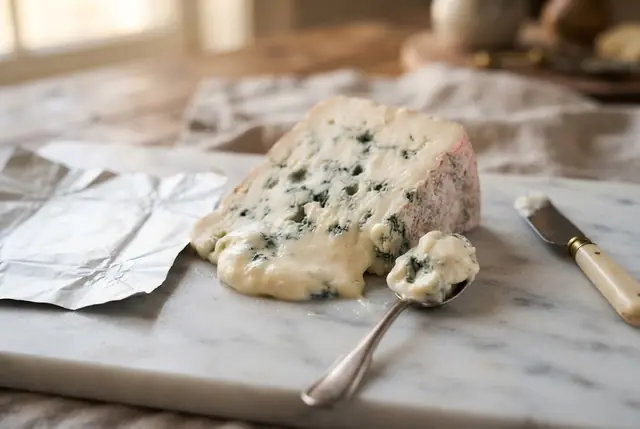
| Gorgonzola or Stilton | Sweetness against salt and funk. Figs do what honey does, with texture. |
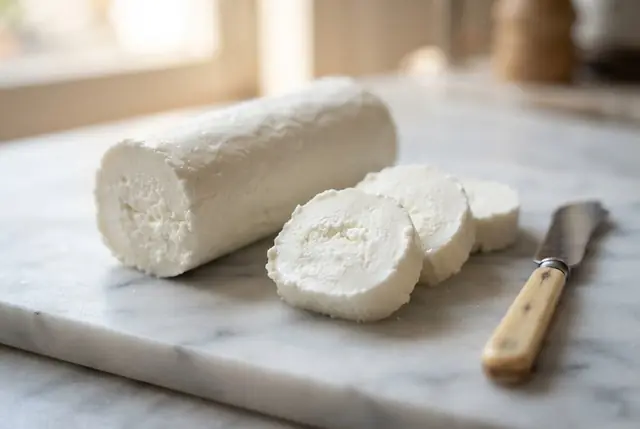
| Fresh chèvre or ricotta | Tangy white cheese in the hollow of a halved fig. |
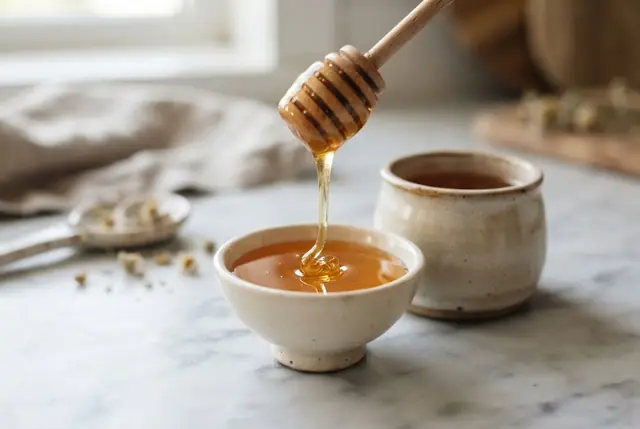
| Honey and walnuts | Fig, honey, walnut — an ancient Mediterranean combination. |
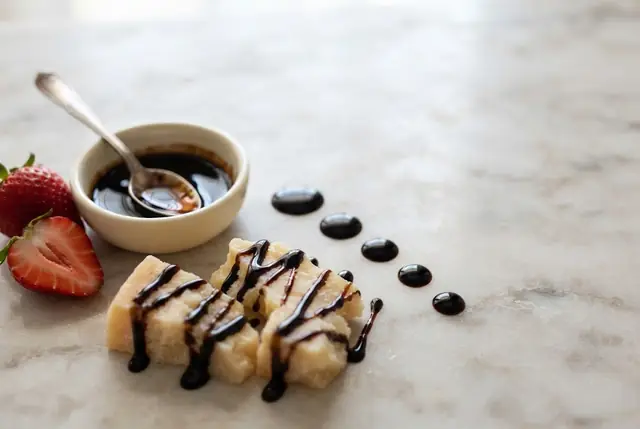
| Aged balsamic | A few drops on the cut face. |
| Manchego and aged sheep cheese | Nutty salt against jammy sweetness. |
| Port, Sauternes, prosecco | Sweet fortified wine, or bubbles to cut the sugar. |
Skip it with: nothing on flavour grounds. The constraint is money and timing — figs are expensive and they're only good for a couple of days.
How to prep it for the board
- Halve or quarter them lengthwise so the pink interior faces up. Whole figs on a board are wasted — the cut face is the entire visual appeal.
- Cut them within an hour of serving. The cut surface darkens.
- Don't peel. The skin is edible and it's the colour contrast.
- Serve one to two figs per person.
- Handle them once. Figs bruise from being moved around; place each half where it will stay.
- Try them warmed: halved, drizzled with honey, 5 minutes under a broiler until bubbling. With blue cheese it's a genuinely great warm board item.
- Fix: underripe and firm? They won't improve — figs don't ripen off the tree. Roast them instead.
What to buy
| Product | Where | Notes |
|---|---|---|
| Black Mission figs | Grocery, farmers markets, Jun–Sep | The common variety. Deep purple, jammy, reliable. |
| Brown Turkey figs | Grocery, seasonal | Larger and milder. Good value. |
| Calimyrna or Kadota figs | Farmers markets, specialty | Pale green-gold, honeyed and delicate. The connoisseur pick. |
| Farmers market figs | Local, in season | Nearly always better — figs travel badly. |
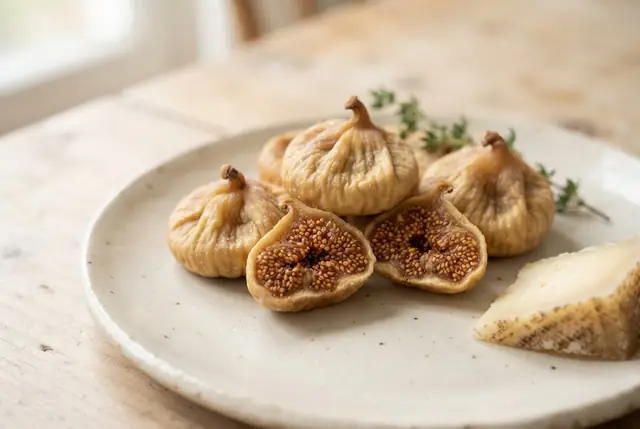
| Dried figs | Any grocery, year-round | The off-season answer — see their own page. |
| Fig jam | Grocery, cheese counters | The always-available substitute for the same pairing. |
Label check: ripe figs give slightly when squeezed and may have a small split or a bead of syrup at the base. Rock-hard figs will never ripen; sour smell means they're gone.
Skip: buying figs more than a day ahead. They have one of the shortest windows of anything on a board.
Quick FAQ
When are figs in season?
Roughly June through September in the US, with a short early crop and a longer main one.
Do figs ripen after picking?
No. Buy them ripe or roast them — a hard fig stays hard.
Do I peel them?
No. The skin is edible and it's what makes the halved fig look striking.
How much per person?
One to two figs, halved.
What if it isn't fig season?
Dried figs or fig jam do the same job on a board, year-round.