The short version
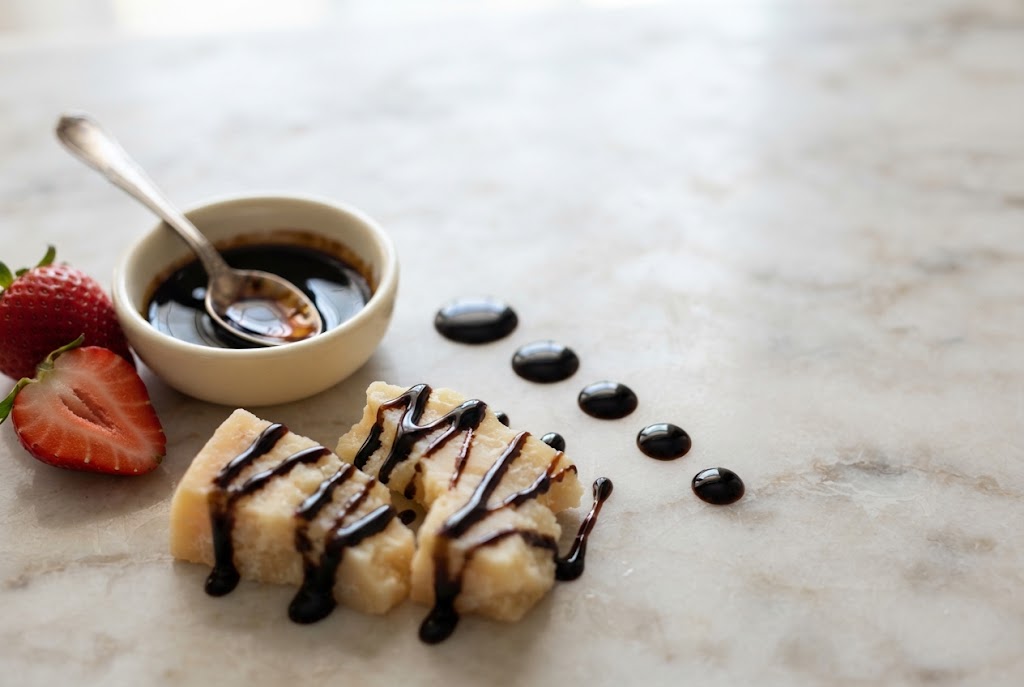
Balsamic vinegar reduced until it's syrupy — sweet, sharp and thick enough to drizzle in a line that stays where you put it. On a board it does what a jam does without needing a bowl, a spoon, or anyone's attention. Ten minutes on the stove makes it from a cheap bottle.
What it is
Balsamic vinegar cooked down with or without added sugar until it coats a spoon. Sold as glassa, glaze, or crema di balsamico. The real thing — aged aceto balsamico tradizionale — is naturally syrupy and costs a hundred dollars a bottle; a glaze is the affordable stand-in.
- Taste
- sweet, sharply acidic, faintly woody
- Texture
- thick and syrupy, coats
- Look
- near-black, glossy
The mechanism is reduction. Boiling off water concentrates both the sugar and the acetic acid, so a glaze delivers a bigger hit of each than the vinegar it came from — and the viscosity keeps it sitting on the surface where you taste it, rather than running off into the board.
What it pairs with — and why
| Pair it with | Why it works |
|---|---|
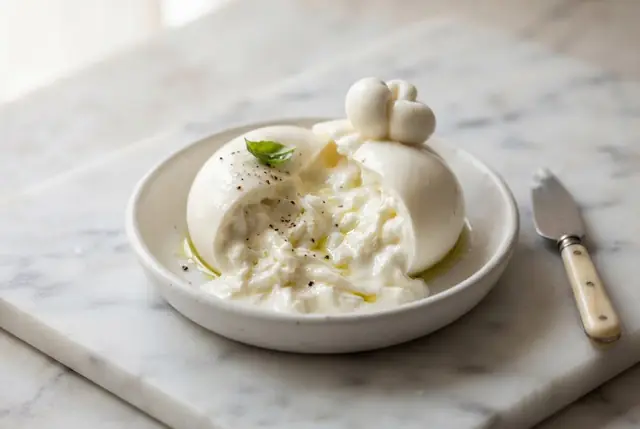
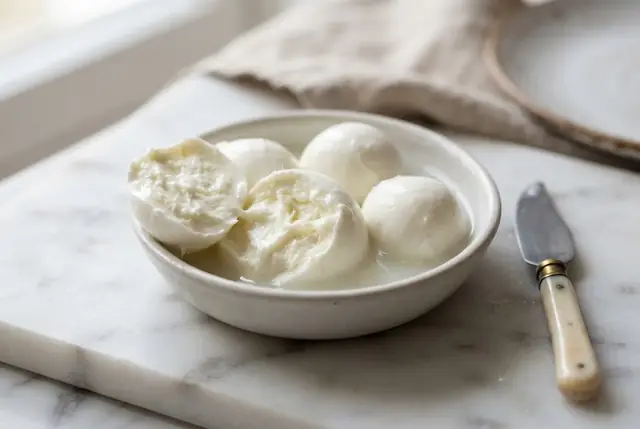
| Burrata and fresh mozzarella | Sweet acid cutting cream, in the two seconds it takes to drizzle. The default finish. |
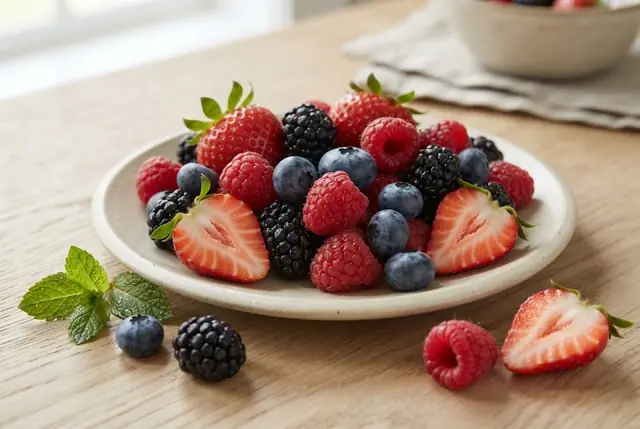
| Berries and strawberries | Balsamic on strawberries is an Italian classic — the acid makes the fruit taste sweeter. |
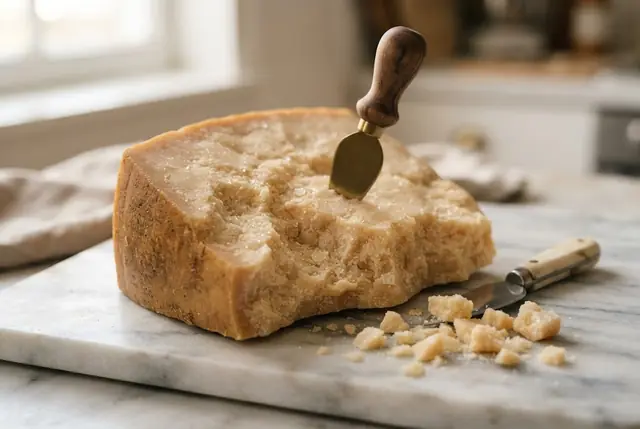
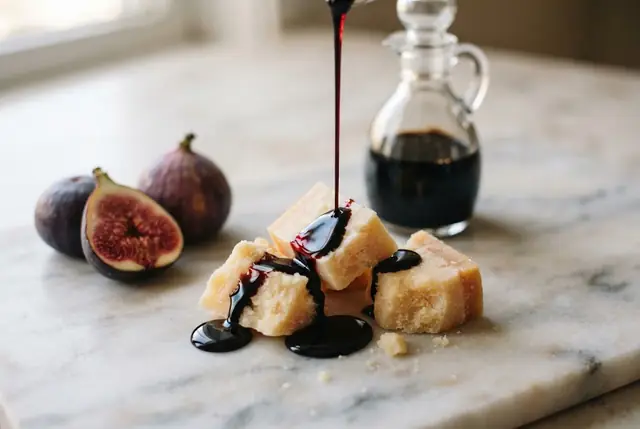
| Parmigiano-Reggiano | The traditional pairing. Salt, crystals and umami against sweet acid. |
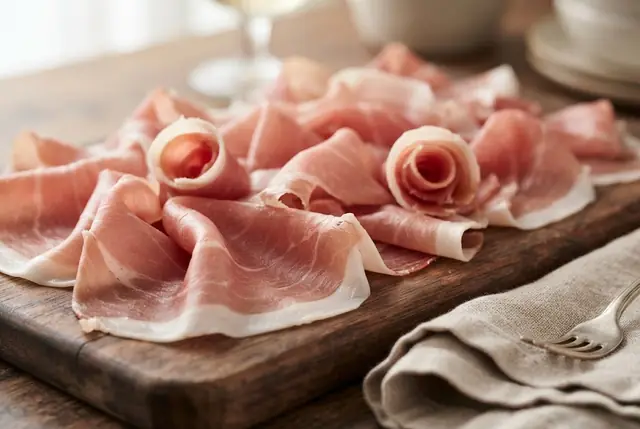
| Prosciutto and melon | Adds the acid that the salt-and-sweet combination is missing. |
| Roasted vegetables and tomatoes | Standard, and it works cold on a board. |
| Fresh figs | Halved figs with balsamic and blue cheese is a complete dish. |
Skip it with: delicate aged cheeses you want to taste, and anything already sweet and sticky.
How to prep it for the board
- Drizzle in a zigzag over cheese or fruit, right before serving.
- Or pour a small pool beside bread and oil.
- Make it: simmer 1 cup of ordinary balsamic vinegar over medium-low heat for 10–15 minutes until it coats a spoon. It thickens more as it cools.
- Use a squeeze bottle if you have one — the line is cleaner.
- Add it last. It bleeds into soft cheese if it sits.
- Don't over-drizzle. It stains and it's sweeter than it looks.
- Fix: too thin? Reduce further. Too thick? A teaspoon of water or vinegar.
What to buy
| Product | Where | Notes |
|---|---|---|
| Glassa di balsamico | Italian delis, grocery | The standard glaze. Sweet and thick. |
| Bertolli or Colavita glaze | Any grocery | Widely available and fine. |
| Homemade reduction | Make it | Ten minutes with a cheap bottle. Less sweet and better. |
| Aceto balsamico tradizionale di Modena DOP | Specialty, very expensive | The real thing, aged 12–25 years. Naturally syrupy, extraordinary, and used by the drop. |
| Fig or cherry balsamic glaze | Specialty | Flavoured versions. Good with cheese, sometimes over-sweet. |
Label check: on glazes, check where sugar sits in the ingredients — a lot of them are more sugar than vinegar. On vinegar, "Aceto Balsamico di Modena IGP" is the reliable everyday grade.
Skip: anything labelled "balsamic dressing" — that's a vinaigrette.
Ranked picks: our top-rated balsamic glaze is Bertolli Balsamic Glaze (4.7 out of 5), and the least sweet is DeLallo. See the full ranking of the best balsamic glaze.
Quick FAQ
What is balsamic glaze?
Balsamic vinegar reduced to a syrup, sometimes with added sugar. Thick enough to drizzle and stay put.
Can I make it myself?
Yes. Simmer a cup of ordinary balsamic for 10–15 minutes until it coats a spoon. It thickens further as it cools.
What do you drizzle it on?
Burrata, fresh mozzarella, berries, Parmigiano-Reggiano, and prosciutto with melon.
Is glaze the same as traditional balsamic?
No. Traditional aceto balsamico is aged for over a decade and is naturally syrupy. A glaze is a reduction, often sweetened, at a fraction of the price.
Does it contain allergens?
Sulphites, as with most vinegars — worth noting for sensitive guests.