The short version
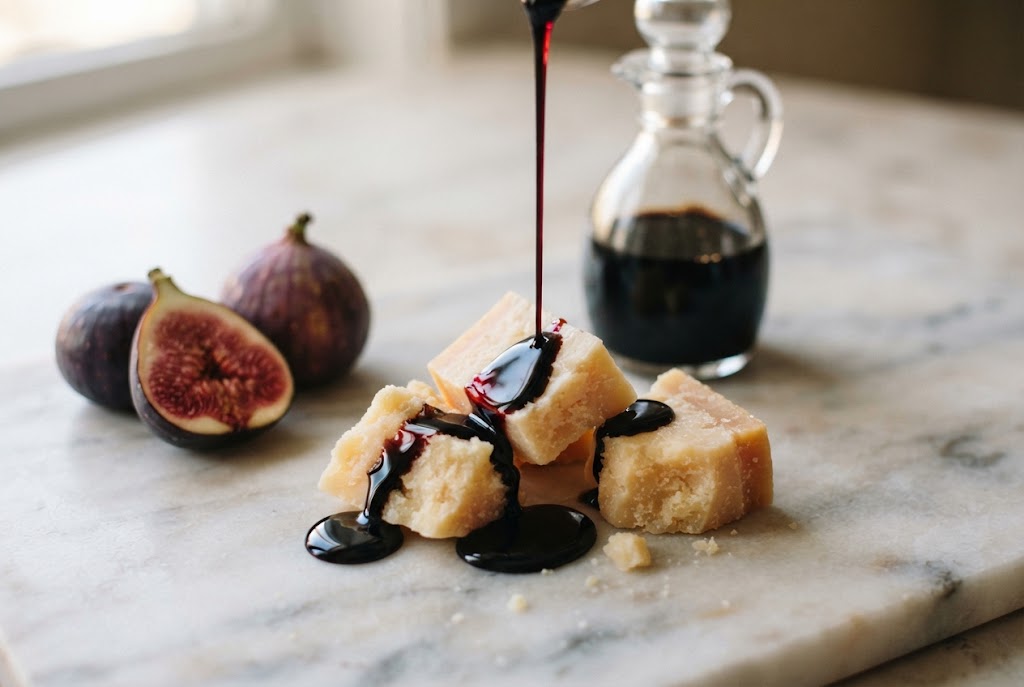
Fresh grape juice simmered for hours until it turns into a dark, glossy syrup. Saba tastes like grapes, raisins and a touch of tartness, and it's the sweet ancestor of balsamic vinegar. Drizzle it over Parmigiano-Reggiano or ricotta and it does what balsamic glaze does, only rounder and more grapey.
What it is
Saba (also sapa or mosto cotto) has been made in Italy since Roman times. The must from freshly crushed grapes, often Trebbiano or Lambrusco, is slowly cooked in open pots until it reduces to about a third or less of its volume. It isn't fermented or aged into vinegar, so it stays sweet. In Emilia-Romagna it was a traditional sweetener before sugar was common.
- Taste
- concentrated grape and raisin, with caramel and a soft tartness
- Texture
- thick and syrupy, like warm honey
- Look
- deep mahogany, glossy
Reduction is the mechanism. Cooking off water concentrates the grape's natural sugars and acids together, and long, gentle heat browns the sugar for caramel notes. Because the acid stays in proportion, saba has a gentle tartness that keeps it from tasting like plain syrup, which is what lets it cut through a salty, fatty cheese.
What it pairs with — and why
| Pair it with | Why it works |
|---|---|
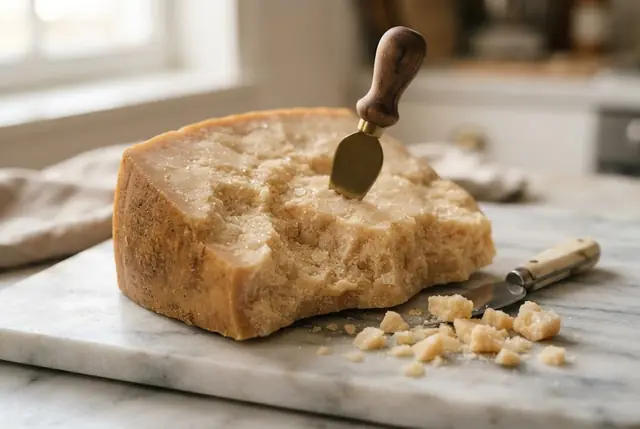
| Parmigiano-Reggiano | Sweet and tart against salty crystals. The Emilian pairing. |
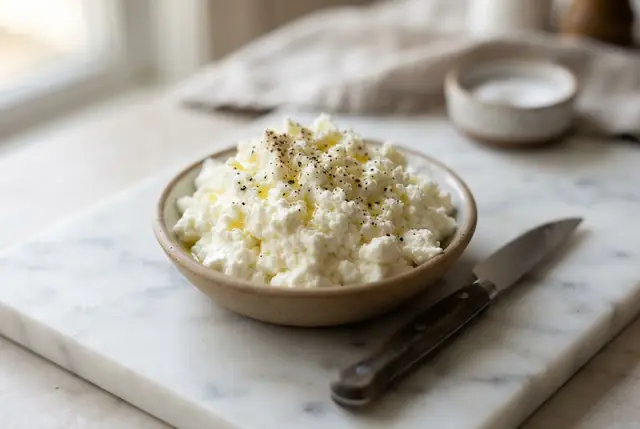
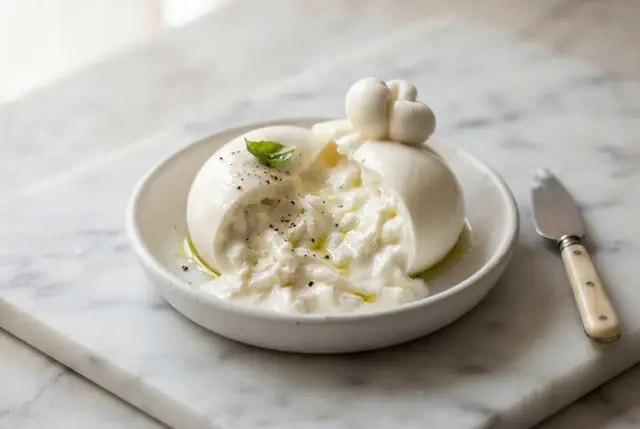
| Ricotta or burrata | Dark syrup on white cream, sweet against mild. |
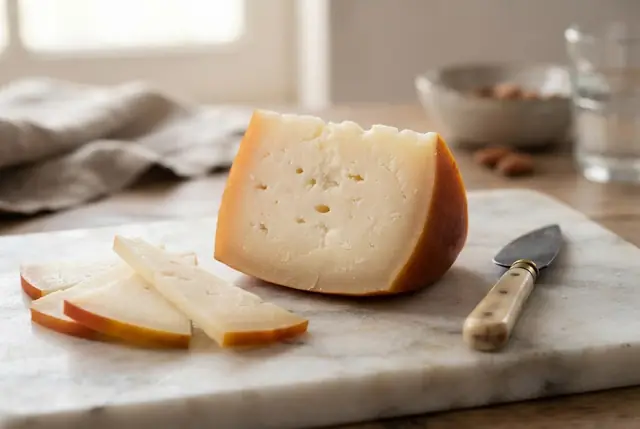
| Pecorino Toscano | Salty sheep's milk balanced by fruit sugar. |
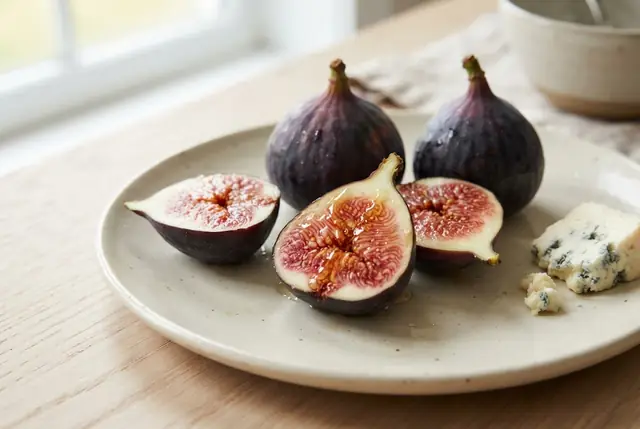
| Fresh figs | Grape and fig, a fall classic. |
| Prosciutto | Sweet-salty contrast, like a grape-syrup take on melon and ham. |
| Lambrusco or a Sangiovese | Grape on grape, from the same part of Italy. |
Skip it with: balsamic glaze on the same board. They do the same job, and two dark drizzles look muddy.
How to prep it for the board
- Drizzle it just before serving. It slowly soaks into soft cheese.
- Use about a teaspoon per person. It's sweet and concentrated.
- Drizzle in thin lines over the cheese, or pool a little on a small plate with a spoon.
- Put it on the hard cheese and the ricotta, not on crackers.
- Keep the bottle on the side so guests can add more.
- Fix: if it has thickened in the cold, warm the bottle in hot water for a few minutes.
What to buy
| Product | Where | Notes |
|---|---|---|
| Giusti Saba | Specialty grocers, Italian shops, online | From one of the oldest balsamic makers in Modena. |
| Mussini Saba | Olive oil shops, online | A common, well-priced option. |
| Acetaia Leonardi Saba | Specialty stores, online | Rich and dark. |
| Vincotto | Italian markets | A southern cousin from Puglia, often flavored. Works the same way. |
| Balsamic glaze | Any grocery store | The easier-to-find swap, tarter and thinner. See its own page. |
Label check: just grape must, cooked. No added sugar, thickeners or vinegar.
Skip: "balsamic glaze" labeled as saba. If vinegar is on the list, it's a different product.
Quick FAQ
What is saba?
Grape must, the fresh juice of crushed grapes, slowly cooked down to a thick syrup. It's an old Italian condiment, also called sapa or mosto cotto.
Is saba the same as balsamic vinegar?
No, but it's the starting point. Traditional balsamic is cooked must that has been fermented and aged for years. Saba is the sweet syrup without the vinegar stage.
What does saba taste like?
Like a dark, concentrated grape and raisin syrup with a gentle tartness. Sweeter and softer than balsamic glaze.
Does saba contain alcohol?
No. It's cooked from fresh juice before fermentation.
How long does it keep?
Months in the pantry once opened. It's mostly sugar.