The short version
If you upgrade one thing on a board, make it the nuts. Marconas are a Spanish almond variety — flatter, rounder, softer and much sweeter than the Californian kind — traditionally blanched, fried in olive oil and salted. They're twice the price of ordinary almonds and worth it, because everyone notices.
What it is
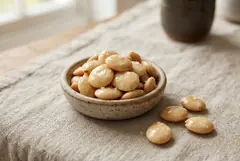
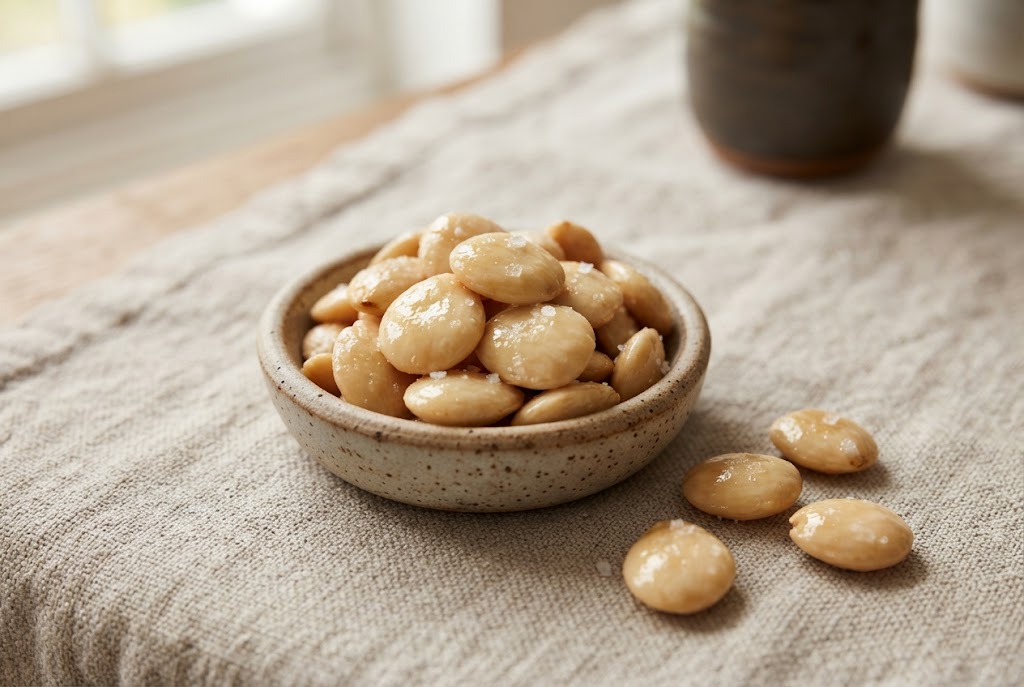
A Spanish almond cultivar, grown mostly around Valencia and Alicante. Sold blanched (skinless), fried or roasted in olive oil, and heavily salted, often with rosemary. The oil and salt are part of the product — a raw marcona is a much duller thing.
- Taste
- sweet, buttery, faintly of marzipan, salty
- Texture
- softer and denser than a regular almond; less snap, more give
- Look
- pale ivory, round and flat, glossy with oil
The mechanism is fat and salt in the same bite. Most nuts on a board bring crunch and bitterness. Marconas bring fat — they're noticeably oilier than Californian almonds — which means they behave more like a cheese than like a garnish, coating the palate and stretching the finish of whatever came before.
What it pairs with — and why
| Pair it with | Why it works |
|---|---|
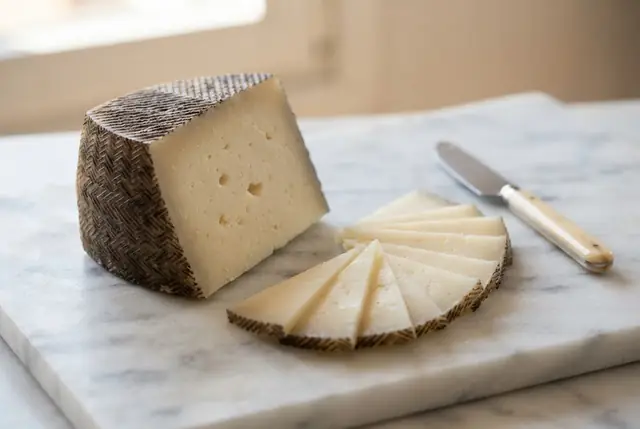
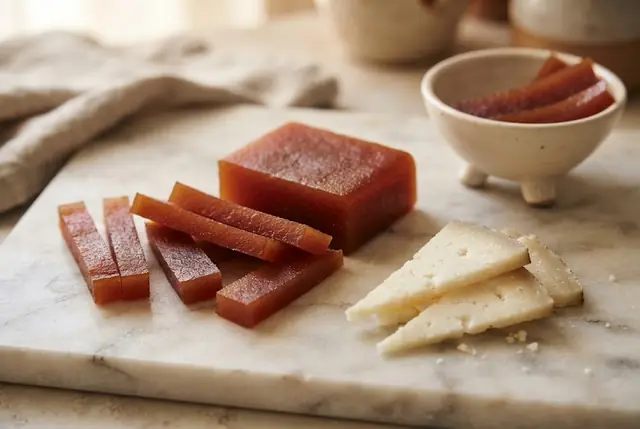
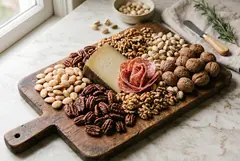
| Manchego | The Spanish board in two ingredients. Sheep-milk fat and almond fat, salt on salt, with the almond's marzipan note picking up the cheese's nuttiness. |
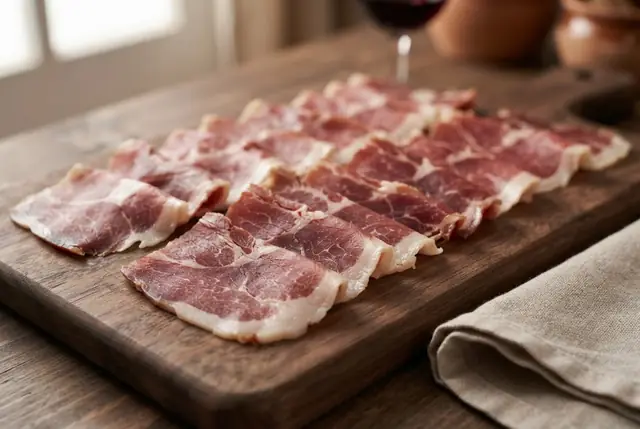
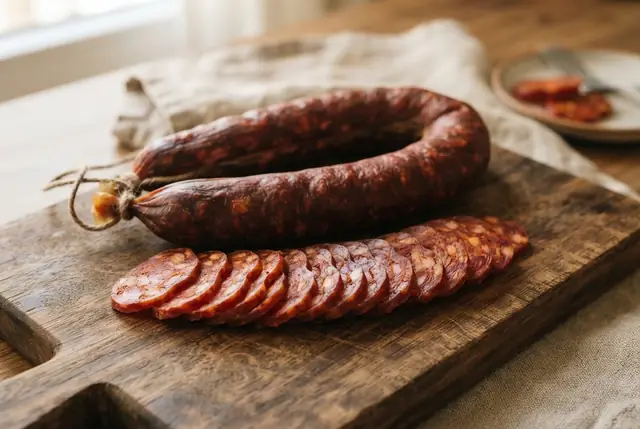
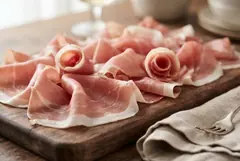
| Jamón serrano and ibérico | Salt and oil against salt and fat. This is the standard tapas plate. |
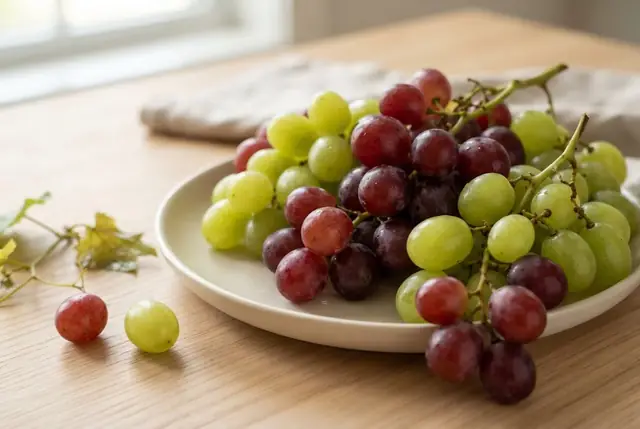
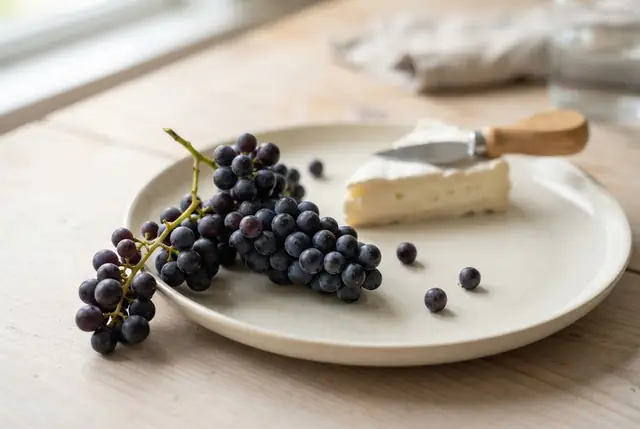
| Grapes | Water and sugar against oil and salt — the cleanest contrast on the board. |
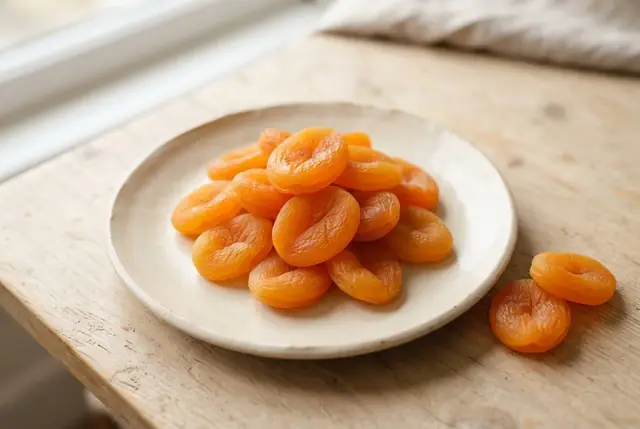
| Dried apricots | Apricot kernels are almond relatives; the aromas are nearly identical. |
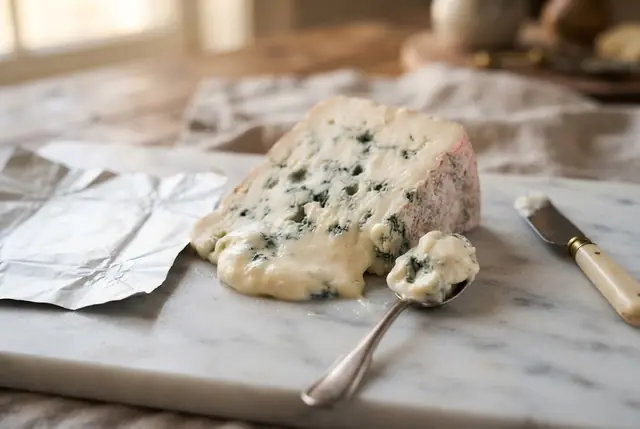
| Blue cheese | Sweet buttery nut against sharp salt. Softer and rounder than a walnut for the same job. |
| Sherry | Not on the board, but fino sherry with marconas is why this ingredient exists. |
Skip it with: nothing. Marconas are the least fussy premium ingredient you can buy.
How to prep it for the board
- No prep. They come ready.
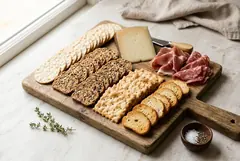
- Serve in a small bowl, not scattered. The oil transfers to anything they touch and will make crackers greasy.
- Or scatter sparingly into gaps if you're deliberately going for a rustic look — accept the oil marks.
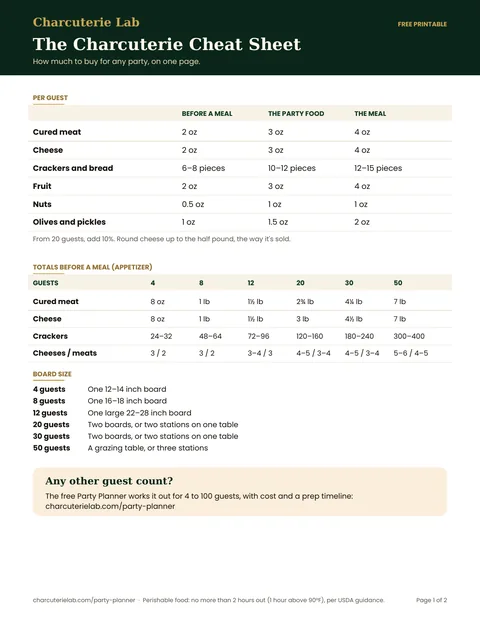
- Serve 1 oz per person. People eat more of these than any other nut.
- Buy the rosemary version if you want a little more presence.
- Store sealed in the fridge after opening — the oil goes rancid faster than dry-roasted nuts.
- Fix: soft and stale? Ten minutes in a 300°F oven brings the crunch back.
What to buy
| Product | Where | Notes |
|---|---|---|
| Marcona almonds, fried and salted | Trader Joe's, Whole Foods, Spanish delis | The default. Trader Joe's version is the best value in the category. |
| Marconas with rosemary | Whole Foods, specialty | Herb-dusted. Excellent with manchego. |
| Costco marconas | Costco, seasonal | Large tubs, good quality, very cheap per ounce when they carry them. |
| Spanish deli marconas (Mitica, Matiz) | Cheese shops, online | Best quality. Sold in tins. Noticeably fresher. |
| Raw marconas | Specialty, online | Duller. The oil and salt are most of the point — skip these. |
Label check: look for olive oil rather than sunflower or "vegetable oil", and buy from somewhere with turnover. Rancid marconas are a real risk.
Skip: anything labelled "marcona-style". That's a Californian almond.
Ranked picks: our top-rated Marcona almonds is Trader Joe's Roasted & Salted Rosemary Marcona Almonds (4.5 out of 5), and the best value is Kirkland Signature Marcona Almonds. See the full ranking of the best Marcona almonds.
Quick FAQ
What's the difference between marcona and regular almonds?
Marconas are a Spanish variety — rounder, flatter, softer, sweeter, and higher in fat. They're usually fried in olive oil and salted.
Are marcona almonds worth the price?
On a board, yes. They're the upgrade people notice most for the least effort.
Do they need any preparation?
No. Serve them in a small bowl so the oil doesn't transfer to crackers.
What goes with marcona almonds?
Manchego, jamón serrano, grapes, dried apricots, and blue cheese.
How do I store them?
Sealed, in the fridge after opening. The oil goes rancid faster than in dry roasted nuts.