The short version
Coarse-ground dried chili from the Syrian-Turkish border, cured with salt and a little oil. It is only mildly hot and tastes strongly of dried fruit — closer to sun-dried tomato than to cayenne. That combination makes it the safest heat on a board: you can scatter it across a dip in front of guests and nobody will find their bite ruined.
What it is
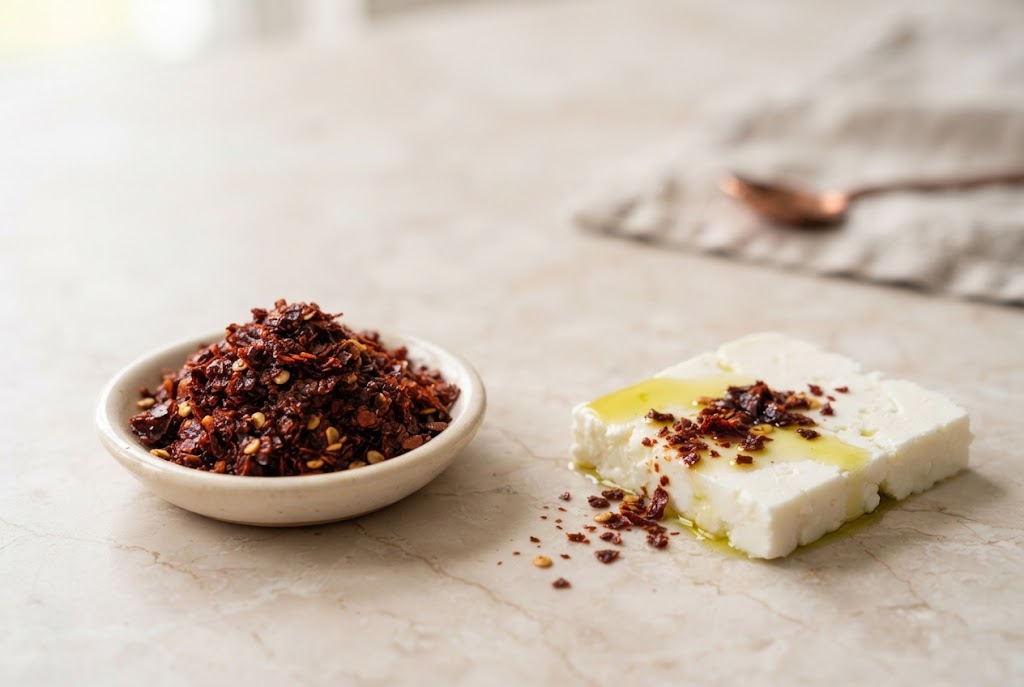
The Halaby pepper, dried, deseeded and crushed rather than powdered. Because it is cured with salt and oil instead of dried to dust, the flakes stay slightly moist and deep red. Since the war in Syria much of what is sold is Turkish Maras or pul biber, which is very close.
- Taste
- raisin and sun-dried tomato, salt, then a slow gentle warmth
- Texture
- coarse, soft flakes rather than brittle ones
- Look
- deep brick red, slightly damp-looking
The mechanism is slow capsaicin with sugar behind it. The pepper is low in capsaicin and comparatively high in sugars, so heat arrives late and stays low while fruit flavour arrives first. Ordinary crushed red pepper does the opposite, which is why it obliterates a delicate dip and Aleppo does not.
What it pairs with — and why
| Pair it with | Why it works |
|---|---|
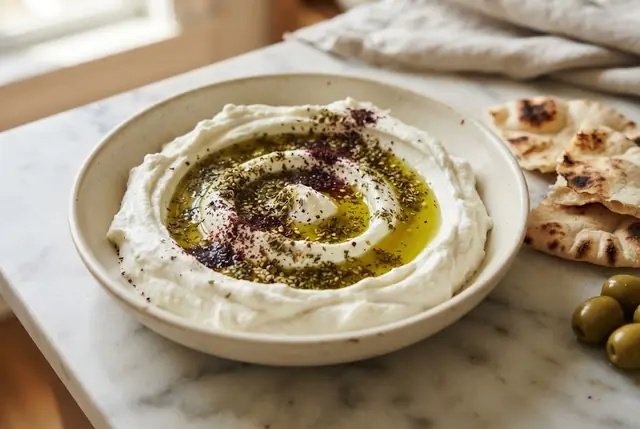
| Labneh | The single best use. Red oil bleeding into white yogurt, with warmth that builds instead of hitting. |
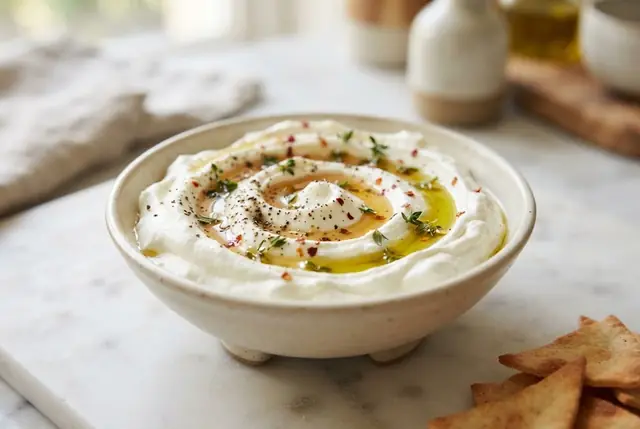
| Whipped feta | Salt and fat need something to interrupt them. This is that, without heat becoming the topic. |
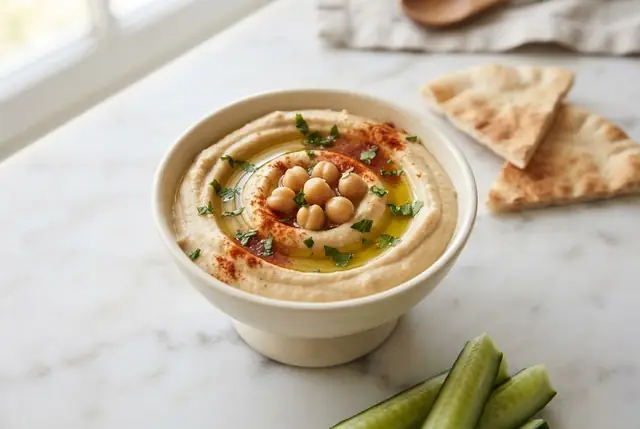
| Hummus | Fixes the flatness of plain hummus more elegantly than paprika does. |
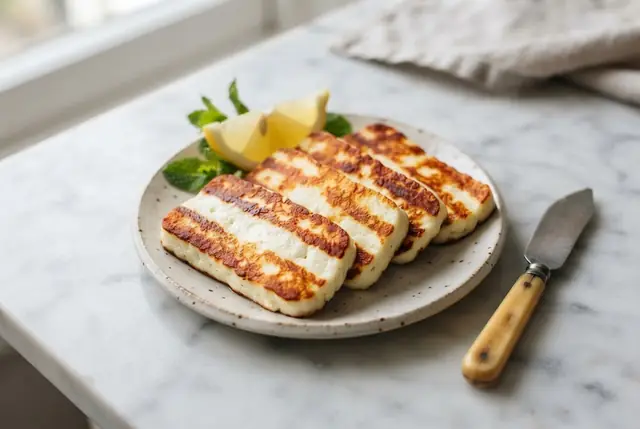
| Halloumi | Salty, squeaky and rich. Aleppo across hot halloumi is close to a dish. |
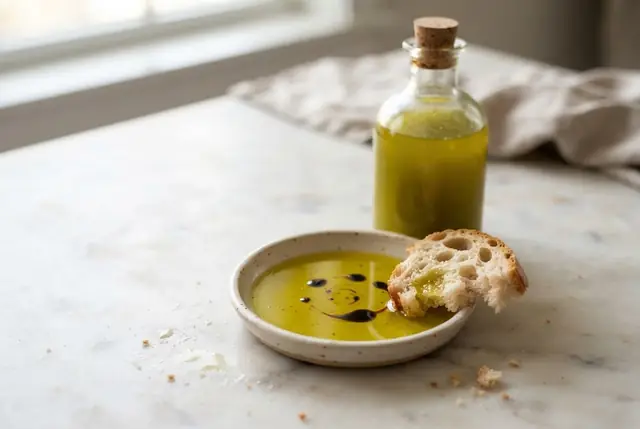
| Olive oil | Steep it in oil for ten minutes and you have a chili oil with none of the aggression. |
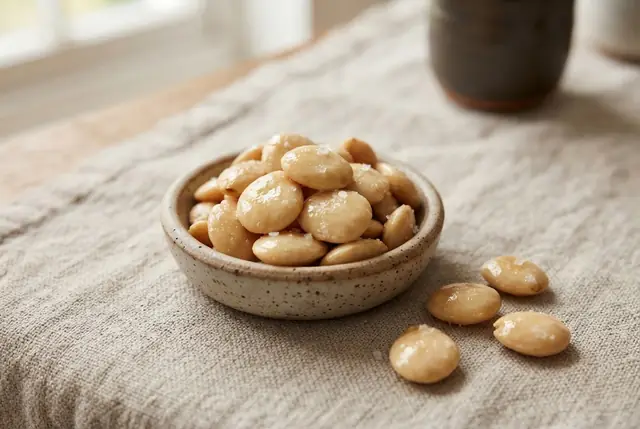
| Marcona almonds | Sweet fatty almond and fruity chili. Toss them while still warm. |
Skip it with: dessert items and delicate bloomy cheese. It is subtle, but it is still chili.
How to prep it for the board
- Scatter it late. The oil in the flakes dulls if it sits.
- Use it on pale, soft things — dips, fresh cheese, yogurt. It is a visual ingredient as much as a flavour one.
- Steep it in olive oil for a fast, gentle chili oil.
- Combine it with za'atar or sumac rather than with other chilies.
- A pinch per serving.
- Keep it in the fridge if you buy a large bag. The oil goes stale.
- Fix: tastes dusty and flat? It is old, or it is not real Aleppo. Fresh flakes look damp and smell of dried fruit before they smell of heat.
What to buy
| Product | Where | Notes |
|---|---|---|
| Aleppo pepper flakes | Middle Eastern grocers, spice shops | The reference. Deep red, soft, faintly oily. |
| Turkish Maras or pul biber | Turkish grocers | Effectively the same product and usually cheaper. |
| Urfa biber | Spice shops | The dark, smoky, raisin-heavy cousin. Different but excellent. |
| Supermarket Aleppo-style flakes | Larger grocery, spice aisle | Drier and duller. Acceptable. |
| Aleppo pepper in oil | Specialty | Already steeped. Convenient for drizzling. |
Label check: it should be soft and deep red. Bright orange, brittle and dusty means old stock or a substitute.
Skip: anything sold simply as "crushed red pepper" — a different, hotter, less interesting thing.
Quick FAQ
How hot is Aleppo pepper?
Mild — roughly a quarter the heat of a standard chili flake. It is used for flavour more than for burn.
What does it taste like?
Sun-dried tomato and raisin, with salt and a slow warmth. Much fruitier than ordinary crushed red pepper.
Why is it oily?
It is cured with salt and a little oil, which keeps it soft rather than dusty. That is normal and correct.
What can I substitute?
Turkish pul biber or Maras pepper is nearly identical. Half sweet paprika and half chili flake is a rough stand-in.
How much per person?
A pinch. It is a finish.