The short version
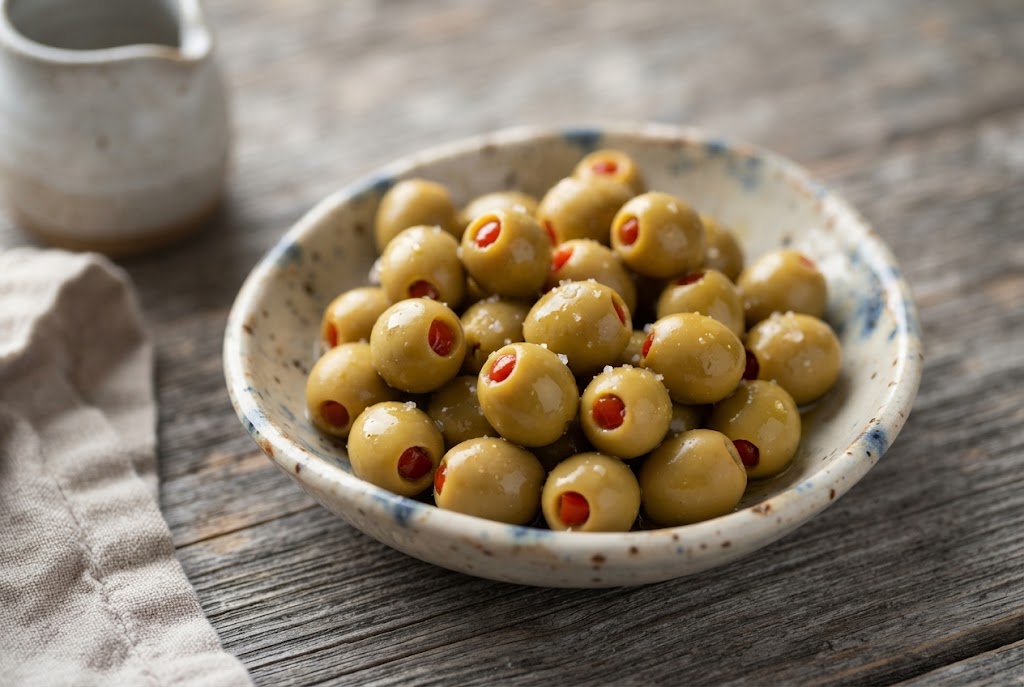
The green Spanish olive everyone has had in a martini, and much better on a board than that suggests. Manzanillas are crisp, salty and slightly smoky from the lye-and-brine cure. The upgrade is buying them stuffed with anchovy rather than pimento — it's the same price and a completely different ingredient.
What it is
The Manzanilla variety from Seville, picked green and cured in the Spanish style — a brief lye treatment followed by brine fermentation, which gives them a distinctive tangy, slightly smoky note. Sold whole with pits, pitted, or stuffed with pimento, anchovy, almond or garlic.
- Taste
- salty, tangy, faintly smoky and bitter
- Texture
- crisp and firm
- Look
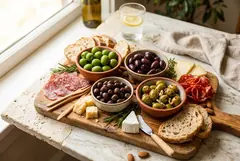
- pale green, small, often stuffed with red pimento
The mechanism is fermentation. The Spanish cure ferments the olives in brine, producing lactic acid and the tangy, slightly funky note that separates a Manzanilla from a plain brined olive. That tang is what makes them cut fat so efficiently for the price.
What it pairs with — and why
| Pair it with | Why it works |
|---|---|
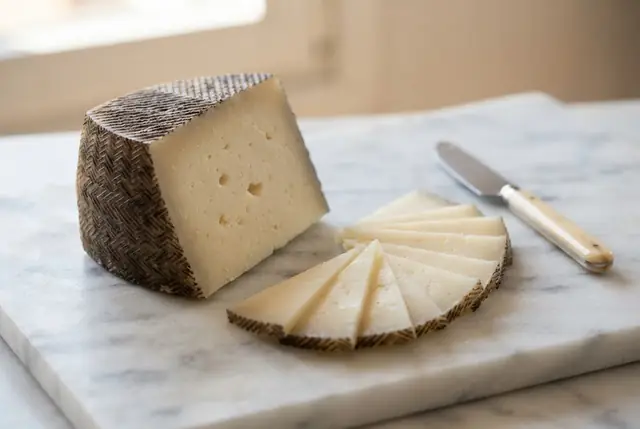
| Manchego | The Spanish default pairing, and the reason both are on every tapas bar. Salt, fat and tang. |
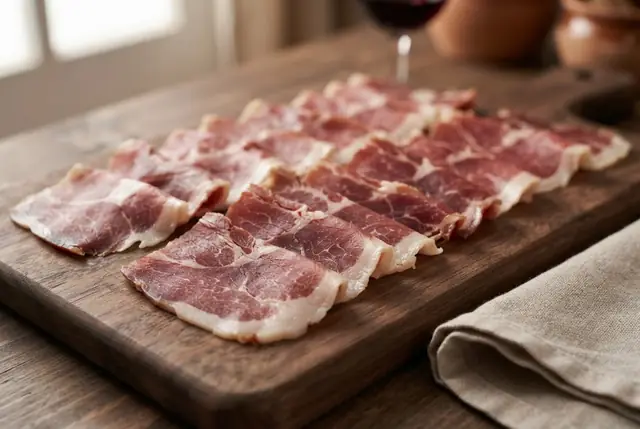
| Jamón serrano and ibérico | Fermented tang against dry-cured salt. Two things from the same region and the same tradition. |
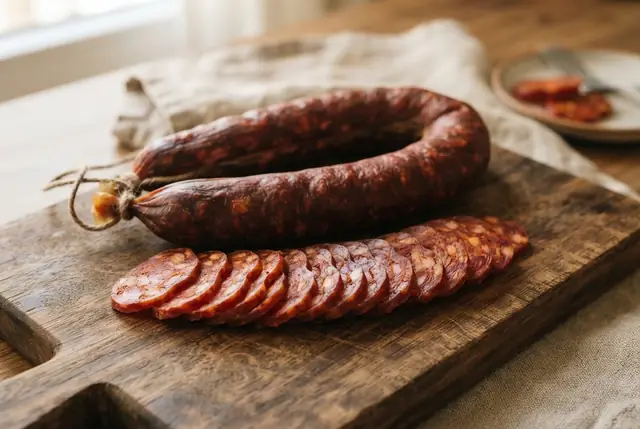
| Chorizo | Paprika and fat cut by acid and salt. |
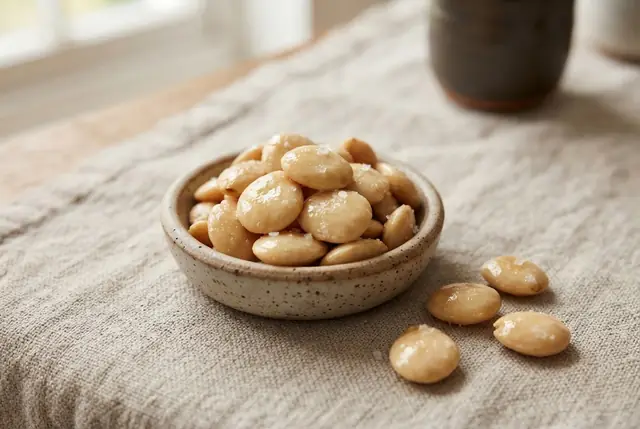
| Marcona almonds | The full Spanish bar plate — olive, almond, cheese, ham. |
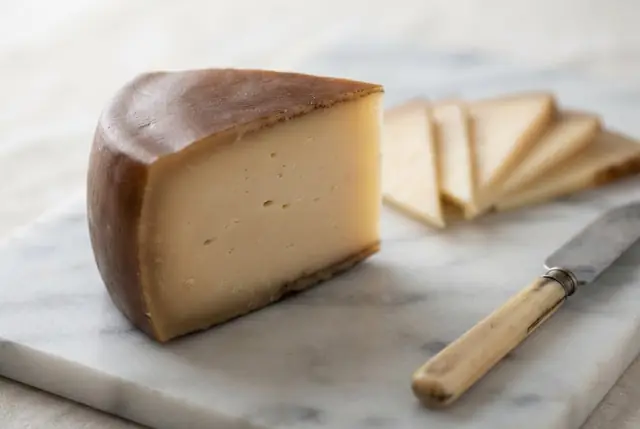
| Idiazábal | Smoked sheep cheese and slightly smoky olive; the notes overlap. |
| Fino sherry and vermouth | Both are dry, saline and slightly oxidised — the same flavour register the olive's fermented brine sits in. |
Skip it with: delicate fresh cheeses. Manzanillas are tangier than they look.
How to prep it for the board
- Drain and pat dry.
- Buy anchovy-stuffed if you can find them — the salt and umami make them a genuinely different ingredient.
- Serve in a small bowl with a pit bowl if unpitted.
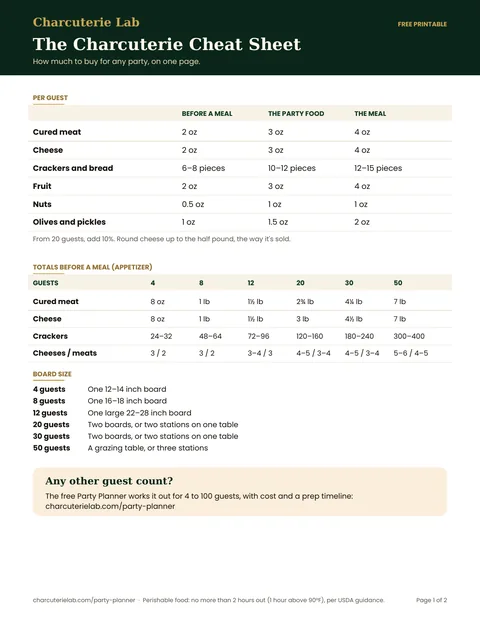
- Serve 1 oz per person.
- Dress them with olive oil, orange zest and smoked paprika for a five-minute upgrade.
- Serve at room temperature.
- Fix: too sharp on their own? They're bar snacks; put them next to fatty ham and cheese and they make sense.
What to buy
| Product | Where | Notes |
|---|---|---|
| Anchovy-stuffed Manzanilla | Spanish delis, Whole Foods, olive bars | The best version. Salty, savoury, cheap. |
| Manzanilla with pits | Grocery, olive bars | Firmer and more flavourful than pitted. |
| Pimento-stuffed Manzanilla | Any grocery | The supermarket standard. Fine, and the red looks good. |
| Gordal olives | Spanish delis | The other Spanish board olive — much larger, meatier, milder. |
| Manzanilla with garlic or almond | Olive bars | Both good. Almond-stuffed is excellent with sherry. |
Label check: Spanish origin and a brine cure. Cheap jars in water rather than brine go soft.
Skip: anything sold in a plastic jar in the cocktail-mixer aisle — the same olive, but usually older and mushier.
Quick FAQ
Are Manzanilla olives the same as cocktail olives?
Usually yes — Manzanilla is the variety used for pimento-stuffed cocktail olives. Better-quality jars from the deli section are a step up.
Should I buy them stuffed?
Anchovy-stuffed is a real upgrade for a board. Pimento is fine and looks good.
Are they salty?
Yes, and slightly tangy from fermentation. They're bar snacks, and they suit fatty food.
What cheese goes with Manzanilla olives?
Manchego above all, plus Idiazábal and other Spanish sheep cheeses.
How much per person?
About an ounce — five or six olives.