The short version
Octopus in olive oil, tinned in Spain or Portugal. It is mild, faintly sweet and genuinely tender — the tin does the long slow cook that octopus needs, so what you open is better than most restaurants manage. It is the most expensive tin on the board and the one that gets talked about. Olive oil, smoked paprika, bread, done.
What it is
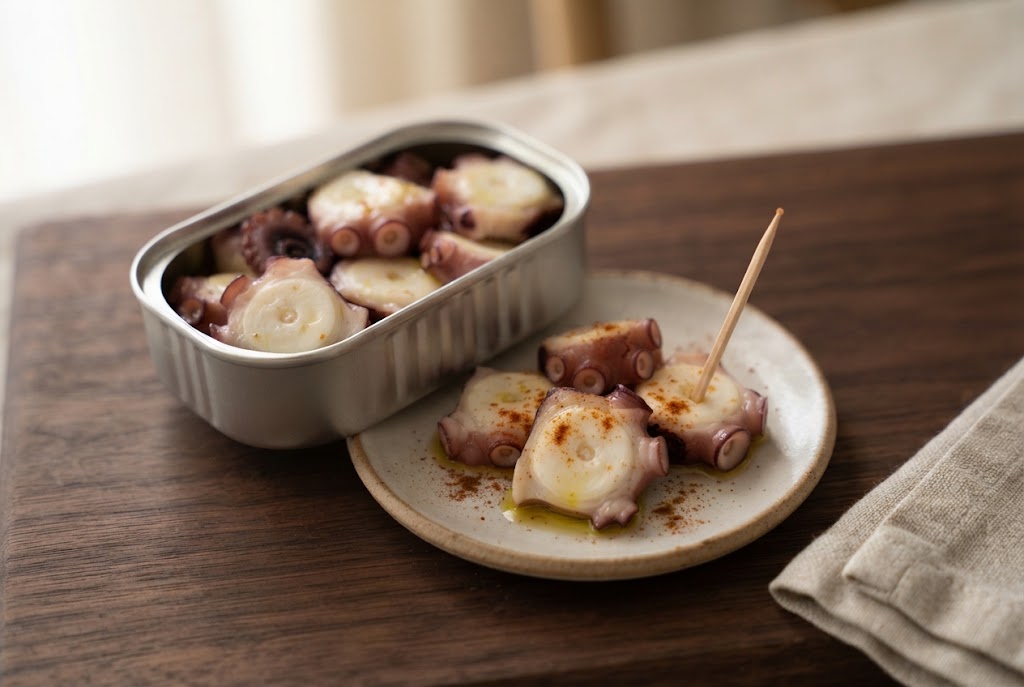
Cooked octopus, usually tentacle sections, packed in olive oil, sometimes with garlic or paprika. Galicia and northern Portugal are the reference sources. The sliced rounds show the suckers, which is most of the visual appeal.
- Taste
- mild, clean, slightly sweet, with olive oil and salt around it
- Texture
- firm but yielding, never rubbery
- Look
- pale rounds with a purple-pink rim and visible suckers
The mechanism is slow heat on collagen. Octopus muscle is dense with collagen, which is tough until it converts to gelatin — a process that needs hours of gentle heat. The retort used to sterilise a tin does exactly that, which is why tinned octopus is reliably tender when a quickly cooked fresh one is not.
What it pairs with — and why
| Pair it with | Why it works |
|---|---|
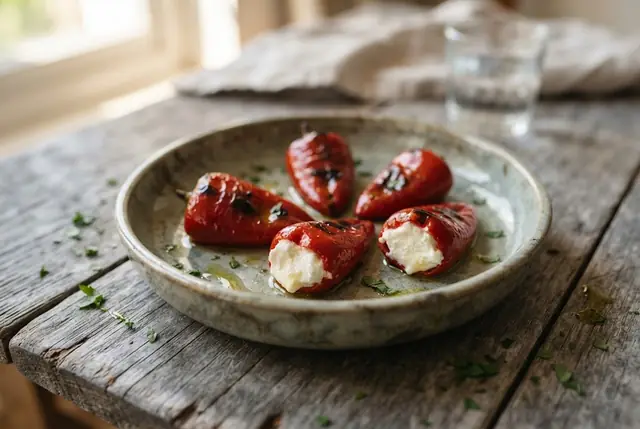
| Piquillo peppers | Sweet, smoky and Spanish. The best partner on the board and it costs almost nothing. |
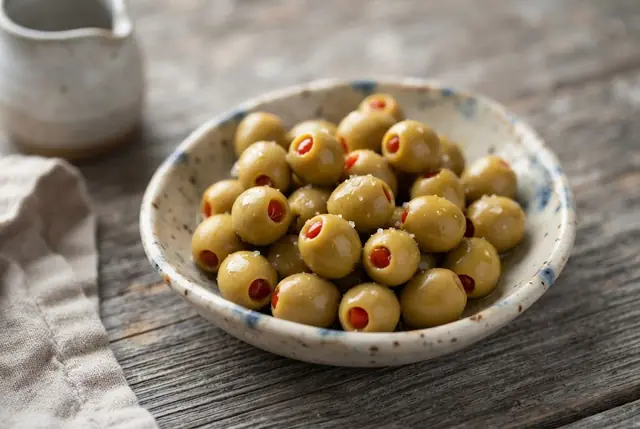
| Manzanilla olives | Brine and bitterness against sweet mild flesh. Almost the same plate as a bar in Vigo. |
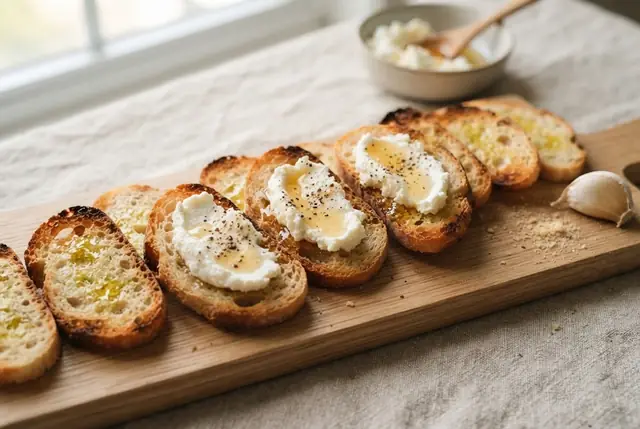
| Crostini | You need something to put it on, and it should be plain. |
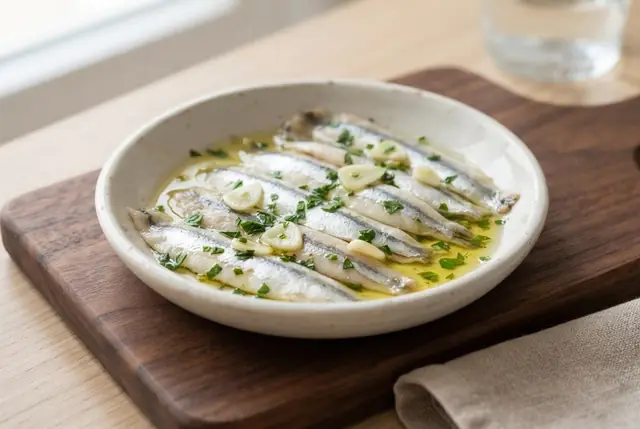
| Boquerones | Two Spanish seafood tapas that do not compete — one sharp, one sweet. |
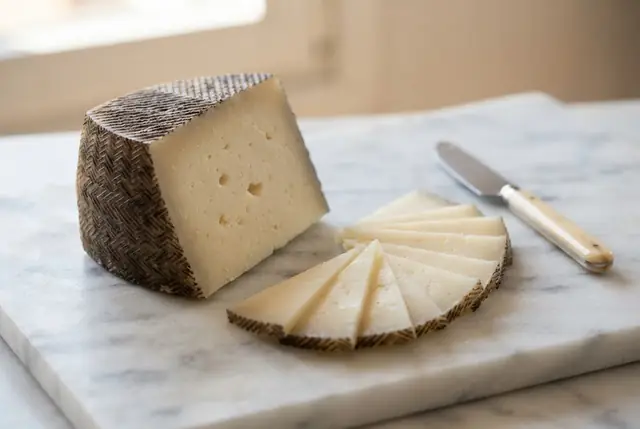
| Manchego | Cheese with seafood works here because manchego is dry and nutty rather than creamy. |
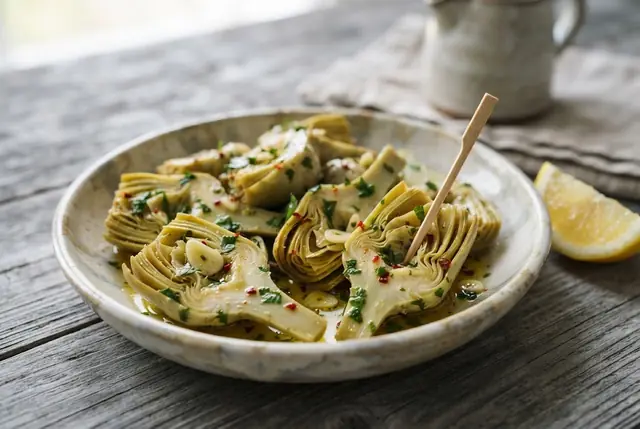
| Marinated artichokes | Oil, acid and a vegetal edge. It rounds out the tapas corner. |
Skip it with: blue cheese, smoked meat and sweet preserves. They all flatten it.
How to prep it for the board
- Lift the pieces out carefully and lay them flat so the suckers show.
- Spoon the packing oil back over them.
- Dust with smoked paprika — pimentón dulce — and flaky salt.
- Add a squeeze of lemon right before serving.
- Serve 1 oz per person. A tin covers three or four.
- Serve it on a small plate, not on wood.
- Fix: tasting bland? Salt and acid, in that order. Tinned octopus is deliberately under-seasoned so it can go into dishes.
What to buy
| Product | Where | Notes |
|---|---|---|
| Galician pulpo in olive oil | Spanish delis, specialty | The reference. Whole tentacle sections, excellent oil. |
| Portuguese polvo conservas | Portuguese delis, specialty | Often cheaper and just as good. Beautiful tins. |
| Octopus in pimentón or garlic oil | Spanish delis | Already seasoned. The easiest way to serve it. |
| Supermarket tinned octopus | Larger grocery, international aisle | Smaller pieces, thinner oil. Fine, but season it. |
| Frozen cooked octopus | Fishmongers, Mediterranean grocers | Not tinned, cheaper per ounce, needs slicing and dressing. |
Label check: olive oil, and pieces rather than "octopus in sauce". The tin should feel heavy for its size.
Skip: anything packed in vegetable oil or brine. The oil is half the product.
Quick FAQ
Does tinned octopus taste fishy?
Barely. It is mild and slightly sweet, closer to a scallop than to a sardine. It is the easiest tinned seafood to like.
Is it tender?
Yes. The tinning process cooks it slowly under pressure, which is exactly what octopus needs. It is more tender than most restaurant octopus.
Is octopus shellfish for allergy purposes?
It is a mollusc, so it should be flagged to anyone with a shellfish allergy.
What do I put with it?
Smoked paprika, olive oil, lemon and bread. That is the Galician plate and it needs nothing else.
How much per person?
About an ounce. A tin serves three or four people on a board.