The short version
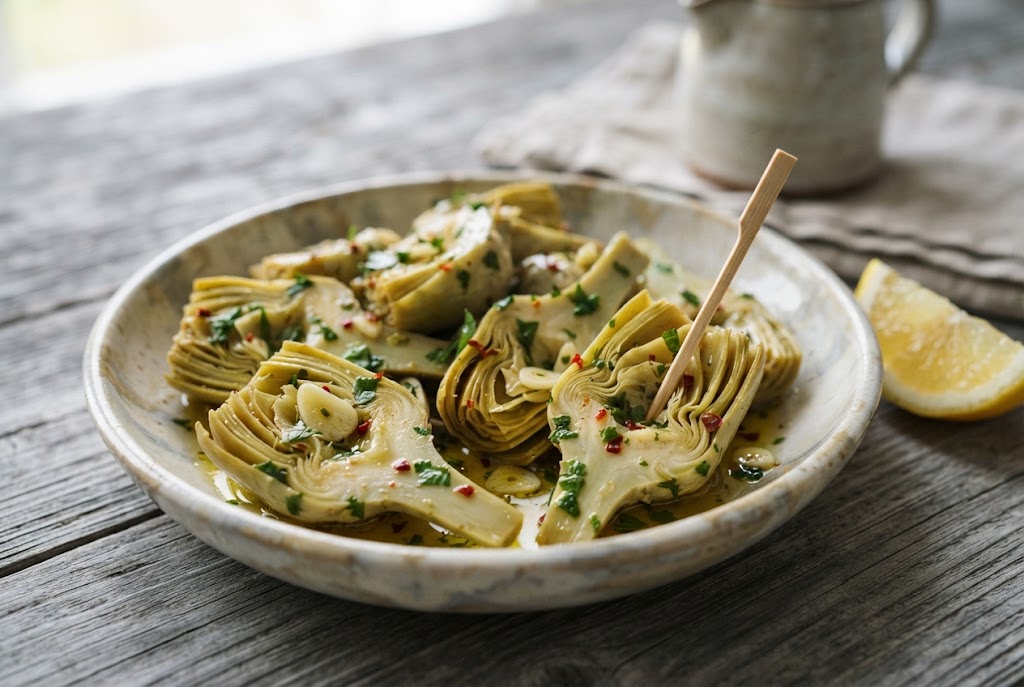
Artichoke hearts quartered and marinated in oil with lemon, garlic and herbs. They're one of the few vegetables on a board that eat like a real component rather than a garnish — soft, tangy and substantial. Buy them from an olive bar or a jar in oil; canned artichokes in water are a different, sadder thing.
What it is
Young artichoke hearts, trimmed and cooked, then packed in olive or sunflower oil with vinegar, lemon, garlic and herbs. Sold as quarters, halves, or whole baby artichokes. Italian carciofini sott'olio is the reference version.
- Taste
- tangy, lemony, herbal, mildly bitter and nutty
- Texture
- tender with a slight fibrous pull at the base
- Look
- pale green-yellow quarters, glossy with oil, flecked with herbs
The mechanism is cynarin — a compound in artichokes that temporarily blocks sweet receptors and makes whatever you eat next taste sweeter. That's why artichokes are famously difficult with wine, and why on a board they make the fruit and the cheese that follow taste brighter than they otherwise would.
What it pairs with — and why
| Pair it with | Why it works |
|---|---|
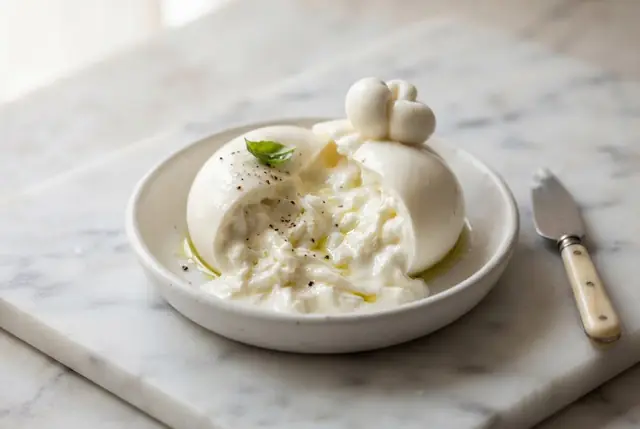
| Burrata | The Italian antipasto plate. Cream and lemony tang, with the artichoke giving it structure. |
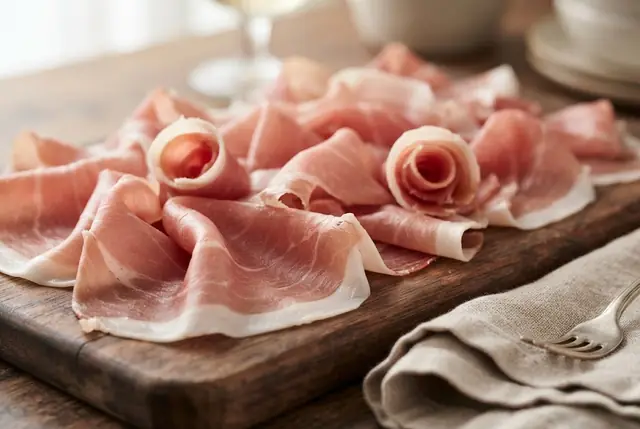
| Prosciutto | Salt and fat against acid and vegetal bitterness. |
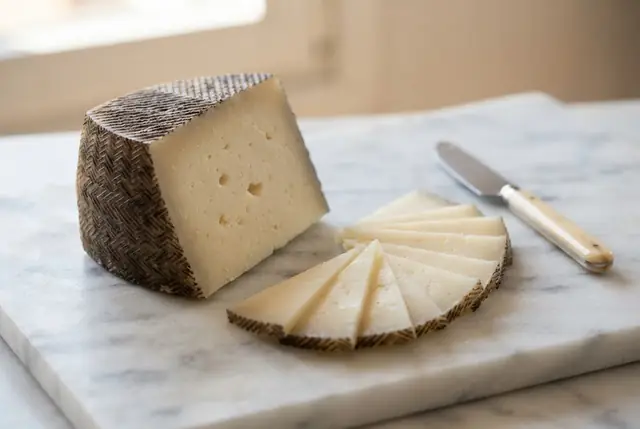
| Manchego and hard cheeses | Salt and nuttiness meeting a vegetable that's already faintly nutty. |
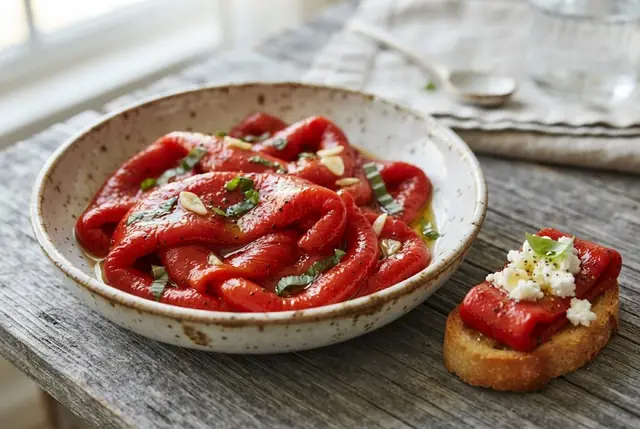
| Roasted red peppers | Sweet against tangy — the two halves of an antipasto platter. |
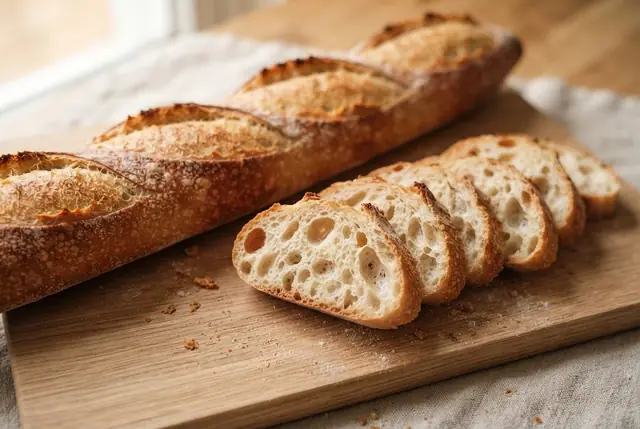
| Baguette and focaccia | The oil at the bottom of the bowl is a dressing. |
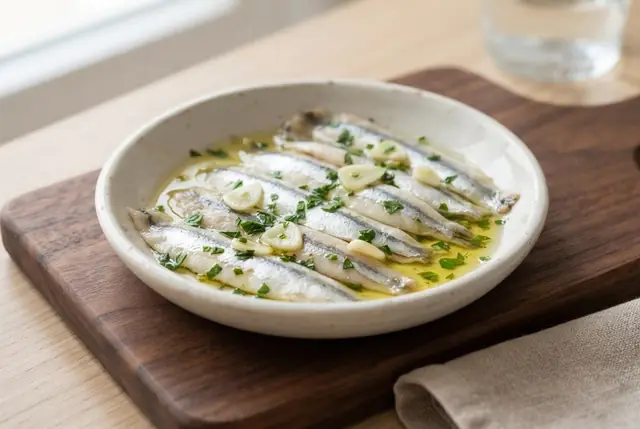
| Anchovies and olives | The full antipasto. Everything from the same shelf. |
Skip it with: wine you care about, and delicate fresh cheese. Artichoke makes wine taste metallic for a lot of people.
How to prep it for the board
- Drain them, keeping a little oil clinging.
- Serve in a small bowl or fanned on a plate — they're oily and will mark a wooden board.
- Cut large pieces into halves so they're one bite.
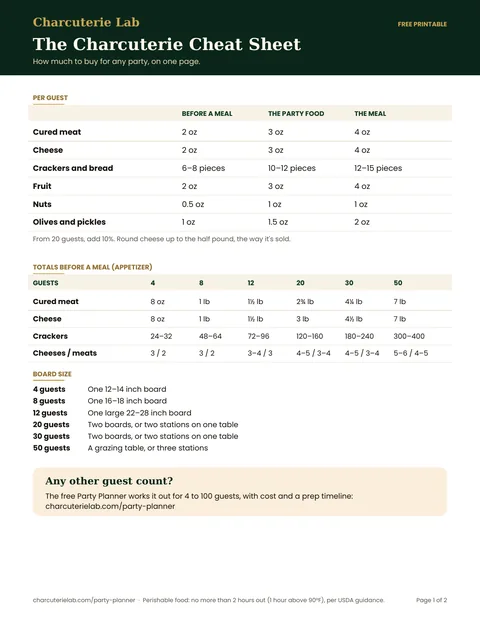
- Serve 1 oz per person.
- Dress with lemon zest and parsley if they taste flat from the jar.
- Serve at room temperature. Cold oil goes cloudy and waxy.
- Fix: oily and dull? Drain properly and add fresh lemon juice. Most jarred artichokes need brightening.
What to buy
| Product | Where | Notes |
|---|---|---|
| Olive bar marinated artichokes | Whole Foods, Italian delis | The best. Fresher and better dressed. |
| Carciofini sott'olio | Italian delis, Eataly | Jarred in olive oil. Excellent and worth the price. |
| Grilled or fire-roasted artichokes | Olive bars, specialty | Charred edges add real depth. The best version for a board. |
| Trader Joe's marinated artichokes | Trader Joe's | Cheap and reliable. |
| Canned artichoke hearts in water | Grocery | For cooking, not for boards. Bland and watery. |
Label check: packed in olive oil rather than sunflower oil, ideally. Check for citric acid — a little is normal, a lot means they'll taste sour.
Skip: canned in brine or water for board use.
Ranked picks: for a creamy dip, our top-rated store-bought spinach artichoke dip is Marketside Spinach & Artichoke (4.7 out of 5). See the full ranking of the best spinach dip.
Quick FAQ
Are marinated artichokes good on a charcuterie board?
Yes — they're one of the few vegetables substantial enough to eat as a component rather than a garnish.
Jarred or canned?
Jarred in oil, or from an olive bar. Canned artichokes in water are watery and bland.
Why do artichokes make wine taste strange?
Cynarin, a compound in artichokes, temporarily blocks sweet receptors, which can make wine taste metallic or oddly sweet.
What cheese goes with marinated artichokes?
Burrata above all, plus manchego and hard sheep cheeses.
How much per person?
About an ounce — two or three quarters.