The short version
Peppers charred, peeled and packed in their own juices. They're silky, sweet and lightly smoky — a rare combination on a board that's mostly salt and fat. A jar costs two dollars, and the upgrade is buying Spanish piquillo peppers, which are woodfire-roasted and noticeably better.
What it is
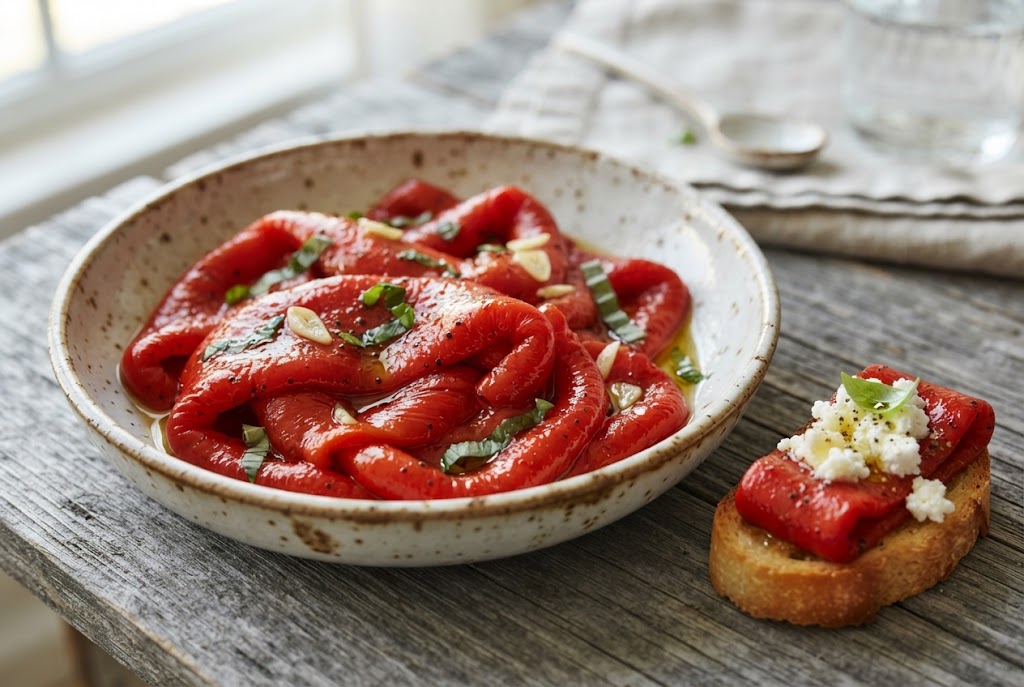
Red bell peppers or piquillos, roasted until the skin blisters, peeled, and packed in brine, oil or their own juices. Jarred versions are genuinely good — this is one of the few preserved vegetables that loses nothing to the fresh version.
- Taste
- sweet, smoky, mildly acidic
- Texture
- silky and soft, no resistance at all
- Look
- deep glossy red strips or whole small peppers
The mechanism is roasted sugar. Charring converts the pepper's sugars and drives off water, so a roasted pepper is several times sweeter and deeper than a raw one, with smoke on top. That sweetness sits between a jam and a vegetable — it adds sugar to a savoury board without reading as dessert.
What it pairs with — and why
| Pair it with | Why it works |
|---|---|
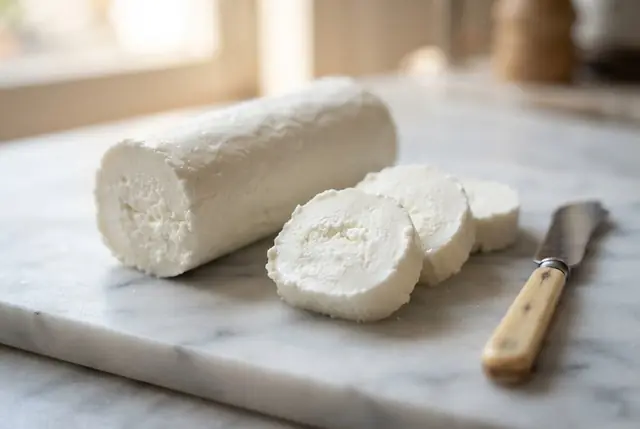
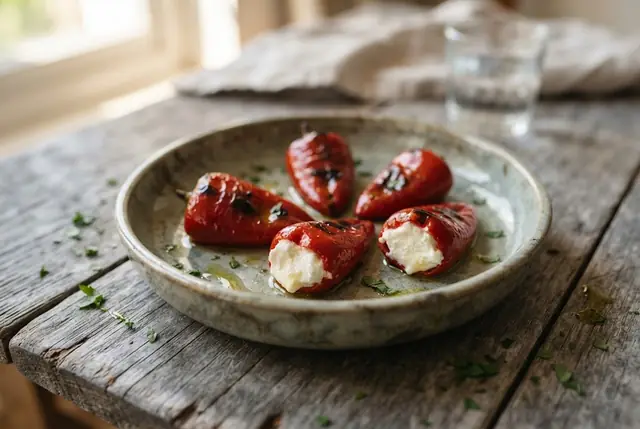
| Fresh goat cheese | Sweet and smoky against chalky lactic tang. The most reliable pairing in this whole category. |
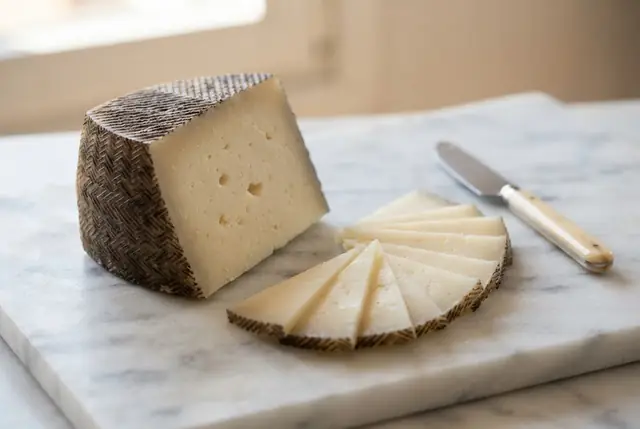
| Manchego | Spanish on Spanish. Sheep-milk salt against roasted sugar. |
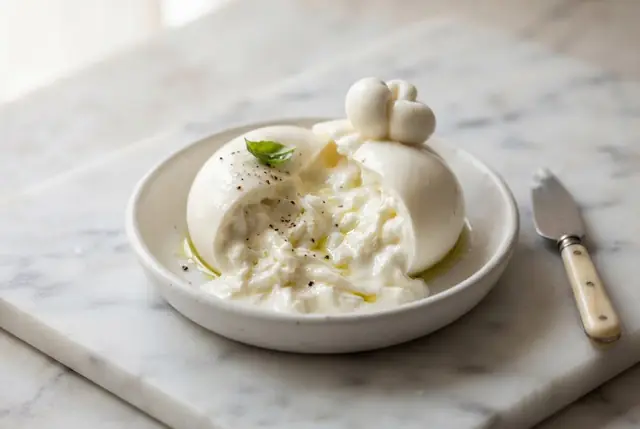
| Burrata | Cream, sweetness, smoke and olive oil — a restaurant plate for four dollars. |
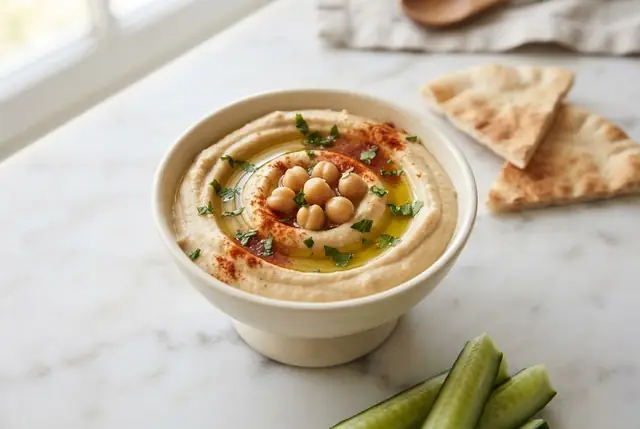
| Hummus and dips | Chopped over the top. Colour, sweetness and the smoke that hummus lacks. |
| Romesco | Peppers in the sauce and peppers beside it. Doubling down works here. |
| Anchovies | The Catalan combination. Sweet, salty, oily. |
Skip it with: blue cheese. Sweet smoke and blue funk don't reconcile.
How to prep it for the board
- Drain well and blot. They carry a lot of liquid.
- Cut into strips if they're whole, and fan them.
- Serve on a plate or in a bowl — the juices run and stain.
- Dress with olive oil, garlic and parsley for a two-minute upgrade.
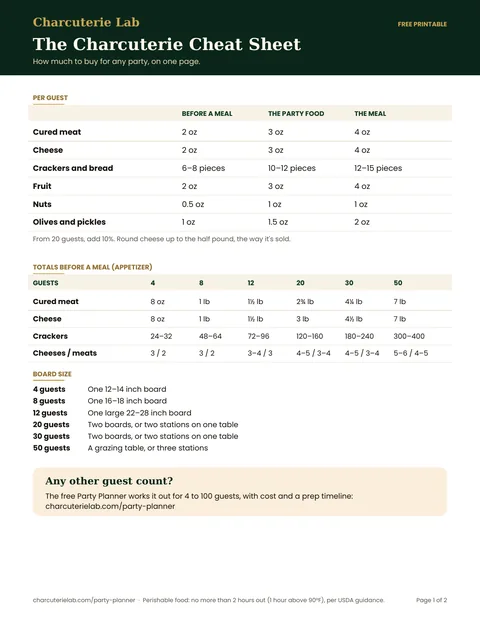
- Serve 0.75 oz per person.
- Stuff piquillos with goat cheese if you want a made dish rather than an ingredient.
- Fix: watery and bland? Drain properly, then dress with sherry vinegar and oil. Jarred peppers almost always need it.
What to buy
| Product | Where | Notes |
|---|---|---|
| Piquillo peppers | Spanish delis, Whole Foods | Woodfire-roasted, small, sweet and deep. The best version by far. |
| Jarred roasted red peppers | Any grocery | The cheap default. Fine after draining and dressing. |
| Fire-roasted peppers in oil | Italian delis, olive bars | Richer and smokier than brined. |
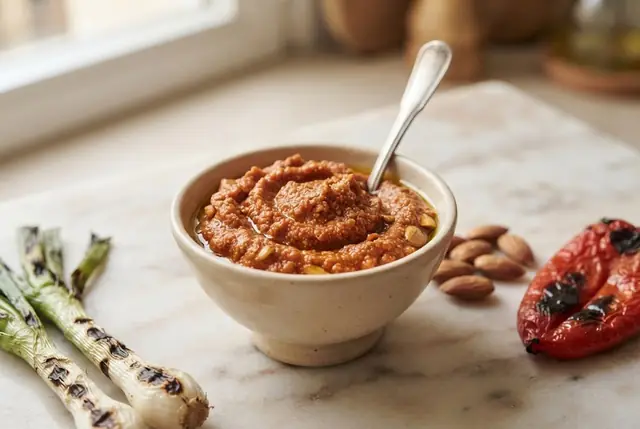
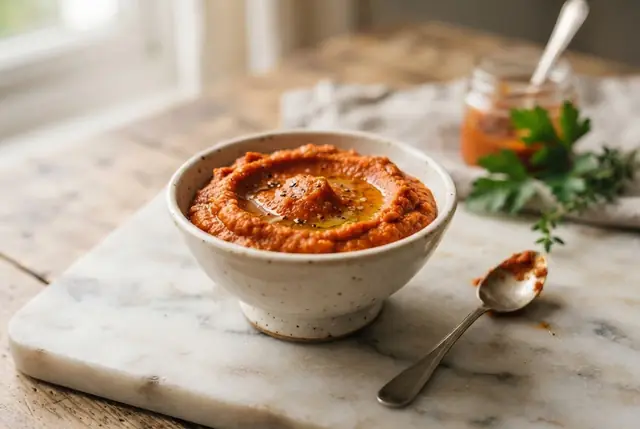
| Ajvar | Balkan grocers | Roasted pepper spread. A different form, same flavour. |
| Home-roasted | Make it | Char bell peppers over a flame or under a broiler until black, steam in a covered bowl, peel. |
Label check: packed in juices or oil rather than water and vinegar. Piquillo peppers will say so and cost more.
Skip: anything pale orange rather than deep red — under-roasted and bland.
Quick FAQ
Are jarred roasted red peppers as good as homemade?
Close, and for a board they're fine. Piquillo peppers in a jar are better than most people's home-roasted bell peppers.
What are piquillo peppers?
Small Spanish peppers roasted over wood fire, then peeled and jarred. Sweeter and deeper than roasted bell peppers.
What cheese goes with roasted red peppers?
Fresh goat cheese above all, plus manchego and burrata. Not blue cheese.
How do I roast peppers at home?
Char them whole over a gas flame or under a broiler until the skin is black, then steam in a covered bowl for ten minutes and peel.
How much per person?
About three-quarters of an ounce.