The short version
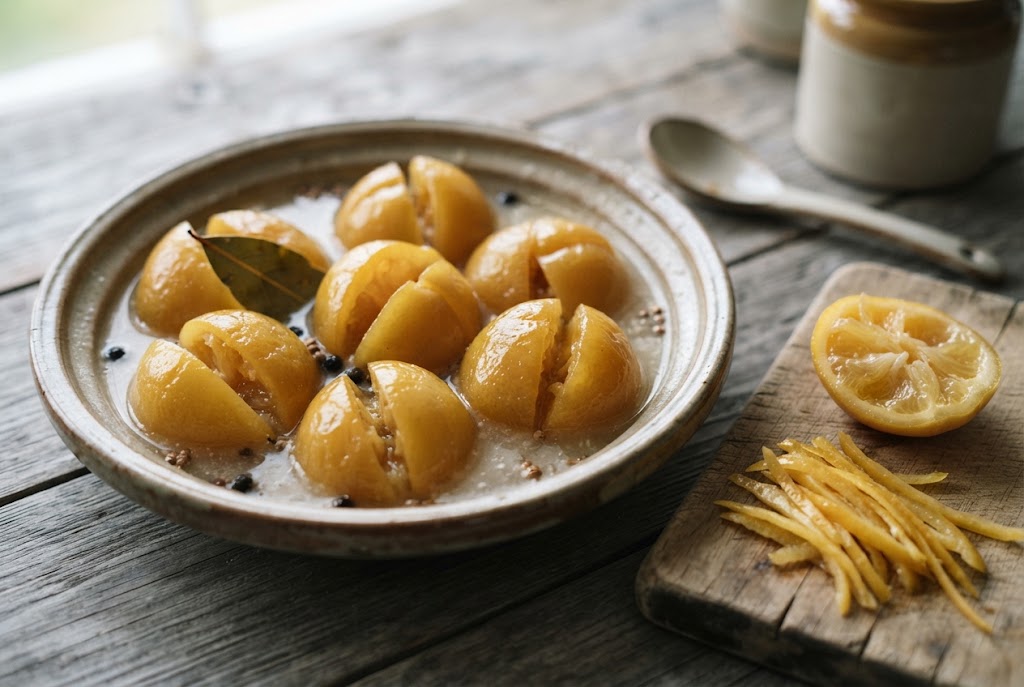
Lemons quartered, buried in salt and left for a month. The salt breaks down the pith, so the bitterness vanishes and the rind turns soft and translucent. What is left tastes more of lemon than a lemon does, without any of the sourness. Chopped fine over labneh or olives, a teaspoon lifts the whole savoury half of a board.
What it is
A Moroccan preserve, sold in jars and increasingly in ordinary supermarkets. The lemons sit in their own juice and salt, sometimes with cinnamon, clove or bay. The pulp is usually discarded; the peel is the ingredient.
- Taste
- deep lemon oil, salt, a faint funk, and no bitterness at all
- Texture
- soft, yielding peel, nothing like fresh zest
- Look
- translucent yellow, slumped, sitting in cloudy brine
The mechanism is salt breaking down pith. Lemon bitterness lives in the white albedo, and a month in high-salt brine degrades those compounds while the aromatic oils in the outer peel survive. The result is the top note of a lemon without the sharpness or the bitterness — a flavour you cannot get any other way.
What it pairs with — and why
| Pair it with | Why it works |
|---|---|
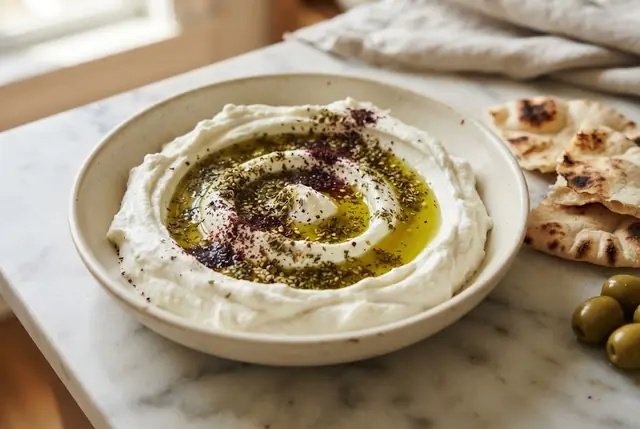
| Labneh | Chopped fine over cool yogurt with oil. Salt-sour on lactic-sour, and it makes a plain bowl look considered. |
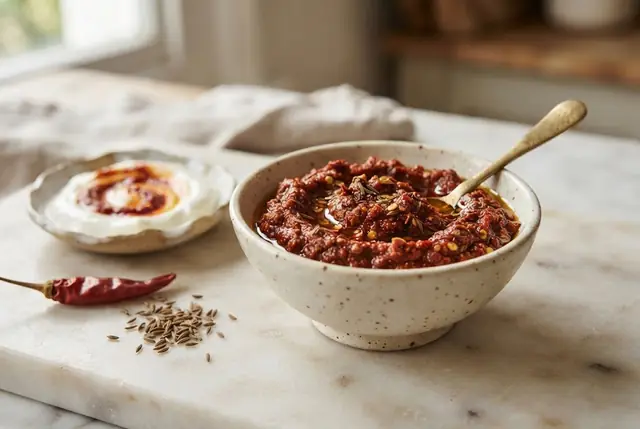
| Harissa | Both Maghrebi staples. The lemon's salt-brightness stops the harissa reading as only heat. |
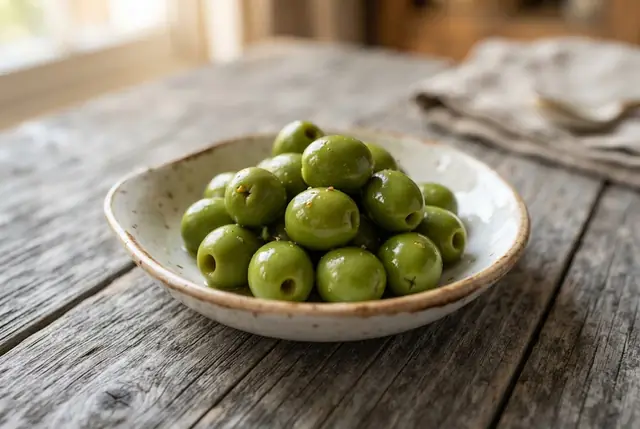
| Castelvetrano olives | Buttery green olives tossed with chopped preserved lemon is a two-minute upgrade on the best olive there is. |
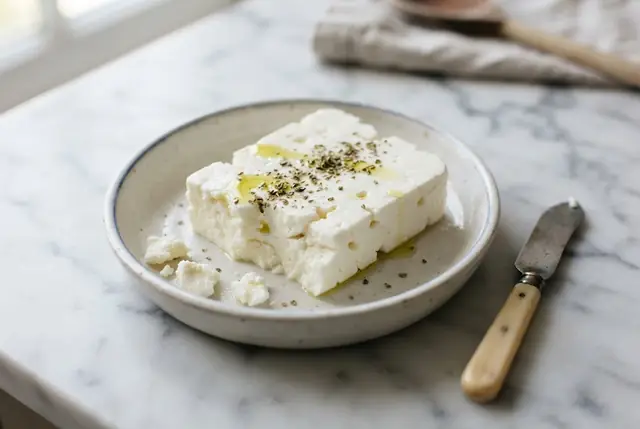
| Feta | Salt on salt works when the second salt brings citrus with it. |
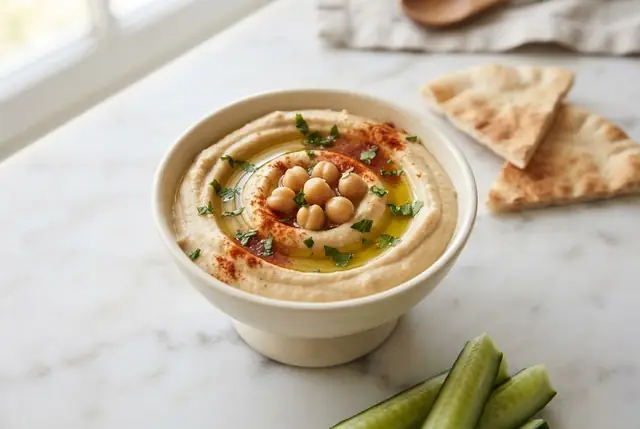
| Hummus | Solves the flatness problem better than more lemon juice does, because it adds oil flavour as well as acid. |
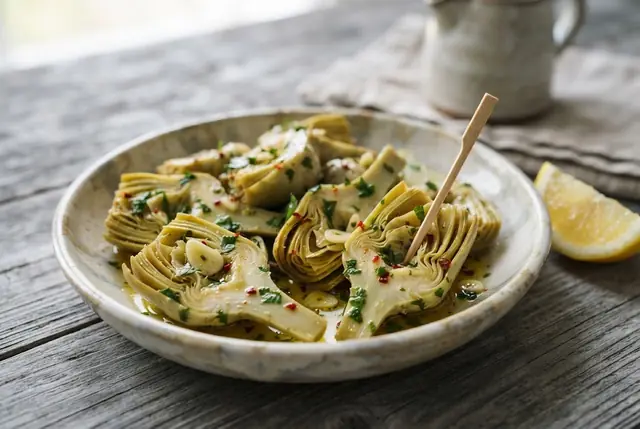
| Marinated artichokes | Both oily and both a little bitter. The lemon ties them together. |
Skip it with: sweet preserves and dessert items. This is a savoury seasoning.
How to prep it for the board
- Scrape out the pulp and discard it. The peel is what you want.
- Rinse the peel briefly under cold water to take the edge off the salt.
- Slice it very thin or chop it fine. Whole pieces are too much.
- Scatter it over dips and olives rather than serving it alone.
- Serve 0.25 oz per person.
- Save the brine. A spoonful in a dressing is excellent.
- Fix: still too salty? Rinse again and toss the peel in olive oil for a minute before using it.
What to buy
| Product | Where | Notes |
|---|---|---|
| Jarred preserved lemons | Middle Eastern grocers, larger supermarkets | The default. Look for whole quarters in cloudy brine. |
| Beldi preserved lemons | Moroccan and specialty grocers | Small thin-skinned Moroccan lemons. The reference version. |
| Preserved lemon paste | Specialty | Already chopped and blended. Convenient, less pretty on a board. |
| Preserved Meyer lemons | Specialty, farmers markets | Sweeter and more floral. Excellent and expensive. |
| Homemade | Make it | Lemons, coarse salt, a clean jar and a month. Almost free. |
Label check: lemons, salt, water. Anything with citric acid or preservative has been shortcut.
Skip: jars where the peel has gone brown and the brine is clear. That is old stock.
Quick FAQ
Do you eat the whole preserved lemon?
You eat the rind. Most cooks scrape out and discard the salty pulp, then rinse and slice the peel.
Are preserved lemons very salty?
Yes, straight from the jar. Rinsing them briefly under cold water fixes it without losing the flavour.
What do they taste like?
Intensely lemony but not sour, with the bitterness gone and a soft, almost floral saltiness in its place.
Can I make them at home?
Yes. Quarter lemons, pack them with a lot of coarse salt and their own juice, and leave them a month at room temperature.
How much per person?
A quarter ounce, chopped fine. A little goes a long way.