The short version
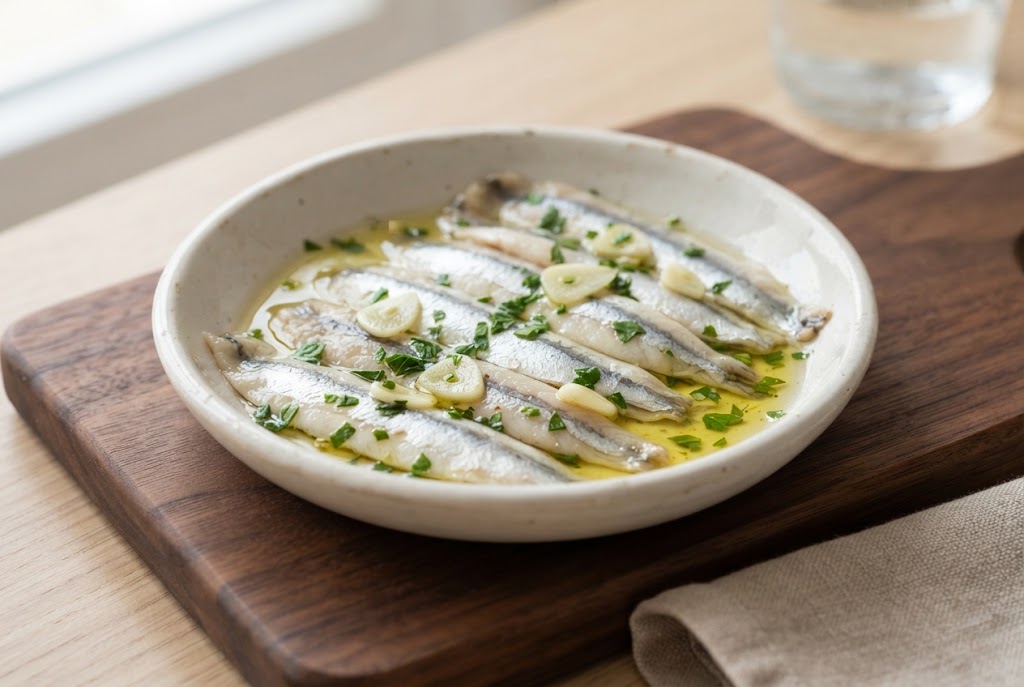
The same fish as a salt-packed anchovy, cured a completely different way. Fresh anchovies are filleted and steeped in vinegar, which firms the flesh and keeps it white, then packed in oil with garlic and parsley. The result is mild, bright and clean — and it converts people who are certain they hate anchovies.
What it is
A Spanish refrigerated tapa, sold in tubs or on deli trays. The vinegar cure is short and the fish is never dried, so boquerones stay soft and pale. They are a fresh product with a short shelf life, not a preserve.
- Taste
- mild fish, sharp vinegar, garlic, olive oil
- Texture
- soft and silky, holding together
- Look
- pearl white fillets with a silver stripe, often flecked with parsley
The mechanism is acid denaturation. Vinegar unfolds the muscle proteins the way heat would, so the flesh sets without cooking and stays pale. Salt curing does something different — it draws water out over months and concentrates everything, which is why the brown anchovy is savoury and intense while this one is fresh and light.
What it pairs with — and why
| Pair it with | Why it works |
|---|---|
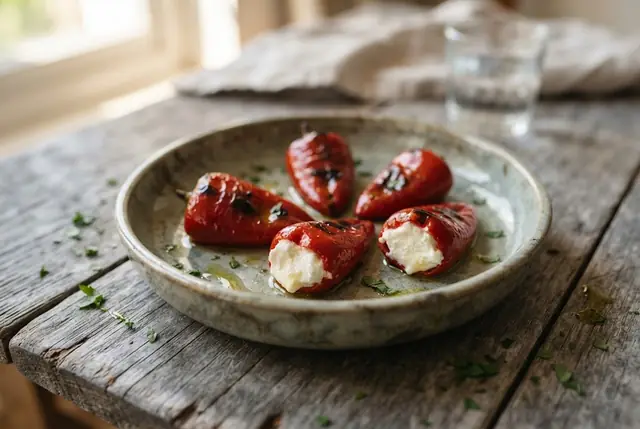
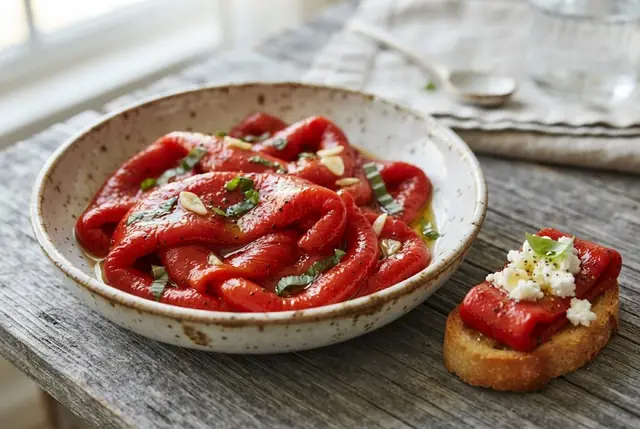
| Piquillo peppers | Sweet roasted pepper against sharp vinegar fish. The Catalan pairing, and the best thing on this list. |
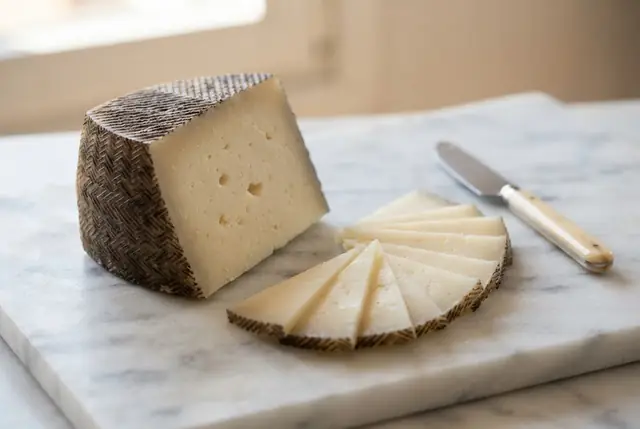
| Manchego | Sheep salt and nuttiness. Spain on Spain, and the cheese blunts the vinegar. |
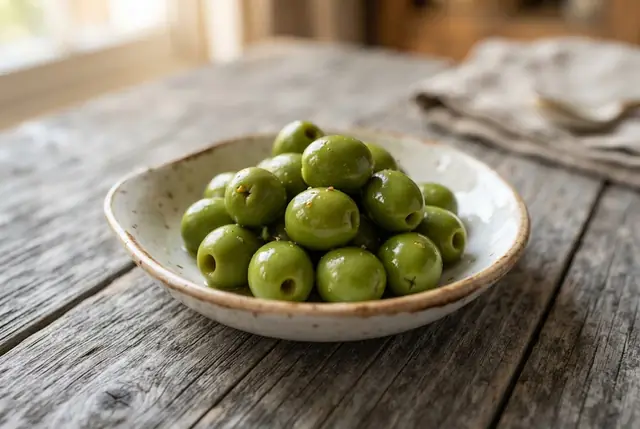
| Castelvetrano olives | Buttery, mild and green. Two soft briny things that do not compete. |
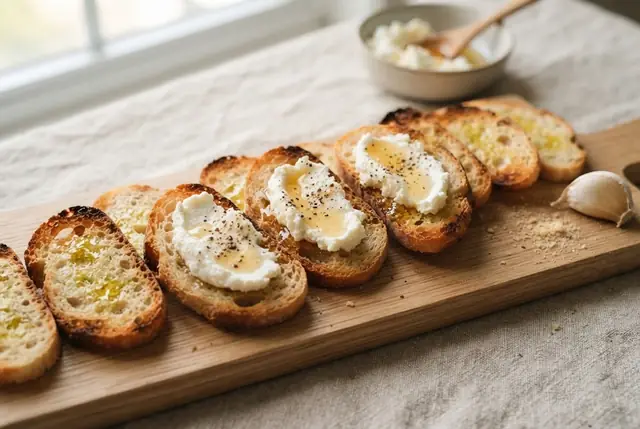
| Crostini | Boquerones on toast with a little oil is a tapa in its own right. |
| Roasted red peppers | The cheaper version of the piquillo pairing, and nearly as good. |
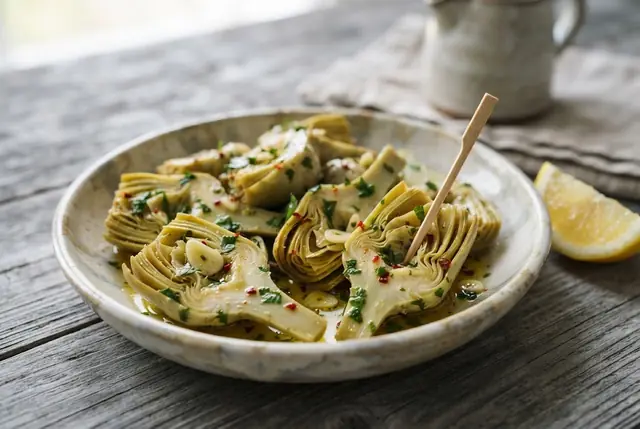
| Marinated artichokes | Oily, acidic, vegetal. They belong in the same corner of the board. |
Skip it with: blue cheese, sweet jams and anything smoked. All three bury them.
How to prep it for the board
- Buy them cold and keep them cold until the board goes out.
- Lift them out with a fork, not your fingers. They tear.
- Lay them flat and slightly overlapping, silver side up.
- Spoon a little of their own oil over the top.
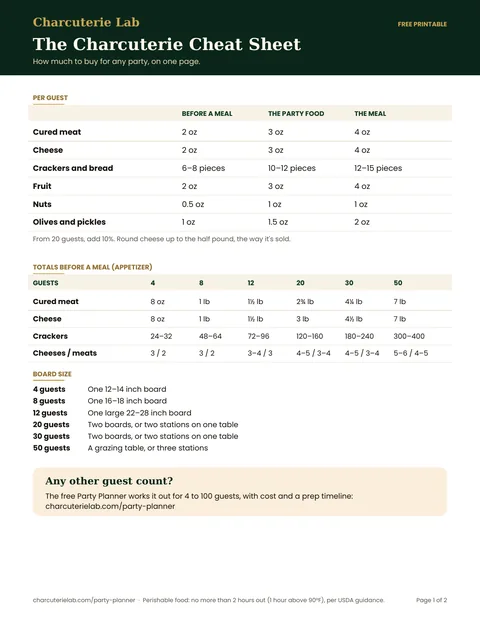
- Serve two or three fillets per person.
- Put crostini or bread directly beside them — they are hard to eat alone.
- Fix: too sharp? A few minutes in olive oil with a strip of lemon peel softens the vinegar noticeably.
What to buy
| Product | Where | Notes |
|---|---|---|
| Boquerones en vinagre | Spanish delis, refrigerated deli case | The reference product. White, soft, packed in oil with garlic. |
| Deli-counter marinated white anchovies | Italian delis, olive bars | Sold loose. Often excellent and you can buy six. |
| Vacuum-packed boquerones | Larger supermarkets | Convenient and reliable. Check the date. |
| Italian alici marinate | Italian delis | The same idea, usually with more parsley and less garlic. |
| Swedish or Dutch pickled anchovy | Nordic grocers | Sweeter cure. A different product, good on rye. |
Label check: they must be refrigerated and white. Anything brown, or on a shelf, is salt-cured anchovy.
Skip: dried-out fillets with grey edges. They should look wet and pearly.
Quick FAQ
What is the difference between boquerones and anchovies?
Boquerones are cured in vinegar and stay white, soft and mild. Salt-cured anchovies are brown, firm and intensely savoury. Same fish, completely different product.
Are boquerones raw?
They are cured rather than cooked, in the same way ceviche is. Commercial versions are frozen first, which handles the parasite risk.
Do they taste fishy?
Much less than you would expect. The vinegar and oil dominate, and the flesh is mild and clean.
Where do I find them?
The refrigerated deli case, not the tinned fish aisle. They are a fresh product.
How much per person?
Two or three fillets.