The short version
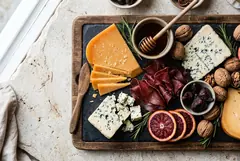
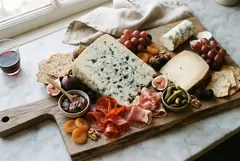
Walnuts are the one nut with real bitterness, and that's the whole reason to use them. Blue cheese, pears and figs all want something astringent alongside, and a walnut is it. Toast them for ten minutes before they go anywhere near a board — the difference is not subtle.
What it is
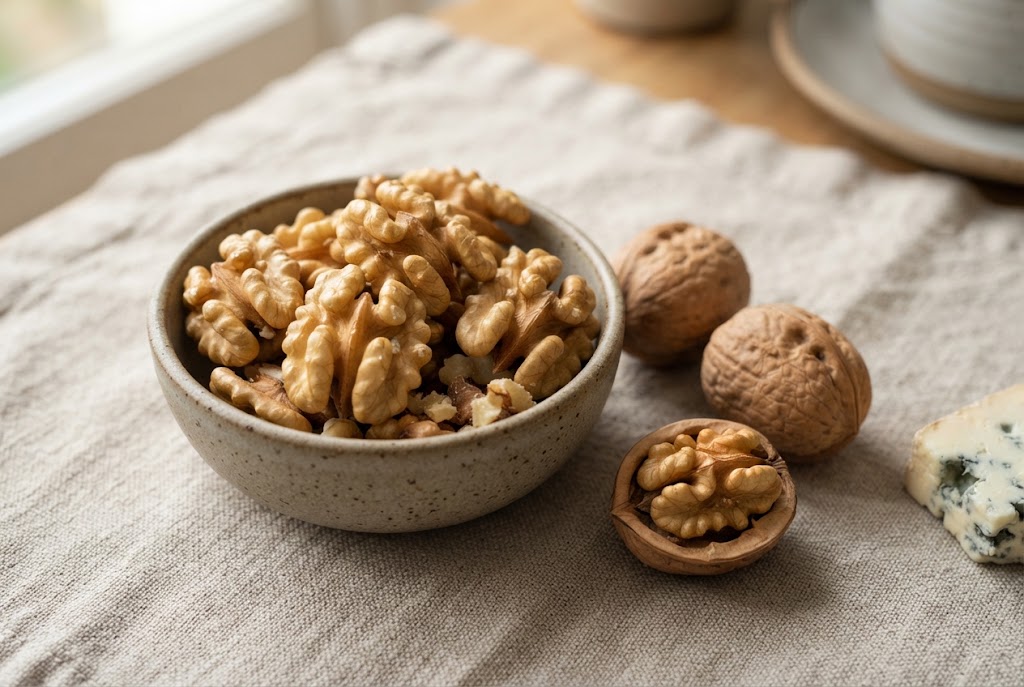
The kernel of the walnut, sold as halves or pieces, with a thin papery skin that carries most of the tannin. English (Persian) walnuts are the standard. Black walnuts are a different, much stronger species — intense, oily and divisive.
- Taste
- buttery interior, bitter tannic skin
- Texture
- soft-crisp, oily, easily broken
- Look
- pale brown convoluted halves
The mechanism is tannin. Walnut skins carry astringent compounds that behave like red wine in the mouth — they grip and clear fat in a way salt and acid don't. That is exactly what a wedge of roquefort or a slice of ripe pear needs, and why the pairing appears in every French kitchen.
What it pairs with — and why
| Pair it with | Why it works |
|---|---|
| Roquefort and gorgonzola | The definitive pairing. Tannin against salt and fat; each one makes the other less overwhelming. |
| Stilton | Same logic, with the walnut supplying the crunch the cheese lacks. |
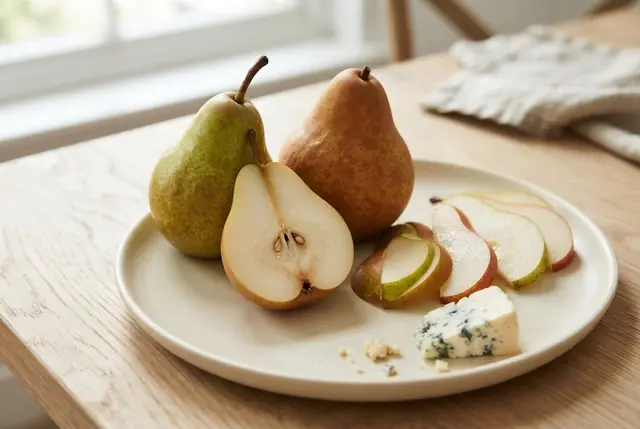
| Pears | Soft sweet fruit and bitter crunchy nut — the oldest cheese-board trio, with blue cheese. |
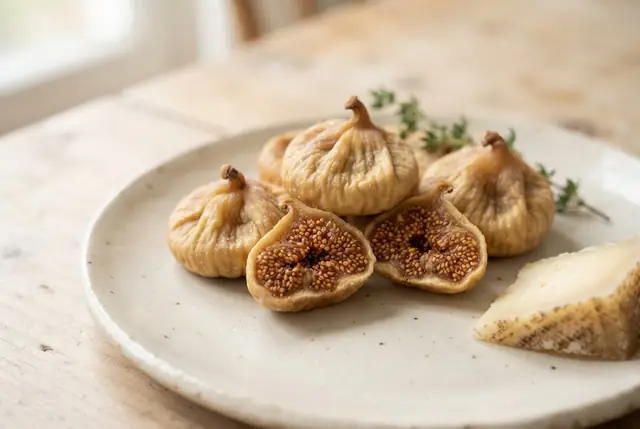
| Dried figs | Fig and walnut is a fixed pairing in bread across the Mediterranean. |
| Aged goat cheese | Sharp and dry against oily and bitter. |
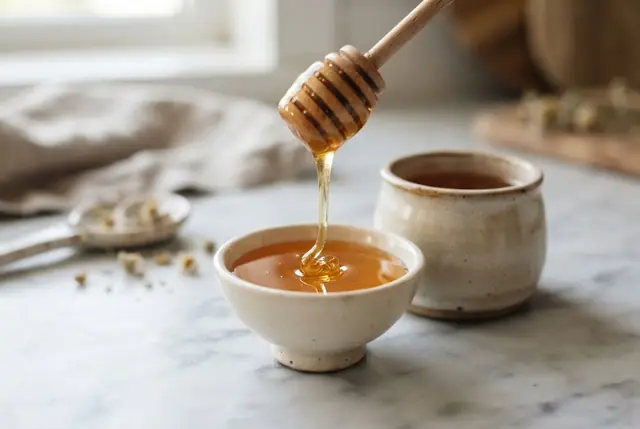
| Honey | A drizzle over toasted walnuts and blue cheese is a complete dish in three ingredients. |
Skip it with: delicate fresh cheeses. Walnut bitterness flattens mozzarella and burrata.
How to prep it for the board
- Toast them. 350°F for 8–10 minutes, tossed once. This is the single most important step on this page.
- Rub off the loose skin in a towel while warm if you want less bitterness. Leave it on if you want more.
- Salt lightly while warm if the board is savoury.
- Use halves, not pieces, on the board — pieces look like baking supplies.
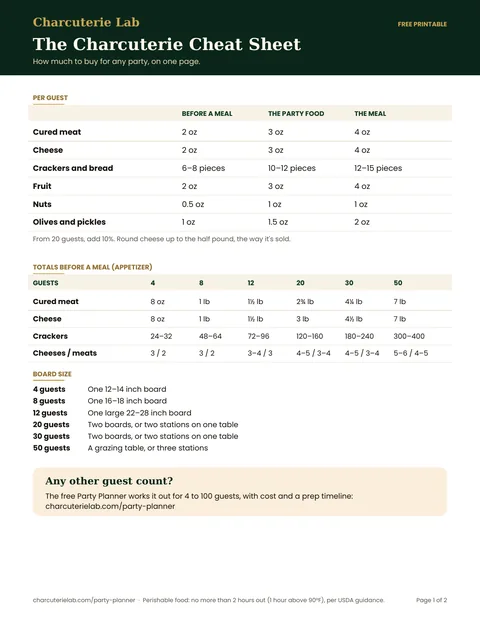
- Serve 0.5–1 oz per person.
- Buy them in small quantities. Walnuts are the fastest nut to go rancid.
- Fix: bitter to the point of unpleasant? Toast longer, rub the skins off, or blanch them in boiling water for a minute first.
What to buy
| Product | Where | Notes |
|---|---|---|
| Raw walnut halves | Any grocery, Costco | Buy raw and toast them yourself. Halves, not pieces. |
| Californian walnuts | Grocery | The standard. Mild and reliable. |
| French Grenoble walnuts | Specialty, online | Sweeter and less bitter. Sold in shell in autumn. |
| In-shell walnuts with a nutcracker | Grocery, autumn | Put them on the board in shell — it's theatre, and they're always fresh. |
| Candied walnuts | Grocery, make them | Sweet version. A different ingredient with different partners. |
| Black walnuts | Farmers markets, online | Intense, almost medicinal. For people who already know they like them. |
Label check: smell them. Rancid walnuts smell like paint, and it's the most common problem with this nut. Buy from a shop with turnover, and refrigerate.
Skip: walnut pieces for board use, and any bag that smells at all sharp.
Quick FAQ
Should I toast walnuts for a charcuterie board?
Yes. 350°F for 8–10 minutes. Untoasted walnuts taste flat and slightly stale.
Why are my walnuts bitter?
The papery skin carries tannins. Rub the skins off in a towel after toasting, or blanch briefly, to soften the bitterness.
What cheese goes with walnuts?
Blue cheeses above all — roquefort, gorgonzola, stilton — plus aged goat cheese.
How do I stop walnuts going rancid?
Buy small quantities and keep them in the freezer. Walnuts spoil faster than any other common nut.
Halves or pieces?
Halves. Pieces look like an ingredient rather than a serving.