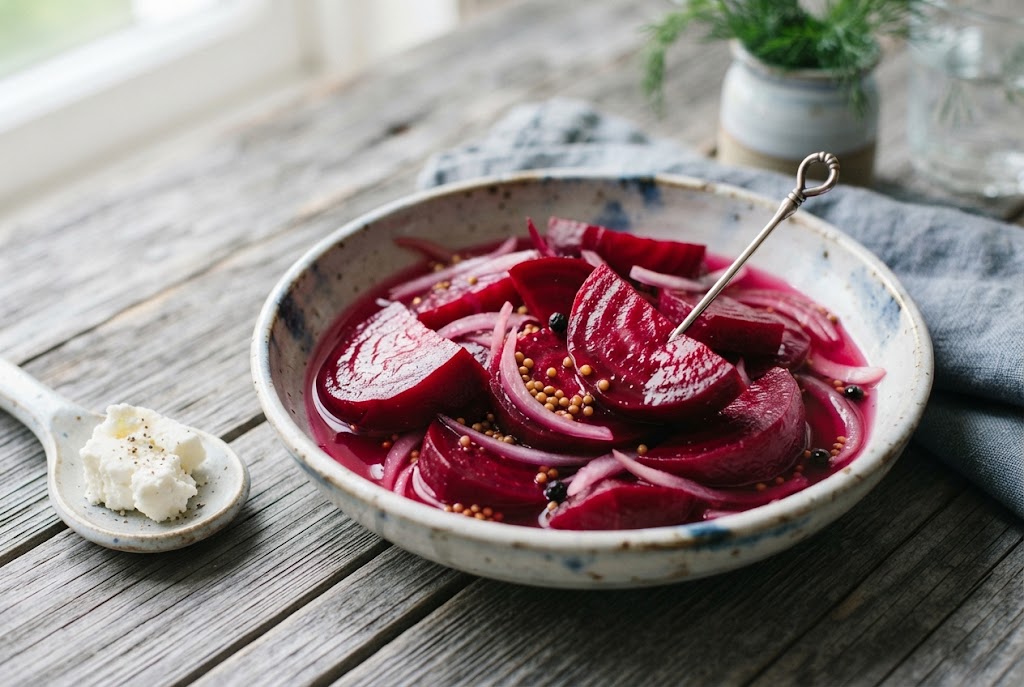
The short version
Cooked beetroot held in sweetened vinegar. They taste earthy and sweet with a hard sour edge, and they are the only ingredient that will put a genuine deep magenta on your board. Every other colour on a charcuterie board is some version of brown, cream or red. Serve them drained, in their own dish, and they will not ruin anything.
What it is
Whole or sliced beets, boiled or roasted, then packed in vinegar with sugar and often clove, allspice or caraway. Northern and Eastern European in origin, and a supermarket staple almost everywhere.
- Taste
- earthy and sweet, then a firm vinegar sourness
- Texture
- dense and yielding, never crisp
- Look
- deep magenta, glossy, dyeing everything nearby
The mechanism is geosmin against acid. Beets contain geosmin, the compound that makes soil smell like soil, and it reads as earthy and slightly musty on its own. Sugar and vinegar do not remove it — they frame it, turning what would be a heavy vegetable note into something bright. This is also why beets need salt and fat beside them, which on a board means cheese.
What it pairs with — and why
| Pair it with | Why it works |
|---|---|
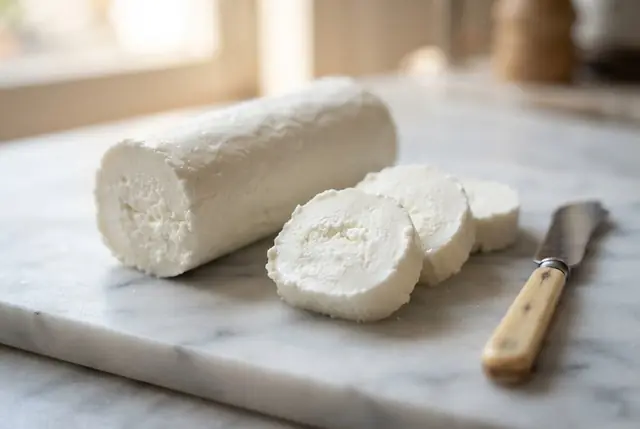
| Fresh goat cheese | The pairing everything else here is measured against. Chalky lactic tang against earth and sugar, and the colours are spectacular together. |
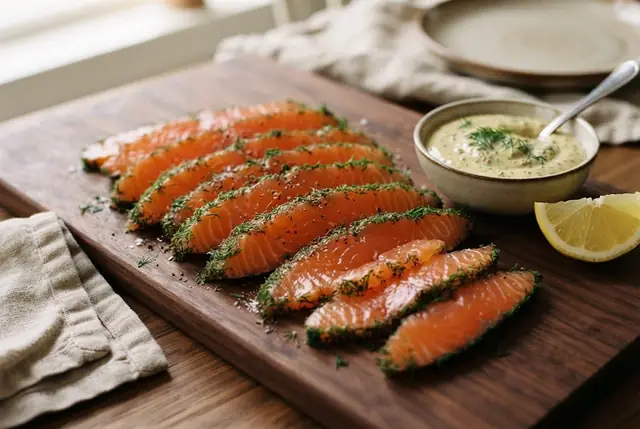
| Gravlax | Beetroot-cured salmon is a real dish for a reason. Dill, salt, sugar and beet all belong together. |
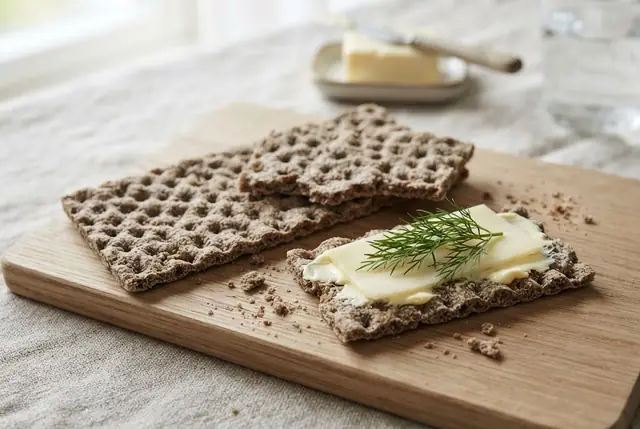
| Rye crispbread | Dense sour rye is the traditional base and it will not go soggy. |
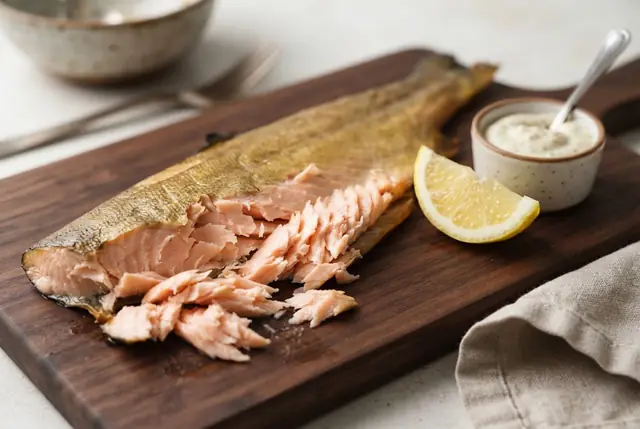
| Smoked trout | Smoke and earth, with the vinegar cutting the oil in the fish. |
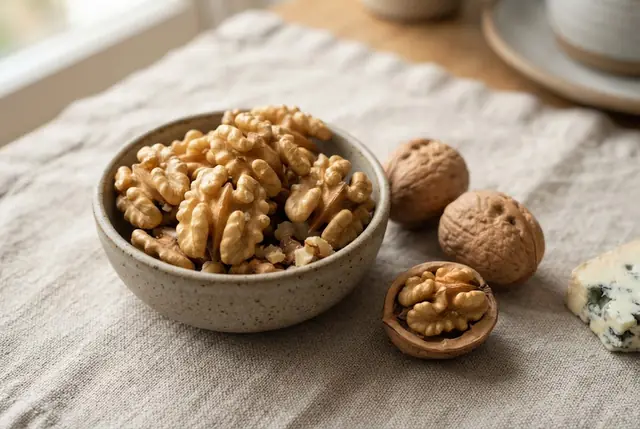
| Walnuts | Bitter tannin against sweet earth. A standard salad pairing that works untouched on a board. |
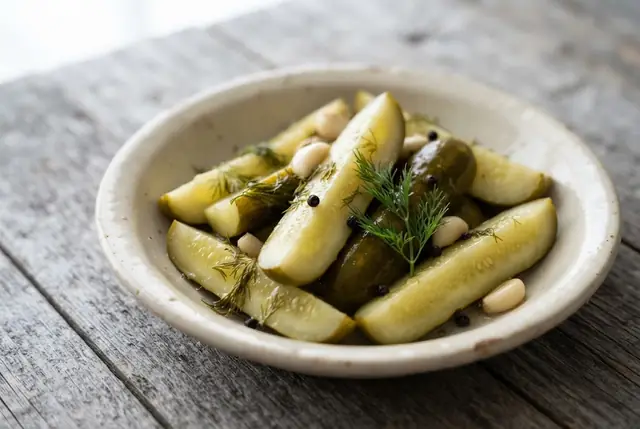
| Dill pickles | Same brine family. Two pickles is a pickle corner rather than a repeat. |
Skip it with: delicate bloomy cheese, which it stains and overwhelms, and anything already sweet.
How to prep it for the board
- Drain them thoroughly, then blot on paper towel. This is the whole battle.
- Serve in a small non-porous dish, never on bare wood.
- Cut large pieces into batons or wedges rather than leaving them as slabs.
- Keep them physically separate from pale cheeses.
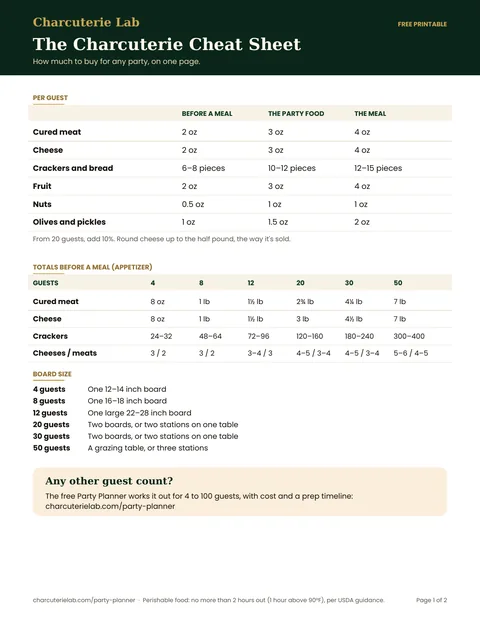
- Serve 0.75 oz per person.
- Add dill or chives over the top if you want them to look intentional.
- Fix: tasting flat and sugary? Grate a little fresh horseradish over them, or add a squeeze of lemon. Most jarred beets are over-sweetened.
What to buy
| Product | Where | Notes |
|---|---|---|
| Sliced pickled beets | Any grocery | The cheap default. Drain well; they are usually quite sweet. |
| Baby whole pickled beets | Larger supermarkets, delis | Better texture and they look far better on a board. |
| Polish or German pickled beets | Eastern European grocers | Often spiced with caraway or clove. More interesting. |
| Beet and horseradish (cwikla) | Polish grocers | Sharp, hot and excellent with smoked fish and rye. |
| Homemade | Make it | Roast beets, peel, slice, cover with hot vinegar, sugar, salt and spice. Better in every way. |
Label check: beets, vinegar, sugar, salt and spice. Long ingredient lists here usually mean a lot more sugar.
Skip: anything sold in a thin pale brine. It has been over-diluted.
Quick FAQ
Do pickled beets go on a charcuterie board?
Yes, particularly a Nordic or smoked-fish board. They bring sweetness, acid and the only real colour most boards have.
Will they stain everything?
Yes, if you let them. Drain and blot them, serve them in their own dish and keep them off bare wood.
What cheese goes with pickled beets?
Fresh goat cheese above all. The classic beetroot and chevre pairing works exactly as well on a board as on a plate.
What is the difference between pickled and roasted beets?
Pickled beets are cooked then held in vinegar brine, so they are sharp. Roasted beets are sweeter and softer and need dressing.
How much per person?
About three-quarters of an ounce.