The short version
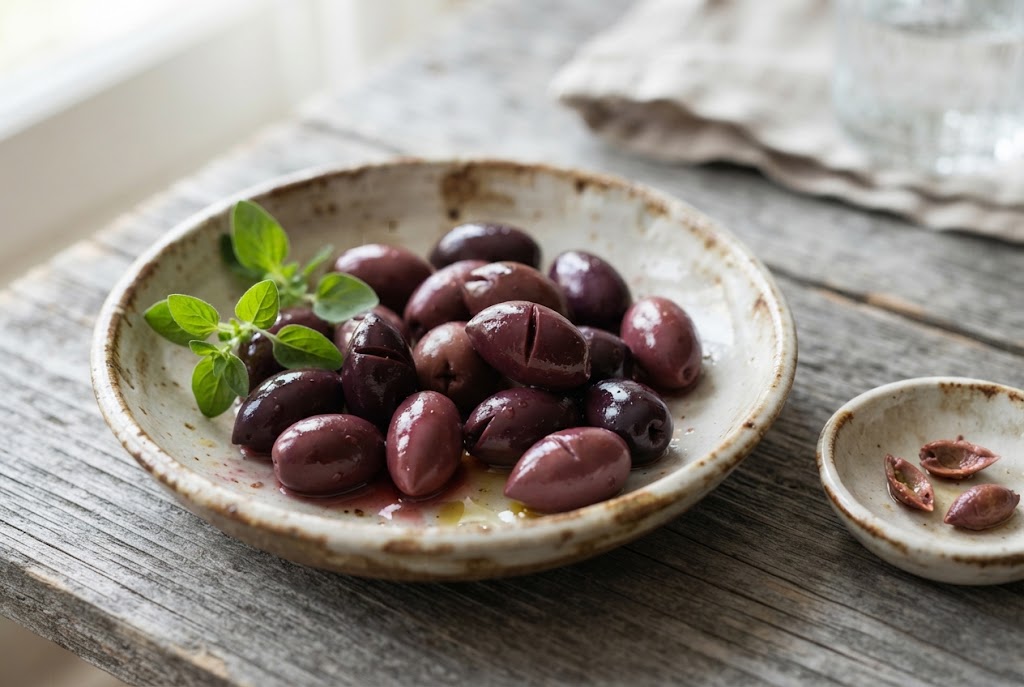
The dark olive most people picture. Kalamatas are almond-shaped, deep purple- black, and cured in brine and red wine vinegar, which gives them a fruity, winey sharpness quite different from a plain black olive. Cheap, everywhere, and genuinely good.
What it is
A Greek variety grown around Kalamata in the Peloponnese, harvested ripe and brine-cured, usually with red wine vinegar. Firm and meaty, with a pit. The canned "black olives" in American supermarkets are a completely different thing — lye-cured, oxidised, and mild to the point of blandness.
- Taste
- salty, winey, fruity, moderately bitter
- Texture
- meaty and firm, with a slight chew
- Look
- deep purple-black, almond-shaped, glossy
The mechanism is acid on top of brine. The wine vinegar in the cure adds a sharpness that a plain salt brine doesn't, which is why Kalamatas cut fat better than most olives. That makes them the right olive for a board with a lot of cheese and a lot of oil.
What it pairs with — and why
| Pair it with | Why it works |
|---|---|
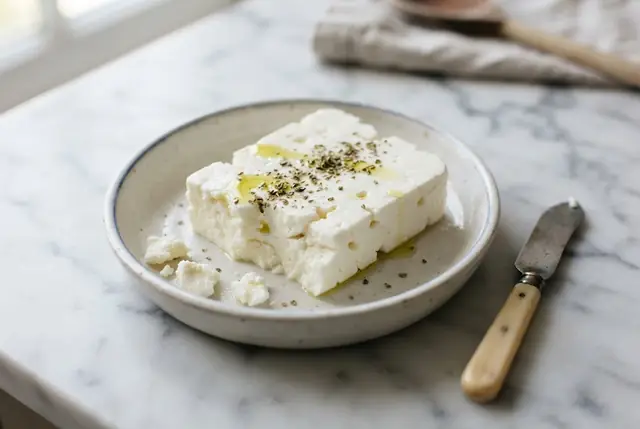
| Feta | The Greek pairing. Both salty, but feta is soft and lactic while the olive is meaty and winey — the contrast is texture as much as flavour. |
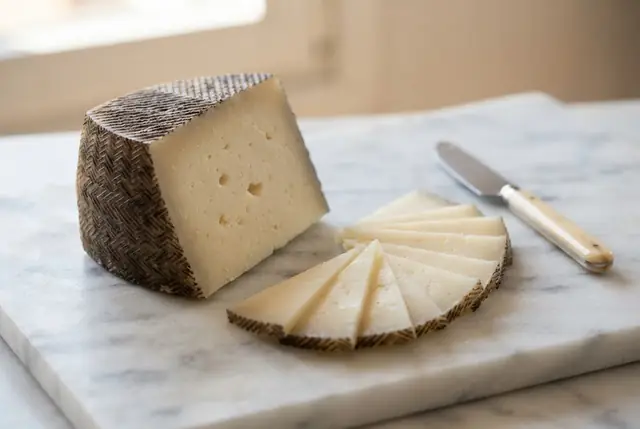
| Manchego and hard sheep cheeses | Salt and nuttiness against fruity brine. |
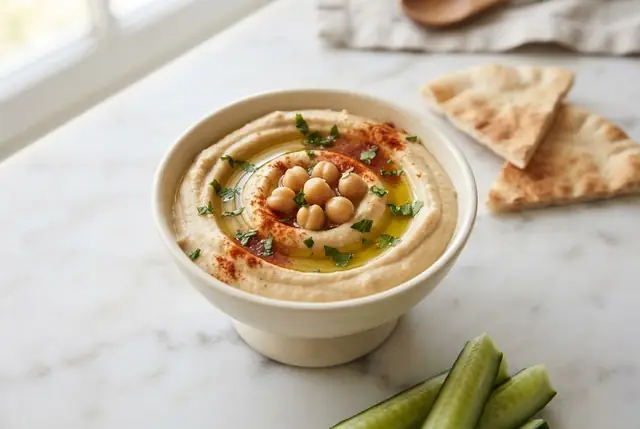
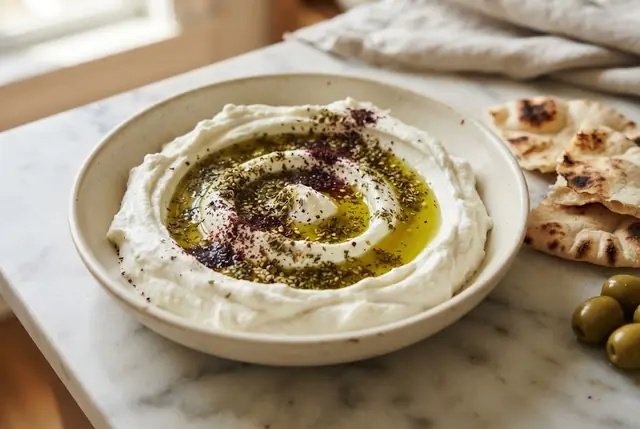
| Hummus and mezze dips | Brine cutting through tahini's fat, on the same plate they come from. |
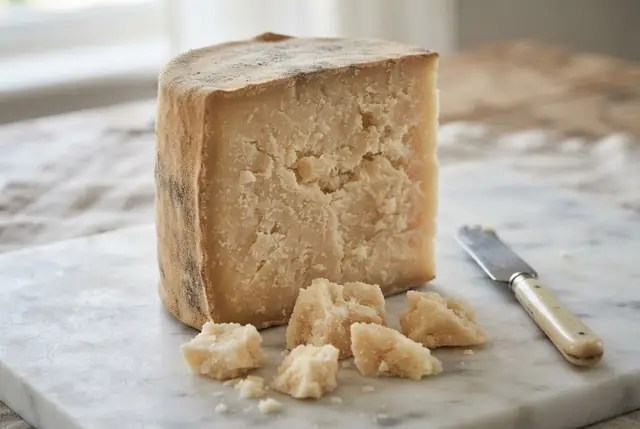
| Aged cheddar | Sharp against sharp; the vinegar in the cure meets the cheese's acidity. |
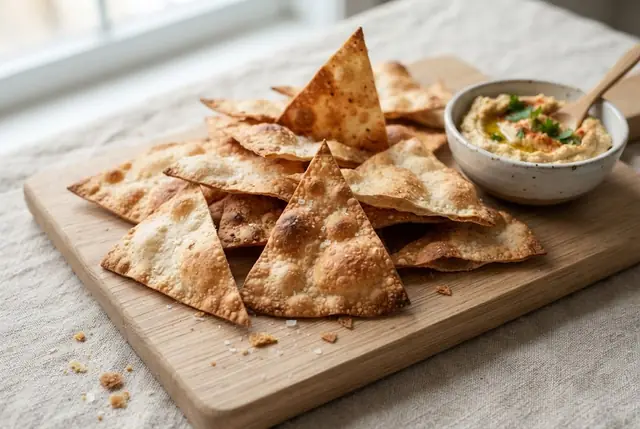
| Pita chips and flatbread | The base for everything above. |
| Tapenade | They're the main ingredient. Serving both is doubling down, which works on a Mediterranean board. |
Skip it with: burrata, fresh mozzarella and delicate bloomy cheeses. Kalamatas will flatten all three.
How to prep it for the board
- Drain and pat dry, then dress lightly with olive oil if they look dull.
- Serve in a small bowl with a pit bowl beside it.
- Buy them with pits. Pitted Kalamatas are mushier and take on more brine.
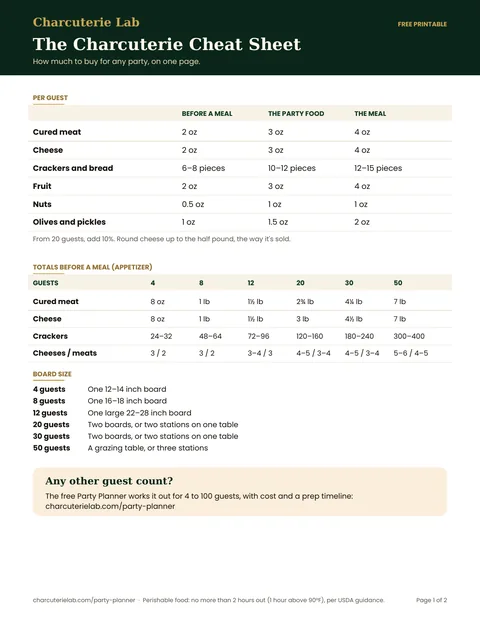
- Serve 1 oz per person.
- Warm them with orange zest, garlic and rosemary for five minutes if you want to make an effort — it transforms them.
- Serve at room temperature. Cold olives taste of much less.
- Fix: too salty? Rinse briefly and re-dress with olive oil and lemon.
What to buy
| Product | Where | Notes |
|---|---|---|
| Kalamata olives in brine | Olive bar, any grocery | The default. Olive bar is fresher than jarred. |
| Divina or Mt. Vikos Kalamata | Grocery, specialty | Reliable jarred brands. |
| Greek deli Kalamata | Greek and Middle Eastern grocers | Often the best and cheapest. |
| Pitted Kalamata | Any grocery | Convenient, softer, saltier. Fine for cooking, second-best on a board. |
| Kalamata in olive oil | Specialty | Richer and less sharp. Good with fresh cheese. |
Label check: "Kalamata" should be the variety, and the cure should include vinegar. PDO Kalamata from Greece is the real thing.
Skip: canned California black olives. Different product, and much blander.
Ranked picks: our top-rated olives is Mezzetta Castelvetrano Olives (4.7 out of 5), and the best value is Trader Joe's Organic Conversation Olive Trio. See the full ranking of the best olives.
Quick FAQ
What's the difference between Kalamata and black olives?
Kalamatas are a Greek variety brine-cured with wine vinegar — winey and sharp. Canned black olives are lye-cured and oxidised, and much milder.
Are Kalamata olives salty?
Yes, noticeably. Rinse them briefly and dress with olive oil if they're too much.
Pitted or with pits?
With pits. Pitted Kalamatas absorb more brine and go soft.
What cheese goes with Kalamata olives?
Feta above all, plus manchego, hard sheep cheeses, and aged cheddar.
How much per person?
About an ounce — four or five olives.