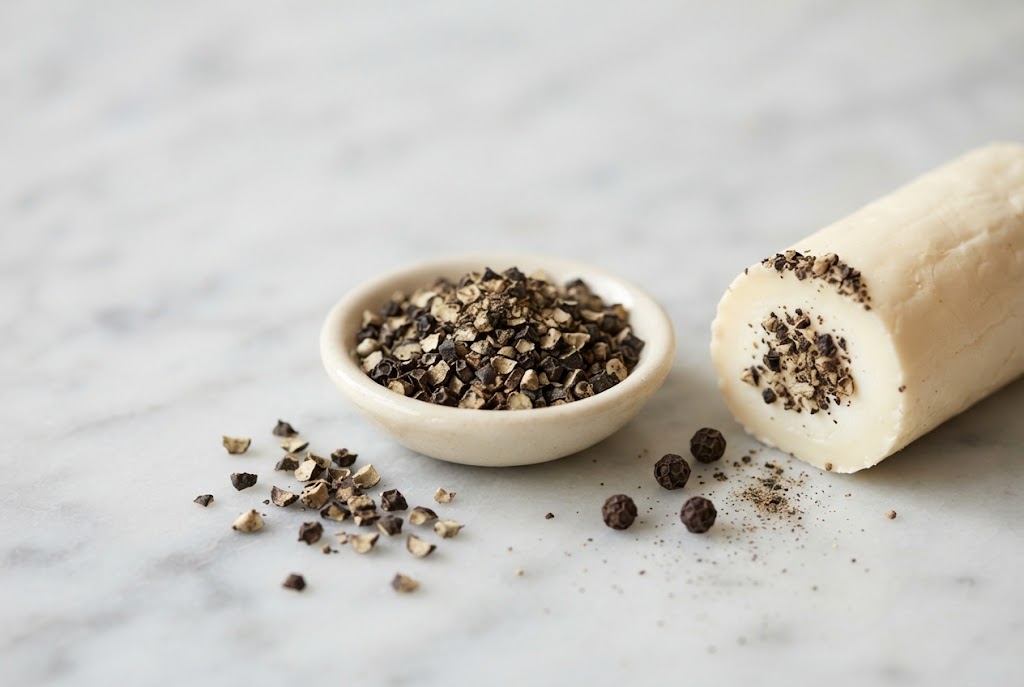
The short version
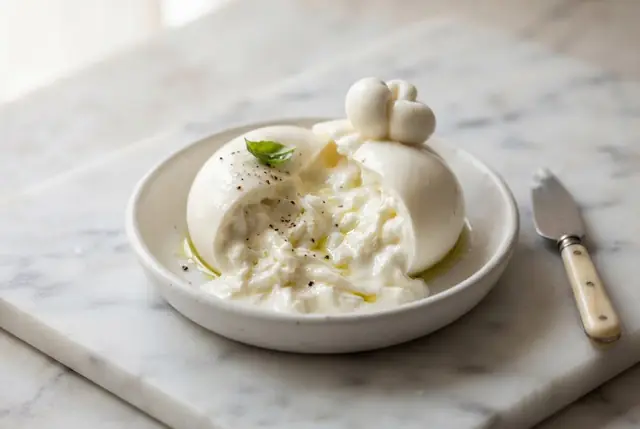
Pepper on a cheese board isn't seasoning, it's an aromatic. A few coarse cracks over burrata or fresh strawberries adds a floral, piney heat that no other ingredient here supplies. The rule is coarse and freshly cracked — pre-ground pepper is dust and tastes of nothing.
What it is
Dried unripe peppercorns, cracked coarsely. Tellicherry is the large, late-picked Indian grade and the one worth buying. Sarawak, Kampot and Malabar are the other names to know. Freshly cracked pepper retains volatile oils that disappear within days of grinding.
- Taste
- hot, floral, piney, faintly citrusy
- Texture
- coarse gritty fragments
- Look
- black and grey flecks, visible on pale surfaces
The mechanism is piperine plus volatile aromatics. The heat comes from piperine, which is slower and rounder than chilli heat; the aroma comes from terpenes that evaporate quickly once the peppercorn is broken. That's why fresh cracking matters so much more with pepper than with almost any other spice.
What it pairs with — and why
| Pair it with | Why it works |
|---|---|
| Burrata | The standard finish. Oil, flaky salt and coarse pepper on cream — three things that turn an ingredient into a dish. |
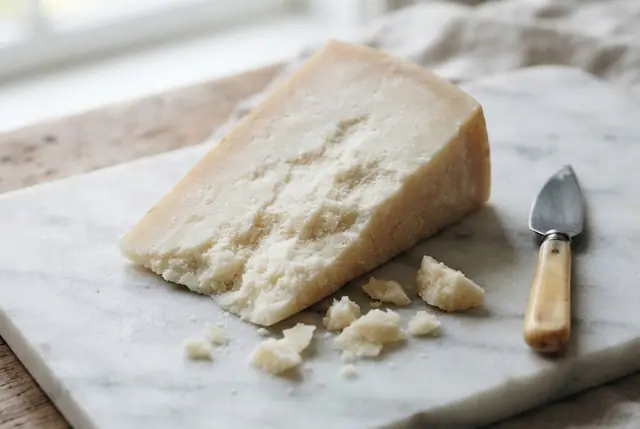
| Pecorino romano | Cacio e pepe is the whole argument. Sheep-milk salt and pepper are a fixed pairing. |
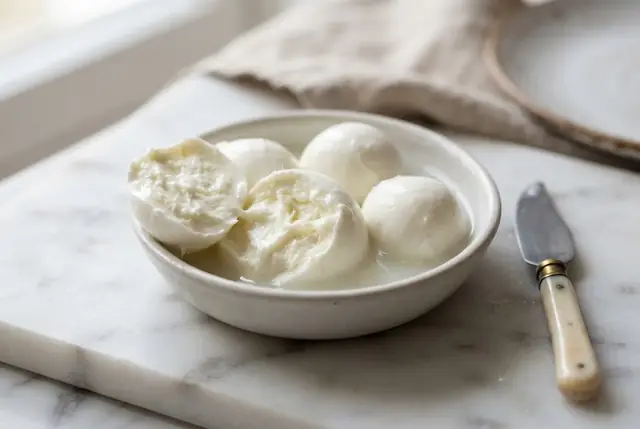
| Fresh mozzarella | Very mild cheese that needs aroma more than it needs flavour. |
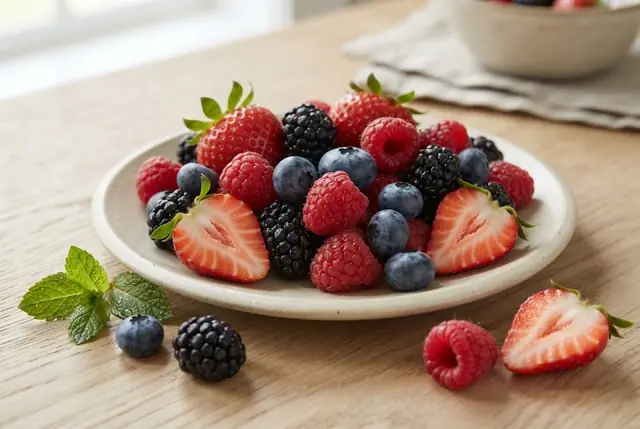
| Berries and strawberries | Pepper on strawberries sounds wrong and is excellent — the aromatics amplify the fruit's own. |
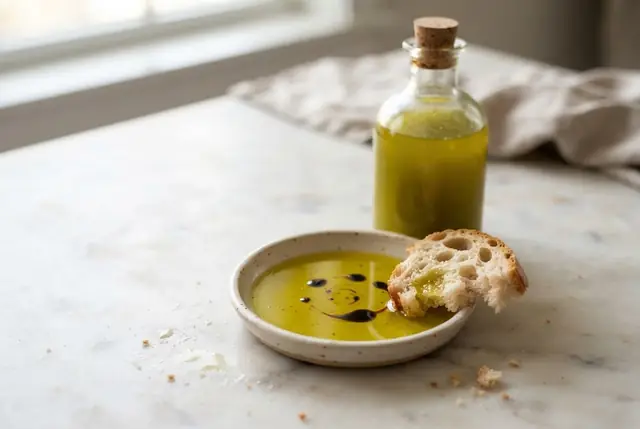
| Olive oil | Pepper and good oil share the same peppery register; they reinforce each other. |
| Fresh figs and honey | Pepper cuts sweetness and adds a savoury edge. |
Skip it with: already spiced things and heavily seasoned cured meat.
How to prep it for the board
- Crack it coarse, in a mill set as wide as it goes, or under the flat of a knife.
- Grind it fresh, right over the food. Aroma lasts minutes, not days.
- Put the mill on the table so guests can add their own.
- Use it on the pale things — burrata, mozzarella, ricotta, fruit — where it shows.
- Add it last, after the oil and salt.
- Buy Tellicherry if you're buying anything. It's a small premium.
- Fix: tastes like dust? That's pre-ground pepper. There's no fixing it — buy whole peppercorns.
What to buy
| Product | Where | Notes |
|---|---|---|
| Tellicherry peppercorns | Grocery, spice shops | Large, late-picked, aromatic. The best everyday choice. |
| Kampot pepper | Specialty, online | Cambodian, floral and complex. Expensive and remarkable. |
| Sarawak or Malabar | Spice shops | Good mid-range whole peppercorns. |
| Pink peppercorns | Specialty | Not true pepper. Sweet, floral, fragile. Beautiful on fresh cheese. |
| A decent pepper mill | Anywhere | The actual purchase that matters. It should crack coarse, not grind fine. |
Label check: buy whole peppercorns, always. Check the mill can be set coarse — many cheap ones only grind fine.
Skip: pre-ground pepper in a tin, and disposable grinders with tiny peppercorns.
Quick FAQ
Why use freshly cracked pepper?
The aromatic compounds evaporate within days of grinding. Pre-ground pepper has heat but almost no aroma.
What is Tellicherry pepper?
A grade of Indian black pepper picked late, so the berries are larger and more aromatic. The best value upgrade in this category.
What do you put pepper on for a cheese board?
Burrata, fresh mozzarella, ricotta, pecorino, and — surprisingly — strawberries and figs.
Coarse or fine?
Coarse. Fine pepper disappears into the food; coarse cracks give distinct bursts of aroma and heat.
Is pepper on fruit really good?
Yes. Pepper's floral aromatics amplify the fruit's own. Try it on strawberries with a little balsamic.