The short version
A hard, twice-baked bread ring from Puglia that you dip in water for a few seconds before eating. It sounds wrong and it isn't — the soak turns rock into a chewy, absorbent base that holds tomato and olive oil better than any bread. Nothing else on a board works this way.
What it is
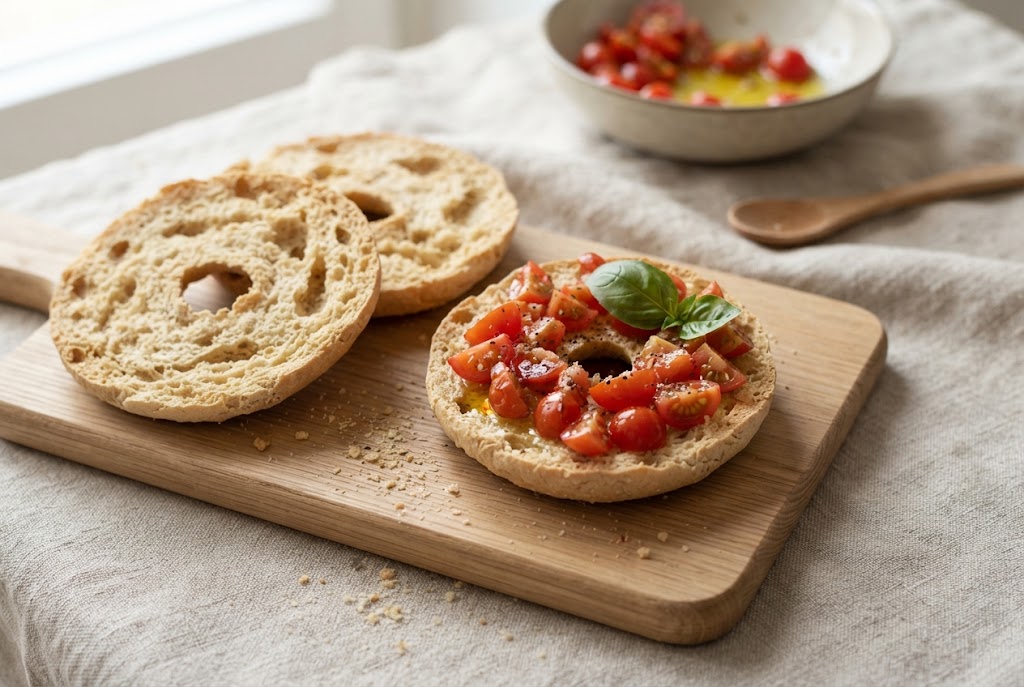
Friselle were sailors' and farmers' bread: baked, split horizontally, then baked again until bone dry so they'd keep for months without spoiling. To eat one you rehydrate it — traditionally by dipping in seawater, now in tap water, sometimes in tomato juice.
- Taste
- plain wheat, faintly sour, whatever you soak it in
- Texture
- brick-hard dry; chewy and yielding after the soak
- Look
- thick pale rings with a rough split face, holes throughout
Controlled rehydration is the mechanism, and it's a genuinely different approach from anything else in this section. Every other base fights moisture. The friselle invites it — you choose exactly how much water goes in, so it arrives at the perfect point rather than sliding from crisp to soggy while guests eat. That's why it handles wet tomato where a crostino fails.
What it pairs with — and why
| Pair it with | Why it works |
|---|---|
| Ripe tomato, olive oil, salt | The traditional dish and still the best. Crush the tomato over it and let the juice finish the soaking. |
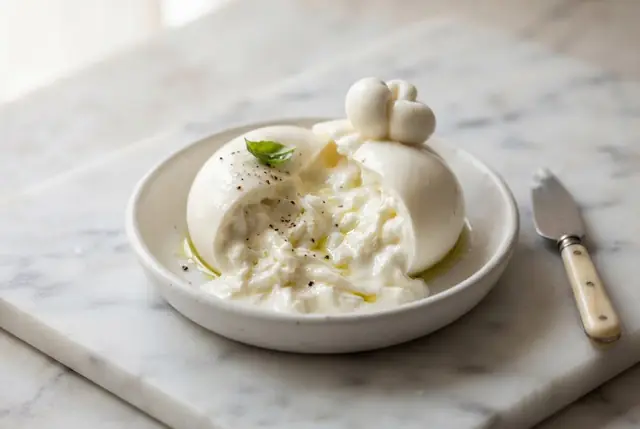
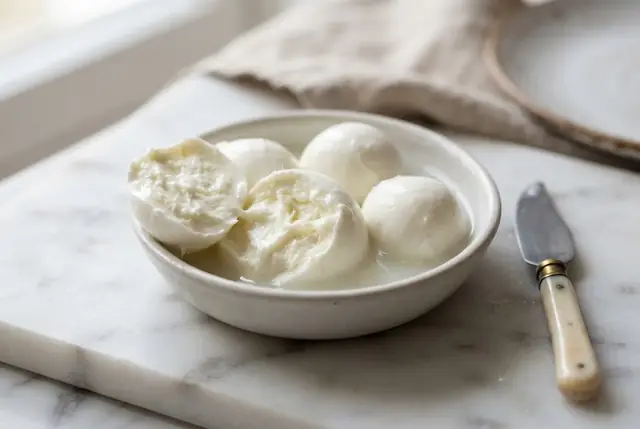
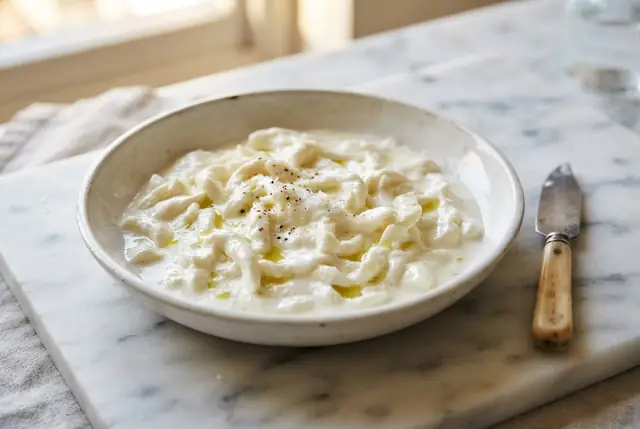
| Burrata and stracciatella | Puglia's cheese on Puglia's bread. The chew holds up to the cream. |
| Fresh mozzarella and basil | Caprese with a base that absorbs instead of sliding. |
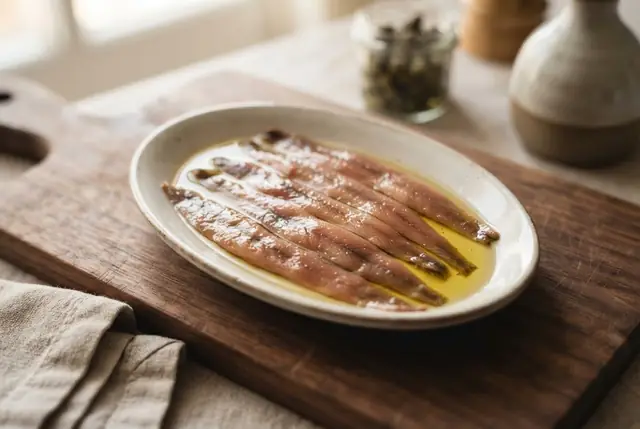
| Anchovies and olive oil | Salt and oil on plain rehydrated wheat. Very old, very good. |
| Tuna, capers, red onion | The southern Italian summer lunch, in board form. |
| Roasted peppers and eggplant | Soft wet vegetables need this exact base. |
| Chilled rosé, Vermentino, Primitivo | Puglian summer drinking. |
Skip it with: dry aged cheeses — a crumbly pecorino on a damp friselle is a poor texture. And skip them if the board is entirely cold cuts; friselle belong to the vegetable-and-fresh-cheese half.
How to prep it for the board
- Dip, don't soak. Hold it under running water or in a bowl for 5 to 10 seconds only, turning once. It keeps absorbing after you take it out.
- Rest it 2–3 minutes before topping. This is where most people go wrong — they judge the texture too early, add more water, and end up with mush.
- Rub a cut garlic clove and a halved tomato over the surface before the oil. That's the traditional order.
- Top with olive oil last, generously. The oil seals it and stops further softening.
- Serve one per person, broken into quarters for a board.
- Prepare them no more than 15 minutes before serving. Once wet, the clock is running.
- Fix: over-soaked and falling apart? Nothing to do but eat it with a fork. Under-soaked is easy to correct; over-soaked isn't. Err dry.
What to buy
| Product | Where | Notes |
|---|---|---|
| Imported Puglian friselle | Italian delis, Eataly, specialty grocers, Amazon | Brands rotate. Look for "friselle" or "frisella" and an Italian origin. |
| Barley friselle (friselle d'orzo) | Italian specialty shops | The traditional grain. Darker, nuttier, better. Worth seeking out. |
| Grocery international aisle | Larger supermarkets | Increasingly stocked alongside taralli. |
| Italian bakery | Local Italian bakery | Some make them fresh. Ask. |
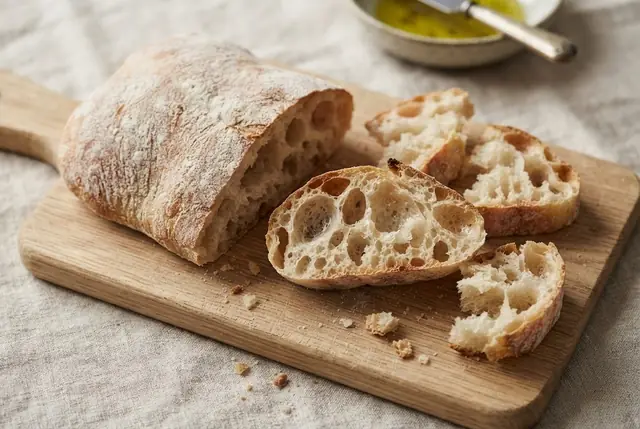
| Day-old ciabatta, twice-baked | Any grocery | The improvised version: slice thick, bake at 300°F for 30 minutes until bone dry. |
Label check: flour, water, yeast, salt. Friselle are a peasant bread and the ingredient list should look like one.
Skip: serving them dry as a cracker. They're too hard, and people will assume they're stale. The soak is the entire dish.
Quick FAQ
Do I really soak bread in water?
Yes, briefly. Five to ten seconds, then rest three minutes. It's how the bread has been eaten in Puglia for centuries.
Why not just use fresh bread?
Because fresh bread goes soggy and stays soggy. A friselle absorbs a controlled amount and then holds its chew — that's the whole trick.
How long do they keep dry?
Months. They were designed as long-keeping sailors' bread.
How many per person?
One, broken into quarters, alongside other bases.
What if I soak it too long?
It falls apart and can't be recovered. Always err on the dry side — the topping adds moisture too.