The short version
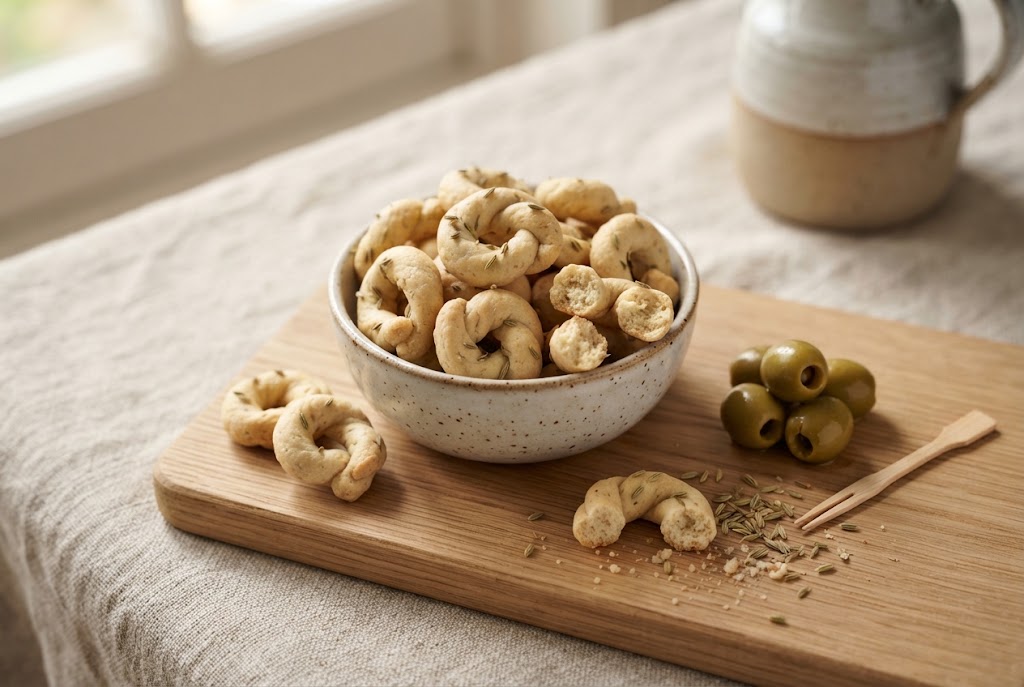
Little savory rings from Puglia, boiled and then baked — the same method that makes a bagel, at the size of a quarter. Crunchy, olive-oil rich, usually fennel-scented. They're a wine snack that happens to work beautifully as a board ingredient.
What it is
Taralli are made from flour, white wine, olive oil and salt, shaped into small rings, dropped into boiling water until they float, then baked. The boil gelatinizes the surface starch, which is what gives them their dense, glassy crunch rather than a flaky one.
- Taste
- savory, olive-oil rich, often fennel or black pepper
- Texture
- hard, dense, glassy snap
- Look
- small pale rings, knobbly and irregular, about an inch across
The boil is the mechanism, and it's the reason taralli don't behave like other crackers. Boiling before baking produces a tight, sealed exterior — which makes them extremely crunchy, very shelf-stable, and, importantly, resistant to going soft on a board. They'll still be crisp two hours in.
What it pairs with — and why
| Pair it with | Why it works |
|---|---|
| Aged provolone and pecorino | Sharp salty cheese against fennel and olive oil. The Puglian standard. |
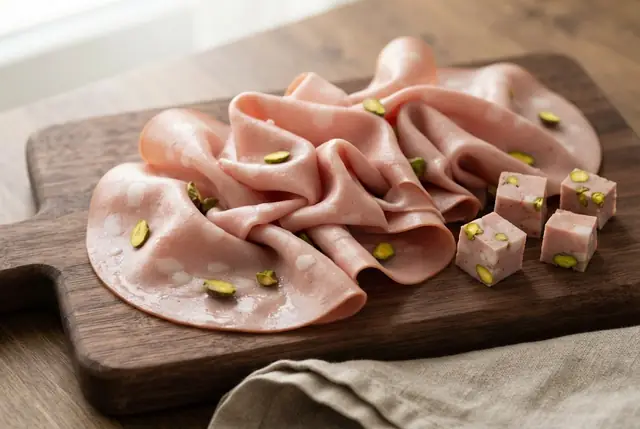
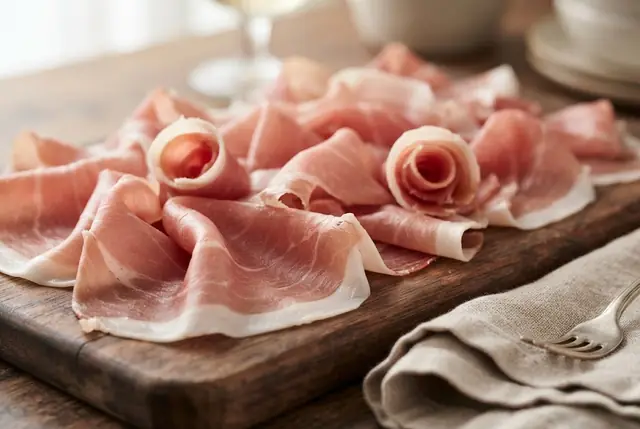
| Prosciutto and mortadella | The classic aperitivo plate. Salt, fat, crunch. |
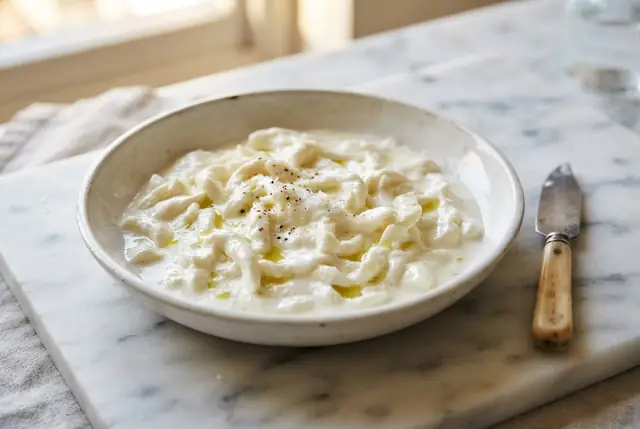
| Burrata and stracciatella | Puglia's most famous cheese, with Puglia's most famous snack. Same region, same table. |
| Marinated olives and artichokes | Everything on that plate is already olive-oil based. |
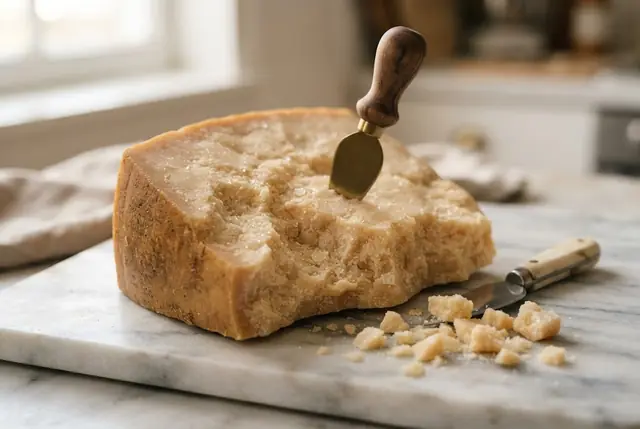
| Aged parmesan | Dry against dry, salt against salt, with fennel to break it up. |
| Fresh figs and honey | Sweetness against a savory fennel ring is a very Southern Italian move. |
| Prosecco, Primitivo, dry white | These were invented as a wine snack. Serve them as one. |
Skip it with: thick dips — the ring shape gives you almost no surface and they're too hard to scoop with. And skip them under soft spreadable cheese; there's nowhere for it to sit.
How to prep it for the board
- Pile them in a small bowl. They're a shape, not a surface — they belong heaped, not fanned.
- Serve 5–6 per person. They're small and people eat them absently, which is their real function on a board.
- Use them as the snack element. Every board benefits from one thing people can eat without constructing a bite.
- Put the bowl at the edge, near the wine rather than the cheese.
- They hold better than anything else here. The boil-then-bake method makes them essentially immune to a humid room.
- Fix: rarely needed. An open bag stays crisp for a week.
What to buy
| Product | Where | Notes |
|---|---|---|
| Imported Italian taralli | Italian delis, Eataly, specialty grocers, Amazon | Brands rotate constantly. Buy whichever bag is imported and looks hand-shaped. |
| Fennel taralli | Same | The classic flavor and the most versatile. Start here. |
| Black pepper taralli | Same | Sharper. Excellent with aged cheese. |
| Chili or piccanti taralli | Same | Good, but they compete with cheese. Serve alongside drinks instead. |
| Grocery international aisle | Larger supermarkets | Increasingly stocked. Quality is variable but acceptable. |
| Make your own | — | Flour, white wine, olive oil, salt. Boil until they float, bake at 400°F for 20 minutes. |
Label check: extra virgin olive oil and white wine in the ingredients. Cheap versions substitute vegetable oil and taste flat.
Skip: sweet taralli. They exist — glazed and sugared — and they belong on a dessert board, not next to cheese.
Quick FAQ
What are taralli?
Small savory rings from Puglia, boiled then baked. Think of them as a cracker-sized bagel made with wine and olive oil.
Do they taste like a pretzel?
Not quite. The boil is similar, but taralli use olive oil and wine rather than an alkaline bath, so they taste of fennel and oil rather than malt.
How many per person?
5–6. They're small and moreish.
Can I dip with them?
No — the ring shape and hardness make them poor scoops. Serve them as a snack.
Do they go stale?
Very slowly. The boiling step makes them one of the most shelf-stable things on a board.