The short version
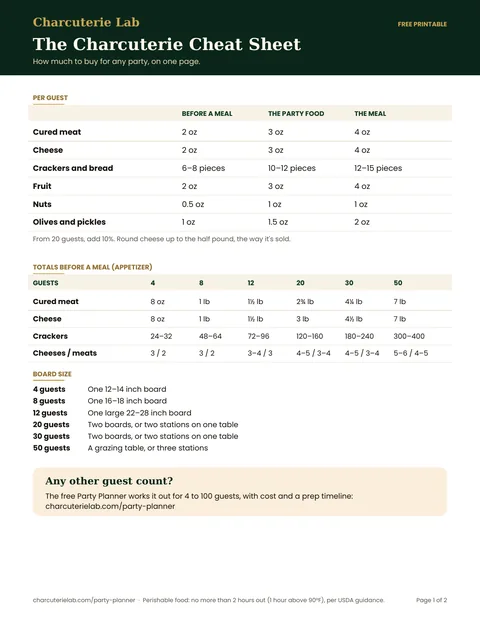
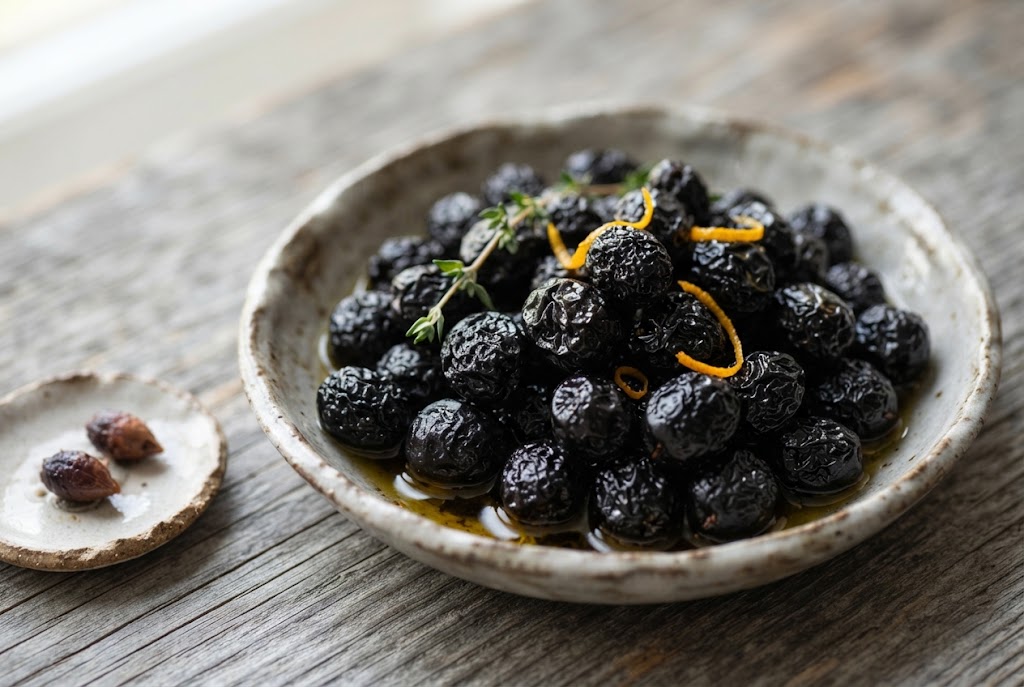
Ripe black olives cured in dry salt and then rubbed with oil, which draws out the water and leaves them wrinkled, chewy and intensely concentrated. They're the saltiest olive on the shelf and the most flavourful. Half an ounce a head is plenty.
What it is
Also sold as dry-cured, salt-cured, or Moroccan olives. Ripe olives packed in salt for weeks until the moisture is drawn out, then coated in olive oil, sometimes with herbs. The Italian version is often called Gaeta-style; Moroccan and Greek Thassos olives are the same idea.
- Taste
- very salty, bitter-edged, intensely olive, faintly smoky
- Texture
- chewy and wrinkled, almost meaty
- Look
- matte black, deeply wrinkled, oil-slicked
The mechanism is dehydration. Removing water concentrates everything — salt, bitterness, and the olive's own compounds — so the flavour per gram is several times that of a brined olive. That intensity is why they work against very hard, very salty cheese, where a milder olive would disappear.
What it pairs with — and why
| Pair it with | Why it works |
|---|---|
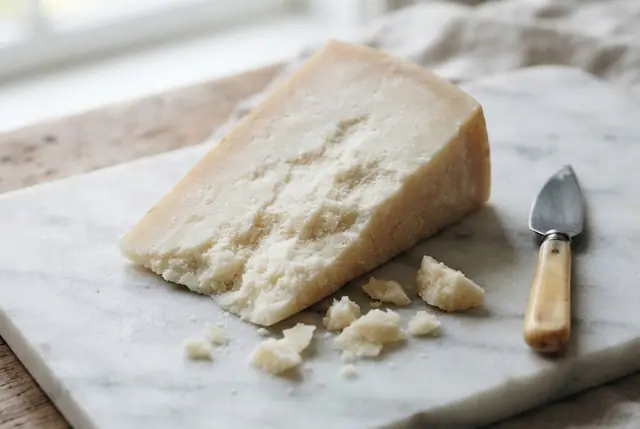
| Pecorino romano | Two extremely salty, extremely concentrated things. It shouldn't work and it does, because the textures are opposites. |
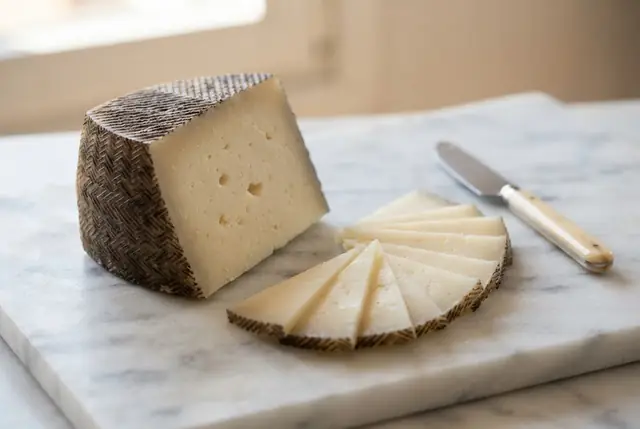
| Manchego and hard sheep cheeses | Nutty fat against concentrated bitterness and salt. |
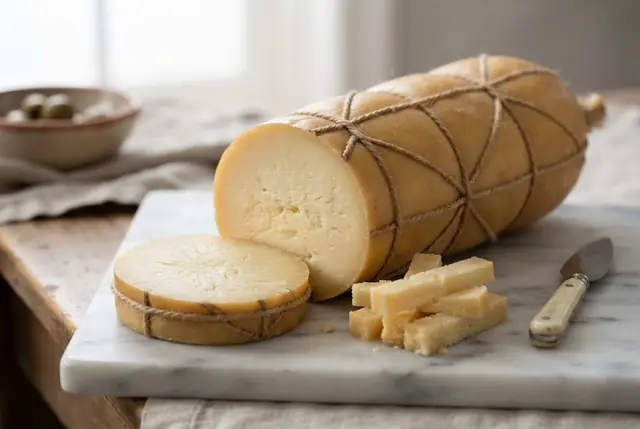
| Aged provolone | Sharp, piquant cheese meeting an equally assertive olive. |
| Baguette and olive oil | The simplest and best service. Bread absorbs the salt. |
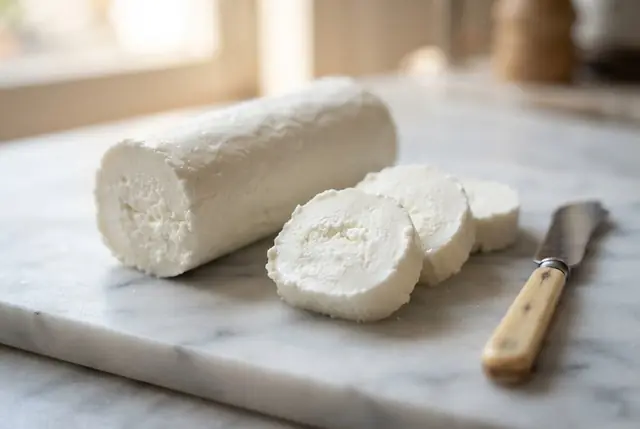
| Fresh goat cheese | The mildest thing that can stand up to them; the tang cuts the salt. |
| Orange and fennel | The Moroccan and Sicilian salad pairing — citrus is what these want. |
Skip it with: burrata, mozzarella, brie and anything delicate. They'll obliterate them.
How to prep it for the board
- Serve in a small bowl with a pit bowl. They're sold unpitted.
- Serve 0.5 oz per person. They're twice as intense as a brined olive.
- Dress them with orange zest, fennel seed and olive oil — this is the traditional treatment and it cuts the salt beautifully.
- Pair them with something fatty, never with something delicate.
- Serve at room temperature. Cold makes them waxy.
- Buy a small quantity. Nobody eats many.
- Fix: too salty? Soak in warm water for ten minutes, drain, and dress with oil. It takes a real edge off.
What to buy
| Product | Where | Notes |
|---|---|---|
| Moroccan oil-cured olives | Olive bars, Middle Eastern grocers | The standard. Very wrinkled, very salty. |
| Gaeta olives | Italian delis | Softer and less extreme. A gentler entry point. |
| Thassos olives | Greek grocers | Greek dry-cured. Intense and excellent. |
| Oil-cured with herbs | Olive bars | Rosemary and chilli versions. Worth it. |
| Nyon olives | French delis | The French dry-cured olive. Bitter and refined. |
Label check: "oil-cured", "dry-cured" or "salt-cured" on the label. If it says brine, it's a different olive.
Skip: anything sitting in liquid. These should be oily and dry, not wet.
Quick FAQ
What are oil-cured olives?
Ripe olives cured in dry salt to draw out their water, then coated in oil. Very wrinkled, chewy, and intensely salty.
Why are they so wrinkled?
The salt cure removes most of the water, which shrinks the fruit and concentrates the flavour.
Are they too salty?
They're the saltiest olive sold. Soak briefly in warm water and dress with olive oil if it's too much.
What cheese goes with oil-cured olives?
Hard salty cheeses — pecorino romano, manchego, aged provolone — and fresh goat cheese.
How much per person?
About half an ounce. Far less than a brined olive.