The short version
The Swiss-style cheese most people have actually eaten. Jarlsberg is Norwegian, developed in the 1950s to hit the same notes as Emmental at a lower price, and it succeeded so completely that it now outsells the original in most countries. It is sweeter, softer and milder than Emmental — which makes it a worse cheese for a purist and a better one for a board where nobody should be intimidated.
What it is
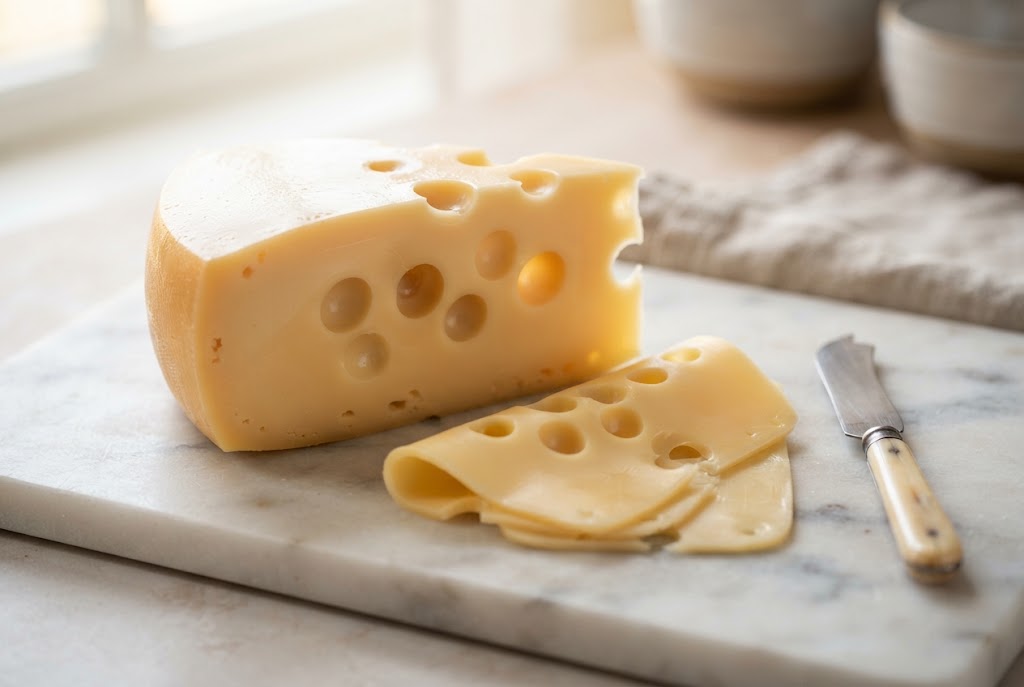
A pasteurised cow's milk cheese with large round eyes and a firm, pliable paste. Aged around three months for the standard version and up to a year for the reserve, which is a genuinely different and much better cheese.
- Taste
- sweet, buttery, faintly nutty, very mild
- Texture
- firm but elastic, slicing without crumbling
- Look
- pale yellow with large round holes, sold rindless
The mechanism is propionic acid bacteria. The same culture that makes Emmental produces carbon dioxide, which forms the holes, and propionic acid, which produces the sweet nutty flavour. Jarlsberg is made with a higher moisture content and a shorter age, so it carries less of that flavour and more sweetness — the reason it tastes gentle where Emmental tastes savoury.
What it pairs with — and why
| Pair it with | Why it works |
|---|---|
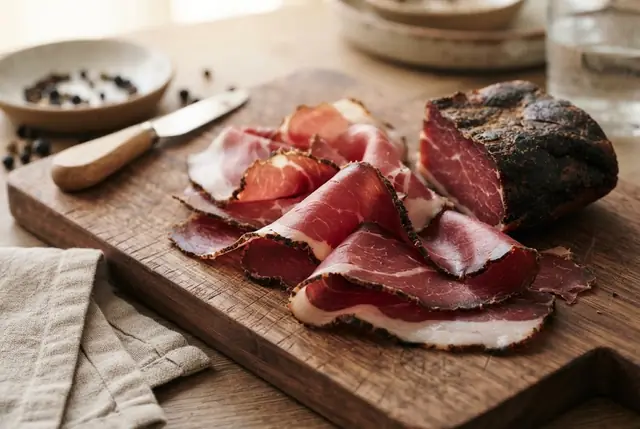
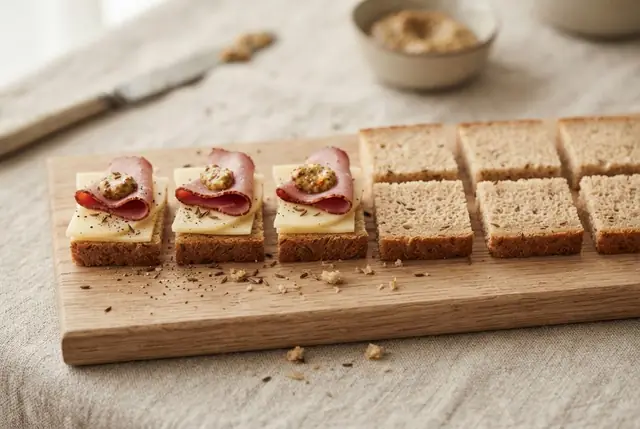
| Black Forest ham | Smoke and salt against sweet mild cheese. The pairing every deli counter already knows. |
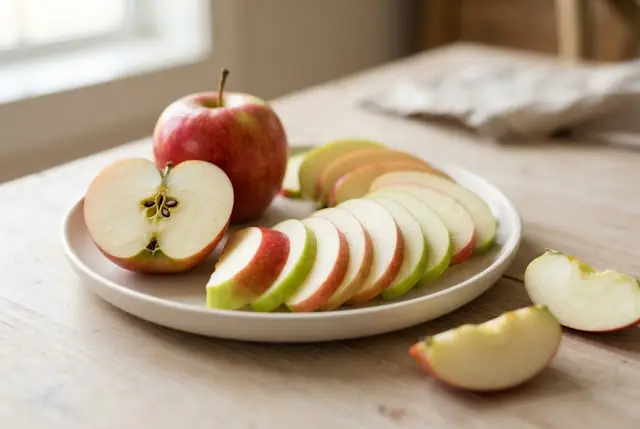
| Apples | Crisp acid and sugar. Jarlsberg has almost no acidity of its own, so the fruit does the work. |
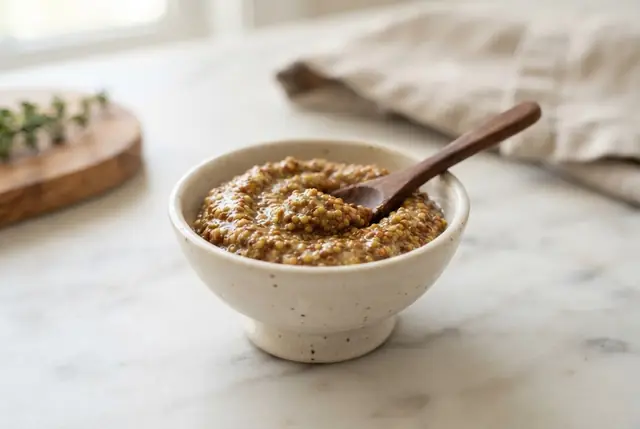
| Whole grain mustard | The one sharp thing it needs. A mild cheese with no condiment beside it is dull. |
| Cocktail rye | Dense, sour and dark. It gives the cheese something to stand against. |
| Grapes | The default fruit, and here it is genuinely the right one. |
| Honey mustard | Sweet and sharp together, which is exactly the register this cheese lives in. |
Skip it with: blue cheese, washed-rind cheese and anything intense. Jarlsberg gets lost.
How to prep it for the board
- Take it out 20 minutes early. Cold, it tastes of almost nothing.
- Cut into batons or thick slices, not thin deli shavings.
- Cut through the holes deliberately — they are the visual identity of the cheese.
- Give it a mustard and something sharp nearby.
- Serve 1 to 2 oz per person.
- Put it at the mild end of the cheese run, next to havarti or edam.
- Fix: tasting bland even at room temperature? Buy the reserve version next time. It is aged far longer and tastes like a different cheese.
What to buy
| Product | Where | Notes |
|---|---|---|
| Jarlsberg | Any grocery, deli counters | The standard. Cheap, reliable, universally available. |
| Jarlsberg Reserve | Larger supermarkets, cheese counters | Aged 12 months or more. Nutty, crystalline, genuinely good. |
| Emmental | Cheese counters | The original. Sharper and more savoury. Worth comparing side by side. |
| Norwegian Nokkelost | Nordic and specialty grocers | Caraway-studded and quite different. Good on a rye board. |
| Pre-sliced Jarlsberg | Any grocery | Fine for a sandwich, poor on a board. Buy a wedge. |
Label check: it should be a wedge with visible holes, not a rectangular block of processed slices.
Skip: anything labelled "Swiss-style" with no producer named. That is usually a harsher, rubberier cheese.
Quick FAQ
Is Jarlsberg the same as Swiss cheese?
It is Norwegian, made in the Swiss style. It is sweeter, softer and milder than real Emmental, which is why it outsells it.
Why does Jarlsberg have holes?
A bacterium added to the milk produces carbon dioxide as the cheese ages, and the gas forms bubbles in the firm paste.
Does it melt well?
Very well — it is one of the better melting cheeses. On a board, serve it cold-cut rather than melted.
What goes with Jarlsberg?
Ham, apples, mustard and rye bread. It is a sandwich cheese and it likes sandwich ingredients.
How much per person?
One to two ounces.