The short version
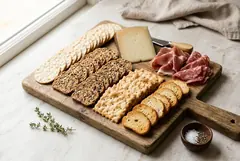
If the board has cured meat, it needs mustard, and whole grain is the one to reach for. The intact seeds pop between the teeth, which adds texture, and the vinegar base supplies acid — the thing a board of cheese and salami has least of and needs most.
What it is
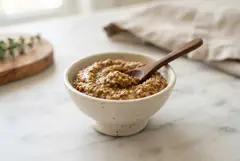
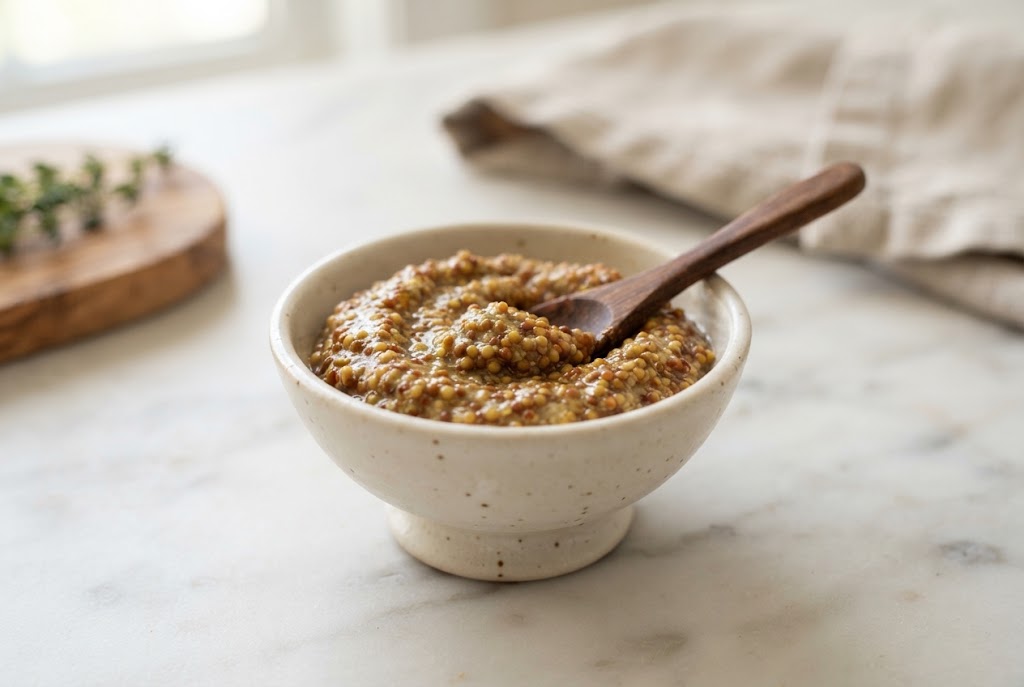
Mustard seeds left whole or coarsely cracked, suspended in vinegar, wine or beer. Also sold as moutarde à l'ancienne or wholegrain. Brown and black seeds are hotter; yellow seeds are milder. Heat fades over months once opened.
- Taste
- tangy, mildly hot, nutty from the seeds
- Texture
- grainy and thick, with seeds that pop
- Look
- pale gold-brown, visibly seeded
The mechanism is acid plus texture in one spoon. A charcuterie board is fat, salt and starch, and the palate saturates. Mustard's vinegar cuts through it directly, and the seed texture interrupts the softness of everything else — the same reason cornichons sit next to pâté.
What it pairs with — and why
| Pair it with | Why it works |
|---|---|
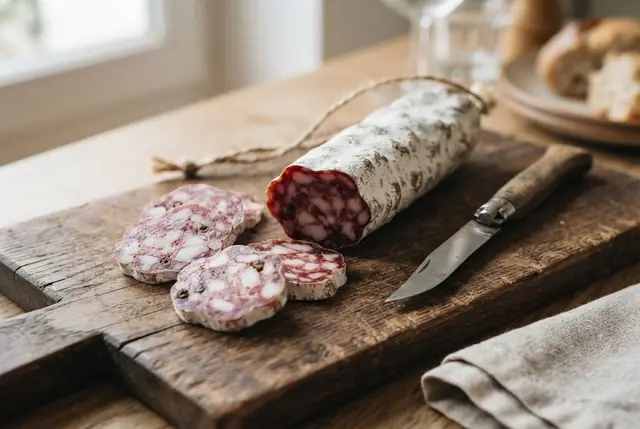
| Saucisson sec and dry salami | The French plate. Fatty cured pork, sharp acid, seed crunch — the standard bite. |
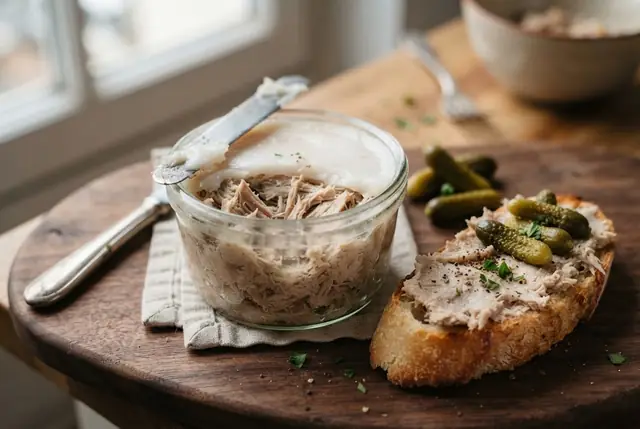
| Pâté and rillettes | Rich soft meat that needs acid to be edible in quantity, which is exactly what mustard supplies. |
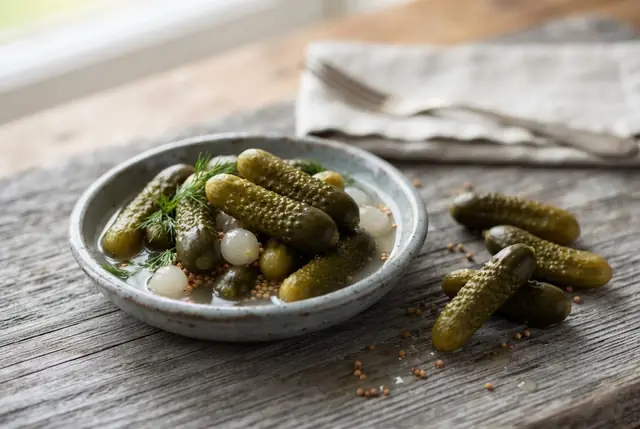
| Cornichons | Two acids together. They're sold side by side for a reason. |
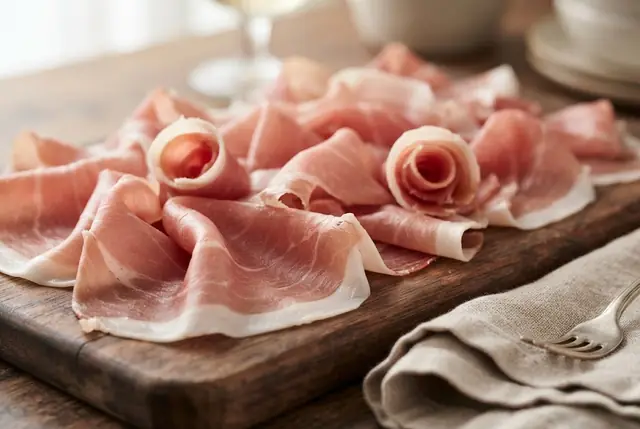
| Prosciutto and cured ham | Salt and fat sliced by vinegar. |
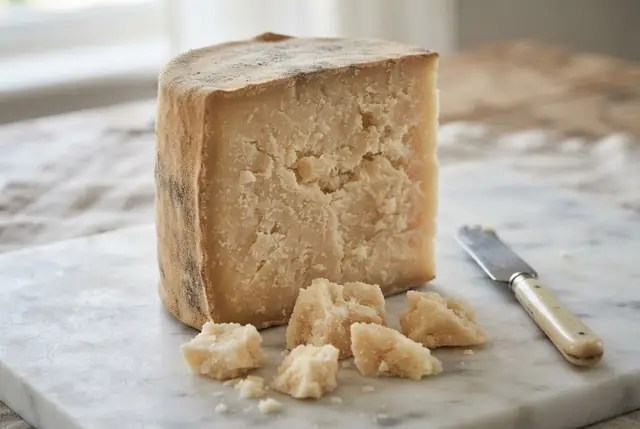
| Aged cheddar | Cheese and pickle. Mustard is the sharper version of chutney here. |
| Pretzels and sturdy crackers | The obvious base, and it holds the grain without going soggy. |
Skip it with: delicate fresh cheeses. Mustard flattens them completely.
How to prep it for the board
- Decant into a small bowl with a tiny spoon.
- Serve 0.25 oz per person. People use very little.
- Put it next to the meat, and next to the cornichons if you have them.
- Buy a fresh jar for a board — mustard loses heat with age.
- Stir before serving. The seeds settle and the liquid rises.
- Put out two mustards if the board is meat-heavy: whole grain and Dijon do different things.
- Fix: too sharp? Stir in a teaspoon of honey. That's honey mustard, and it's a legitimate move.
What to buy
| Product | Where | Notes |
|---|---|---|
| Maille old style | Any grocery | The widely available standard. Reliable. |
| Edmond Fallot moutarde à l'ancienne | Specialty, cheese shops | Burgundy producer, stone-ground. A real step up. |
| Pommery Meaux mustard | Specialty, in the crock | The famous one, in a wax-sealed pot. Excellent and gift-shaped. |
| Beer mustard | Specialty, German delis | Maltier and sweeter. Good on a beer board. |
| Trader Joe's whole grain | Trader Joe's | Cheap and perfectly good. |
Label check: mustard seeds and vinegar should lead. Avoid anything with significant added sugar unless you want honey mustard.
Skip: yellow ballpark mustard on a charcuterie board. Different product, different job.
Ranked picks: our top-rated mustard is Maille Old Style Whole Grain Mustard (4.8 out of 5), and the best value is Grey Poupon Harvest Coarse Ground. See the full ranking of the best mustard.
Quick FAQ
What mustard goes on a charcuterie board?
Whole grain is the default, with Dijon as the smooth alternative. Put out both if the board is meat-heavy.
Why does a board need mustard?
Acid. A board of cheese and cured meat is fat and salt, and mustard's vinegar is what cuts through it.
How much mustard per person?
About a quarter-ounce. People use very little of it.
Does mustard go off?
It doesn't spoil, but it loses heat over months. Buy a fresh jar for a board.
Whole grain or Dijon?
Whole grain adds texture and is milder. Dijon is smoother, sharper, and better for spreading thin.