The short version
Small square slices of rye or pumpernickel sold specifically for parties. They're soft bread, not a cracker, which makes them the only chewy base on most boards — a genuine texture nobody else is providing. They also dry out within the hour, so serve them late.
What it is
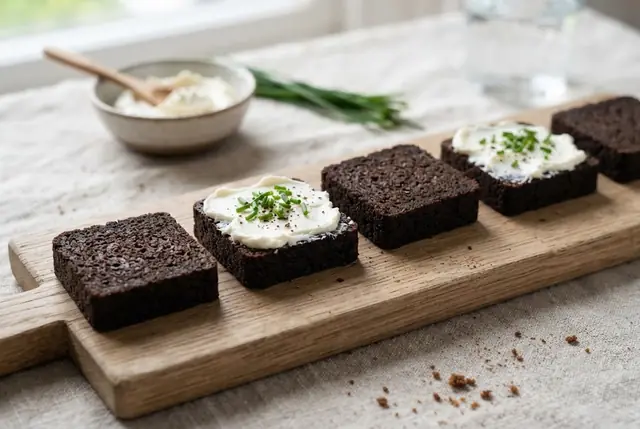
Cocktail rye is ordinary deli rye baked in a narrow pan and sliced thin, giving you roughly two-inch squares. It's usually sold in the bread aisle or the refrigerated case, often alongside a pumpernickel version, and often frozen.
- Taste
- mildly sour, caraway-scented, faintly sweet
- Texture
- soft, moist, chewy
- Look
- small brown squares with a thin crust edge
Softness is the mechanism, and it's rarer on a board than you'd think. Look at a typical spread: crackers, crisps, toasts, chips — all of them brittle. One soft, chewy element changes how the whole board eats, in the same way a single crunchy thing rescues a plate of soft food.
What it pairs with — and why
| Pair it with | Why it works |
|---|---|
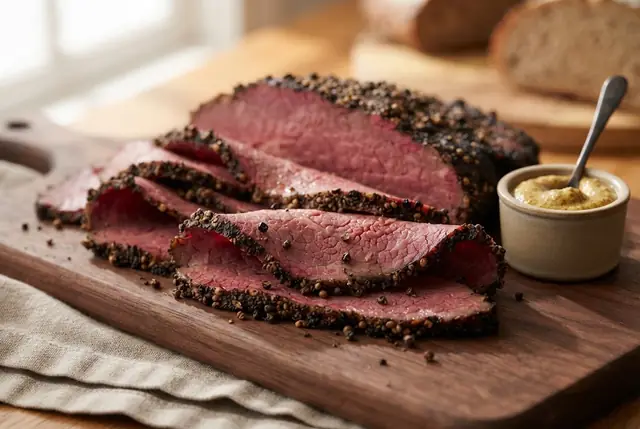
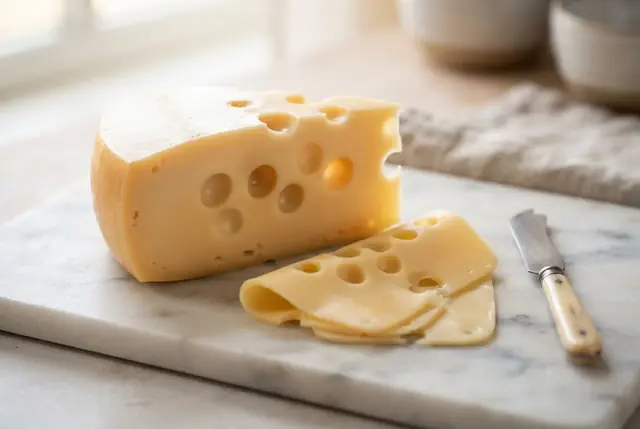
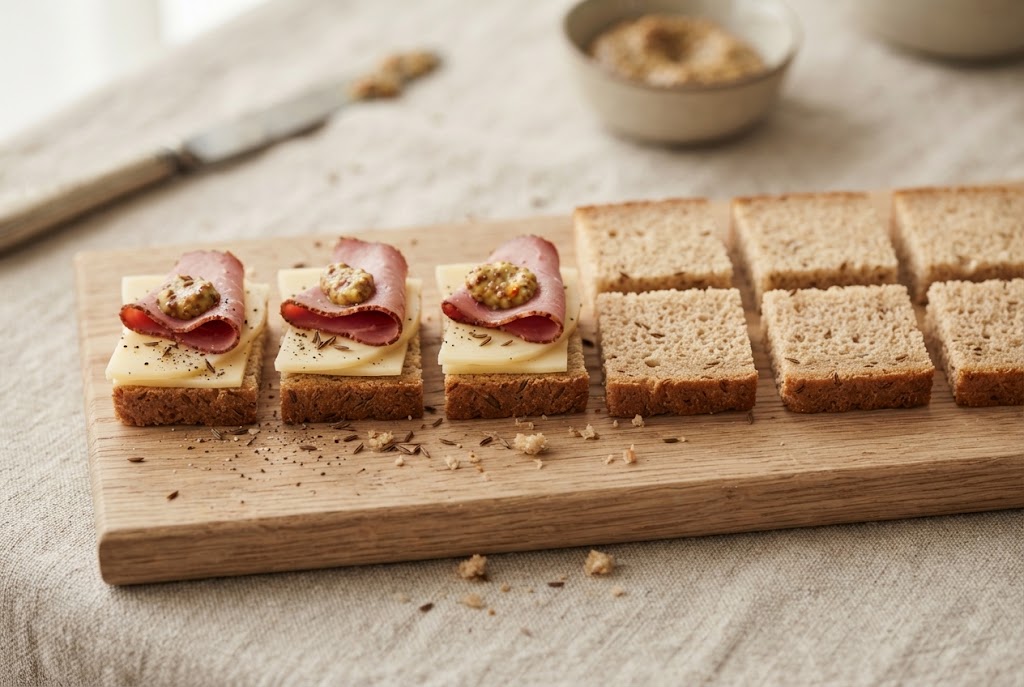
| Corned beef, Swiss and mustard | A Reuben in one bite. The bread is already the right bread. |
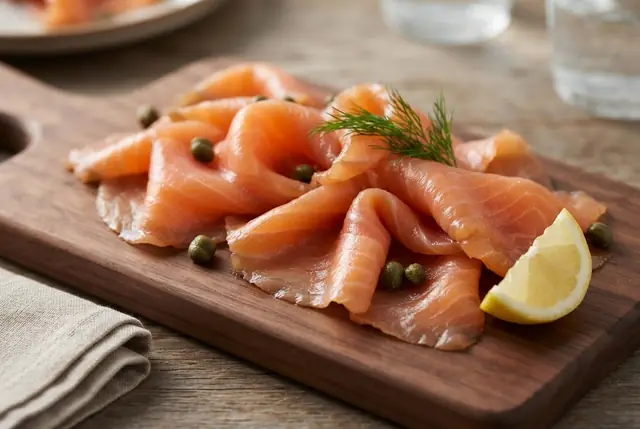
| Cream cheese and smoked salmon | Soft on soft, with the rye's sourness supplying the only edge. |
| Hot crab or artichoke dip | Warm dip on soft bread is a different pleasure from dip on a chip. |
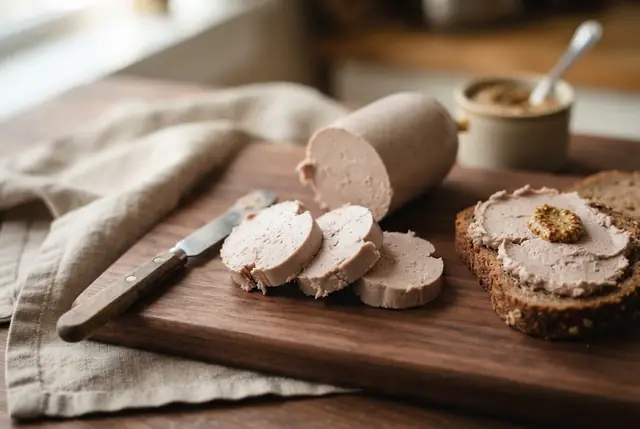
| Liverwurst and grainy mustard | The traditional pairing. Rich, soft, sharp. |
| Butter and radish | Cultured butter, thin radish, flaky salt. Better on this than on a cracker. |
| Pickled herring and dill | Northern European board logic, exactly as intended. |
| Sharp cheddar and horseradish | The rye's caraway and the horseradish heat are old friends. |
Skip it with: wet dips and anything you'd need to scoop — it's soft bread and it tears. And skip it on a board that has to sit out for two hours.
How to prep it for the board
- Put it out last, and only what you'll use in the first hour. This is the fastest-drying item on any board.
- Cover the reserve with a damp paper towel in a container. Bread stales by moisture loss, so a little humidity buys you an hour.
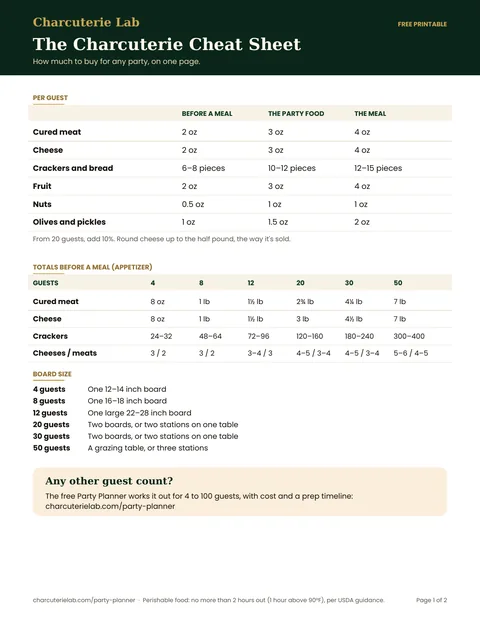
- Serve 2–3 slices per person. A one-pound loaf gives you roughly 30 slices — enough for ten to twelve people.
- Build a few open-faced bites and leave the rest plain. Two or three assembled squares show guests what to do; the rest let them improvise.
- Toast option: 5 minutes at 350°F turns it into a sturdy little crouton that behaves like a cracker. Useful if the party runs long.
- Fix: dried-out slices toast beautifully. Don't try to revive them soft.
What to buy
| Product | Where | Notes |
|---|---|---|
| Rubschlager Cocktail Rye (16 oz) | Grocery bread aisle, deli case, sometimes frozen | The standard. Check three sections of the store — it moves around. |
| Rubschlager Cocktail Pumpernickel (16 oz) | Same | Darker and sweeter. Buy both and alternate them on the board. |
| Store bakery rye, sliced thin and quartered | Any grocery bakery | Ask the counter to slice it thin. Cheaper and fresher. |
| Deli rye from a Jewish or German bakery | Local bakery | Best flavor by a distance. Slice and quarter it yourself. |
| Frozen cocktail bread | Grocery freezer aisle | Keeps indefinitely. Thaw at room temperature the morning of. |
Label check: rye flour should appear high in the list. Many "rye" breads are mostly wheat with caraway seeds and coloring.
Skip: anything sold as cocktail bread that's white and sweet. The rye is the point.
Quick FAQ
Where do I find cocktail rye in the store?
It hides. Check the bread aisle, the refrigerated deli case, and the freezer — different stores shelve it in all three.
How many slices per person?
2–3. A 16 oz loaf holds around 30 slices.
How do I keep it from drying out?
Serve it late, keep the reserve covered with a damp towel, and put out only what will be eaten in the first hour.
Can I toast it?
Yes — 5 minutes at 350°F. It becomes a sturdy cracker-like base, which is a good rescue if the party is long.
Rye or pumpernickel?
Both. They look good alternated and they pair slightly differently — rye is sharper, pumpernickel sweeter.