The short version
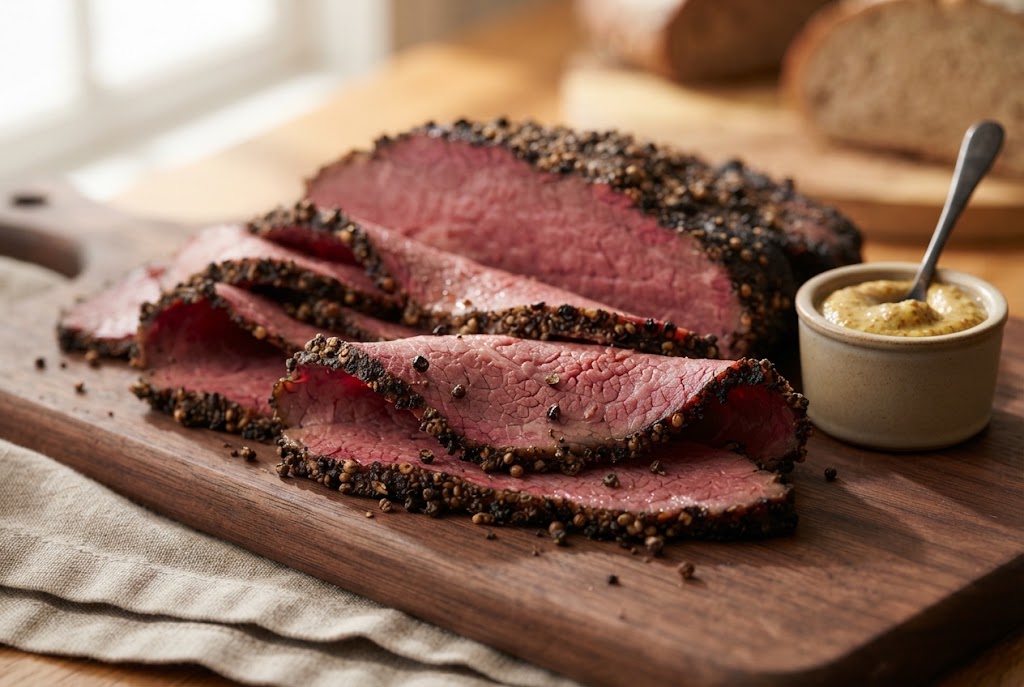
Beef brisket or navel, wet-brined, coated in cracked pepper and coriander, smoked, then steamed until tender. It's a Jewish-American deli institution, and on a board it wants to be sliced thick, served warm, and put on rye with mustard.
What it is
Pastrami arrived in New York with Romanian Jewish immigrants in the late 1800s — the technique traces to pastramă, a Romanian preserved meat. Beef is cured in brine with garlic, coriander and pepper, rubbed with a heavy pepper-coriander crust, cold-smoked, then steamed for hours until the connective tissue gives.
- Taste
- peppery, coriander-forward, smoky, salty, deeply beefy
- Texture
- tender and moist, pulling apart along the grain
- Look
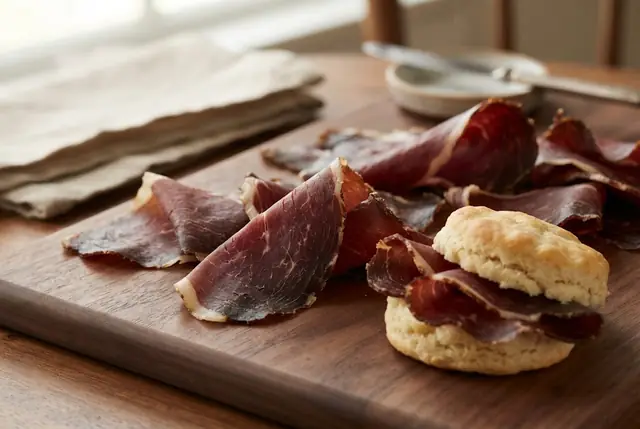
- deep red-pink meat with a black pepper crust and a smoke ring
Steaming after smoking is the mechanism, and it's what separates pastrami from every other item in this section. Everything else here is preserved by drying; pastrami is deliberately re-moistened. Hours of steam break down collagen and put water back, which is why it's tender rather than firm — and why it must be served warm.
What it pairs with — and why
| Pair it with | Why it works |
|---|---|
| Rye bread and yellow mustard | The deli plate. Sour bread, sharp mustard, warm fat. Non-negotiable. |
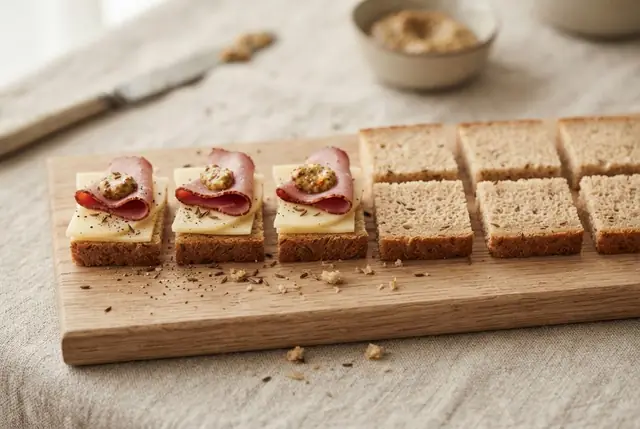
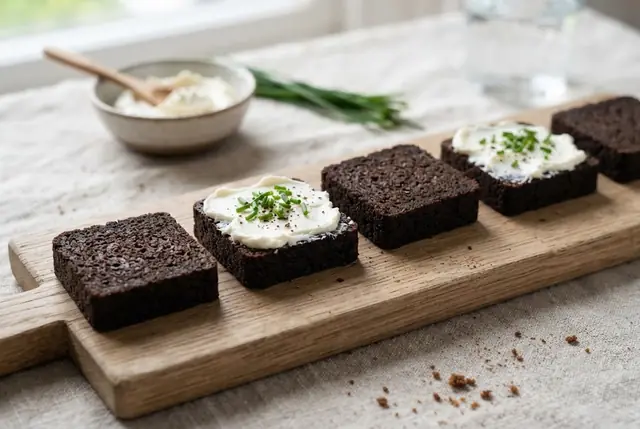
| Cocktail rye or pumpernickel | Board-sized versions of the same idea. |
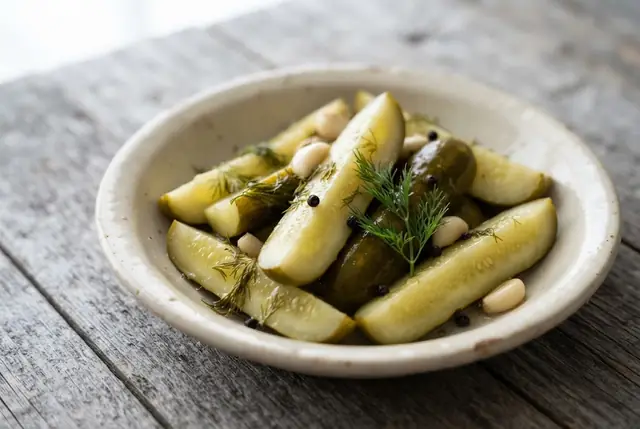
| Half-sour pickles | Acid and crunch against soft fatty meat. |
| Sauerkraut | Sour and cold against warm and rich. |
| Russian dressing | If you're building Reuben bites, which is a legitimate board move. |
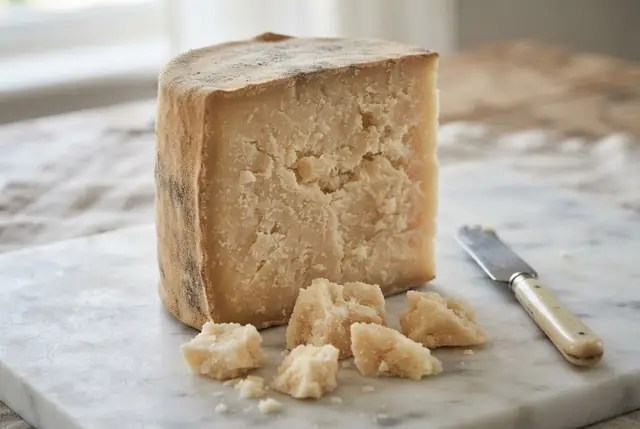
| Aged cheddar or Swiss | Sharp or mild cheese, both work. |
| Cold lager, cream soda, dry cider | The deli drinks, and all three cut warm fat and pepper. |
Skip it with: smoked gouda — pastrami is already smoked — and delicate fresh cheeses.
How to prep it for the board
- Slice thick — about ¼ inch — against the grain. Thin-sliced pastrami is a supermarket product; hand-cut thick slices are the real thing.
- Serve it warm. Steam it for a few minutes or wrap in foil and warm at 300°F. Cold pastrami is firm and much less good.
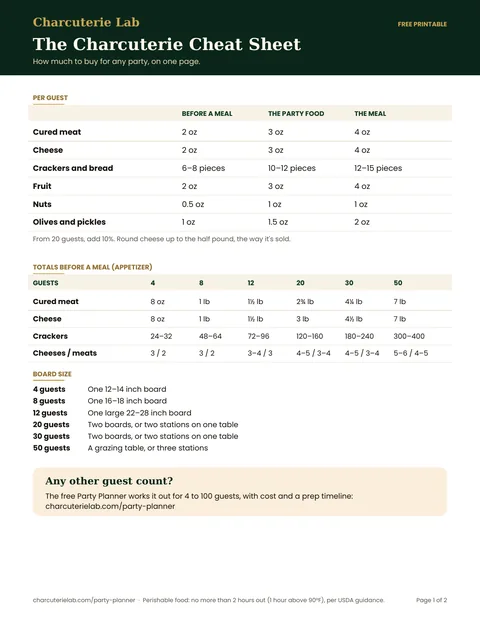
- Serve 1.5–2 oz per person — more than the dry cures, because it's moister and less salty per ounce.
- Build a few bites — cocktail rye, mustard, folded pastrami, a pickle slice — and leave the rest for people to assemble.
- Put mustard and pickles directly beside it.
- Keep it in one warm corner rather than spread across the board.
- Fix: dry and tough? It needed steam, not more time. Ten minutes over simmering water rescues it.
What to buy
| Product | Where | Notes |
|---|---|---|
| Jewish deli pastrami, hand-cut | Delis, Katz's-style shops, online | The real thing. Ask for it thick-cut and warm. |
| Boar's Head Pastrami | Deli counters | The everyday version. Ask for a thick cut. |
| Whole pastrami navel or brisket | Butchers, online, specialty | Steam it yourself. Far better and cheaper by the pound. |
| Montreal smoked meat | Montreal delis, online | The Canadian cousin — less sweet, more peppery. Excellent. |
| Corned beef | Any deli | Same brine, no smoke, no pepper crust. A different product. |
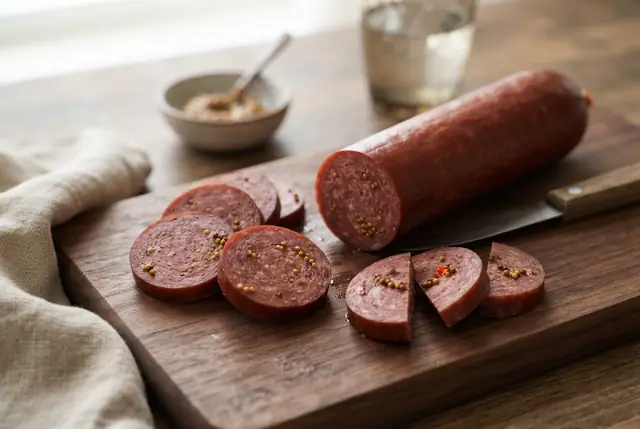
| Summer sausage | Any grocery | If you want an American cured meat that needs no warming. |
Label check: a visible black pepper and coriander crust, and a smoke ring under it. Uniformly pink pastrami with no crust has been pressed and formed.
Skip: thin-sliced pre-packaged pastrami for a board. It dries out and it misses the point of the cut.
Quick FAQ
Is pastrami cured or cooked?
Both — brined and cured, then smoked, then steamed for hours. It's a cooked product.
Pastrami or corned beef?
Same brine to start. Corned beef is boiled; pastrami gets a pepper-coriander crust and is smoked, then steamed.
Does it have to be warm?
It's much better warm. Cold pastrami firms up and loses its tenderness.
How much per person?
1.5–2 oz — more than a dry-cured meat, since it's moister.
What's Montreal smoked meat?
A close cousin — less sugar in the cure, more pepper, and often a longer smoke. Worth trying if you can get it.