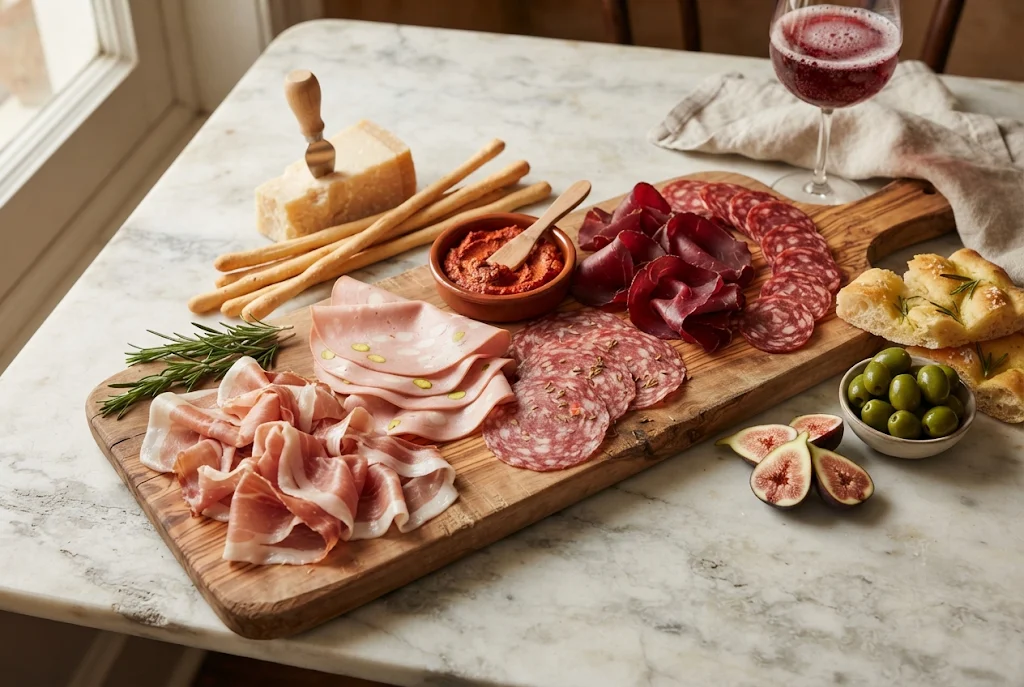
Quick Answer: Italian cured meats are called salumi: whole-muscle hams like prosciutto, salami, cooked meats like mortadella, and cured fat like lardo. The north makes sweet, delicate hams, the center adds fennel and herbs, and the south adds chile.
Italian salumi in four answers
4
Kinds of salumiWhole-muscle, salami, cooked, and fat and spreads.
7
Regions, north to southFrom smoky Alpine speck to fiery Calabrian 'nduja.
3
Meats for an easy boardA sweet ham, a mild salami and something spicy.
DOP
The label to look forA protected name, made in its home region under strict rules.
Every region of Italy cures pork its own way, and the differences follow the map. The cool, dry north makes sweet, delicate hams. Central Italy adds fennel, pepper and herbs. The south adds chile. This guide goes region by region through 25 of the salumi you're most likely to find (or want to hunt down), then shows you how Italians serve them and how to build an Italian board at home.
For every cured meat from every country in one searchable chart, see our 100 types of cured meat. This page is the deep dive on Italy.
Love cured meat? Cured Meat Field Guide $5 · printable PDF
Salumi in 30 seconds: the four kinds
| Kind | In Italian | What it is | Examples |
|---|---|---|---|
| Whole-muscle | Salumi crudi interi | A whole cut, salted and air-dried, never ground | Prosciutto, culatello, coppa, bresaola, speck |
| Salami | Salame (plural salami) | Chopped meat and fat with spices, stuffed into a casing, fermented and dried | Felino, finocchiona, soppressata, Milano |
| Cooked | Salumi cotti | Cooked during making, so it's moist and mild | Mortadella, prosciutto cotto, porchetta |
| Cured fat and spreads | Lardo, pancetta, spalmabili | Cured fat to slice or cook, and salami soft enough to spread | Lardo, guanciale, 'nduja, ciauscolo |
A word to know: in Italy, prosciutto just means ham. Ask for prosciutto crudo for the raw, air-dried kind and prosciutto cotto for cooked ham.
Italian cured meats from north to south
North (Alps) ↓ South (Calabria)
- The Alps and the northeastCold, dry mountain air and a little smoke. Sweet hams and soft salami. Speck Alto Adige, Prosciutto di San Daniele, Sopressa Vicentina.
- Lombardy and the northwestLean beef and mild, finely ground salami. Bresaola della Valtellina, Salame Milano, Salamini alla Cacciatora (Cacciatorini).
- Emilia-RomagnaThe richest stretch of salumi in the world. Sweet hams, silky mortadella, marbled coppa. Prosciutto di Parma, Culatello di Zibello, Mortadella Bologna, Salame Felino, Coppa Piacentina, Pancetta Piacentina.
- TuscanyFennel, black pepper, herbs and wild boar. Finocchiona, Prosciutto Toscano, Lardo di Colonnata, Wild Boar Salami (Salame di Cinghiale).
- Umbria and Le MarcheMountain hams and the softest salami in Italy. Prosciutto di Norcia, Ciauscolo, Lonzino.
- Rome and LazioThe cooking meats: guanciale and roast porchetta. Guanciale, Porchetta.
- Calabria and the southHeat. Red chile, smoked pepper and spreadable 'nduja. 'Nduja, Soppressata di Calabria, Capocollo di Calabria, Calabrese Salami.
The Alps and the northeast
Alto Adige, Friuli and the Veneto. Cold, dry mountain air and a little smoke. Sweet hams and soft salami.
Speck comes from Alto Adige (Südtirol), where the food is half Italian and half Austrian. Its motto is a little salt, a little smoke and plenty of fresh air. San Daniele is Parma's main rival for Italy's best ham. Try both side by side: San Daniele is usually a touch sweeter and softer.
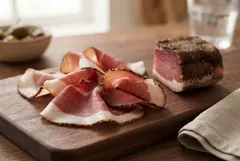 Speck Alto AdigeSmoky, juniper, lightly spicedHam that's lightly salted, cold-smoked and air-dried in Italy's German-speaking north. It's boned and pressed flat, so it slices into wide, smoky ribbons.Try with: Apples and rye crackers
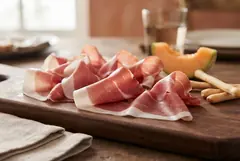 Prosciutto di San DanieleSweeter and softer than ParmaHam from one hill town in Friuli, cured with sea salt only. The leg keeps its trotter, which gives a whole ham its guitar shape.Try with: Fresh figs
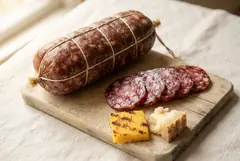 Sopressa VicentinaSoft, garlicky, coarseA big, soft salami from around Vicenza in the Veneto, seasoned with garlic, pepper and spices and aged for months.Try with: Asiago and polenta
How it's served: Serve speck with apples, rye crackers and a mild mountain cheese like fontina. Serve San Daniele with fresh figs.
Lombardy and the northwest
Lombardy, Piedmont and the Valtellina. Lean beef and mild, finely ground salami.
Lombardy gives you bresaola, Milan's mild salami and the little hunter's salami found all over the north. The region also makes Salame di Varzi DOP and Salame Brianza DOP, which you'll rarely see in the US.
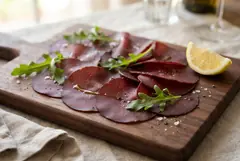 Bresaola della ValtellinaLean, sweet, deep redSalt-cured, air-dried beef from the Alpine valley of Valtellina. The leanest of the salumi and the one for guests who skip pork.Try with: Arugula, lemon and Parmigiano
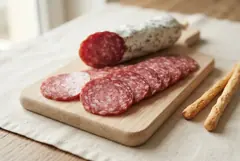 Salame MilanoFine-grained, mild, garlickyMilan's salami has a fine, even grind, often described as grains of rice. Mild enough for anyone.Try with: Grissini
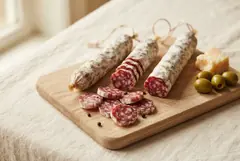 Salamini alla Cacciatora (Cacciatorini)Small, mild, garlickyHunter's salami: small enough to fit in a pocket, made across northern Italy. Slice into coins for a board.Try with: Olives and Asiago
How it's served: The classic way to eat bresaola is on a plate with arugula, lemon, olive oil and shaved Parmigiano.
Emilia-Romagna: Italy's food valley
Parma, Piacenza and Bologna. The richest stretch of salumi in the world. Sweet hams, silky mortadella, marbled coppa.
The plain between Piacenza and Bologna is the same land that makes Parmigiano-Reggiano and balsamic vinegar of Modena. The pigs are fed partly on whey left over from Parmigiano, and the Po river fog helps the hams and culatello cure slowly. Piacenza alone has three DOP salumi: coppa, pancetta and salame.
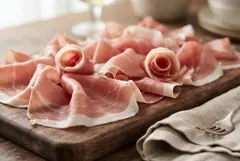 Prosciutto di ParmaSweet, silky, delicately saltyPork legs, sea salt and at least 14 months of air. Nothing else is allowed in. Look for the five-point ducal crown branded on the skin.Try with: Melon or Parmigiano
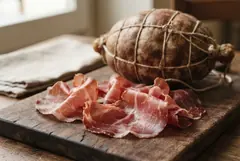 Culatello di ZibelloDeep, sweet, almost wineyThe heart of the ham: the best muscle of the rear leg, tied in a bladder and aged in foggy cellars along the Po river. Italy's most prized salume.Try with: Parmigiano and Lambrusco
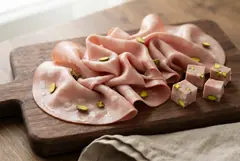 Mortadella BolognaSilky, mild, pistachio-fleckedFinely ground pork studded with cubes of fat, often with pistachios, then slow-cooked. Bologna's gift to the world (and the grandparent of American bologna).Try with: Pistachios and Lambrusco
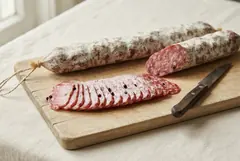 Salame FelinoSweet, pure pork, peppercornsNamed for a town near Parma. Lightly seasoned with pepper and wine, so you taste the pork. Cut it on a slant into long oval slices.Try with: Parmigiano
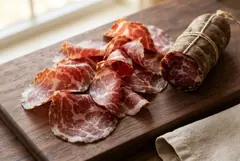 Coppa PiacentinaRich, marbled, warmly spicedCured pork neck and shoulder, marbled with fat. Piacenza and Parma both make famous ones; Americans know it as capicola.Try with: Aged provolone
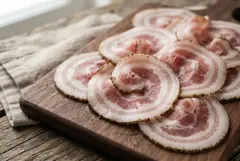 Pancetta Piacentina Cook firstRich, peppery, porkyCured pork belly, rolled tight. In Piacenza the rolled kind is sliced thin and eaten as is; most pancetta sold in the US is meant for cooking, so follow the label.Try with: Thin slices on warm bread
How it's served: In Emilia, salumi come with gnocco fritto (puffs of fried dough) or tigelle (small flatbreads), shards of Parmigiano and a cold glass of fizzy red Lambrusco. In Parma, culatello is often served with curls of sweet butter.
Tuscany
Florence, Siena and the Carrara hills. Fennel, black pepper, herbs and wild boar.
Tuscan salumi are bolder and more herby than Emilia's. Fennel seed goes into finocchiona, pepper and garlic into the ham, and rosemary and spices into lardo. Wild boar runs all over the Tuscan hills, so it ends up in salami too.
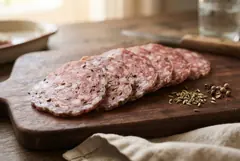 FinocchionaFennel, soft, aromaticTuscany's fennel-seed salami: soft, coarse and fragrant. Slice it a little thicker than you would a firm salami.Try with: Pecorino and Chianti
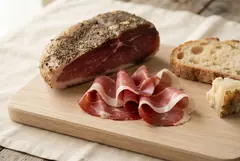 Prosciutto ToscanoSaltier, with pepper and herbsRubbed with salt, pepper, garlic and herbs, so it's saltier and more savory than Parma. Tuscans eat it with their famous unsalted bread.Try with: Pecorino and Chianti
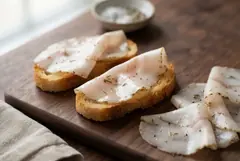 Lardo di ColonnataButtery, herby, melts on the tonguePork back fat cured with salt, herbs and spices in marble basins in the hills above Carrara. Sliced paper-thin, it melts on warm bread.Try with: Warm toast and honey
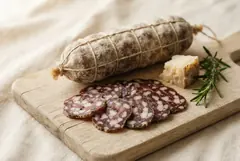 Wild Boar Salami (Salame di Cinghiale)Gamey, dark, richTuscany's hunting salami, made with wild boar and pork. Darker and gamier than pork salami.Try with: Pecorino and red wine
How it's served: Tuscans eat their salty salumi with unsalted bread, plus pecorino toscano and a glass of Chianti.
Umbria and Le Marche
Norcia and the Apennine hills. Mountain hams and the softest salami in Italy.
This is pork country. Norcia, a mountain town in Umbria, has been famous for its butchers for centuries. Next door in Le Marche, ciauscolo is ground so fine that it's spread, not sliced.
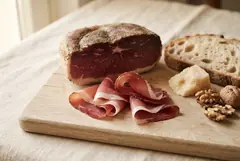 Prosciutto di NorciaLean, savory, pepperyA bolder ham from the Umbrian mountains. Norcia's butchers were so famous that Italians still call a pork butcher a norcino.Try with: Pecorino and dry red wine
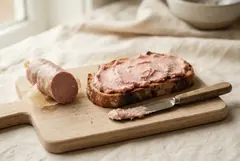 CiauscoloSoft, spreadable, garlickyA salami from Le Marche so finely ground and soft that you spread it on bread instead of slicing it.Try with: Crusty bread
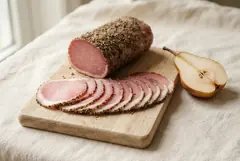 LonzinoLean, delicate, fennel and pepperCured pork loin from central Italy. Lean and delicate, it's the gentlest of the whole-muscle meats after prosciutto.Try with: Pears and pecorino
How it's served: Serve these with crusty bread, ripe pears and a sheep's milk cheese.
Rome and Lazio
Rome and the Castelli Romani. The cooking meats: guanciale and roast porchetta.
Rome's two great pork products are both cooked before you eat them. Guanciale is cured raw and goes into carbonara, amatriciana and gricia. Porchetta is roasted whole and sold in thick slices from food trucks and market stalls.
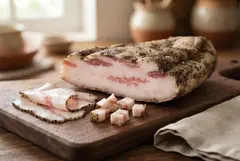 Guanciale Cook firstIntensely porky, peppery, richCured pork cheek, the fat that makes Roman carbonara and amatriciana. Cook it until the fat turns clear and crisp.Try with: Carbonara and pecorino
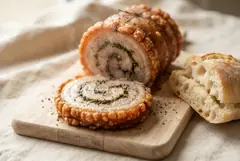 Porchetta Serve warmHerby, garlicky roast porkBoned, rolled pork roasted with garlic, rosemary and fennel until the skin crackles. The one from Ariccia, near Rome, has IGP status.Try with: Crusty rolls
How it's served: Porchetta is best warm or at room temperature in a crusty roll. Leave guanciale off the cold board.
Calabria and the south
Calabria, Basilicata, Puglia and Campania. Heat. Red chile, smoked pepper and spreadable 'nduja.
Southern Italy is where the chile comes in. Calabria has four DOP cured meats (soppressata, capocollo, salsiccia and pancetta) and the famous 'nduja, which comes from the town of Spilinga. Soppressata is made all over the south, and most families have their own recipe.
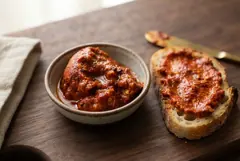 'NdujaFiery chile, spreadable, funkyCalabria's spreadable salami, red with chile. Spread a little on toast or melt it into pasta; it's not a DOP product, so quality varies by maker.Try with: Burrata and toast
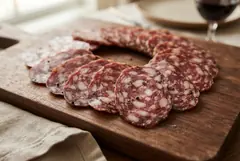 Soppressata di CalabriaCoarse, rustic, sweet or hotA pressed, coarse salami made across southern Italy, sweet or hot. Calabria's version has DOP status.Try with: Provolone and peppers
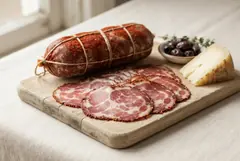 Capocollo di CalabriaSpiced, marbled, pepperyCalabria's coppa, rubbed with pepper or chile. One of four Calabrian cured meats with DOP status.Try with: Provolone and olives
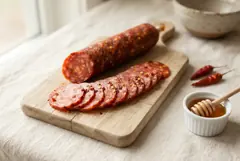 Calabrese SalamiHot chile, smoky red pepperHot salami in the Calabrian style, red with chile. In the US, "Calabrese" on a label simply means spicy.Try with: Honey and ricotta
How it's served: Cool the heat with something creamy and sweet: burrata, ricotta or a drizzle of honey. Our 'nduja board is built around it.
Italian-American deli names, decoded
Many "Italian" meats at a US deli counter are Italian-American: made in the US, in the Italian style, and sometimes with names you won't hear in Italy.
| On the US label | What it is | Closest Italian cousin | Read more |
|---|---|---|---|
| Genoa salami | Mild, soft pork salami (sometimes with beef) with garlic, wine and peppercorns | Salame genovese, Salame Milano | Genoa vs hard salami |
| Italian dry salami | A US label for a drier, firmer, peppery pork salami | Most northern salami | Best salami brands |
| Hard salami | American: firmer, drier, often smoky, often with beef | None really | Genoa vs hard salami |
| Capicola / gabagool | Coppa: cured pork neck and shoulder, sweet or hot | Coppa, capocollo | What is capicola? |
| Pepperoni | An Italian-American creation. In Italy, peperoni means bell peppers | Salame piccante (spicy salami) | Salami vs pepperoni |
| Soppressata | Coarse, pressed salami, sold sweet or hot | Soppressata di Calabria | Soppressata vs salami |
| Calabrese | Any hot, chile-red salami | Salame calabrese | Types of salami |
| Bologna | The American descendant of mortadella, without the cubes of fat | Mortadella Bologna | Mortadella vs bologna |
DOP and IGP: what the labels mean
Italy has more protected food and wine names than any other country in Europe, and dozens of them are cured meats. Two EU labels do the work:
- DOP (Denominazione di Origine Protetta, or PDO in English): the raw ingredients come from the region and every step of production happens there. Examples: Prosciutto di Parma, San Daniele, culatello di Zibello, Coppa Piacentina.
- IGP (Indicazione Geografica Protetta, or PGI): at least one step of production, processing or preparation happens in the region. Examples: mortadella Bologna, bresaola della Valtellina, speck Alto Adige, finocchiona.
- On the package: the DOP seal is red and yellow; the IGP seal is blue and yellow. Prosciutto di Parma also carries a five-point ducal crown branded on the skin, and San Daniele carries an "SD" brand.
- Without a seal: "Italian-style", "Genoa" or "Calabrese" tells you the style, not where it was made. Look for "Product of Italy" if that matters to you. Many good US makers produce Italian-style salumi too.
How Italians serve salumi
In Italy a board of mixed sliced meats is called an affettato misto, served on a tagliere (a wooden cutting board) as an antipasto. A few habits make it taste better at home:
- Slice it thin and serve it soon. Prosciutto should be almost see-through. Have the deli slice it, lay it on parchment, and eat it within a day or two.
- Take it out 20 to 30 minutes early. Fat tastes of nothing when it's cold. Room temperature lets the sweetness come through. Don't leave it out more than 2 hours.
- Go from mild to strong. Start with mortadella, prosciutto and bresaola, then salami, then spicy soppressata or 'nduja.
- Peel the salami. Most casings on larger salami aren't meant to be eaten. Thin casings on small salami are fine.
- Serve bread, not just crackers. <a href="/ingredients/grissini/">Grissini</a>, focaccia, crusty bread, flatbreads or fried dough. See the best bread for a charcuterie board.
- Fold, don't fan. Loose folds of prosciutto look generous and are easy to pick up. For a showpiece, try a prosciutto rose or a salami rose.
Build an Italian salumi board
Three ways to do it, from easy to showpiece. Plan about 2 ounces of meat per person when there's a meal, and 3 to 4 ounces when the board is the meal.
| Board | Meats | Add |
|---|---|---|
| Easy (3 meats) | Prosciutto di Parma, Genoa or Felino salami, spicy soppressata | Parmigiano, fresh mozzarella, Castelvetrano olives, fig jam, grissini |
| North-to-south tour (5) | San Daniele, bresaola, mortadella, finocchiona, 'nduja | Taleggio, pecorino, burrata, pistachios, honey, focaccia |
| Showpiece (5) | Culatello, speck, Prosciutto Toscano, wild boar salami, lardo on warm toast | Parmigiano with aged balsamic, gorgonzola, figs, roasted chestnuts |
Want it all planned? Our Italian antipasto board has the full shopping list and layout, the Italian board for two is the date-night size, and the antipasto skewer board does it on sticks.
What goes with Italian cured meats
The easy rule: pair salumi with the cheese, bread and wine from the same region. They've been eaten together for centuries.
| Meat | Cheese | Something sweet or fresh | Wine |
|---|---|---|---|
| Prosciutto di Parma | Parmigiano-Reggiano | Cantaloupe or melon | Prosecco or Lambrusco |
| Culatello | Parmigiano-Reggiano | Sweet butter | Lambrusco |
| Mortadella | Fresh mozzarella | Pistachios | Lambrusco or Prosecco |
| Bresaola | Shaved Parmigiano | Arugula and lemon | Light red, like Pinot Noir |
| Speck | Fontina or Asiago | Apples | Pinot Noir or a dry white |
| Finocchiona | Pecorino toscano | Pears | Chianti |
| Soppressata | Aged provolone | Roasted red peppers | Chianti or Montepulciano |
| 'Nduja | Burrata or ricotta | Honey | Chilled Lambrusco or a fruity red |
More detail on each: what goes with prosciutto, what goes with soppressata, what goes with mortadella, what goes with coppa and our Chianti pairing guide.
Buying Italian cured meats in the US
- Deli counter or pre-sliced? Freshly sliced wins for prosciutto, culatello and mortadella. Pre-sliced packs are fine for salami and convenient for a party.
- Ask for it thin. Paper-thin for prosciutto, bresaola and speck; about 1/16 inch for salami.
- Read the label. "Product of Italy" and a DOP or IGP seal mean imported and protected. "Italian-style" means made elsewhere in the style.
- How long it keeps: eat opened sliced meats within 3 to 5 days. A whole, uncut dry salami keeps for weeks in the fridge.
- Our tested picks: best prosciutto brands, best salami brands, best mortadella brands, best capicola and coppa, best soppressata and best 'nduja.
- Cook-first list: guanciale, most US pancetta, cotechino and zampone. If you're pregnant, the CDC advises heating deli and cured meats until steaming hot (165°F); see can you eat prosciutto while pregnant.
Head to head: prosciutto vs pancetta, prosciutto vs serrano, bresaola vs prosciutto, soppressata vs pepperoni and mortadella vs bologna.
Italian cured meats: FAQ
What are Italian cured meats called?
Salumi. It's the Italian word for all cured and preserved meats, from prosciutto to mortadella. Salami (salame in Italian) is just one kind of salumi: the ground, stuffed and dried sausages.
What is the most famous Italian cured meat?
Prosciutto di Parma is the best known around the world, followed by mortadella from Bologna. Among Italians, culatello di Zibello is often called the finest, and it's the most expensive.
What Italian cured meats are best for a charcuterie board?
Pick three that taste different: a sweet ham (Prosciutto di Parma or San Daniele), a salami (Felino, finocchiona or Genoa) and something bold (spicy soppressata or 'nduja). Add bresaola if a guest doesn't eat pork. Plan about 2 ounces of meat per person when there's a meal, and 3 to 4 when the board is the meal.
What is the difference between Genoa salami and Italian dry salami?
Both are American labels for Italian-style salami, and recipes vary by brand. Genoa is usually the softer, milder one, seasoned with garlic, wine and whole peppercorns. Italian dry salami is usually drier, firmer and more peppery. Neither is a protected Italian name.
What is gabagool?
Gabagool is the Italian-American way of saying capocollo, the cured pork neck and shoulder that's also sold as coppa or capicola. The name comes from southern Italian dialects, which soften and clip the ends of words.
Which Italian cured meats need to be cooked?
Guanciale and most pancetta sold in the US are cured but still raw, so cook them first. Cotechino and zampone, the big holiday sausages from Modena, are also cooked before eating. Prosciutto, salami, coppa, bresaola, speck and mortadella are ready to eat.
Are Italian cured meats safe during pregnancy?
The CDC advises people who are pregnant to heat deli meats, including cured meats, to 165°F or until steaming hot before eating. Prosciutto or salami baked on a pizza is fine. Ask your doctor if you're unsure.
What do DOP and IGP mean on Italian cured meats?
They're EU protected names. DOP (PDO in English) means every step happens in the named region, with local raw ingredients. IGP (PGI) means at least one step of production happens there. Both come with written rules, inspections and a seal on the package.
Sources
- European Commission, Geographical indications for food and drink (what PDO and PGI mean).
- Consorzio del Prosciutto di Parma, prosciuttodiparma.com (ingredients, aging, the ducal crown).
- CDC, Listeria and food safety (heating deli meats during pregnancy).