The short version
Cured pork back fat, sliced translucent and laid on warm bread until it melts. The famous version is aged in Carrara marble basins with rosemary and garlic. It sounds like a dare and tastes like herbed butter — one of the great cheap luxuries of Italian food.
What it is
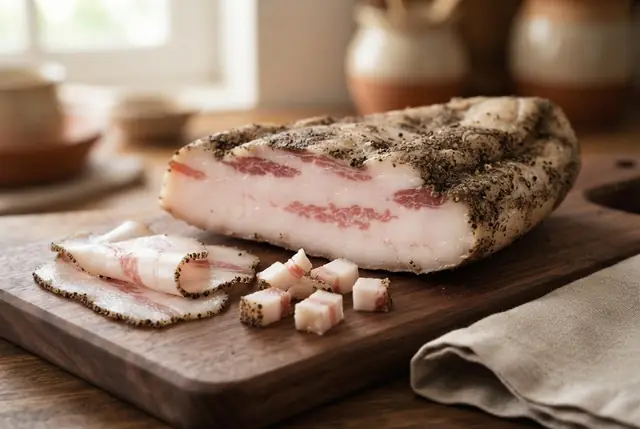
Lardo di Colonnata IGP is made in a marble-quarrying village in Tuscany. Slabs of back fat are layered in basins carved from local marble with sea salt, rosemary, garlic, pepper and other herbs, then left for at least six months. The marble stays cool and slightly porous, which producers credit for the particular texture.
- Taste
- herbal, garlicky, sweetly porky, clean rather than greasy
- Texture
- silky, melting, dissolving at body temperature
- Look
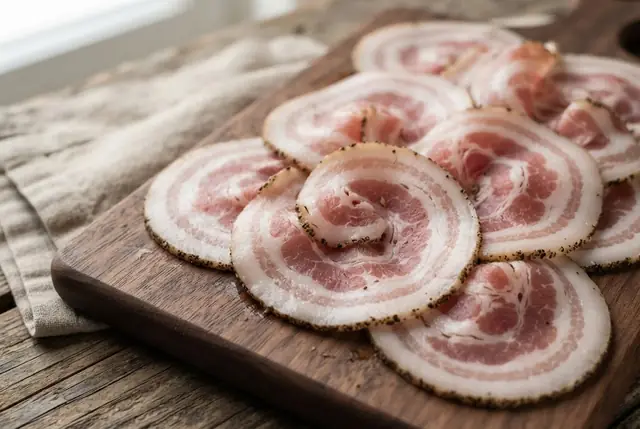
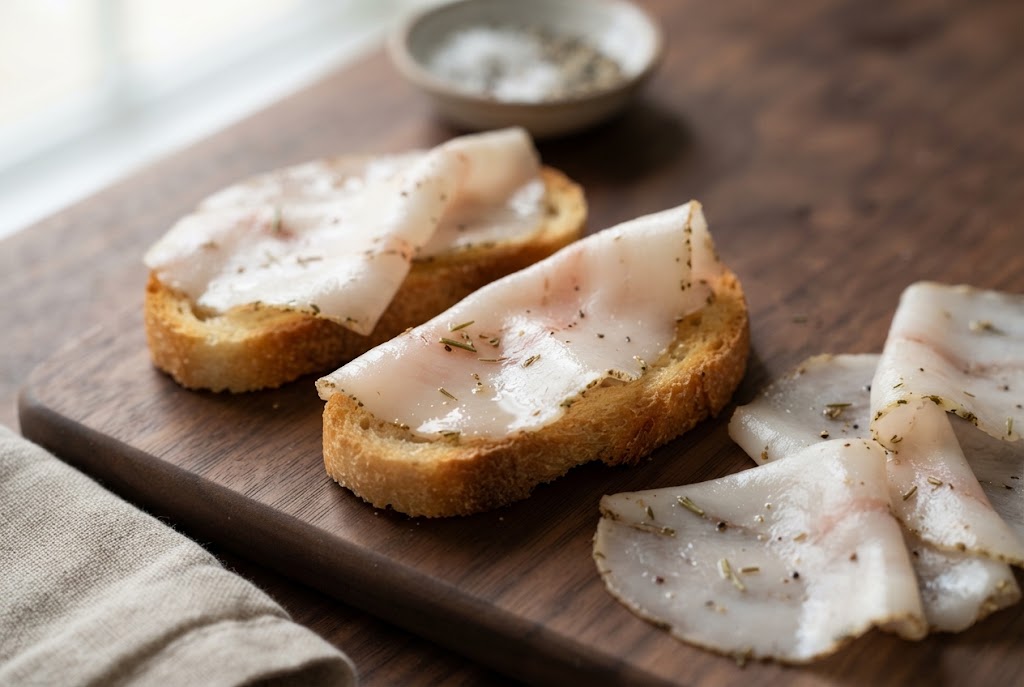
- near-white translucent slices with a faint pink blush and herb flecks
Melting point is the mechanism, and it's the whole experience. Pork back fat softens well below body temperature, so a paper-thin slice on warm bread liquefies before you chew it. Served cold on a cold cracker it's waxy and strange; served on something warm it becomes a sauce.
What it pairs with — and why
| Pair it with | Why it works |
|---|---|
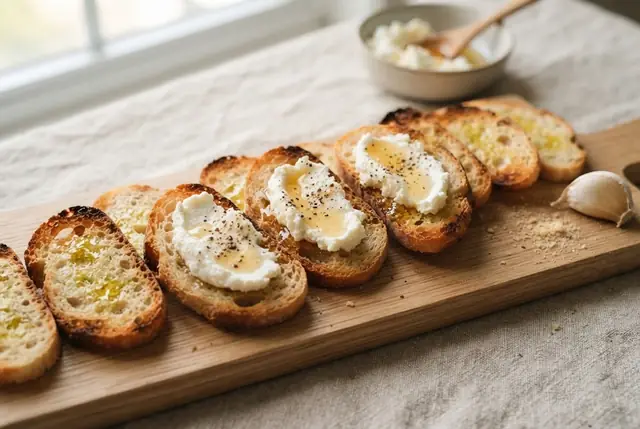
| Warm crostini or grilled bread | The only correct service. Heat melts it into the bread. |
| Cracked black pepper and flaky salt | Simple seasoning on something very rich. |
| Fresh figs and honey | Sweetness against pure fat, and the herbs bridge them. |
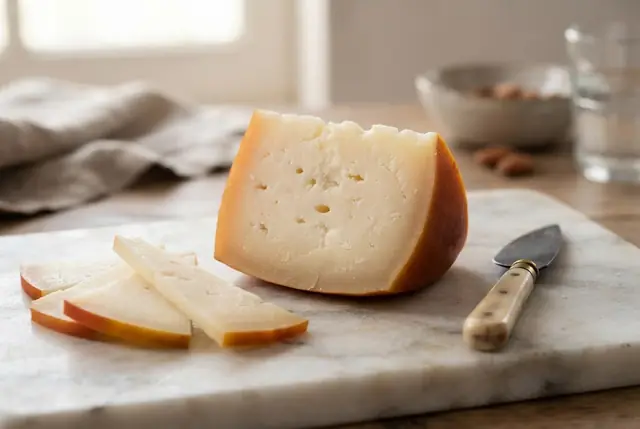
| Pecorino Toscano | Tuscan cheese with Tuscan fat. |
| Tomato, rubbed on the toast first | Acid before fat. Catalan in origin, excellent here. |
| Rosemary | Already in the cure; a sprig alongside makes the connection. |
| Vernaccia, Chianti, cold Prosecco | High-acid Italian wines, which is all that cuts pure fat. |
Skip it with: delicate fresh cheeses, and cold hard crackers, which make it waxy. This ingredient depends on warmth.
How to prep it for the board
- Slice it translucent. You should be able to read through it. Thick lardo is unpleasant; thin lardo is remarkable.
- Warm the bread, not the lardo. Toast crostini, lay a slice on each while the bread is still hot, and let it melt for thirty seconds.
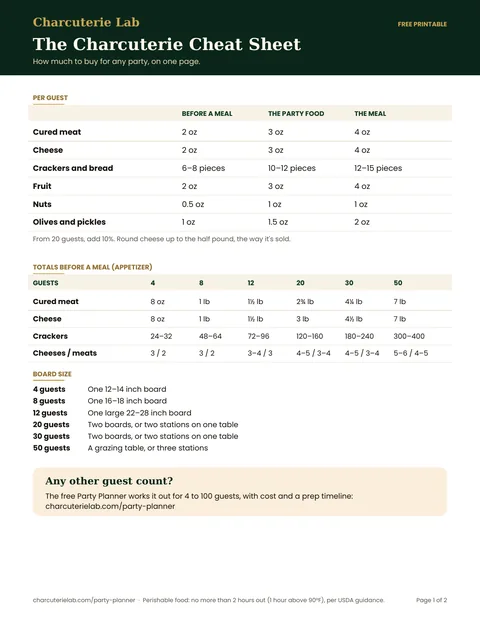
- Serve about half an ounce per person — three or four small slices.
- Temper only 15 minutes. It softens fast and gets hard to handle.
- Assemble in front of people. The melt is the moment, and it doesn't survive sitting on a board.
- Say what it is after they try it, not before. "Cured pork fat" loses more converts than the taste ever does.
- Fix: slices too thick and waxy? Warmer bread, or fold them onto the toast so more surface touches the heat.
What to buy
| Product | Where | Notes |
|---|---|---|
| Lardo di Colonnata IGP | Italian delis, specialty importers | The marble-aged original. Look for the IGP mark. |
| Lardo d'Arnad DOP | Specialty importers | The Valle d'Aosta version, aged with mountain herbs. Also excellent. |
| La Quercia Lardo | Whole Foods, specialty | American-made and much easier to find. |
| Generic Italian lardo | Italian markets, deli counters | Ask them to slice it as thin as the machine goes. |
| Guanciale | Italian delis | The next step down in fat content — see its own page. |
| Any Italian butcher | Local | Often has it cheaper than a specialty grocer. |
Label check: herbs and salt visible on the rind, and an IGP or DOP mark for the traditional versions. It should smell of rosemary and garlic, not of pork fat alone.
Skip: buying it if you can't serve it on something warm. Cold lardo on a cracker is the version that gives it a bad name.
Quick FAQ
Is lardo just fat?
Yes — cured pork back fat with herbs and salt. What makes it a delicacy is the cure, the age and how thin it's sliced.
Is it the same as lard?
No. Lard is rendered fat used for cooking. Lardo is cured and sliced, eaten as charcuterie.
Why marble?
The basins in Colonnata are carved from local marble, which stays cool and slightly porous. Producers credit it for the texture.
How much per person?
About half an ounce — three or four translucent slices.
How do I serve it?
On warm bread, so it melts. That's the only version worth doing.