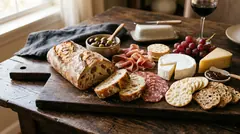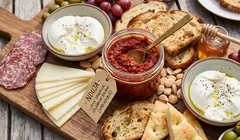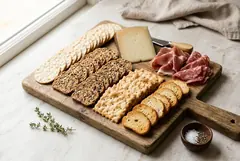
The short version
Bread leavened by wild yeast and bacteria instead of commercial yeast, which makes it genuinely sour. That acidity does real work on a board — it cuts through fat the way a cornichon does. It is the bread to reach for when the cheese is rich.
What it is
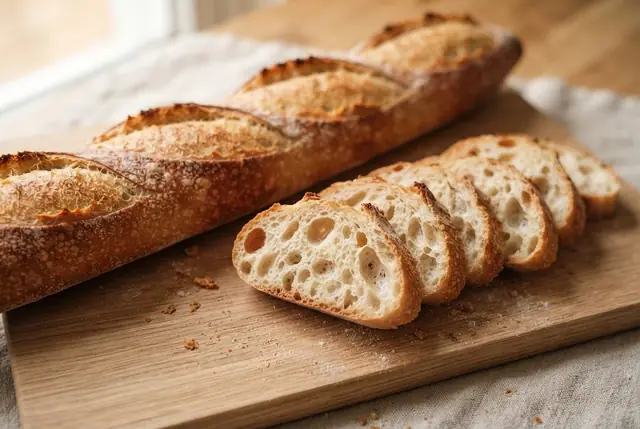
A sourdough starter is a live culture of wild yeast and lactic acid bacteria. The yeast makes the bread rise; the bacteria produce lactic and acetic acid during a long fermentation. That slow ferment is where the flavor, the chew and the blistered crust come from.
- Taste
- tangy, complex, faintly nutty
- Texture
- chewy crumb, thick crackling crust
- Look
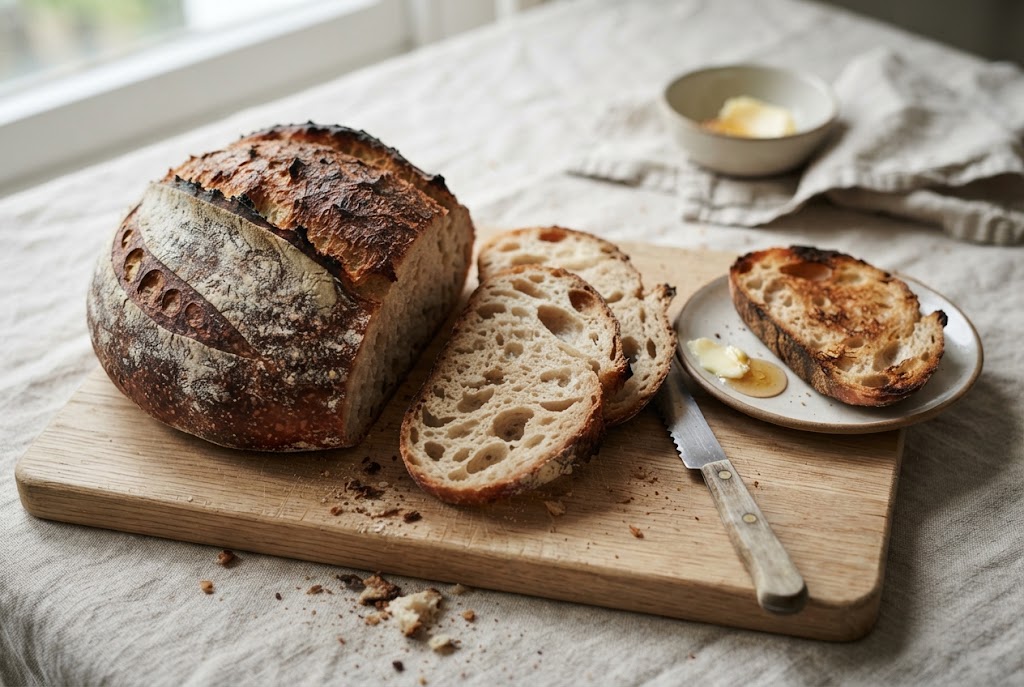
- dark burnished crust, blistered surface, irregular open holes
Acid is the mechanism, and it's the reason sourdough earns a place next to a baguette rather than replacing it. Fat coats your tongue; acid strips it. A bite of rich cheese on sourdough resets your palate on the way down.
What it pairs with — and why
| Pair it with | Why it works |
|---|---|
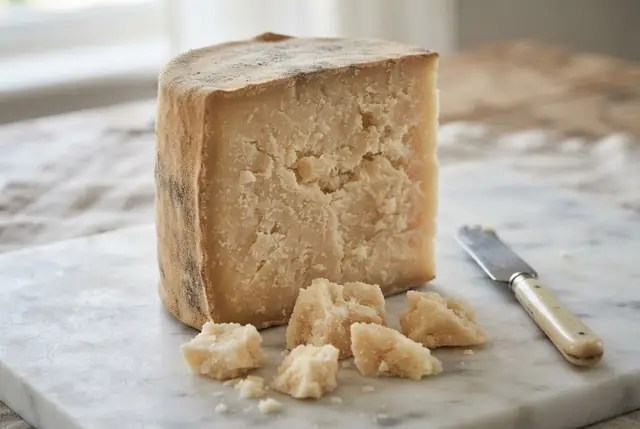
| Aged cheddar | Textbook acid-versus-fat. The bread's tang does what an apple slice does, but structurally. |
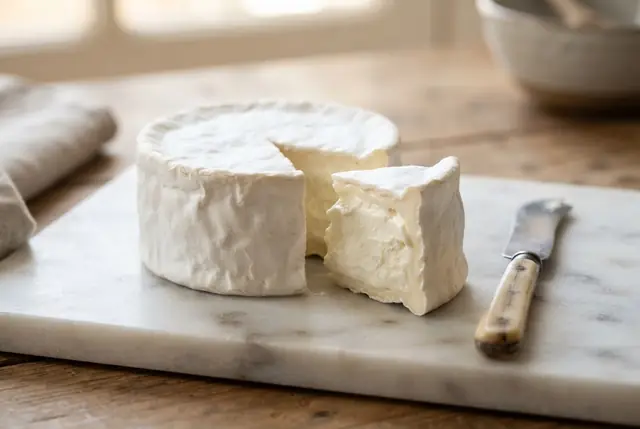
| Triple-crème and washed-rind cheese | The richer and funkier the cheese, the more the acid earns its place. |
| Cultured butter and flaky salt | Sour, creamy, salty. Nothing else needed, and people always go back for more. |
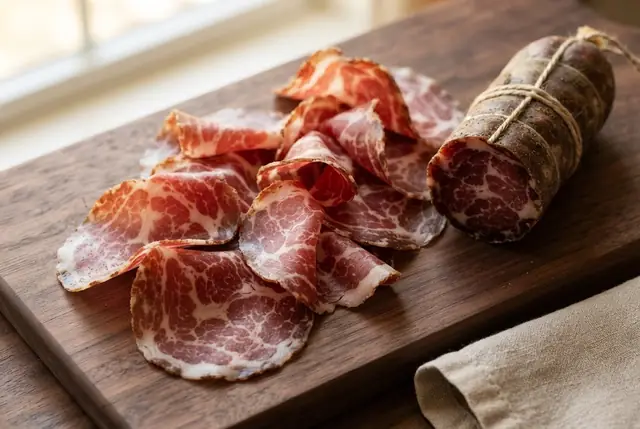
| Prosciutto and coppa | Rendered fat plus salt, cut by acid. The same logic as a good sandwich. |
| Ripe tomato and olive oil | The bread's acidity meets the tomato's. They amplify rather than cancel. |
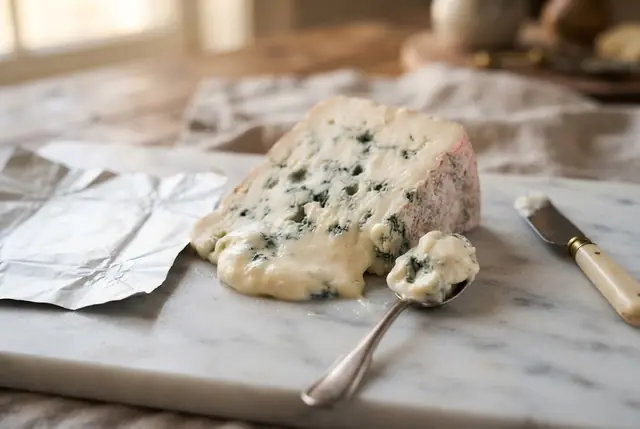
| Blue cheese with honey | Sour bread keeps the honey from taking over and gives the blue somewhere to land. |
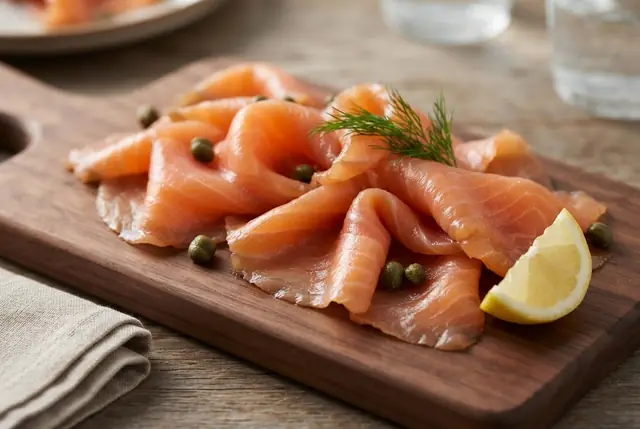
| Smoked salmon | Sour and smoky is a permanent pairing. Rye-heavy sourdough is even better here. |
Skip it with: pickled and vinegared things — cornichons, giardiniera, pickled onions. That's acid on acid, and it flattens both. Delicate fresh cheeses also lose the argument.
How to prep it for the board
- Tear it, don't slice it. Sourdough's irregular crumb looks best torn, and torn edges hold spreads better than cut ones.
- Cut pieces small — roughly two bites. A whole slice on a board is a sandwich, not a bite.
- Serve 2–3 pieces per person. It's dense and much more filling than a baguette.
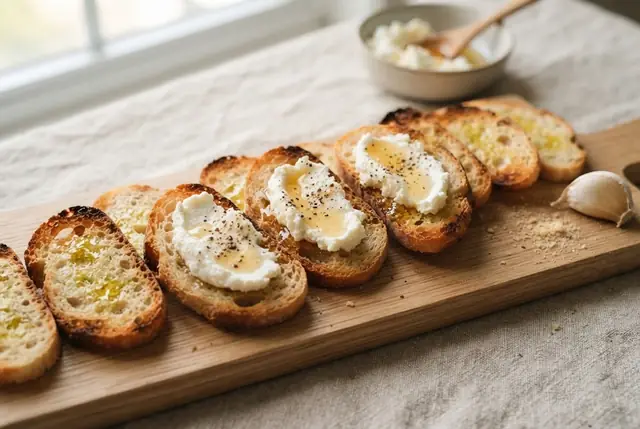
- Put half out toasted, half plain. Two textures from one loaf, at no extra cost.
- Place it near the richest cheese — that's where the acid does its work.
- Fix: stale sourdough makes better crostini than fresh does. Slice thin, oil, and bake at 375°F for 10–12 minutes.
What to buy
| Product | Where | Notes |
|---|---|---|
| Local bakery country loaf | Neighborhood bakery, farmers market | Genuinely the best. Ask if it's naturally leavened. |
| In-store bakery sourdough | Whole Foods, Wegmans, Publix | Quality varies a lot by store. Worth trying once. |
| Boudin Sourdough | West Coast grocery, Boudin bakeries | San Francisco style, reliably sour. |
| La Brea Bakery Sourdough Loaf | Most grocery stores | Widely available and consistent. |
| Trader Joe's sourdough loaves | Trader Joe's | Good value. Read the ingredients — not all of their loaves are naturally leavened. |
Label check: this is the one category where the label matters most. Real sourdough lists flour, water, salt and starter or culture. If you see commercial yeast plus "sourdough flavor," vinegar or citric acid, it's ordinary bread wearing the name.
Skip: packaged sliced sandwich sourdough. It's soft, square and has none of the acid you're buying the bread for.
Quick FAQ
How do I know if supermarket sourdough is real?
Read the ingredients. Real sourdough has no commercial yeast and no added acids. A dense, chewy crumb and a thick dark crust are good signs.
Sourdough or baguette — which should I buy?
Baguette for soft and delicate cheeses, sourdough for rich and aged ones. If the board leans rich, sourdough.
How much do I need?
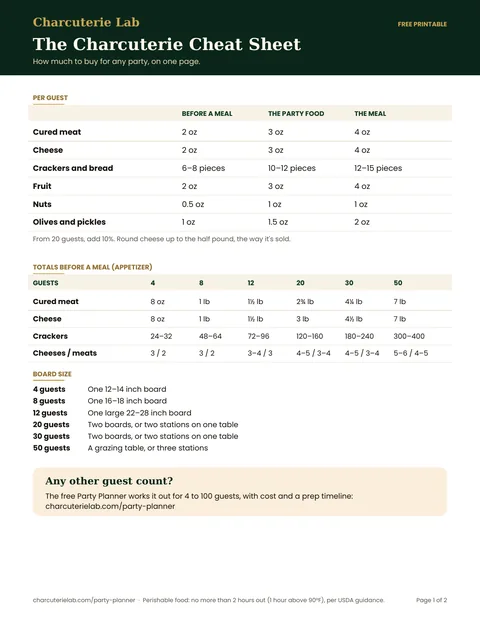
2–3 torn pieces per person. Half a small loaf covers six people alongside crackers.
Is sourdough easier to digest?
Long fermentation breaks down some gluten and phytic acid, and some people find it sits better. It is not gluten-free and is unsafe for celiac disease.
Can I use day-old sourdough?
Yes — toast it or turn it into crostini. Day-old sourdough is better toasted than fresh sourdough is.