The short version
The sharp one. Dijon is smooth, hotter than whole grain, and made with white wine or verjuice instead of plain vinegar, which gives it a cleaner acidity. Where whole grain adds texture, Dijon adds heat — a thin smear under a slice of ham does more than a spoonful of anything else.
What it is
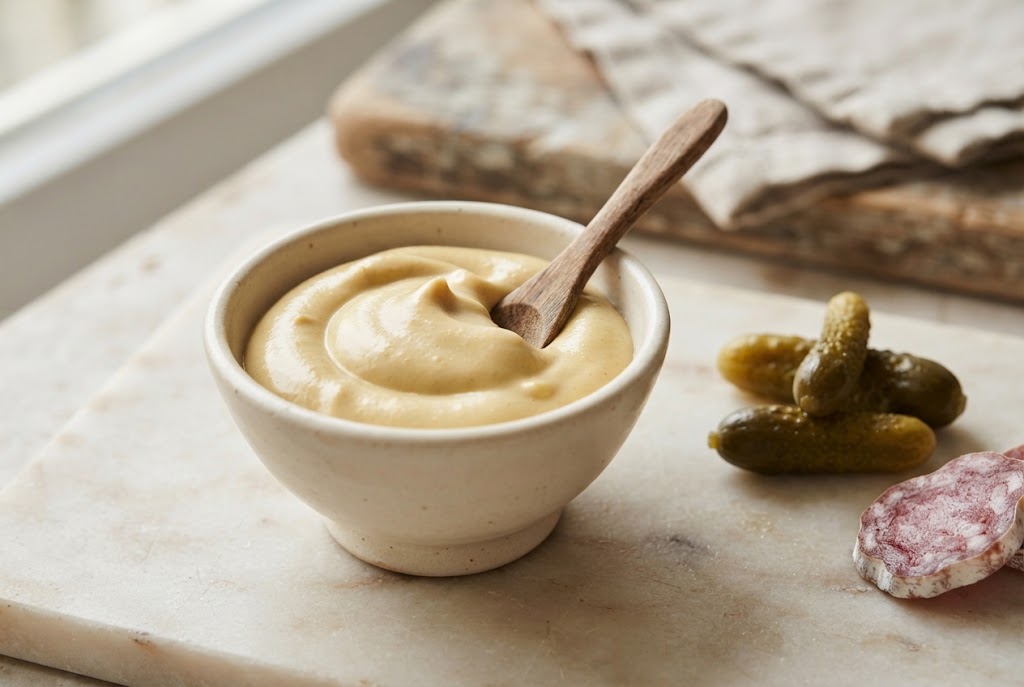
Brown mustard seeds ground fine and mixed with white wine, verjuice or wine vinegar. The name is a style, not a protected origin — most "Dijon" mustard is not made in Dijon. Heat comes from compounds that form when the seed meets liquid and fade steadily after opening.
- Taste
- sharp, hot, clean, with a wine edge
- Texture
- smooth and creamy, spreads thin
- Look
- pale yellow-beige, matte
The mechanism is volatile heat. Dijon's pungency comes from allyl isothiocyanate, the same compound as horseradish and wasabi — it hits the nose rather than the tongue and clears immediately. That short, sharp burst is what makes it work as an undercoat: it cuts fat and then gets out of the way.
What it pairs with — and why
| Pair it with | Why it works |
|---|---|
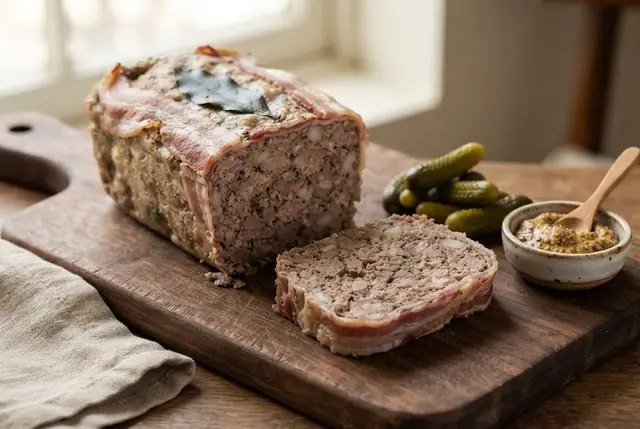
| Pâté and terrines | The classical service. Rich liver fat needs sharp acid and heat, and Dijon supplies both without texture getting in the way. |
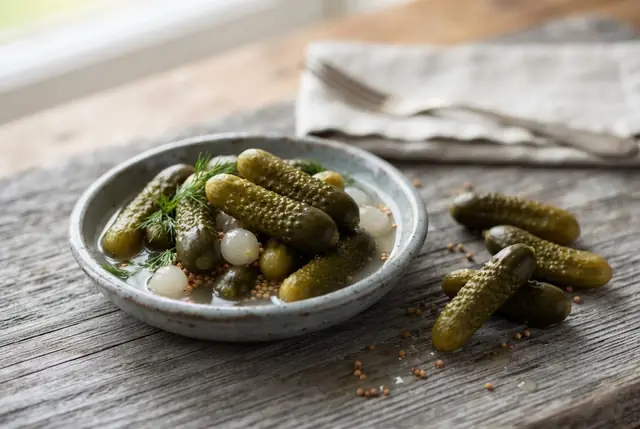
| Cornichons | Sold together, served together. Two acids at different intensities. |
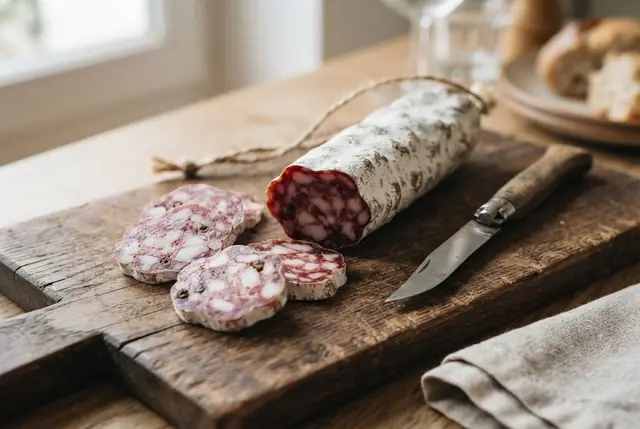
| Saucisson sec and dry salami | Fat and salt cut by a clean burst of heat. |
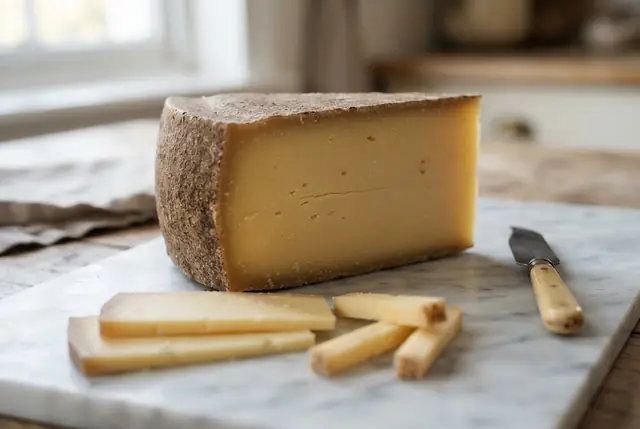
| Gruyère and alpine cheese | Nutty, sweet, dense cheese with a sharp mustard is the ham-and-cheese logic without the ham. |
| Black forest ham | Smoke and salt against wine-sharp heat. |
| Baguette | Spread thin. The base for everything above. |
Skip it with: fresh delicate cheeses and anything sweet you want to taste. Dijon dominates.
How to prep it for the board
- Decant into a small bowl with a small spoon or spreader.
- Serve 0.25 oz per person. A little goes a long way.
- Spread it thin, not spooned in a lump — that's the difference between it working and it burning.
- Buy a fresh jar for a board. An open jar six months old has lost most of its heat.
- Put it beside the pâté and the meat.
- Put out whole grain too if the board is meat-heavy. They do different jobs.
- Fix: too hot? Stir in a little crème fraîche or honey.
What to buy
| Product | Where | Notes |
|---|---|---|
| Maille Dijon originale | Any grocery | The standard. Sharp, consistent, cheap. |
| Edmond Fallot Dijon | Specialty, cheese shops | Stone-ground in Burgundy. Noticeably better. |
| Amora Dijon | French delis | The everyday French supermarket brand. Very sharp. |
| Tarragon or green peppercorn Dijon | Specialty | Flavoured versions. Good with pâté. |
| Honey Dijon | Any grocery | Sweetened. Softer, and better with ham than with pâté. |
Label check: the ingredients should include white wine or wine vinegar rather than distilled vinegar alone. Buy the smallest jar you'll use.
Skip: anything that's been open for months. Mustard doesn't spoil, but flat mustard is pointless.
Ranked picks: our top-rated mustard is Maille Old Style Whole Grain Mustard (4.8 out of 5), and the best value is Grey Poupon Harvest Coarse Ground. See the full ranking of the best mustard.
Quick FAQ
What's the difference between Dijon and whole grain mustard?
Dijon is smooth, sharper and hotter, made with wine. Whole grain has intact seeds that add texture and is milder.
Is Dijon mustard actually from Dijon?
Usually not. It's a style, not a protected origin — most jars are made elsewhere.
Why does my mustard taste weak?
It's old. Mustard's heat is volatile and fades within months of opening.
What goes with Dijon on a board?
Pâté and terrines above all, plus cured salami, cornichons, gruyère, and ham.
How much per person?
About a quarter-ounce, spread thin rather than spooned.