The short version
Mackerel is the tin everyone walks past on the way to the sardines, and it is better value than almost anything else in the aisle. The flesh is rich and genuinely meaty, it costs two or three dollars, and it is the right anchor for a tinned-fish board where good conservas would run to fifty. It needs acid beside it and almost nothing else.
What it is
Mackerel fillets, cooked and packed in olive oil, sunflower oil, brine or tomato sauce. Because mackerel is a very oily fish, tinning suits it — the flesh stays moist and holds together where leaner fish shreds.
- Taste
- rich, savoury and clearly of the sea, with a long oily finish
- Texture
- firm, flaking into large meaty pieces
- Look
- pale grey-brown fillets, sometimes with dark silver skin
The mechanism is fat carrying flavour. Mackerel is around 15 percent fat in season, several times an average white fish, and oil is where fish flavour lives. That richness is why the fish reads as substantial — closer to pâté than to tuna — and why it demands something sharp beside it rather than something creamy.
What it pairs with — and why
| Pair it with | Why it works |
|---|---|
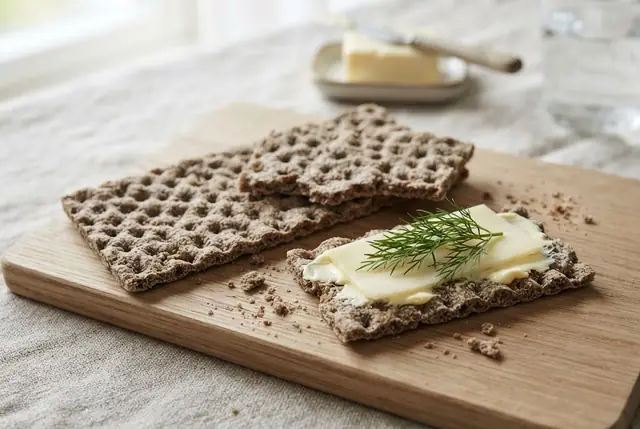
| Rye crispbread | Dense, sour and structural. The northern European answer, and it does not go soggy. |
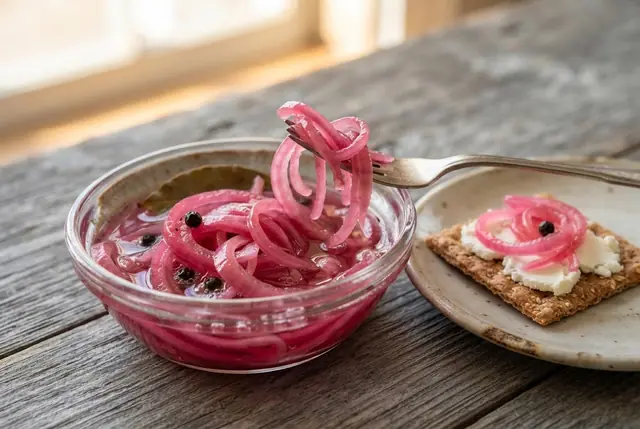
| Pickled red onions | Sharp and sweet against oil and salt. The single best thing you can put next to it. |
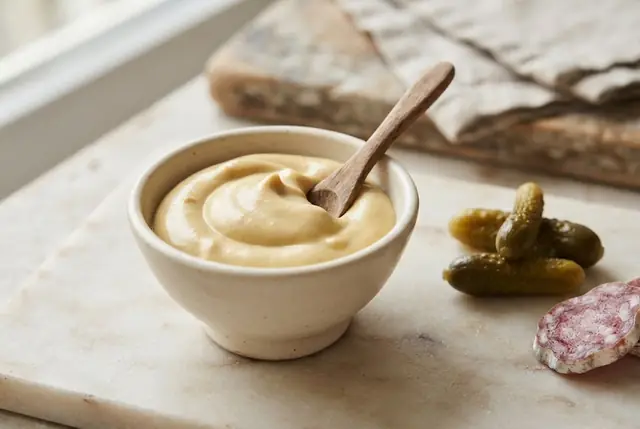
| Dijon mustard | Mustard and oily fish is a rule, not a suggestion. A smear on the bread first. |
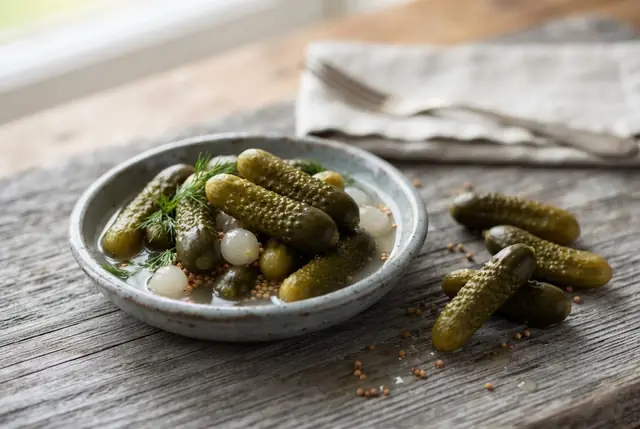
| Cornichons | Small, sour and crunchy. Same job as the onions with more texture. |
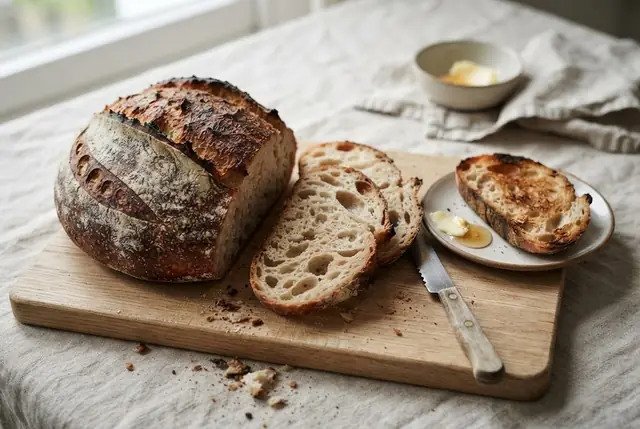
| Sourdough | Toasted, rubbed with garlic, oil over the top. Turns a tin into a dish. |
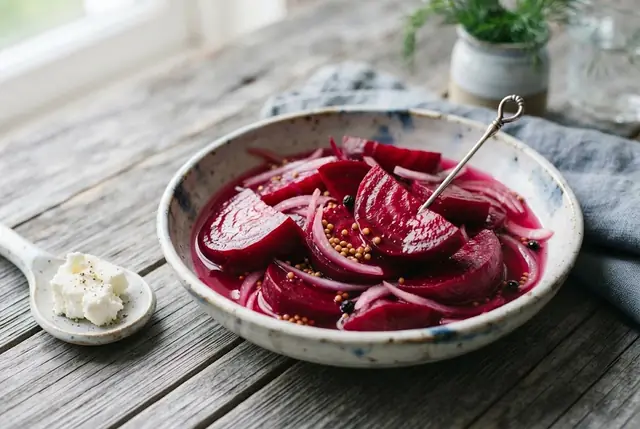
| Pickled beets | Earth and sweetness beside oil and salt. The Nordic board in two items. |
Skip it with: delicate cheese and sweet preserves. Mackerel is loud and needs acid, not sugar.
How to prep it for the board
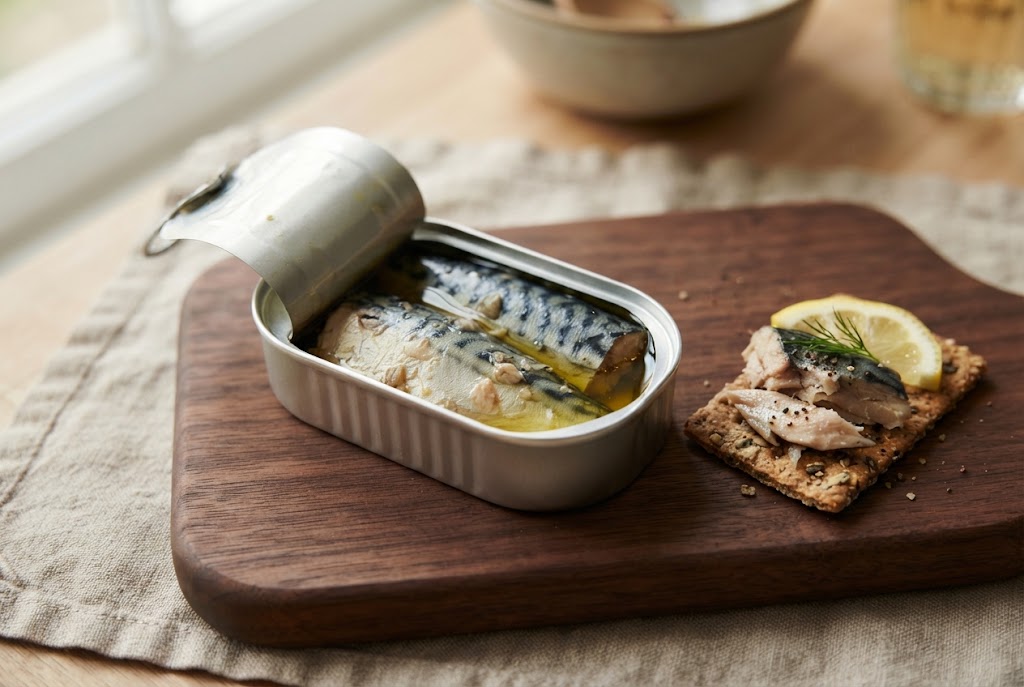
- Open the tin at the table if the tin looks good. Conservas are meant to be seen.
- Otherwise lift the fillets onto a small plate, keeping them whole.
- Spoon a little of the packing oil over them.
- Add acid immediately — lemon, pickled onion, capers.
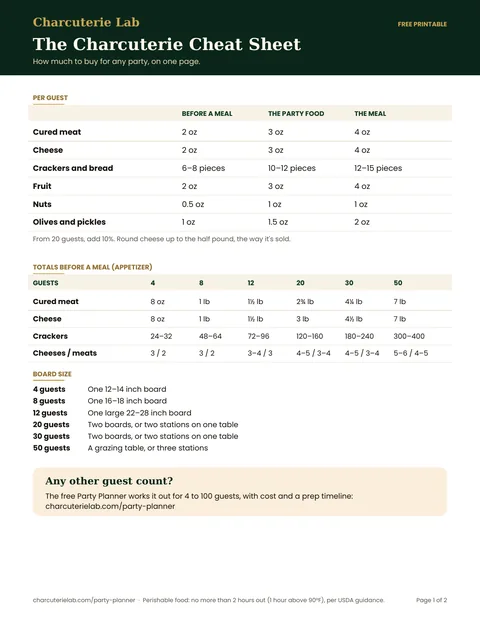
- Serve 1.5 oz per person.
- Give it a plate, not the board. The oil travels.
- Fix: too strong for the table? Flake it, fold it into cream cheese or labneh with lemon and pepper, and it becomes a mild spread everyone will eat.
What to buy
| Product | Where | Notes |
|---|---|---|
| Mackerel fillets in olive oil | Any grocery, Spanish and Portuguese delis | The default and the best board choice. |
| Spanish or Portuguese conservas | Specialty, Iberian delis | Better fish, better oil, prettier tin. Still under ten dollars. |
| Smoked mackerel fillets | Refrigerated fish counter | Not tinned, and excellent. Peppered versions especially. |
| Mackerel in tomato sauce | Any grocery | Cheap and good, but messy on a board. Use a bowl. |
| Mackerel in escabeche | Spanish delis | Already carries the vinegar. The easiest option of all. |
Label check: olive oil rather than sunflower oil, and fillets rather than chunks.
Skip: water-packed tins for board use. They are for cooking.
Quick FAQ
Does tinned mackerel taste very fishy?
It is stronger than tuna and milder than anchovy. Olive-oil-packed fillets are the mildest; smoked and tomato-packed are louder.
Which tin should I buy for a board?
Skinless boneless fillets in olive oil. They look best on a board and need nothing done to them.
Is tinned mackerel healthy?
It is one of the highest omega-3 fish there is, and cheap. It is also high in salt, which is worth knowing.
What do you serve with it?
Rye bread, mustard, pickled onions and something sharp. It needs acid beside it.
How much per person?
About an ounce and a half, or half a small tin.