The short version
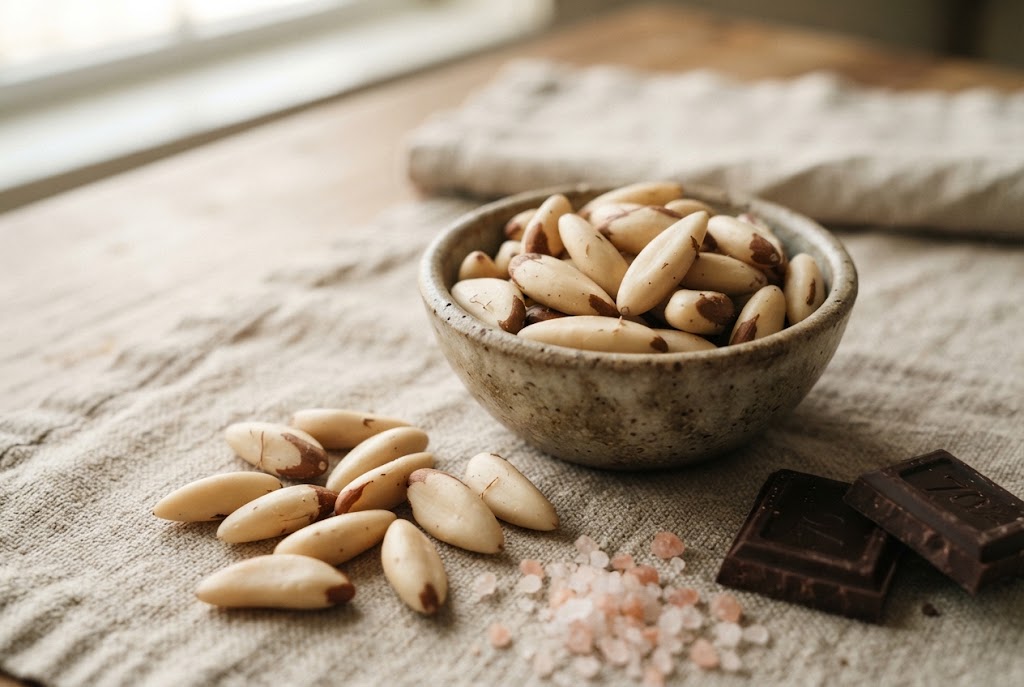
A long, ivory nut from the Philippines that's richer and more buttery than a macadamia. Raw or sprouted ones are so soft they almost melt; roasted ones snap. They're expensive and unusual, so a small bowl on a board gets noticed, and they're one of the best nuts for a keto spread.
What it is
Pili nuts come from the pili tree (Canarium ovatum), which grows mainly in the Bicol region of the Philippines, in volcanic soil around Mount Mayon. The nut sits inside a hard, pointed shell inside a fleshy fruit. Most pili is harvested from wild or smallholder trees and cracked by hand, then sold raw, sprouted, roasted or flavored.
- Taste
- mild, buttery, faintly sweet, with a hint of pumpkin seed
- Texture
- soft and melting when sprouted; crisp and delicate when roasted
- Look
- long teardrop-shaped ivory kernels
Fat is the mechanism. Pili nuts are roughly 70 percent fat, higher than almost any other nut, and very low in carbohydrate. That fat is mostly monounsaturated and stays soft at room temperature, so the nut melts on the tongue instead of crunching. It also carries flavor, so pili picks up salt, spice or chocolate easily.
What it pairs with — and why
| Pair it with | Why it works |
|---|---|
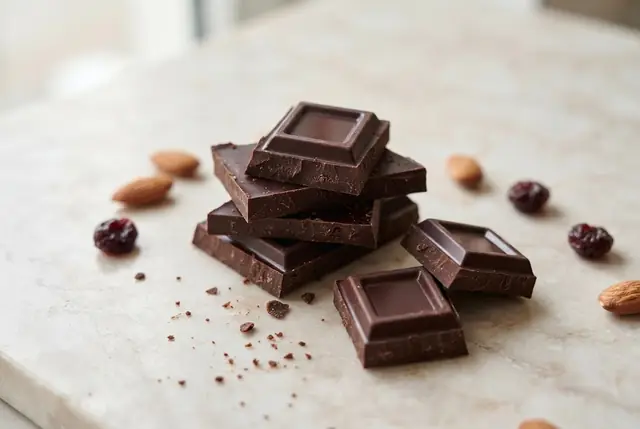
| Dark chocolate | Bitter cocoa against butter-rich nut, like a high-end candy bar. |
| Dried mango | A Philippine pairing. Tropical sweetness and chew. |
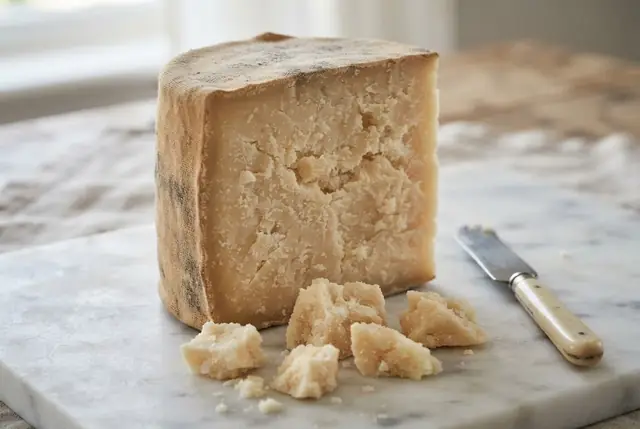
| Aged cheddar | Sharp, crumbly cheese against soft, rich nut. |
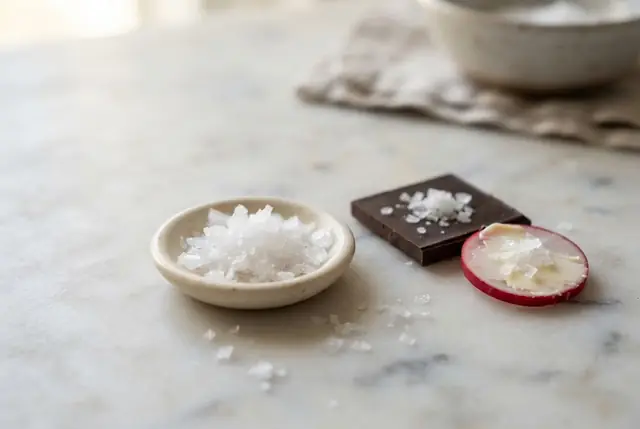
| Flaky sea salt | A pinch makes the butter flavor pop. |
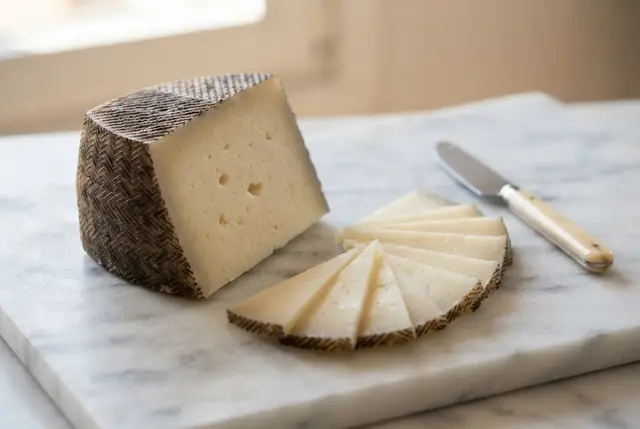
| Manchego | Nutty sheep's milk cheese that echoes the nut. |
| Coconut water, a hazy IPA or an off-dry Riesling | Tropical fruit notes to match. |
Skip it with: macadamias in the same bowl. They're both buttery and mild, so guests won't tell them apart and you lose the novelty.
How to prep it for the board
- Choose your style. Sprouted for soft and melting, roasted and salted for crunch.
- Toast plain roasted pili for 3 minutes in a dry pan if they've been open a while.
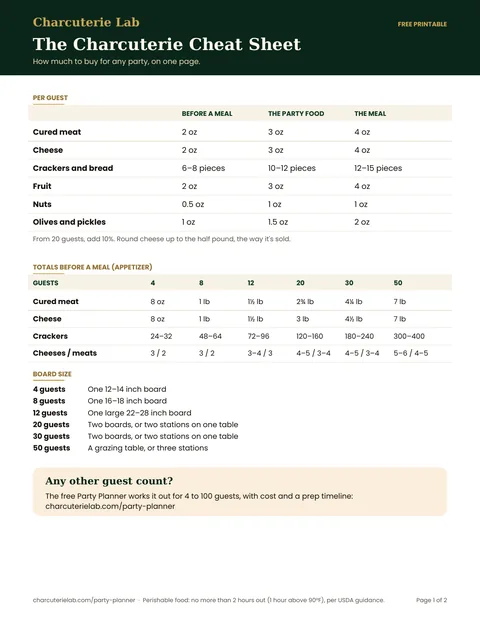
- Serve about 0.5 oz per person. They're rich and pricey.
- Put them in a small dish, not scattered. They're expensive and you want guests to notice them.
- Place them beside the dark chocolate in the sweet corner, or by the cheddar on a savory board.
- Fix: if sprouted pili have gone soft and limp, 5 minutes in a 300°F oven crisps them.
What to buy
| Product | Where | Notes |
|---|---|---|
| Pili Hunters Sprouted Pili Nuts | Whole Foods, Walmart online, Amazon | The best-known brand. Several flavors. |
| Pili Hunters, lightly salted flavor | Grocery, eatpilinuts.com | A salted sprouted pili is the best one for a board. |
| Pili Hunters cacao-dusted pili | Grocery, Amazon | Ready-made for the dessert corner. |
| Roasted pili nuts, bulk | Filipino markets, online | Cheaper per ounce. Check freshness. |
| Macadamia nuts | Any grocery store | The easier-to-find buttery nut. See its own page. |
Label check: "pili nuts" and the Philippines as origin. Sprouted or raw pili should smell sweet, not sharp.
Skip: buying a big bag ahead. The high fat makes them go rancid faster than most nuts once opened.
Quick FAQ
What are pili nuts?
The seeds of the pili tree, which grows in the volcanic soil of the Philippines. They're long, teardrop-shaped and very high in fat.
What do pili nuts taste like?
Mild and buttery, a bit like a macadamia crossed with a sunflower seed. Sprouted ones are soft; roasted ones are crunchy.
Are pili nuts keto?
Yes. They're among the highest-fat, lowest-carb nuts, which is why keto shoppers like them.
Why are they expensive?
They're mostly wild-harvested and cracked by hand from a very hard shell.
Are pili nuts a tree nut allergen?
Yes. Treat them as a tree nut and keep them away from guests with nut allergies.