The short version
Pine nuts are a finishing ingredient, not a bowl of nuts. Toasted and scattered over goat cheese, burrata or ricotta, they add a soft resinous crunch that nothing else provides. Buy Mediterranean (Italian, Spanish, Turkish) rather than Chinese if the budget allows — the flavour is much better and there's no risk of "pine mouth".
What it is
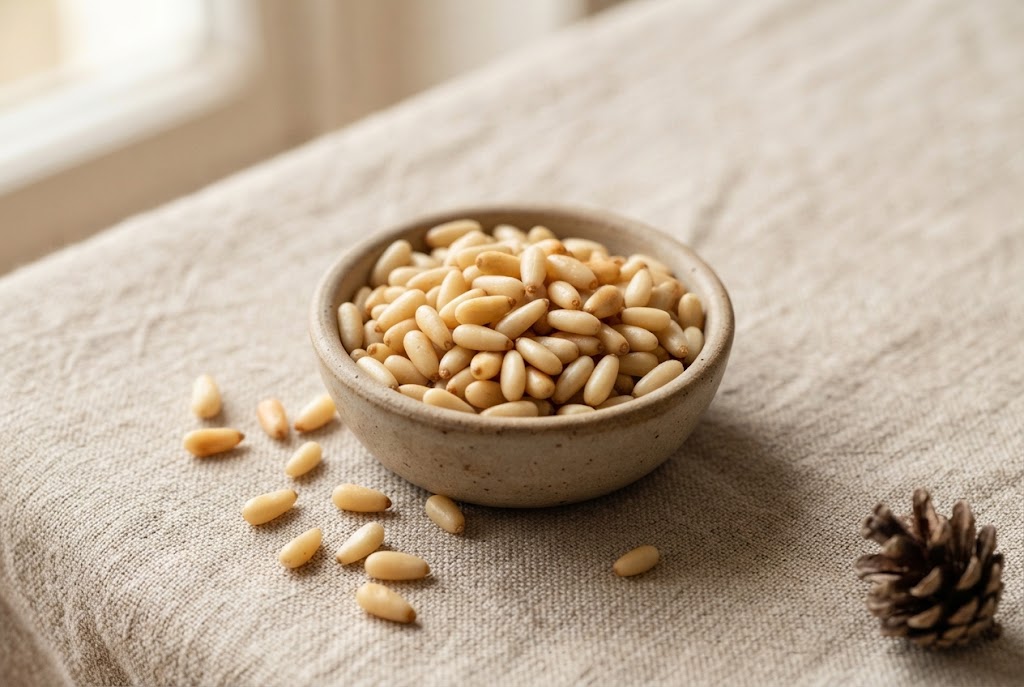
The seed of certain pine species, extracted from cones by hand — which is why they're among the most expensive things by weight in any grocery store. The Mediterranean stone pine gives long, slim, sweet seeds; Chinese and Korean pines give shorter, fatter, more resinous ones.
- Taste
- sweet, buttery, resinous, faintly piney
- Texture
- soft-crisp, waxy, almost creamy when toasted
- Look
- small ivory teardrops
The mechanism is texture at small scale. A pine nut is too soft to be a crunch element and too expensive to serve loose, but scattered over a soft cheese it gives every spoonful a small point of resistance — the same job breadcrumbs do in Italian cooking.
What it pairs with — and why
| Pair it with | Why it works |
|---|---|
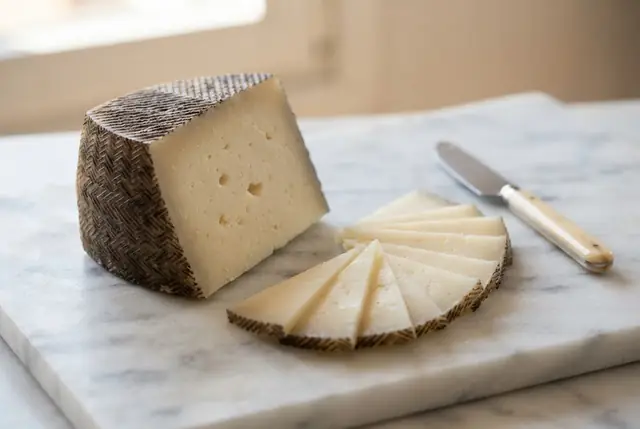
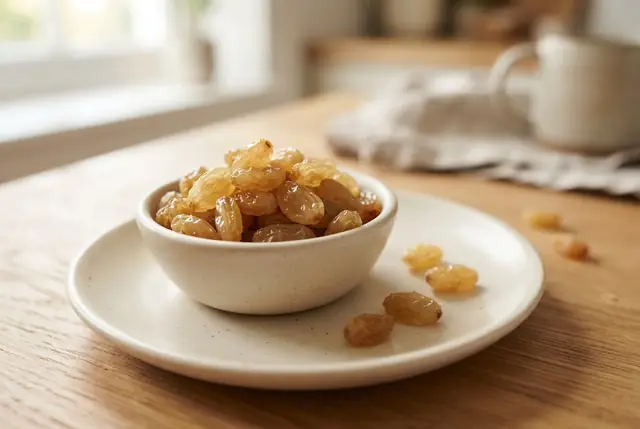
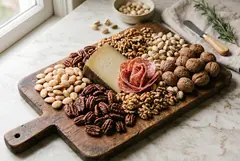
| Manchego and golden raisins | The Spanish trio. Sheep cheese, sweet raisin, resinous nut — a fixed tapa. |
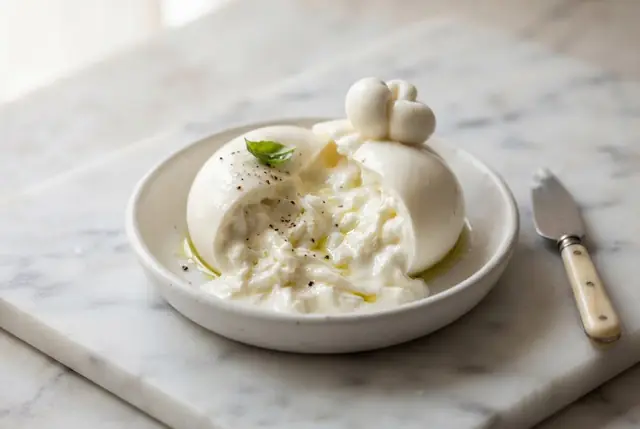
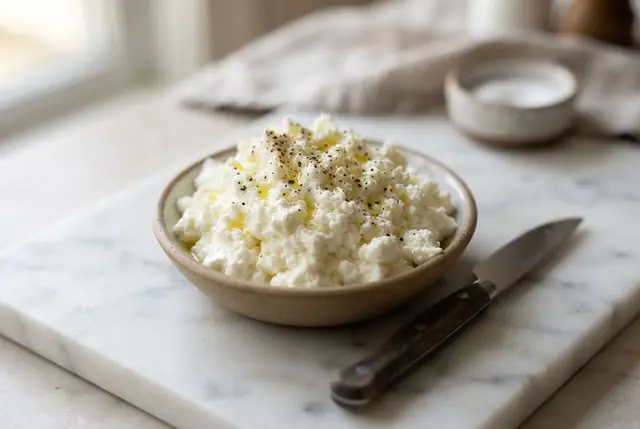
| Burrata | Scatter over the top with olive oil and salt. Texture in an otherwise texture-free ingredient. |
| Fresh ricotta | Same logic. With honey it becomes a dessert; with salt and oil it stays savoury. |
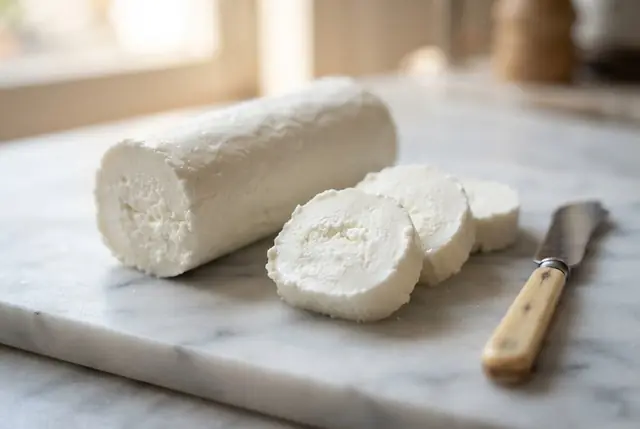
| Fresh goat cheese | Roll or scatter. The nut's sweetness balances the tang. |
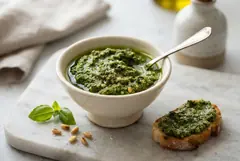
| Basil and pesto flavours | If the board leans Italian, pine nuts tie it together. |
| Raisins and currants | Sicilian cooking pairs them constantly, for good reason. |
Skip it with: anything strongly smoked or aggressively salty. The flavour is delicate and gets lost.
How to prep it for the board
- Toast in a dry pan, not the oven. Two to three minutes over medium, shaking constantly. They burn in seconds.
- Tip them out of the pan immediately. Residual heat will take them from golden to black.
- Scatter, don't serve loose. They go over the cheese, not in a bowl.
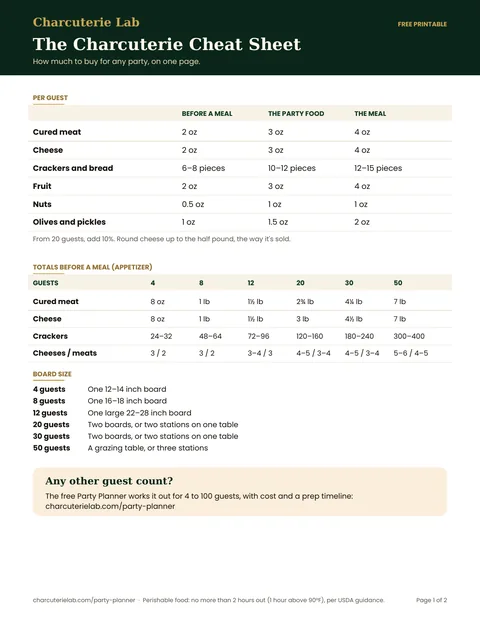
- Use 0.25 oz per person — a tablespoon covers a whole burrata.
- Buy small quantities. The oil content means they spoil quickly.
- Store in the freezer.
- Fix: a lingering metallic taste days later is "pine mouth", associated with certain Chinese pine species. Harmless and temporary, but buy Mediterranean to avoid it.
What to buy
| Product | Where | Notes |
|---|---|---|
| Italian or Spanish pine nuts | Italian delis, specialty, online | Long, slim, sweet. The best flavour, and the highest price. |
| Turkish pine nuts | Middle Eastern markets | Very good and cheaper than Italian. The best value in the category. |
| Chinese pine nuts | Any grocery, Trader Joe's | Short and fat, more resinous, much cheaper. Occasionally cause pine mouth. |
| Frozen pine nuts | Trader Joe's, Costco | Sold frozen for a reason. Fresher than the shelf-stable ones. |
Label check: look at the shape. Long and slim means Mediterranean; short and stubby means Asian. Country of origin is often on the back in small print.
Skip: anything that smells at all sharp, and bags that have been sitting in a warm aisle.
Quick FAQ
Do I need to toast pine nuts?
Yes. Two to three minutes in a dry pan, shaking constantly. They burn faster than any other nut.
Why are pine nuts so expensive?
They're extracted from pine cones largely by hand, and the trees take decades to produce.
What is "pine mouth"?
A lingering metallic taste that some people get days after eating certain Chinese pine nut species. Harmless and temporary. Mediterranean pine nuts don't cause it.
How do I use pine nuts on a board?
Toasted and scattered over soft cheese — burrata, ricotta, goat cheese — rather than served loose in a bowl.
How should I store them?
In the freezer. They're very high in oil and spoil quickly.