The short version
The single highest-return thing in this whole section. A pinch of flaky salt over burrata, over honey-drizzled cheese, over dark chocolate — it doesn't just make things saltier, it makes them taste more like themselves. One box lasts a year and costs less than a wedge of cheese.
What it is
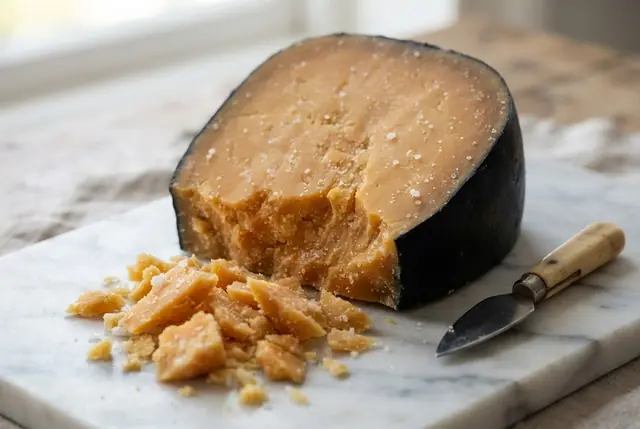
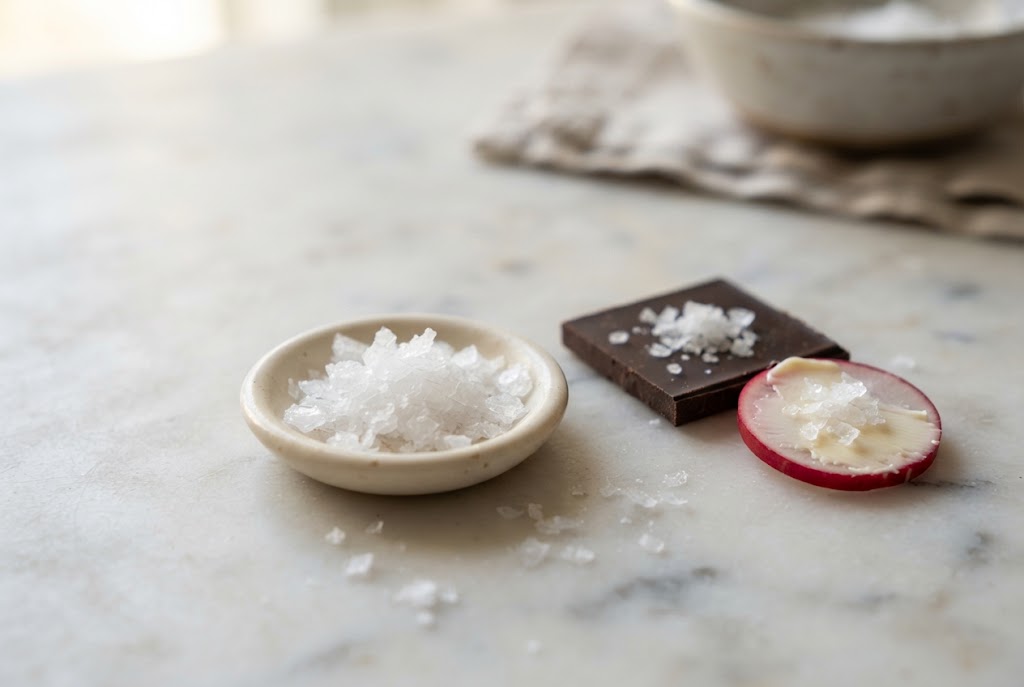
Sea salt crystallised into thin, hollow pyramid flakes rather than dense cubes. Maldon is the reference; Halen Môn, Jacobsen and fleur de sel are the other names to know. What matters is the shape — flakes dissolve slowly and crunch audibly, which table salt never does.
- Taste
- clean salinity, no bitterness or metallic edge
- Texture
- crisp flakes that crunch, then dissolve
- Look
- white pyramid flakes, translucent at the edges
The mechanism is delayed dissolution. A dense salt crystal dissolves instantly and you register uniform saltiness. A flake sits on the surface and dissolves as you chew, so you get a burst of salt separate from the food it's on — which reads as seasoning rather than as salted food. That contrast is why it works on sweet things too.
What it pairs with — and why
| Pair it with | Why it works |
|---|---|
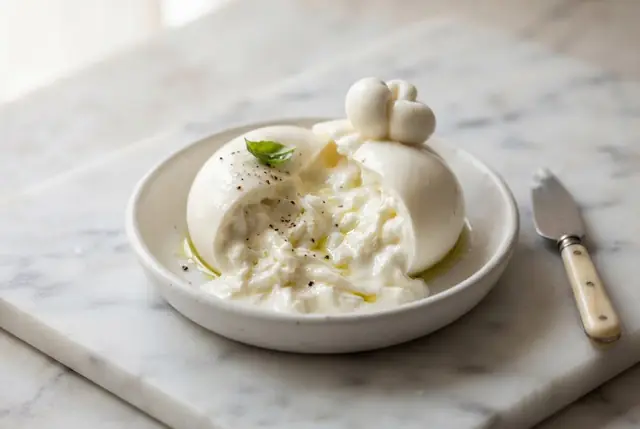
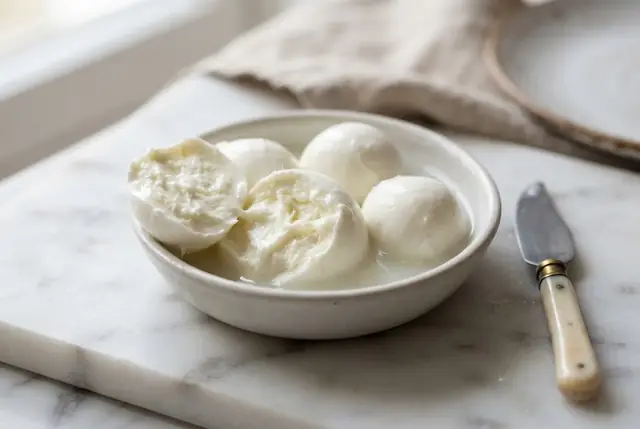
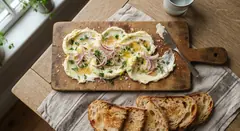
| Burrata and fresh mozzarella | Both are almost unseasoned by design. Salt and olive oil are what turn them from an ingredient into a dish. |
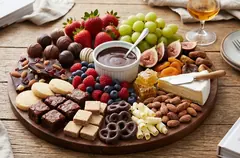
| Honey drizzled on cheese | Salt suppresses the perception of sweetness slightly and sharpens everything around it. The best three-second upgrade on any board. |
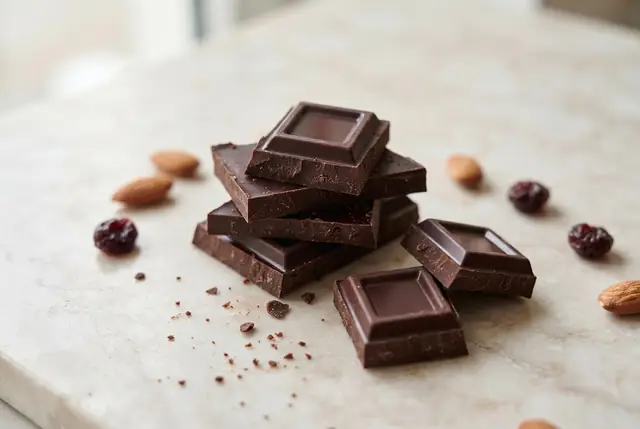
| Dark chocolate | Salt on chocolate is a fixed pairing because it cuts bitterness and amplifies cocoa. |
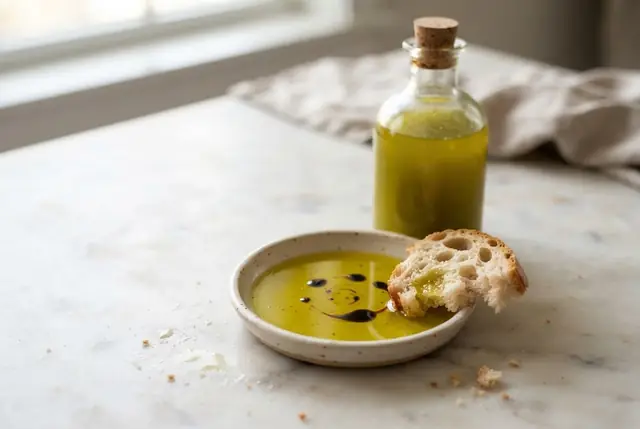
| Olive oil | Oil, salt, bread. The Mediterranean's simplest plate. |
| Sliced tomatoes and fruit | Salt draws out sweetness and moisture. Try it on melon or peach. |
| Caramel and dessert boards | Salted caramel exists for the same reason. |
Skip it with: already very salty things — cured meat, aged cheese, olives, anchovies. They don't need it.
How to prep it for the board
- Put a small dish of it out with the board, so guests can use it themselves.
- Pinch it between fingers and scatter from six inches up — this distributes it evenly rather than dropping a clump.
- Finish the burrata yourself before serving. It's the demonstration.
- Never grind it. Flaky salt in a grinder is just salt.
- Add it last, right before the board goes out. It dissolves on wet surfaces within minutes.
- Keep the box dry. Humidity turns flakes into a solid brick.
- Fix: clumped? Break it up with the back of a spoon. It still works.
What to buy
| Product | Where | Notes |
|---|---|---|
| Maldon sea salt flakes | Any grocery, specialty | The reference. Large pyramid flakes, clean flavour. Buy the box. |
| Fleur de sel | French delis, specialty | Finer, moister, more mineral. The French finishing salt. |
| Jacobsen or Halen Môn | Specialty, online | Excellent regional producers. Worth trying. |
| Smoked sea salt | Specialty | Real smoke. Good on cheese and eggs, wrong on chocolate. |
| Black lava or Himalayan pink salt | Specialty | Mostly visual. Fine, but a Maldon flake is better on the palate. |
Label check: you want flakes, not fine grains. "Sea salt" in a shaker is not the same product.
Skip: anything already ground, and anything with anti-caking agents.
Quick FAQ
Why use flaky salt instead of regular salt?
The flakes dissolve slowly, so you get a distinct burst of salt and a crunch rather than uniform saltiness. That contrast is what makes it a finishing salt.
What do you put flaky salt on?
Burrata, honey-drizzled cheese, dark chocolate, olive oil, and fresh fruit.
Is Maldon worth it?
Yes. It's a few dollars a box, lasts a year, and it's the most noticeable cheap upgrade you can make to a board.
Should I grind it?
No — grinding destroys the flakes and the whole point of the product.
How do I store it?
Somewhere dry, with the lid on. Humidity turns flakes into a solid block.