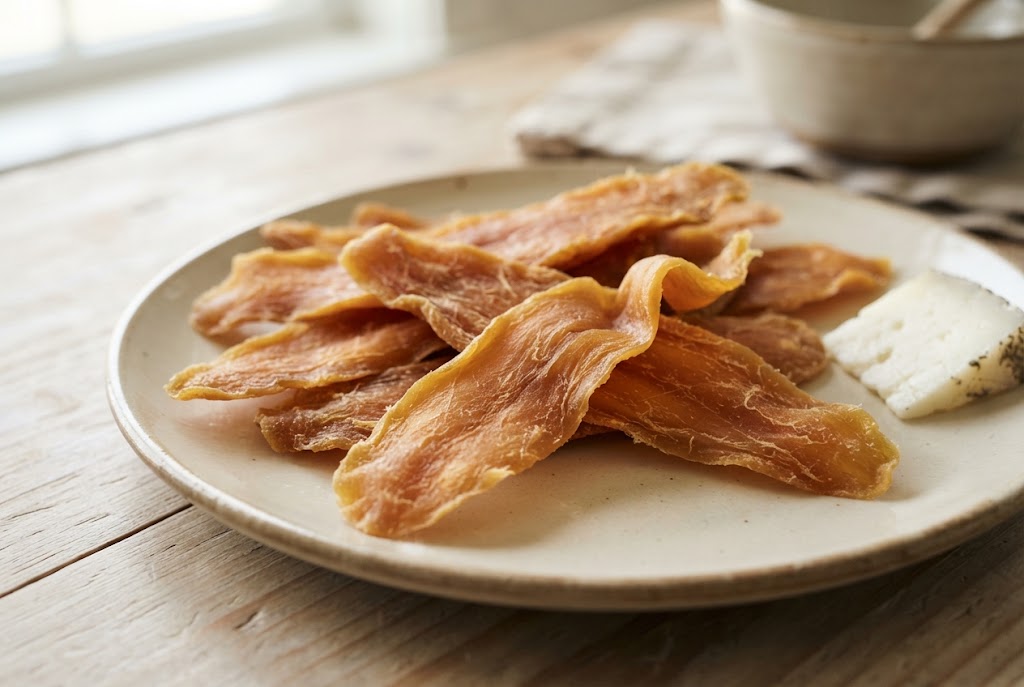
The short version
Two entirely different products share the name. Unsweetened dried mango is pale brownish-orange, leathery, and intensely tart-sweet — real fruit. The bright neon-orange sweetened strips are candy with mango flavouring. On a cheese board only the first is worth buying, though the second is genuinely good in a dessert corner.
What it is
Mango slices dried into pliable strips. Philippine dried mango (Cebu, 7D) is the famous sweetened kind; Thai and unsulphured American brands make the darker, tarter version.
- Taste
- concentrated mango — resinous, sweet, tart, faintly floral
- Texture
- chewy and leathery, sometimes fibrous
- Look
- long strips, pale amber to deep orange
The mechanism is concentration without acid loss. Dried mango keeps the fruit's distinctive resinous aroma at four or five times the intensity of fresh, which means a single strip carries a whole board. The chew also matters — it's the longest-lasting bite of anything on the board, which slows people down.
What it pairs with — and why
| Pair it with | Why it works |
|---|---|
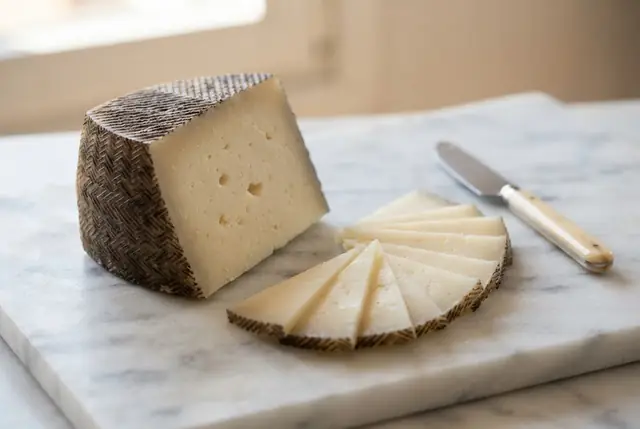
| Manchego | Nutty sheep milk against tropical resin. Odd on paper, excellent in practice. |
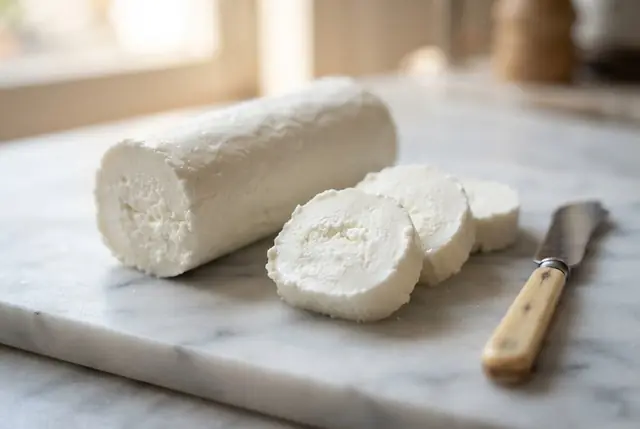
| Fresh goat cheese | Tang plus concentrated sugar; the cheese cuts the chew. |
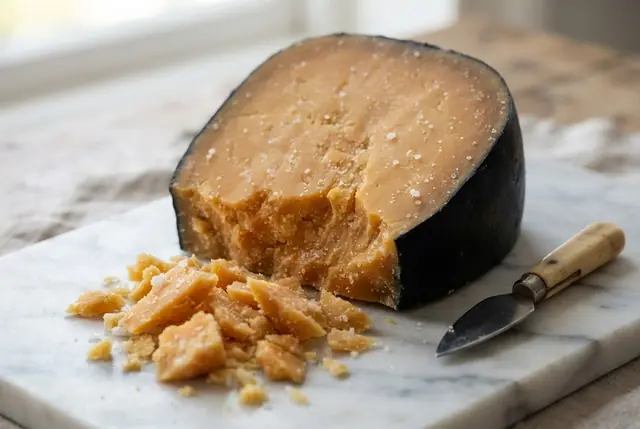
| Aged gouda | Both carry caramel; the mango adds the fruit the cheese doesn't have. |
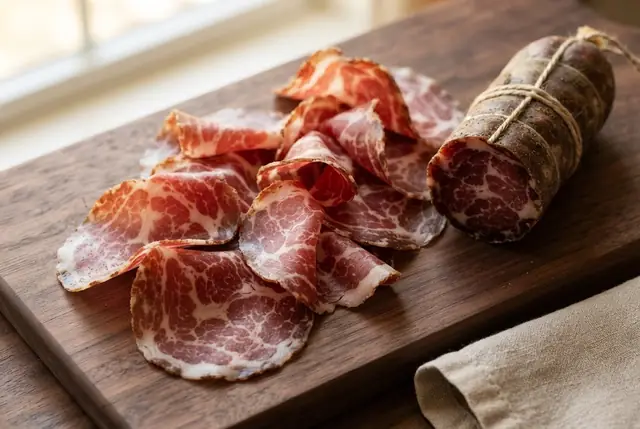
| Coppa and spicy soppressata | Chilli heat and tropical sugar, the standard hot-sweet combination. |
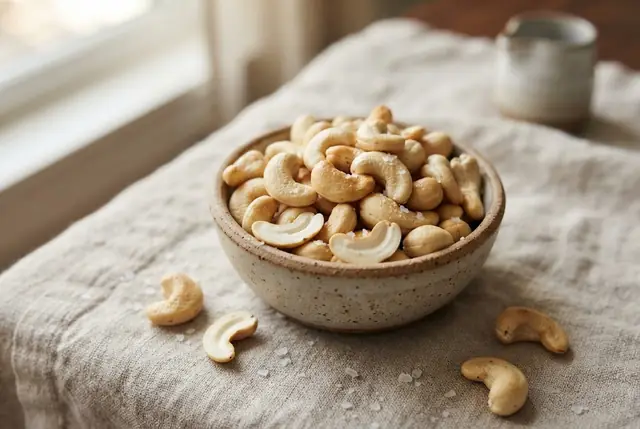
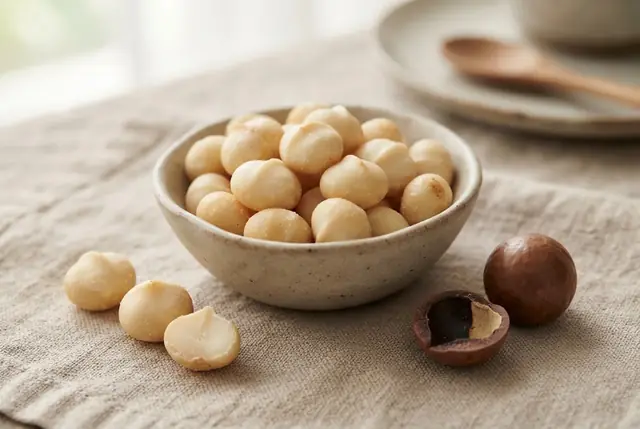
| Cashews and macadamias | Sweet mild nuts and sweet strong fruit. A tropical corner of the board. |
| Chilli-lime salt | Turns it from dried fruit into an actual snack. |
Skip it with: blue cheese. Mango's low acid can't cut the salt, and the two aromas fight.
How to prep it for the board
- Cut long strips into 2-inch pieces with scissors. Full-length strips are awkward to eat and look untidy.
- Fan the pieces rather than heaping them.
- Buy unsweetened for a cheese board; save the candied kind for a dessert board or a kids' board.
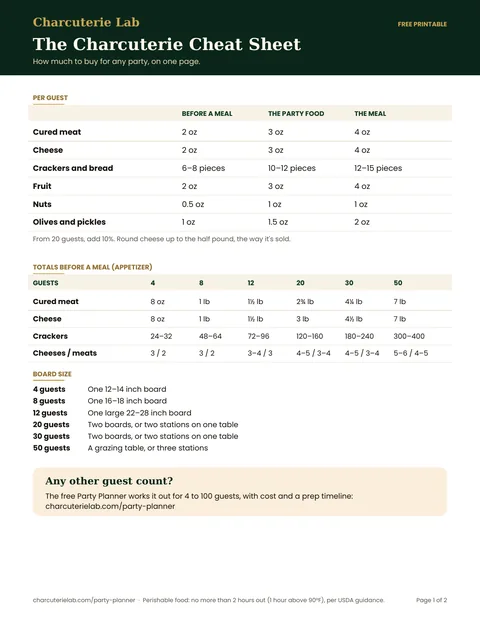
- Serve 0.5–1 oz per person.
- Store sealed. It hardens quickly once opened.
- Pair it with something crunchy — the texture is uniformly chewy and needs a counterweight.
- Fix: too tough? Snip it thinner. Soaking makes it slimy rather than soft.
What to buy
| Product | Where | Notes |
|---|---|---|
| Unsweetened dried mango | Trader Joe's, Whole Foods, bulk bins | The board version. Darker, tarter, real fruit flavour. |
| Philippine dried mango (7D, Cebu) | Asian markets, Costco | Sweetened, bright orange, hugely popular. Candy — good, but candy. |
| Thai dried mango | Asian markets | Usually a middle ground: lightly sweetened, still recognisable as fruit. |
| Freeze-dried mango | Trader Joe's, health stores | Crisp rather than chewy. Great texture contrast, disappears fast. |
Label check: ingredients should read "mango" — maybe "mango, sugar". If sugar is first, or sulphur dioxide is listed, you've got the candied kind.
Skip: anything neon orange if the goal is a cheese board rather than a dessert board.
Quick FAQ
Why is some dried mango bright orange?
It's sweetened and usually sulphured. That kind is closer to candy — good, but not what you want beside cheese.
What's the best dried mango for a charcuterie board?
Unsweetened, unsulphured — darker in colour and noticeably tarter.
How do I serve it?
Snip the long strips into 2-inch pieces with scissors and fan them out.
What cheese goes with dried mango?
Manchego, fresh goat cheese, and aged gouda. Skip blue cheese.
Is freeze-dried mango the same?
No — it's crisp rather than chewy, and it's a good texture contrast on a board that's otherwise soft.