The short version
A thick Italian flatbread dimpled with your fingers, drowned in olive oil and scattered with coarse salt. It's the richest bread you can put on a board, and the only one that's already seasoned. Cut it into cubes, warm it, and keep it near the fresh cheese.
What it is
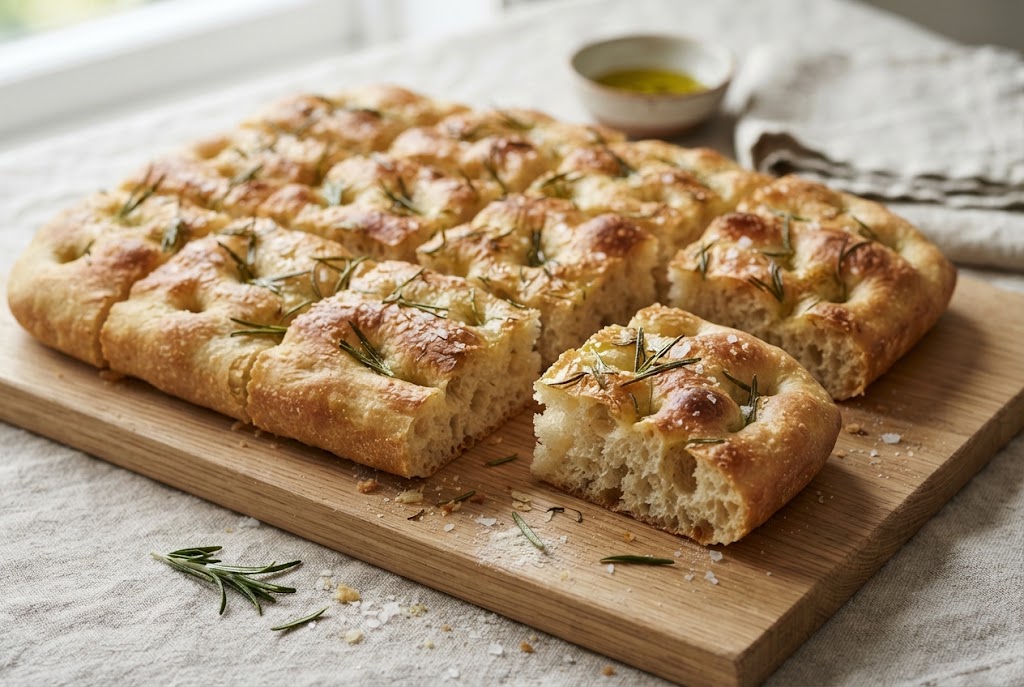
Focaccia is a high-hydration dough pressed into an oiled pan, dimpled so the oil pools in the dents, salted, and baked hot. The dimples aren't decorative — they hold oil against the surface so the top fries slightly while the inside steams.
- Taste
- salty, olive-oil rich, faintly yeasty
- Texture
- crisp oiled top, soft airy interior, chewy base
- Look
- golden and dimpled, often flecked with rosemary or sea salt
Fat and salt together are the mechanism, and they're already applied. Every other bread on a board is a blank that you season with what you put on it. Focaccia arrives seasoned, which makes it excellent with mild things and redundant with strong ones.
What it pairs with — and why
| Pair it with | Why it works |
|---|---|
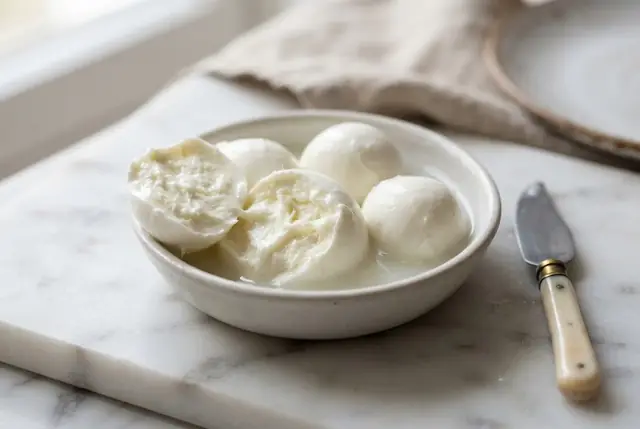
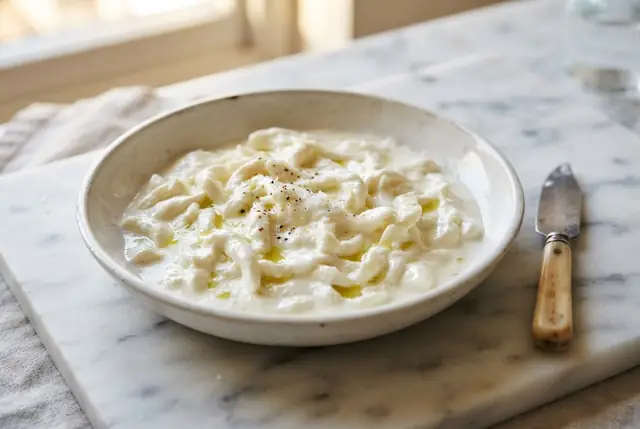
| Burrata and stracciatella | Milky and unsalted meets salted and oily. The single best focaccia pairing. |
| Fresh mozzarella and tomato | Caprese without assembly. The bread supplies the olive oil the salad needs. |
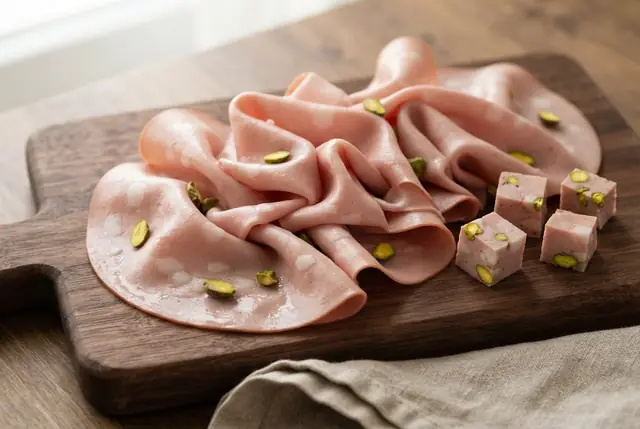
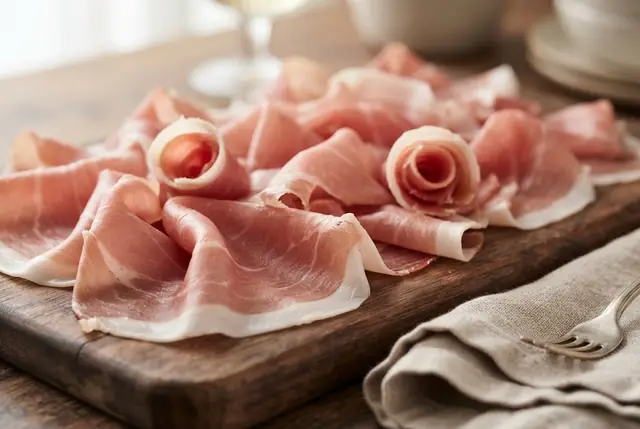
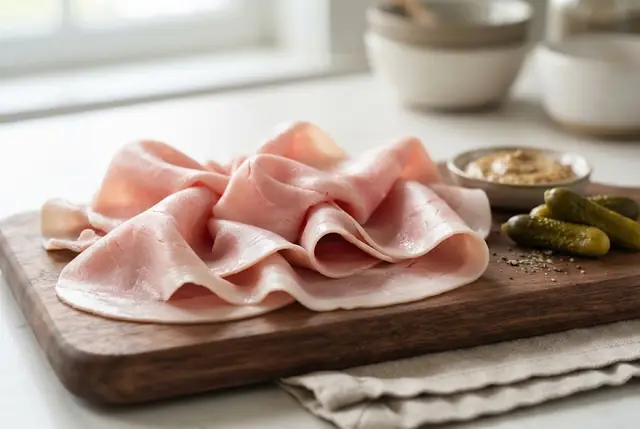
| Prosciutto and mortadella | Fatty cured pork on soft oiled bread is a Ligurian street snack, not an invention. |
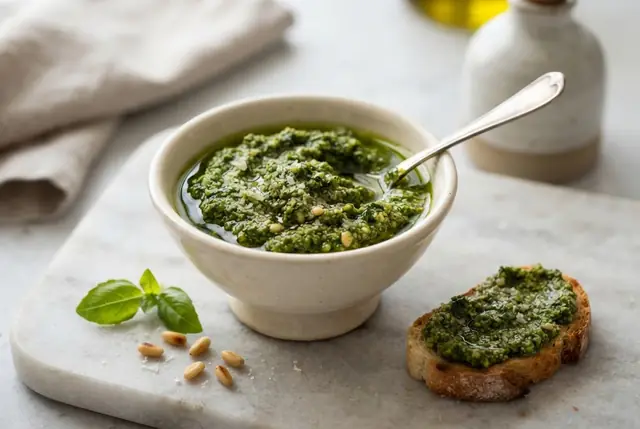
| Pesto and sun-dried tomato | Olive-oil sauces on an olive-oil bread. Same register throughout. |
| Marinated artichokes and olives | The antipasto corner, held together by the bread's own oil. |
| Aged provolone and pecorino | Sharp salty cheese cutting through the richness. |
| Dry rosé, Vermentino, Chianti | Acidic wines to slice the oil. |
Skip it with: blue cheese and other very strong cheeses — focaccia is rich enough that adding intensity makes the bite heavy rather than balanced. And skip it on a dessert board.
How to prep it for the board
- Cut it into 1-inch cubes, not slices. Slices are sandwich portions; cubes are board portions and they stack beautifully.
- Warm it 5 minutes at 350°F before serving. Cold focaccia is dense and greasy; warm focaccia is the best bread on the table.
- Serve 2–3 cubes per person. It's very filling.
- Split a few cubes horizontally and lay a sliver of prosciutto inside for two-bite sandwiches. It takes three minutes and it's always the first thing gone.
- Buy it the same day. Focaccia's whole appeal is the contrast between crisp top and soft middle, and that's gone by day two.
- Fix: day-old focaccia is excellent grilled or griddled cut-side down in a dry pan. Don't microwave it.
What to buy
| Product | Where | Notes |
|---|---|---|
| Store bakery focaccia | Whole Foods, Wegmans, Publix, most grocery bakeries | Baked that morning. The default and usually very good. |
| Local Italian bakery focaccia | Neighborhood Italian bakery | Best version. Ask what time it came out. |
| Trader Joe's focaccia | Trader Joe's | Cheap and reliable. Rosemary and plain both work. |
| Costco focaccia and flatbreads | Costco | Large format, good price. Freeze half. |
| Par-baked focaccia | Grocery bread aisle, freezer | You finish it at home, so it's genuinely fresh at serving time. |
Label check: olive oil should be high in the ingredient list. Focaccia made with vegetable oil is a soft flatbread with a fancy name.
Skip: heavily topped focaccia — the ones covered in vegetables, cheese or sauce. Those are a meal, and they crowd everything else on a board.
Quick FAQ
Focaccia or ciabatta for a charcuterie board?
Focaccia if the board leans rich and soft (burrata, mozzarella, prosciutto). Ciabatta if you want something drier that tears well.
How much per person?
2–3 one-inch cubes. It's filling.
Should I serve it warm?
Yes. Five minutes at 350°F makes a large difference and costs nothing.
Can I buy it the day before?
You can, but it won't be the same. If you must, revive it in a hot dry pan rather than the oven.
Why is mine greasy rather than rich?
It's cold. Focaccia's oil firms up at room temperature and reads as greasy; warming it fixes the impression entirely.